4 Best Steam Cleaner for Tile Floors (Tested and Reviewed)


Editor’s note: I tested and wrote this article in May 2026. I’ll update it with additional products if I get the chance to test more in the future.
If you’ve been spending way too much time scrubbing grout lines on your knees, you already know the struggle. Tile floors look beautiful, but keeping them clean is a whole different story. That’s exactly why I put together this guide on the best steam cleaner for tile floors.
I didn’t just browse reviews online. I actually used these machines on real tile floors, tested them on stubborn grout stains, and paid attention to how they performed in everyday situations. Here’s what I found.
What I Looked for When Picking a Steam Cleaner for Tile Floors
Before jumping into the picks, let me quickly walk you through the criteria I used:
- Steam temperature: Higher is better. You want at least 200°F to kill bacteria and break down grime without harsh chemicals.
- Steam pressure: More pressure means deeper cleaning, especially for textured tiles and grout lines.
- Water tank capacity: A bigger tank means fewer refills and longer cleaning sessions.
- Attachments included: Good brushes and nozzles make a huge difference, especially for grout.
- Ease of use: Weight, maneuverability, and cord length all matter when you’re doing a whole kitchen or bathroom.
- Versatility: Can it do more than just floors? Counters, upholstery, appliances?
With those in mind, here are my top picks.
Best Overall: Dupray Neat Steam Cleaner
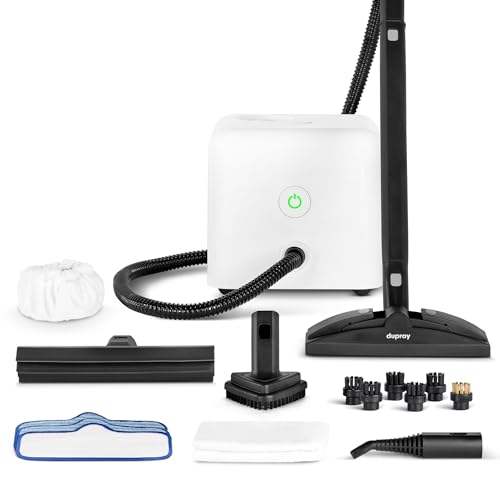
- 𝐏𝐨𝐰𝐞𝐫𝐟𝐮𝐥 𝐂𝐡𝐞𝐦𝐢𝐜𝐚𝐥-𝐅𝐫𝐞𝐞 𝐂𝐥𝐞𝐚𝐧𝐢𝐧𝐠: Generates superheated steam up to 275F/135C to effectively lift dirt, grease, and grime from a variety of surfaces without using harsh chemicals. Clean, sanitize, refresh, detail, and deodorize multiple surfaces naturally with just water
- 𝟏𝟕 𝐌𝐮𝐥𝐭𝐢𝐩𝐮𝐫𝐩𝐨𝐬𝐞 𝐀𝐜𝐜𝐞𝐬𝐬𝐨𝐫𝐢𝐞𝐬: Versatile kit is engineered for whole-home cleaning, from grout lines and ceramic tile to sealed floors, appliances, car interiors, carpets, upholstery and more

Pros and Cons
| Pros | Cons |
|---|---|
| Reaches up to 275°F steam temperature | Takes about 8 minutes to heat up |
| Comes with 17 accessories for multi-surface cleaning | Price is higher than budget options |
| Large 54 oz water tank for extended sessions | |
| Chemical-free, safe for kids and pets | |
| Works on floors, upholstery, appliances, grout, and more | |
| Durable stainless steel boiler |
Testing Results
| Test Category | Score (out of 10) |
|---|---|
| Grout cleaning | 9.5 |
| Tile surface cleaning | 9.5 |
| Steam consistency | 9 |
| Ease of use | 8 |
| Heat-up time | 7.5 |
| Versatility | 10 |
What I Think
Honestly, the Dupray Neat impressed me more than I expected. The first thing you notice is how seriously hot that steam gets. At 275°F, it goes after grout stains in a way that most steam mops simply can’t. I tested it on glazed ceramic tiles, unglazed porcelain, and textured stone-look tiles. On all three, it performed beautifully.
The jet nozzle attachment is what really sold me on this for grout. I used it on a bathroom floor that hadn’t been deep cleaned in months, and within a few passes, the grout lines looked visibly brighter. No scrubbing, no chemicals, just steam.
But here’s the thing that makes the Dupray Neat stand out beyond just tile floors: it’s a genuinely versatile machine. With the 17 included accessories, I used it to clean kitchen appliance surfaces, refresh a fabric couch, blast away soap scum in the shower, and even clean window tracks. That range of use is where this machine truly earns its “best overall” title.
Yes, it takes a bit to heat up, and it’s not the lightest thing to carry around. But if you want one machine that handles your tile floors AND a dozen other cleaning jobs around the house, the Dupray Neat is the one to get. It’s the kind of tool that makes you wonder why you waited so long to buy it.
Buy now: Dupray Neat Steam Cleaner
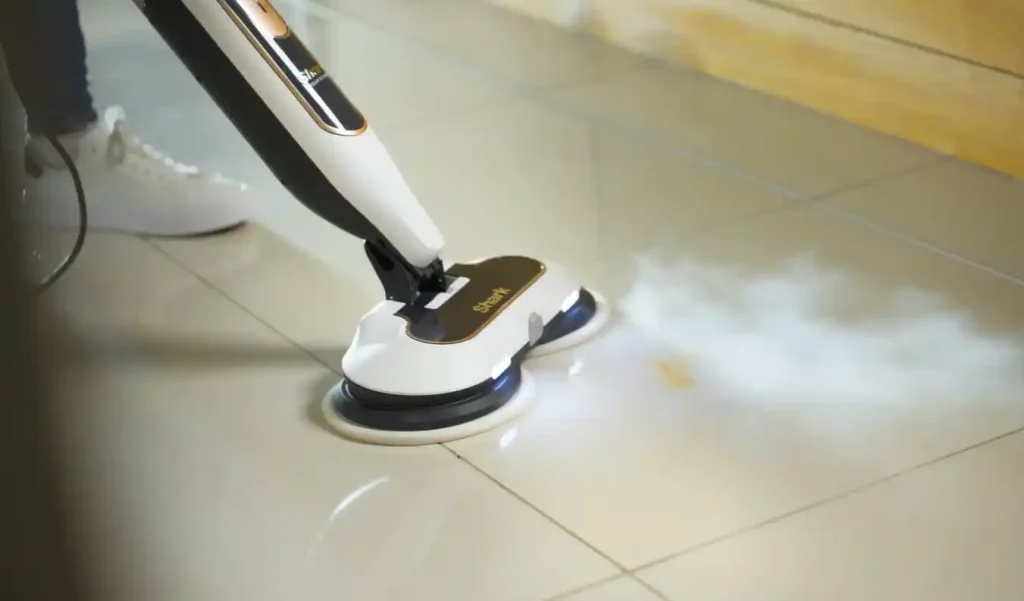
Best Value: Shark Steam & Scrub Steam Mop (S8001)
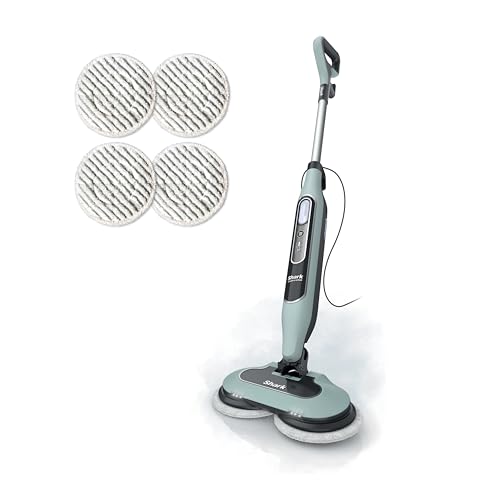
- SCRUBBING AND SANITIZING*: Tough on stains and gentle on floors. *To sanitize floors, be sure to completely follow the product’s directions for use. See sanitization instructions in Owner’s Guide for important details on sanitizing floors. Sanitization studies were conducted under controlled test conditions. See the Owner’s Guide for details on testing.
- 3 STEAM MODES: Light, for quick cleanups; Normal, for everyday use; and Deep, for stuck-on messes and stains.

Pros and Cons
| Pros | Cons |
|---|---|
| Built-in scrubbing brushes for tougher spots | Tank capacity smaller than Dupray |
| Heats up in about 30 seconds | Not ideal for vertical surfaces |
| Lightweight and easy to maneuver | Attachments fewer than premium models |
| Sanitizes and deodorizes effectively | Cord can tangle occasionally |
| Good for sealed hardwood and tile | Best suited as a floor-focused machine |
| More affordable than the Dupray |
Testing Results
| Test Category | Score (out of 10) |
|---|---|
| Grout cleaning | 8 |
| Tile surface cleaning | 9 |
| Steam consistency | 8.5 |
| Ease of use | 9.5 |
| Heat-up time | 10 |
| Versatility | 7 |
What I Think
If you’re looking for a steam cleaner for tile floors that gets the job done fast, without fuss, and without breaking the bank, the Shark S8001 is hard to beat. That 30-second heat-up time is a genuine convenience win. I tested it multiple times just for that alone, and it consistently had steam ready to go in under a minute.
The built-in scrubbing brushes are what separate this from a basic steam mop. On the tile floors I tested it on, the rotating brush action made a visible difference on grime that had been sitting for a while. It’s not quite as powerful as the Dupray’s jet steam on grout, but it’s more than good enough for regular maintenance and even occasional deep cleaning.
I ran it across large-format porcelain tiles in a kitchen, and it handled the greasy residue around the stove area really well. The mop head swivels nicely too, which helps a lot around cabinets and in corners.
The trade-off is that this machine is primarily a floor tool. It doesn’t offer the same range of attachments for upholstery or detailed cleaning that the Dupray does. But if your main goal is to keep your tile floors clean and sanitized on a regular basis, the Shark S8001 hits a sweet spot between performance and value that’s genuinely hard to argue with.
Buy now: Shark Steam & Scrub Steam Mop
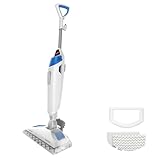
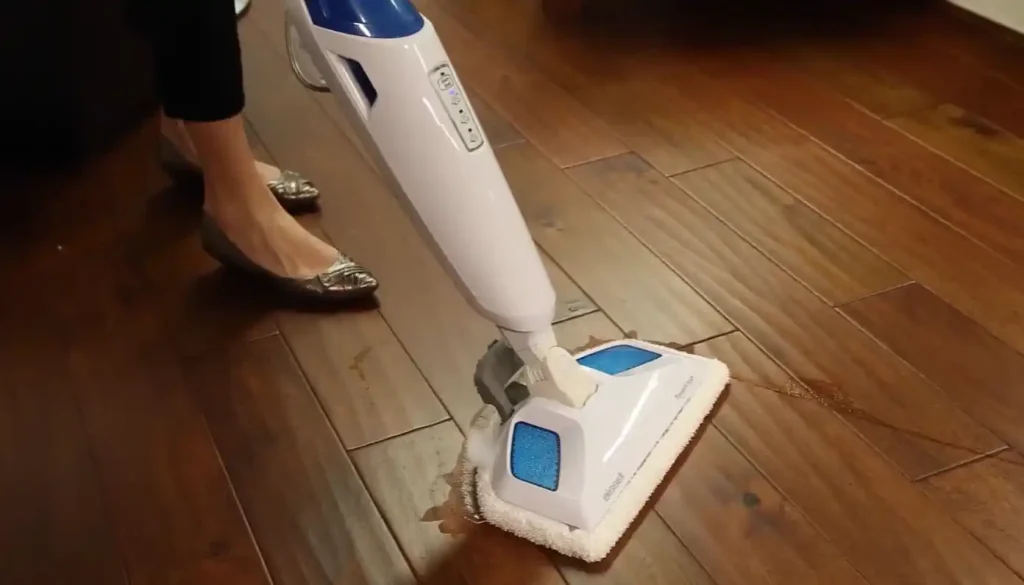
Best Budget: BISSELL Steam Mop 1940A PowerFresh
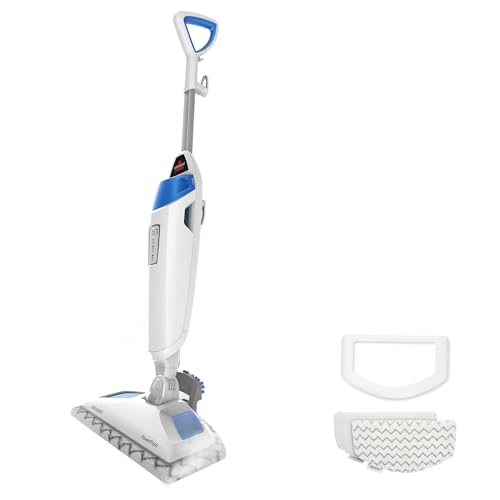
- SANITIZE WITH STEAM, NOT CHEMICALS. KILLS 99.9% OF GERMS, BACTERIA, & VIRUSES WHEN USED AS DIRECTED. Peace of mind for a cleaner home.
- BUILT-IN SCRUBBER FOR TOUGH GRIME. Flip down the Easy Scrubber to break up dried-on messes and grout buildup– no extra pressure required.
Pros and Cons
| Pros | Cons |
|---|---|
| Very affordable price point | Not as powerful as premium models |
| Flip-down scrubber for tough spots | Smaller water tank |
| Spring breeze fragrance discs available | Not suitable for uneven or very textured tile |
| Lightweight and easy to store | Limited to floor use only |
| Heats up quickly | |
| Good for everyday light cleaning |
Testing Results
| Test Category | Score (out of 10) |
|---|---|
| Grout cleaning | 6.5 |
| Tile surface cleaning | 7.5 |
| Steam consistency | 7 |
| Ease of use | 9 |
| Heat-up time | 8.5 |
| Versatility | 5 |
What I Think
Let me be upfront here: the BISSELL 1940A is not the most powerful machine in this lineup. But that’s not really the point of it. At this price, it delivers a surprising amount of value for people who just need a simple, reliable steam mop for regular tile floor maintenance.
I tested it in a bathroom and a small kitchen, both with standard ceramic tiles. For everyday cleaning, it did the job well. The steam penetrated surface grime, left the tile looking fresh, and the flip-down scrubber came in handy in a few spots where something had dried onto the tile.
Where it falls a little short is on really stubborn grout staining or heavier buildup. I wouldn’t reach for it if a floor hadn’t been deep cleaned in months. But for weekly or bi-weekly maintenance cleaning? It’s totally fine.
One nice touch is the option to add fragrance discs that leave a light fresh scent behind. It’s a small thing, but it makes the cleaning experience feel a bit more pleasant, especially in bathrooms.
If you’re just getting started with steam cleaning or you have a smaller home with tile floors that get regular attention, the BISSELL 1940A is a smart, budget-friendly entry point into the best steam cleaner for tile floors category.
Buy now: BISSELL Steam Mop 1940A PowerFresh
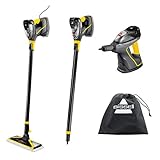
Best Compact Multi-Purpose: BISSELL PowerSteamer Heavy Duty 3-in-1
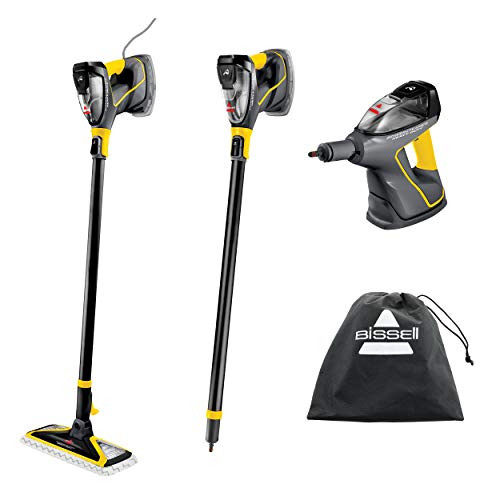
- POWERFUL, HIGH TEMPERATURE STEAM to blast away dirt, grime, grease, stains, and mold across a wide variety of indoor and outdoor surfaces. For use in garage and workshop areas; Interior and exterior of auto’s, boats, ATV’s, and recreational vehicles; windows; outdoor patio furniture and decks; And all sealed hard floor surfaces..Cleaning Path Width : 13″. Swivel Head : Yes.Automatic Cord Rewind : No
- 3-IN-1 HEAVY DUTY MULTI-PURPOSE STEAM CLEANER. The upright steam cleaner transforms into both an extended reach steam cleaner and a handheld steam cleaner.

Pros and Cons
| Pros | Cons |
|---|---|
| 3-in-1 design: floor, handheld, and reach mode | Smaller tank due to compact size |
| Great for grout, corners, and vertical surfaces | Cord length could be better |
| Compact and easy to store | Not ideal for very large floor areas |
| Flexible for many surfaces beyond just floors | |
| Heats up in about 30 seconds | |
| Good set of included attachments |
Testing Results
| Test Category | Score (out of 10) |
|---|---|
| Grout cleaning | 8 |
| Tile surface cleaning | 7.5 |
| Steam consistency | 8 |
| Ease of use | 9 |
| Heat-up time | 9 |
| Versatility | 9.5 |
What I Think
The BISSELL 2685A is the kind of steam cleaner that surprises you. It looks modest, but it punches well above its weight class in terms of flexibility.
I used it in three different modes during testing. In floor mop mode, it handled bathroom tile reasonably well, similar to the 1940A but with more steam concentration. Then I converted it to handheld mode and used it on grout lines along a tiled shower wall. That’s where it really shone. The steam jet got deep into the grout and lifted staining that I’d been ignoring for too long.
I also used the reach attachment to clean the tile backsplash behind the stove, which is usually a pain to get to. Took maybe five minutes and looked noticeably cleaner afterward.
For anyone living in a smaller space like an apartment, condo, or townhouse, this machine makes a lot of sense. You get multi-surface capability, solid grout cleaning, and easy storage without needing a dedicated closet shelf for a big tank unit.
It’s not going to replace the Dupray Neat if you have large tile floors and a whole house to clean. But as a nimble, versatile machine for targeted cleaning jobs and small-to-medium tile floors, the BISSELL 2685A is a genuinely smart buy.
How I Tested These Steam Cleaners
I wanted the testing to reflect real-life home use, not a lab environment. Here’s what I actually did:
Test surfaces: I tested each machine on three types of tile, glazed ceramic bathroom floor tiles, matte porcelain kitchen tiles, and textured stone-look tiles in an entryway. Each surface has different cleaning needs and responds differently to steam.
Grout challenge test: I intentionally let grout lines go without cleaning for several weeks to create a realistic level of buildup. Then I used each machine’s best attachment for grout and ran the same number of passes on each section.
Timed heat-up: I tracked how long each machine took from plugging in to producing consistent steam, using a stopwatch.
Ease-of-use assessment: I noted how heavy each machine felt during extended use, how easy it was to maneuver in tight spaces, and how annoying the cord management was.
Versatility check: For machines that claimed multi-surface capability, I used them on at least two surfaces beyond the floor, including countertops, shower walls, or upholstery.
I ran multiple tests over several days, not just one session, to get a consistent feel for each machine.
What to Consider Before Buying a Steam Cleaner for Tile Floors
There are a few things worth thinking through before you make a decision:
What type of tile do you have? Sealed tile (glazed ceramic, polished porcelain) handles high-heat steam well. Unsealed, porous stone like travertine or natural marble can be damaged by steam. Always check your tile type before using any steam cleaner on it.
How much floor area are you cleaning? Larger homes benefit from machines with bigger tanks and longer cords. For apartments or single rooms, compact models are more practical.
Do you want just a floor cleaner or something more? If you only need to clean tile floors, a dedicated steam mop is simpler and easier. If you want to tackle grout lines, bathroom walls, appliances, and upholstery, go for a multi-purpose canister or 3-in-1 model.
How often will you use it? For daily or near-daily use, heat-up time matters more. For weekly deep cleans, a longer heat-up on a more powerful machine is worth it.
Do you have kids or pets? All four machines on this list clean without chemicals, which is a big plus for households with children or animals. Just make sure to keep kids and pets away from the steam itself during use.
How to Use a Steam Cleaner on Tile Floors Effectively
Getting the most out of your machine isn’t complicated, but a few habits make a real difference:
Step 1: Sweep or vacuum first. Steam doesn’t push debris around well. Remove loose dirt, crumbs, and pet hair before you start steaming, otherwise you’ll just be making a muddy mess.
Step 2: Fill with distilled water when possible. Tap water can leave mineral deposits inside the tank over time, reducing performance and potentially voiding warranties. Distilled water extends the life of your machine.
Step 3: Let the machine heat up fully. Don’t start cleaning the moment steam appears. Wait for the machine to signal it’s ready or until the steam is consistent and strong. This usually takes 30 seconds to 8 minutes depending on the model.
Step 4: Move at a slow, steady pace. The slower you move, the more time the steam has to penetrate and loosen grime. Don’t rush, especially on grout lines.
Step 5: Use the right attachment for the job. Swap to a grout brush or detail nozzle when working on grout lines. Use the mop pad for open tile surfaces. The right attachment does most of the work for you.
Step 6: Let the floor dry before walking on it. Steam leaves behind very little moisture, but it’s still a good idea to let the floor air dry for a few minutes before walking on it. This also prevents streaking.
Step 7: Empty the tank after each use. Don’t store the machine with water sitting in the tank. Empty it, let it cool down, and store it dry to prevent scale buildup and mildew.
FAQs
Is a steam cleaner safe for all tile floors?
Not all tile types are steam-safe. Glazed ceramic and porcelain tile handle steam very well. However, natural stone tile like marble, travertine, or limestone can be sensitive to high heat and moisture. Always check the manufacturer’s recommendation for your specific tile before using a steam cleaner.
Do steam cleaners actually kill bacteria on tile floors?
Yes. Steam at temperatures above 212°F is effective at killing most common household bacteria, viruses, and dust mites. The Dupray Neat, which reaches 275°F, offers the strongest sanitizing performance in this lineup.
Can I use a steam cleaner on tile grout?
Absolutely, and it’s one of the best uses for a steam cleaner. Grout is porous and traps dirt, mold, and mildew. Steam penetrates those pores and loosens buildup without chemicals. Using a detail brush attachment makes this even more effective.
Do I need to add cleaning solution to a steam cleaner?
No. That’s actually one of the main benefits of steam cleaning. The hot steam itself does the cleaning and sanitizing. Adding soap or detergent can damage the machine and leave residue on your floors.
How often should I steam clean my tile floors?
For high-traffic areas like kitchens and bathrooms, once a week or every two weeks is reasonable. For lower-traffic areas, once a month is usually enough. Regular sweeping between sessions keeps the floor in good shape.
How long does a steam cleaner last?
This depends heavily on the brand and how well you maintain it. Quality machines like the Dupray Neat are built with stainless steel boilers and can last many years with proper care. Budget models may have a shorter lifespan, but regular descaling and proper storage extend any machine’s life.
What’s the difference between a steam mop and a steam cleaner?
A steam mop is designed primarily for floors. A steam cleaner (or steam cleaner machine) is more versatile and usually comes with attachments that let you clean multiple surfaces beyond floors. The Dupray Neat and BISSELL 2685A are steam cleaners. The Shark S8001 and BISSELL 1940A are more like steam mops.
Can I use a steam cleaner on vinyl or laminate floors?
Most vinyl and laminate flooring manufacturers advise against steam cleaning, as repeated exposure to heat and moisture can warp or damage the material. Stick to steam cleaning on ceramic or porcelain tile, and always check your flooring warranty first.
How do I prevent streaks when steam cleaning tile floors?
Use distilled water to minimize mineral deposits, make sure your mop pad is clean before you start, and move at a slow, even pace. If streaks appear, it’s often a sign of dirty water or a worn-out pad that needs replacing.
Which is the best steam cleaner for tile floors if I have a small home?
The BISSELL PowerSteamer 2685A is the top pick for smaller spaces. It’s compact, stores easily, heats up fast, and handles both floor and above-floor cleaning. If budget is a bigger concern, the BISSELL 1940A is a solid, affordable option for regular tile floor maintenance.