
Bagged vs Bagless Vacuum: Which One Is Actually Better?
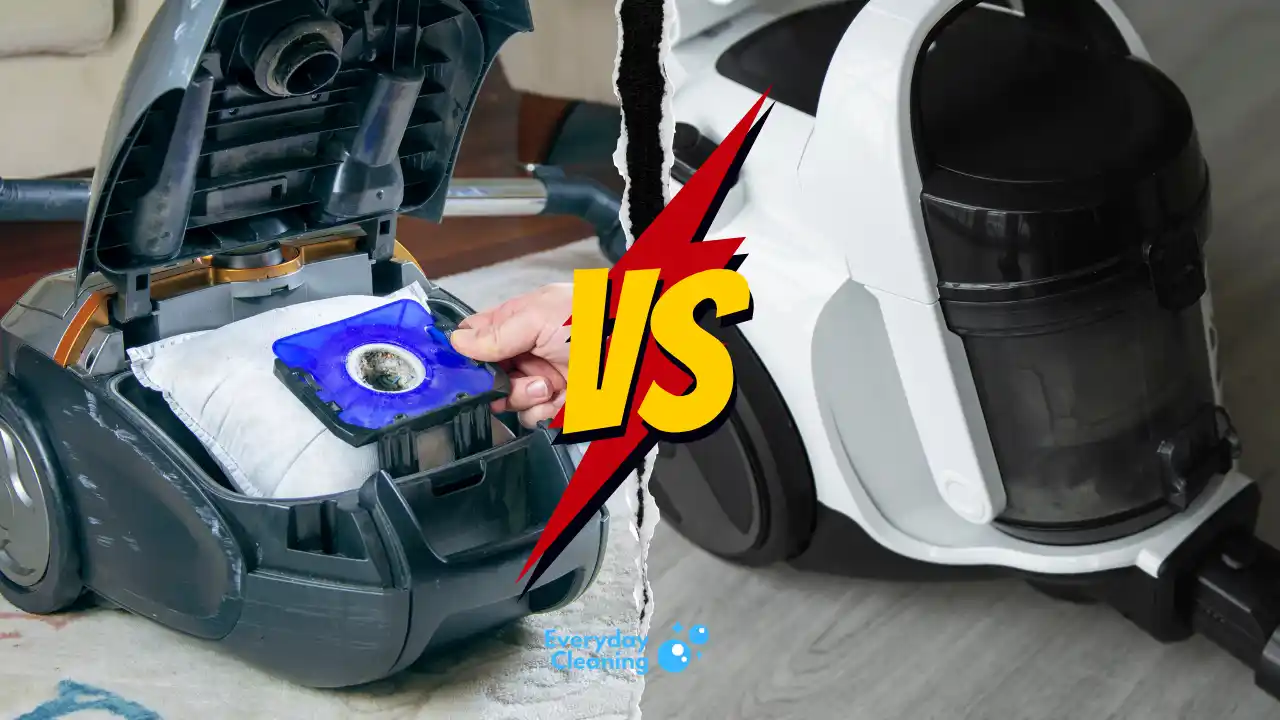
Bagged and bagless vacuums both clean floors, but they handle dirt, filtration, and ongoing maintenance in fundamentally different ways. This breaks down the real tradeoffs so you can pick the right one for your home.
What Is a Bagged Vacuum?
A bagged vacuum collects dirt, dust, and debris into a disposable paper or synthetic bag that sits inside the machine. When the bag is full, you remove it, seal it, and throw it away. A new bag goes in and you’re back to cleaning.
The bag itself acts as a layer of filtration. Higher-end bags — particularly synthetic multi-layer bags used by brands like Miele — trap fine dust and allergens inside as they fill. When you empty a bagged vacuum, you rarely touch the collected debris at all.
Bagged vacuums have been around longer, and the design is well-established. They tend to hold more debris before needing to be emptied, which suits larger homes and infrequent maintenance schedules.
What Is a Bagless Vacuum?
A bagless vacuum collects debris into a clear plastic dustbin that you empty directly into the trash. No disposable bags to buy or replace. You can see how full the bin is at any time, and emptying takes about ten seconds.
Most modern bagless vacuums use cyclonic separation to spin debris out of the airflow before it reaches the filter, which helps maintain suction as the bin fills. The filter still needs regular cleaning or replacement to maintain performance.
Bagless vacuums are the dominant design today, particularly at the mid-range price point. Dyson popularized the format in the 1990s and it has since become the default for most manufacturers.
Quick Comparison: Bagged vs Bagless Vacuum
| Feature | Bagged | Bagless |
|---|---|---|
| Filtration quality | Better (sealed containment) | Good (HEPA models) |
| Allergen exposure at emptying | Lower | Higher |
| Ongoing cost | Higher (bags) | Lower (no bags) |
| Bin/bag capacity | Larger | Smaller |
| Emptying hygiene | Cleaner | More dust exposure |
| Filter maintenance | Less frequent | More frequent |
| Suction over time | Consistent (until bag full) | Consistent (if filter maintained) |
| Environmental waste | More | Less |
| Consumable dependency | Yes (bags) | No |
| Best for allergies | Better | Good (HEPA models) |
Bagged vs Bagless Vacuum: Head-to-Head
Filtration and Air Quality
Bagged vacuums generally filter better. A quality multi-layer bag traps fine particles, dust mite debris, pollen, pet dander, mold spores, inside as the bag fills. When you remove a full bag, you seal it and discard it without disturbing what’s inside. The exhaust air coming back out of the machine is cleaner as a result.
Bagless vacuums rely on their filters to handle fine particles. HEPA-equipped bagless models filter well during operation, but the weak point is emptying the bin. When you open the bin over a trash can, fine dust and allergens release back into the air. If you have allergies or asthma, that brief exposure happens every time you empty.
For allergy sufferers, this is often the deciding factor in favor of bagged. A sealed bag emptied once a month exposes you to far less airborne dust than emptying a bagless bin every few sessions. For a full comparison of vacuum options for allergy management, the best vacuum for allergies cover both types.
Ongoing Cost
Bagless vacuums win on ongoing cost. No bags to buy. The filter needs cleaning every few months and replacing once a year or so, which costs $10 to $30 depending on the model. That’s the full recurring cost.
Bagged vacuums require replacement bags on a regular basis. Costs vary by brand, generic bags run $5 to $15 for a pack of five, while premium synthetic bags for brands like Miele cost $15 to $30 for a pack of four or five. For a household vacuuming weekly, that’s roughly $40 to $80 per year in bags alone. Over several years, the cost adds up.
The upfront price of the machine often reflects this too. Bagged vacuums from quality manufacturers tend to cost more at the entry level because the brand captures recurring revenue from bag sales.
Suction Maintenance Over Time
Bagged vacuums can lose some suction as the bag fills, since a full bag restricts airflow. How noticeable this is depends on the design. Many modern bagged vacuums manage airflow well enough that performance stays consistent until the bag is quite full. The fix is simple: replace the bag.
Bagless vacuums with cyclonic separation maintain suction well as the bin fills. The cyclone spins debris out of the airflow before it reaches the filter, which keeps suction relatively consistent. Where bagless models lose suction is when the filter gets clogged from infrequent cleaning. A dirty filter restricts airflow just as a full bag does. Regular filter maintenance is the key to consistent bagless performance.
Hygiene and Emptying
Bagged vacuums are cleaner and more hygienic to empty. You remove the bag — often with a self-sealing mechanism — and it goes directly in the bin with minimal dust exposure. You never touch the debris or disturb what’s inside.
Bagless vacuums involve more contact with the collected dirt. You open the bin, hold it over the trash, and press the release. Even with a clean technique, fine dust escapes. Some people rinse the bin after emptying, which adds a step. For anyone with asthma, dust sensitivities, or simply a preference for not handling collected dirt, bagged is noticeably more hygienic.
Bin and Bag Capacity
Bagged vacuums typically hold more. A standard vacuum bag holds roughly 3 to 5 liters of compressed debris. In a normal household, that might last four to eight weeks between changes. Larger bags mean fewer interruptions during a cleaning session and less frequent replacement overall.
Bagless dustbins are smaller, usually 0.8 to 2 liters. In homes with pets or heavy debris loads, you may empty mid-session to maintain suction. In a typical household without pets, emptying after each session or every two sessions is common.
Filter Maintenance
Bagged vacuums need filter changes too, but less frequently than bagless equivalents. Because the bag catches the bulk of debris before it reaches the filter, the filter stays cleaner longer. In some designs, the bag IS most of the filtration, and the secondary filter only needs attention every year or two.
Bagless vacuums require more regular filter maintenance. Most manufacturers recommend cleaning the washable foam or sponge filter every month and replacing it every 6 to 12 months. Skipping this leads to reduced suction and, in some cases, motor strain over time. If you’re the type to forget regular maintenance, a bagged vacuum is more forgiving.
Availability of Bags and Consumables
Bagless vacuums have no consumable dependency beyond filters, which are widely available. You can buy compatible filters for most popular models from third-party suppliers.
Bagged vacuums depend on a specific bag size and type for each model. Major brands keep bags available for years, but if you buy a discontinued model or a lesser-known brand, sourcing the right bags can become difficult. Budget bagged vacuums sometimes disappear from shelves after a few years, leaving owners with a machine they can no longer easily supply. Stick to established brands if you go bagged.
Environmental Impact
Bagless vacuums produce less waste. No disposable bags going into landfill every month, no packaging. The filters need replacing occasionally, but the volume of waste is much lower over the life of the machine.
Bagged vacuums generate ongoing bag waste. Even paper bags, which are more biodegradable than synthetic bags, add up over years of use. Synthetic multi-layer bags are generally not recyclable. For environmentally conscious buyers, bagless reduces the long-term waste footprint.
Performance With Pets
Both types handle pet hair well when properly specified. The key consideration for pet owners is how the machine handles the high debris volume that comes with regular pet hair collection.
Bagged vacuums with high-capacity bags handle heavy pet hair loads without needing frequent emptying. For households with multiple pets or heavy shedders, the larger capacity reduces session interruptions. The sealed bag also contains pet dander more hygienically, which matters for people with pet allergies. The best vacuum for allergies and pets covers options that balance both concerns.
Bagless vacuums with pet-specific tangle-free brush rolls and larger-than-average bins work well for pet owners too. The visible bin lets you see how fast it’s filling, and emptying takes seconds. The tradeoff is more frequent emptying and more dust exposure at the bin.
For dog hair specifically, the best vacuum for dog hair and allergies covers models that handle both the hair volume and allergen concerns together.
Performance With Allergies and Asthma
For allergy and asthma sufferers, bagged vacuums have a meaningful advantage. The combination of sealed bag containment and quality filtration produces less allergen re-exposure during both operation and emptying.
HEPA-rated bagged vacuums from Miele, Bosch, and similar European brands are consistently recommended by allergy organizations for this reason. A sealed synthetic bag traps fine particles through the entire life of the bag, and emptying exposes you to almost nothing.
HEPA bagless vacuums filter well during operation but lose some of that advantage at the bin. For mild allergy sufferers, a HEPA bagless machine is adequate. For severe allergies, asthma, or dust mite sensitivity, bagged is the safer choice. The best HEPA vacuum for allergies, best vacuum for dust mite allergies, and best vacuum cleaners with HEPA filters all explore this in more detail.
Who Should Buy a Bagged Vacuum?
A bagged vacuum is the right choice for anyone with allergies, asthma, or dust sensitivities. The sealed containment during emptying genuinely reduces allergen exposure compared to bagless alternatives, and quality multi-layer bags maintain that filtration throughout the bag’s life.
It’s also a good fit for larger homes where high-capacity bags reduce how often you stop to deal with the collection container. Households with multiple pets that generate high debris volumes benefit from less frequent emptying.
If you prefer low-maintenance operation and don’t mind the ongoing cost of bags, a bagged vacuum from a quality manufacturer tends to be more forgiving over time. Miele in particular has a strong reputation for long-lasting bagged machines with excellent filtration. The best vacuum cleaners with bags covers the top current options in this category.
Who Should Buy a Bagless Vacuum?
A bagless vacuum makes sense for most households without significant allergy concerns. The ongoing savings from not buying bags add up meaningfully over several years, and the convenience of a clear bin you empty in seconds suits busy households.
The bagless design also removes the consumable dependency problem. You’re never mid-clean and out of bags. You don’t need to keep track of which specific bag size your vacuum takes. Empty the bin, keep the filter clean, and the machine works indefinitely.
For buyers on a tighter budget, bagless models deliver more cleaning performance per dollar at the entry level. The best upright vacuum cleaners and best canister vacuum cleaners cover both bagged and bagless options across formats, and the best vacuum cleaners for carpet narrows to carpet performance specifically.
Frequently Asked Questions
Do bagged vacuums have better suction than bagless?
Not inherently. Suction depends on motor quality, not bag vs bagless design. Both types can have strong or weak suction depending on the machine. Where bagged machines can lose suction is when the bag fills up without being changed. Bagless machines lose suction when the filter gets clogged from infrequent cleaning.
Are bagless vacuums harder to maintain?
Slightly, yes. You need to clean the filter more regularly than with a bagged machine, and you’ll empty the bin more often due to the smaller capacity. Neither task is time-consuming, but it requires more consistent attention than changing a bag every few weeks.
Can I use a bagless vacuum if I have allergies?
You can, particularly if the model has sealed HEPA filtration throughout. The main allergy risk with bagless vacuums is dust exposure when emptying the bin. Emptying into a sealed bag inside the trash bin and doing it outdoors or away from living areas reduces this. But if allergies are severe, a bagged vacuum is a simpler solution.
How often do you need to replace vacuum bags?
In a typical household vacuuming once or twice a week, most bags last three to six weeks. Homes with pets, multiple people, or high debris loads go through bags faster. Some larger-capacity bags last eight weeks or more in light-use households.
Are bagged vacuums better for dust mites?
Yes, generally. The sealed bag prevents dust mite allergens from being redistributed during emptying. Paired with quality filtration, a bagged vacuum is the more thorough choice for households managing dust mite levels. The best vacuum for dust mite allergies covers the specific models most recommended for this purpose.
Do modern bagless vacuums lose suction over time?
They can, but the main cause is a dirty or blocked filter rather than the bagless design itself. Most bagless vacuums come with washable filters that restore performance when cleaned. Replace the filter on schedule — typically every 6 to 12 months — and suction stays consistent.
Which is better for pet hair: bagged or bagless?
Both can handle pet hair well. Bagless models are more convenient for the frequent emptying that comes with heavy shedders. Bagged models contain pet dander more hygienically, which matters if anyone in the household has pet allergies. For households managing both pet hair and allergies, the best shark vacuum for pets and allergies cover models designed specifically for that combination.


One Comment
Comments are closed.