How to Clean a Couch With a Steam Cleaner Without Ruining the Fabric

A dirty couch is one of those things that sneaks up on you. You steam clean it properly and it looks almost new again in under an hour.
Check the Fabric Tag First
Before you touch the steam cleaner, flip your couch cushions and look for the care tag. It will have one of these codes:
- W = safe to clean with water or steam
- S = solvent-only, no water
- W/S = both are fine
- X = vacuum only, no liquid or steam
If the tag says S or X, put the steam cleaner away. Steam on those fabrics can cause shrinking, watermarks, or permanent damage. For W and W/S codes, you’re good to go.
Most fabric sofas (polyester, microfiber, cotton blends) fall into the W or W/S category. Velvet and some silk blends are the exception. When in doubt, test a hidden spot first.
What You Need
Nothing complicated here:
- Steam cleaner with an upholstery attachment (a fabric nozzle or wide-head brush)
- Stiff-bristle brush or upholstery brush
- Clean microfiber cloths
- Vacuum with upholstery attachment
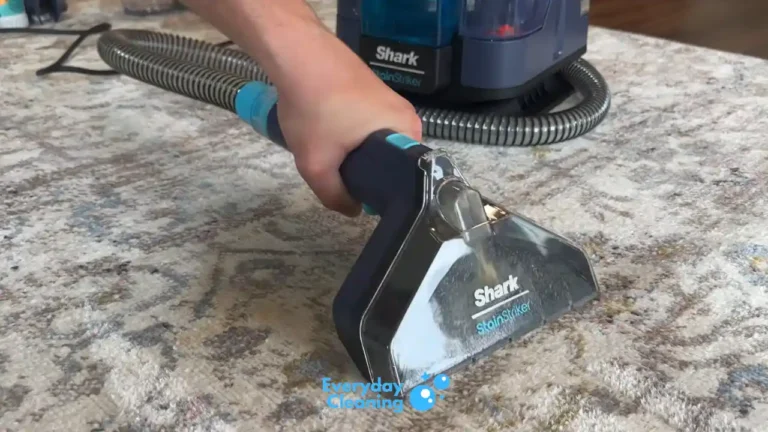
A handheld steam cleaner works well for spot cleaning. If you’re doing the whole couch, a full-size steamer with a hose attachment gives you more steam pressure and a bigger tank. Check out the best handheld steam cleaners for upholstery if you’re still picking a machine.
How to Clean a Couch With a Steam Cleaner
Step 1: Vacuum the Entire Couch
Start by vacuuming every surface. Get the cushions, the back, the armrests, and in between cushions. Remove pet hair, crumbs, and loose debris before any moisture touches the fabric.
Skipping this step traps dirt under steam. You’ll end up pushing grime deeper into the fibers instead of pulling it out.
Step 2: Pre-Treat Any Stains
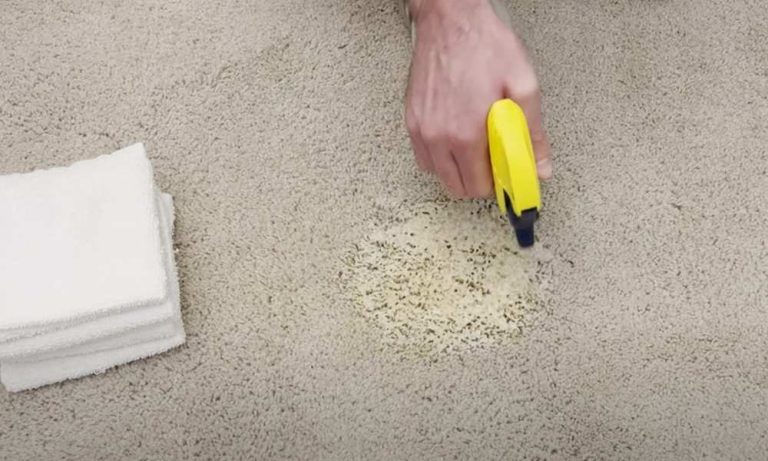
For visible stains (coffee, pet urine, grease), do a light pre-treatment before steaming. Blot with a damp cloth, or use a fabric-safe spray. Let it sit for a few minutes.
Steam alone lifts light soiling well. But for set-in stains, a quick pre-treat makes a real difference. If pet odor is an issue, an enzyme-based pre-spray works better than anything steam can do alone. See how to clean old dog pee from carpet for methods that translate well to upholstery too.
Step 3: Fill and Heat the Steam Cleaner
Fill the water tank with distilled water if you have it. Tap water works fine, but distilled keeps mineral buildup out of the machine over time.
Let the steamer heat up fully before you start. Most units take 1 to 3 minutes. You want full steam pressure from the first pass, not sputtering water vapor.
Attach the upholstery head or fabric nozzle. This distributes steam more evenly than a point-tip and is less likely to soak one spot.
Step 4: Steam in Sections
Work section by section. Armrests, then seat cushions, then back cushions, then the base. This keeps you from re-wetting areas you’ve already cleaned.
Hold the nozzle about 1 to 2 inches from the fabric. Move it slowly in straight lines. Do not hold it in one spot. Lingering overloads the fabric with moisture and can leave watermarks.
Use overlapping passes on each section. One slow pass is usually enough for general cleaning. For stained areas, go over it twice.
Step 5: Use a Brush on Stubborn Areas
Right after steaming, while the fabric is still warm and slightly damp, use a soft upholstery brush to work the fibers. This lifts embedded dirt and helps restore the texture on microfiber.
On microfiber especially, brushing makes a big visual difference. The nap gets flattened during normal use. Light brushing after steaming lifts it back up.
Step 6: Wipe Down With a Microfiber Cloth
After each section, wipe lightly with a clean microfiber cloth. This picks up loosened dirt and absorbs excess moisture. It also helps prevent the fabric from drying with a stiff feel.
Do not scrub. Just light wipes. Scrubbing can push dirt back in or distort the weave on delicate fabrics.
Step 7: Let It Dry Completely
This is the step most people rush. Open windows, run a fan, or turn on the AC. A well-ventilated room speeds drying and prevents mildew.
Expect 1 to 3 hours of drying time depending on how heavily you steamed and your home’s humidity. Sit on it before it is fully dry and you will flatten the fabric and potentially leave body impressions in the cushions.
For thick cushions or dense upholstery, standing the cushions upright on their edges helps air reach both sides.
What Steam Cleaning Actually Does
Steam cleans in two ways. The heat kills bacteria, dust mites, and some allergens. The moisture loosens dirt bonded to the fabric fibers. Together they work better than dry vacuuming alone and better than most spray cleaners that just sit on the surface.
For households with pets, steam is particularly effective at neutralizing odor-causing bacteria, not just masking them. If allergies are a concern in your home, regular steam cleaning is one of the most effective non-chemical options available. The best steam cleaners for dust mites are worth looking at if that is your main goal.
How Often Should You Steam Clean a Couch?
For most households: every 3 to 6 months. If you have pets or kids, every 2 to 3 months is more realistic.
Spot clean as stains happen. Full steam cleaning is maintenance, not emergency response. Staying on a schedule keeps the couch from reaching the point where a single cleaning is not enough.
Frequently Asked Questions
Can you use a steam cleaner on any couch?
No. Check the fabric care tag first. Couches with an S or X code should not be steam cleaned. For W or W/S fabrics, steam is safe. If the tag is missing, test in a hidden area and watch for any color change, shrinking, or water marks before continuing.
Will steam cleaning remove odors from a couch?
Steam neutralizes odor-causing bacteria, so it helps with general smell. For heavy pet odors, use an enzyme pre-spray before steaming. The best steam cleaner for carpet and upholstery picks can handle both surfaces if you want a machine that does more than just the couch.
How long does a couch take to dry after steam cleaning?
Usually 1 to 3 hours with good airflow. Thicker cushions take longer. Run a fan or open windows to speed it up. Do not sit on the couch until it is fully dry.
Can you steam clean a microfiber couch?
Yes, as long as the care tag says W or W/S. Use a fabric nozzle, not a jet tip. After steaming, brush the fabric in one direction while it is still slightly warm. This lifts the nap and prevents a stiff, matted finish.
Do you need to vacuum before steam cleaning?
Yes, always. Vacuuming removes loose debris so steam cleaning can reach the fabric itself. If you skip vacuuming, the steam just pushes surface dirt around. If pet hair is a recurring issue, a dedicated vacuum for pet hair on couch makes this step much faster.