Best Concrete Cleaner Without Pressure Washer (5 That Actually Work)
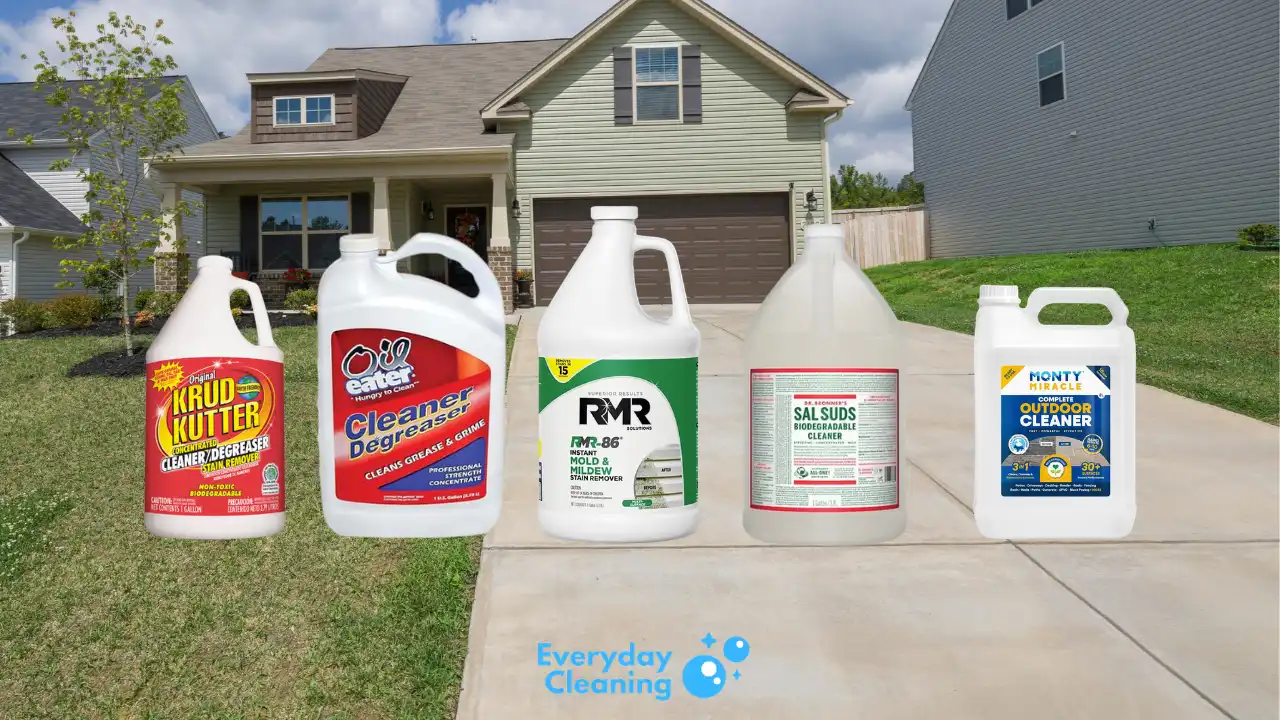
Concrete gets dirty fast and most advice tells you to rent a pressure washer. But if you don’t own one, you still have solid options. These five cleaners work with a stiff brush, a mop, or a basic garden hose.
| Recommendation | Product | Reason |
|---|---|---|
| Best Overall | Dr. Bronner's Sal Suds All-Purpose Cleaner | Concentrated, biodegradable, handles general grime on any surface. Reviews ↓ |
| Best for Multisurface | Monty Miracle Fast Acting Outdoor Cleaner | No scrubbing needed on patios, decking, driveways, and paths. Reviews ↓ |
| For Mold and Mildew | RMR-86 Instant Mold and Mildew Stain Remover | Contractor-grade bleach formula that works without scrubbing. Reviews ↓ |
| Best for Grease/Oil | Oil Eater Original Cleaner Degreaser | USDA-approved, biodegradable, dilutable concentrate for heavy grease. Reviews ↓ |
| Best Budget | Krud Kutter Original Concentrated Cleaner | Under $20 for a ready-to-use bottle that handles most everyday concrete stains. Reviews ↓ |
Best Overall: Dr. Bronner’s Sal Suds All-Purpose Cleaner
If you want one cleaner that handles driveways, patios, garage floors, and outdoor furniture without harsh chemicals, Sal Suds is the pick. It’s a plant-based concentrate that punches well above its price when diluted correctly.

- VERSATILE ALL-PURPOSE CLEANER: Concentrated all purpose cleaner removes grease, grime, and dirt from multiple surfaces. Use as a multi-surface cleaner, dish degreaser, kitchen cleaner, or laundry wash. Works for floors, walls, counters, dishes, and cars
- PERFECT FOR GENERAL HOUSEHOLD CLEANING: Works in hard or soft water, rinses easily in hot or cold. One gallon provides a long-lasting supply. Dilute to make DIY all purpose cleaning spray, floor cleaner for mopping, or use full strength as an all purpose cleaner concentrate
Pros and Cons
| Pros | Cons |
|---|---|
| Highly concentrated (dilutes to 30+ uses per bottle) | Not the best choice for heavy oil stains |
| Biodegradable and plant-based | |
| Works on concrete, tile, wood, and more | |
| Rinses clean without residue |
Testing Results
Sal Suds shines on general concrete grime, dirt buildup, and light stains. Mix 1 tablespoon per gallon of water for light cleaning, or 2 tablespoons for heavier jobs. Apply, scrub with a stiff brush, let sit 5 minutes, then rinse. On embedded oil or thick grease, it needs multiple passes and works better alongside a degreaser.
Best Use Case
General concrete cleaning on driveways, patios, and walkways. Good pick for people who want an all-purpose outdoor cleaner that’s safe around plants and pets after dilution.
Verdict
Sal Suds won’t tackle a grease-stained garage floor on its own, but for everyday concrete maintenance it’s hard to beat. Concentrated, biodegradable, and genuinely versatile. The upfront cost evens out quickly once you’re diluting per the label.
Rating: 4.6/5
Best for Multisurface: Monty Miracle Fast Acting Outdoor Cleaner
Monty Miracle is built for outdoor surfaces: concrete, paving, decking, patios, and fencing. The appeal here is the no-scrub claim on algae and mildew. You spray it, wait, then rinse. That’s it.

- Fast-Acting Outdoor Cleaner – Helps clean patios, decking, fencing, siding, concrete, stone, pavers, walkways, driveways, and other exterior surfaces in as little as 6–10 minutes
Pros and Cons
| Pros | Cons |
|---|---|
| Genuine no-scrub performance on algae and slime | Less effective on oil or heavy grease |
| Works on multiple outdoor surfaces | Pricier per ounce than concentrate options |
| Ready-to-use formulation | |
| Safe for use around plants when dry |
Testing Results
This cleaner stands out for green algae, slippery slime buildup, and surface mold. Apply generously, wait 15 to 20 minutes for light staining or overnight for heavier growth, then rinse. Results are solid without scrubbing. It’s not a degreaser. For oil or rust stains, you’re in the wrong product category.
Best Use Case
Shaded outdoor concrete, patios, and pathways with algae or mildew buildup. Good choice if you have a large area to treat and don’t want to scrub every square foot.
Verdict
If your main problem is algae, slime, or surface mold on outdoor concrete, Monty Miracle earns its name. It genuinely reduces scrubbing time compared to other outdoor cleaners. The no-frills application makes it practical for large areas.
Rating: 4.4/5
Best for Mold and Mildew: RMR-86 Instant Mold and Mildew Stain Remover
RMR-86 is a contractor-grade formula. It’s the product restoration crews reach for when they need mold and mildew stains gone without pressure washing or scrubbing. On concrete, it works fast.

- GET RID OF STUBBORN MOLD AND MILDEW STAINS: Our instant spray cleaner removes the stains left behind from black mold and mildew. They tend to leave behind ugly staining that can go deep below the surface; Our professional-strength spray is specifically formulated to eliminate discoloration caused by mold and mildew
- USING RMR-86: To safely and conveniently eliminate indoor mold and mildew stains and odors using RMR-86, proper ventilation and PPE should be used for each application
Pros and Cons
| Pros | Cons |
|---|---|
| Stains dissolve within seconds to minutes | Strong bleach-based fumes, requires ventilation |
| No scrubbing needed | |
| Works on concrete, brick, wood, vinyl, and drywall | |
| Ready-to-use spray bottle |
Testing Results
RMR-86 is the closest thing to pressure-washing mold stains without a machine. Spray it directly on black or green mold staining on concrete, and you’ll see results in under a minute on light stains. Heavier staining takes 5 to 10 minutes but still requires no scrubbing.
The active bleach chemistry is strong. Always wear gloves and work in a ventilated area. Don’t use it on colored concrete without testing a hidden spot first.
Real-World Usage
Specialized for one problem, excellent at it. If your concrete has black mold streaks or mildew patches from water damage, this is the fastest no-equipment fix available. Also kills musty odors on contact. For a broader comparison of chemical vs. steam approaches, the guide on whether a steam cleaner kills mold is worth reading.
Best Use Case
Concrete surfaces with visible mold or mildew staining. Good for basement floors, shaded driveways, garage walls, and any concrete that’s been exposed to moisture.
Verdict
RMR-86 is not an everyday cleaner. It’s a targeted tool for mold and mildew stains, and at that job it’s genuinely impressive. The scrub-free results make it worth keeping on the shelf if your property deals with damp conditions.
Rating: 4.7/5
Best for Grease and Oil: Oil Eater Original Cleaner Degreaser
Oil Eater is a water-based, USDA-approved degreaser that has been around for decades. It cuts through automotive grease, cooking oil, and gear residue on concrete without acids or solvents.
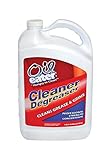
- Powerful Cleaning: Dissolves Grease, Oil And Dirt From Any Washable Surface
- Usda Approved: For Use At Food Service Facilities (A1, A4, A8)

Pros and Cons
| Pros | Cons |
|---|---|
| USDA-authorized for non-food area use | Not effective on mold or algae |
| Non-toxic, non-flammable, biodegradable | |
| Dilutes up to 1:20 ratio for most jobs | |
| Works on concrete, engines, tools, and upholstery |
Testing Results
For garage floor grease, driveway oil drips, and equipment residue on concrete, Oil Eater performs consistently. The dilution options let you scale the strength: use 1:1 for heavy fresh grease, 1:5 for older dried stains, and 1:10 or more for general maintenance.
Apply the diluted solution, agitate with a stiff brush, let it dwell 5 minutes, then rinse. Fresh spills respond in one pass. Old, set-in oil stains may need two rounds.
Real-World Usage
A gallon diluted at 1:10 makes 10 gallons of working solution. Used in car repair shops for a reason. Safe on sealed and unsealed concrete once diluted correctly. If you’ve got stubborn grease on a concrete floor, Oil Eater is the go-to before considering equipment rental.
Best Use Case
Garage floors, driveways, and any concrete surface with oil, grease, or automotive fluid staining. Also useful for cleaning tools and equipment before storing.
Verdict
Oil Eater is the degreaser to trust for concrete. The biodegradable formula, USDA authorization, and flexible dilution ratios give it real practical value. For grease and oil, nothing in this price range comes close.
Rating: 4.5/5
Best Budget: Krud Kutter Original Concentrated Cleaner
Krud Kutter is a budget favorite for a reason. It’s a water-based cleaner that handles grease, grime, crayon, and general staining on concrete without harsh fumes or a complicated application process.

- CUTS GREASE AND GRIME: Concentrated cleaner degreaser is designed to cut grease, oil, grime, tar and wax fast
- USE FULL STRENGTH: Apply full strength for heavy cleaning jobs, including tough dirt, oil and grease buildup
Pros and Cons
| Pros | Cons |
|---|---|
| Affordable and widely available | Less effective on heavy mold or thick oil stains |
| No added dyes or fragrances | May need scrubbing on older or set-in stains |
| Water-based and low-VOC | |
| Works on concrete, wood, fabric, and metals |
Testing Results
Krud Kutter handles everyday jobs well. Paint drips, light grease marks, general outdoor grime, and dirt buildup respond quickly. Spray on, wait a few minutes, scrub if needed, and rinse. For deeply embedded stains or heavy oil, it runs short. That’s where the specialized products on this list earn their keep.
Real-World Usage
Available at nearly every hardware store. The concentrated version stretches further but is harder to find locally than the ready-to-use bottle.
Best Use Case
Light-to-moderate staining on concrete patios, driveways, and walkways. A solid first choice when you’re not dealing with specialized stains like deep oil or heavy mold.
Verdict
Krud Kutter does what it says for everyday cleaning and costs less than most alternatives. Don’t expect contractor-grade results from a budget bottle, but for normal use it’s a practical and dependable pick.
Rating: 4.2/5
What Makes the Best Concrete Cleaner Without a Pressure Washer?
Cleaning Strength vs. Surface Safety
Concrete looks tough, but some cleaners can etch or discolor it over time. Acid-based cleaners are often too aggressive for regular use and strip sealers. The best options on this list are water-based and safe for repeated application. If your concrete is sealed or colored, always test on a small hidden section first, especially with bleach-based products like RMR-86.
Concentration and Value
A concentrated formula like Oil Eater or Sal Suds costs more per bottle but covers far more square footage. A ready-to-use bottle like Krud Kutter or Monty Miracle is more convenient but costs more per gallon of working solution. For large areas, concentration wins. For small spot treatments, ready-to-use is faster.
Stain Type Matters
No single concrete cleaner handles every stain equally well. Mold and mildew need a bleach-based or fast-acting stain remover like RMR-86. Grease and oil need an alkaline degreaser like Oil Eater. General grime and surface dirt respond to almost anything on this list. Matching the product to the problem saves time and effort.
Dwell Time and Application Method
All five cleaners on this list work better with some dwell time. Applying, waiting 5 to 15 minutes, and then rinsing produces better results than rushing. A stiff-bristle brush helps on textured concrete where grime sits in the surface grain. A garden hose is enough for rinsing. You don’t need a pressure washer if the cleaner is doing its job.
How to Clean Concrete Without a Pressure Washer
Step 1: Prep the Surface
Sweep loose debris and rinse with a garden hose. Pre-wetting opens the concrete pores and stops the cleaner from drying out too fast, especially in warm weather.
Step 2: Apply and Dwell
Apply the cleaner generously and let it sit. Most products need 5 to 15 minutes of contact time to work. Don’t rush this step. A pump sprayer or watering can speeds up coverage on larger areas.
Step 3: Scrub and Rinse
Use a stiff-bristle deck brush on large areas or a hand brush for spot work. Then rinse with your garden hose, working from high points toward a drain. For bleach-based cleaners like RMR-86, keep the rinse water away from garden beds.
Frequently Asked Questions
What is the best concrete cleaner without a pressure washer?
For general cleaning, Dr. Bronner’s Sal Suds is the most versatile pick. For mold and mildew, RMR-86 is the fastest-acting option. For grease and oil stains, Oil Eater is the strongest choice available without renting equipment.
Can you clean concrete without a pressure washer?
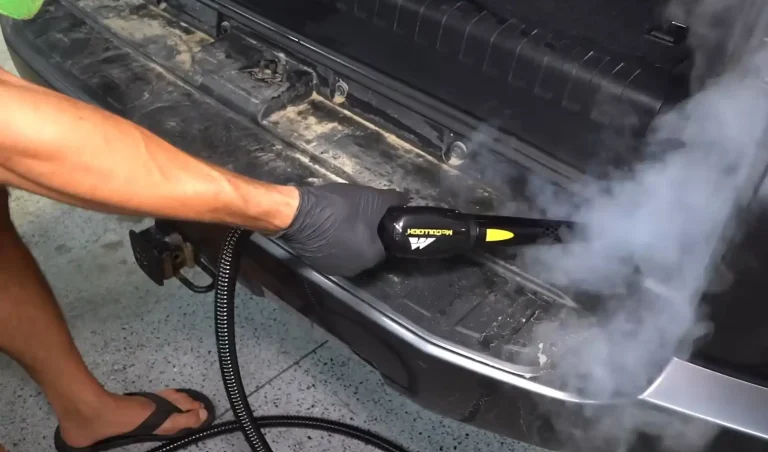
Yes. A garden hose, a stiff brush, and the right cleaner handles most concrete cleaning jobs effectively. The key is matching the product to the stain type and giving it enough dwell time before rinsing. For especially stubborn buildup, a steam cleaner for concrete can add cleaning power without chemicals.
Is bleach safe to use on concrete?
Diluted bleach works on mold and mildew stains on concrete, but it can discolor some surfaces and damages nearby plant life if not rinsed properly. A purpose-built product like RMR-86 is more controlled and typically more effective than straight bleach on concrete.
How do you remove oil stains from concrete without a pressure washer?
Apply a degreaser like Oil Eater full-strength or at a 1:1 dilution directly to the oil stain. Let it sit for 10 to 15 minutes. Scrub with a stiff brush, then rinse. Fresh spills respond in one application. Old dried stains may take two or three rounds.
Are concrete cleaners safe for plants?
Water-based, biodegradable options like Sal Suds and Oil Eater are generally safe for surrounding plants once diluted and rinsed. Bleach-based cleaners like RMR-86 are not plant-safe, so rinse runoff away from garden beds. Always check the product label for environmental guidance.