3 Easy DIY Floor Cleaners (Hardwood, Laminate, Vinyl Cleaner)
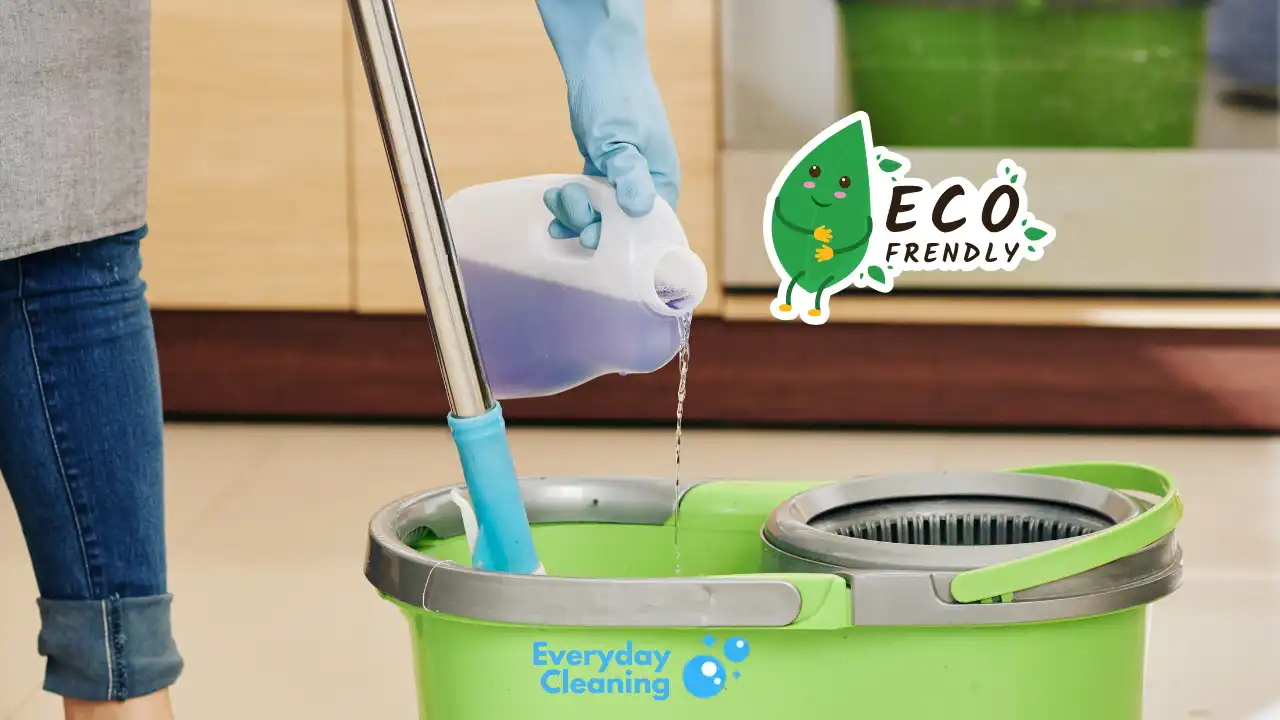
I’ve used these DIY floor cleaners in my own home for years. I only grab a heavy-duty commercial cleaner when I’m truly stuck.
A DIY floor cleaner costs pennies and takes two minutes to mix. It also skips the sticky film that many store-bought cleaners leave behind. Here are three simple recipes for hardwood, laminate, and vinyl, plus a mopping method that avoids streaks.
Easy DIY Floor Cleaner Recipes
| Floor type | Recipe |
|---|---|
| Hardwood | 2 cups water. 1/4 cup vinegar. 1/2 tsp dish soap. 5 to 10 drops essential oil. |
| Laminate | 1/2 cup water. 1/2 cup vinegar. 1/2 cup alcohol. 5 to 10 drops essential oil. |
| Luxury Vinyl | 2 cups water. 1/2 cup vinegar. 1/2 cup alcohol. 5 to 10 drops essential oil. |
| General Purpose | 1 1/2 cups water. 1/4 cup vinegar. 1/8 cup alcohol. 1/8 tsp dish soap. 5 to 10 drops essential oil. |
Use plain white vinegar and 70% rubbing alcohol (isopropyl). Mix every recipe in a clean spray bottle.
What You’ll Need
- Spray bottle (24 oz fits the biggest batch)
- White vinegar
- Rubbing alcohol (70% isopropyl)
- Mild dish soap
- Essential oil (lemon, lavender, or any scent you like)
- Flat microfiber mop with washable pads
- Dry microfiber cloth for buffing
Why Each Ingredient Is in the Mix
Water is the base. It carries everything else and keeps the cleaner gentle.
White vinegar is mildly acidic. It cuts light grime and sticky spots. That’s why the amount changes from floor to floor.
Rubbing alcohol cuts grease and evaporates fast. It’s the reason laminate and vinyl dry without streaks.
Dish soap lifts oily dirt, and a little goes a long way. Too much leaves a film.
Essential oil is for scent only. Oil and water don’t mix, so swirl the bottle before each use.
DIY Hardwood Floor Cleaner
Hardwood is the fussiest of the three. It hates standing water. This recipe skips the alcohol and uses a little dish soap to lift footprints and kitchen grime.
- 2 cups water
- 1/4 cup white vinegar
- 1/2 tsp dish soap
- 5 to 10 drops essential oil
Add the water first, then the vinegar, then the soap. Soap last keeps the foam down.
Drop in the oil, cap the bottle, and swirl gently. Hard shaking makes suds.
Use it on sealed, finished hardwood only. Skip it on waxed, oiled, or unfinished floors. Test a hidden spot first, like inside a closet.
Not sure if your floor is sealed? Put a few drops of water on it.
If they bead up, the finish is sealed. If they soak in, skip this recipe.
Mop with a barely damp pad, never a wet one. Our guide on how to mop hardwood floors without damaging them goes deeper on finishes and technique.
DIY Laminate Floor Cleaner
Laminate swells when water seeps into the seams. That’s why this recipe is mostly vinegar and alcohol. Alcohol evaporates fast, so the planks don’t sit wet.
- 1/2 cup water
- 1/2 cup white vinegar
- 1/2 cup rubbing alcohol
- 5 to 10 drops essential oil
This makes about 1 1/2 cups. Mix it right in the bottle and swirl. No dish soap here, since soap can leave a dull film on laminate.
Mist lightly and mop right away. Never leave puddles on the seams. If a spot still looks wet after a minute, wipe it dry.
Skip the steam mop too. Heat and moisture are hard on laminate seams, and our post on using a steam mop on laminate floors covers the details.
DIY Luxury Vinyl Floor Cleaner
Luxury vinyl plank (LVP) and tile handle water better than wood or laminate. So this batch is bigger and more diluted. It’s also soap-free, because vinyl shows residue and streaks easily.
- 2 cups water
- 1/2 cup white vinegar
- 1/2 cup rubbing alcohol
- 5 to 10 drops essential oil
This makes about 3 cups, enough for a whole room. It’s the same quick-drying formula as the laminate recipe, just stretched with more water.
If you spot haze after mopping, buff it with a dry microfiber cloth. Check your manufacturer’s care guide too, since a few vinyl products have their own rules.
Grit dulls vinyl over time, so vacuum often. We ranked the best vacuum for luxury vinyl plank floors if yours is due for an upgrade.
Want a full routine? Our complete vinyl floor cleaning guide covers daily, weekly, and deep cleaning.
Bonus: General Purpose Floor Cleaner
Need one mix for sealed ceramic or porcelain tile? Use this one.
- 1 1/2 cups water
- 1/4 cup white vinegar
- 1/8 cup (2 tbsp) rubbing alcohol
- 1/8 tsp dish soap
- 5 to 10 drops essential oil
That soap amount is just a few drops. More than that leaves a film. Never use this on natural stone like marble or granite, because vinegar can etch the surface.
How to Use Your DIY Floor Cleaner
The method is the same for every recipe.
- Sweep or vacuum first. Wet grit turns to mud and scratches the finish. For wood, see how to vacuum hardwood floors properly.
- Mix and label the bottle. Write the recipe name on it so nobody grabs the wrong one.
- Work by sections. Pick a patch about 4 by 4 feet. Small sections mean the floor never sits wet.
- Spray lightly. Mist the floor. Don’t soak it.
- Mop in a W pattern. Slide a damp microfiber mop in a big W and overlap each pass. It covers more floor and doesn’t push dirt into lines. For more technique tips, read how to mop a floor the right way.
- Don’t lock yourself in the corner. Start at the far corner and work back toward the door. Otherwise you’ll be stuck waiting for the floor to dry.
- Wipe up damp spots. Buff with a dry cloth, then wash the mop pads.
Tips for Streak-Free Floors
- Use microfiber pads. They grab dirt better than string mops and hold less water.
- Mop in the direction the planks run. Streaks show less that way.
- Open a window or run a fan. Faster drying means fewer marks.
- Wash pads after every use, without fabric softener. Softener leaves a coating that smears on the next pass.
Common Mistakes to Avoid
- Using too much liquid. Wood and laminate hate water. Mist, mop, and move on.
- Skipping the sweep. Mopping over grit just spreads it around.
- Using dirty mop pads. A gritty pad drags dirt across the floor. Swap in a clean one when it looks grimy.
- Doubling the vinegar. More won’t clean better. It can dull some finishes.
- Swapping recipes. Each mix is balanced for its floor type. Stick with the one that matches.
- Walking on it too soon. Give the floor a few minutes. Shoes track dirt right back in.
Safety Notes
Homemade does not mean harmless. A few ground rules:
- Never mix vinegar with bleach or hydrogen peroxide. Both combinations create harmful fumes or acids.
- Rubbing alcohol is flammable. Keep it away from flames and open a window.
- Skip the essential oil if you have cats or birds. Many oils are harmful to pets.
- Store bottles out of reach of kids and pets.
- Always test a hidden spot before you clean the whole floor.
Want more ways to use it? Our DIY vinegar cleaning guide covers every room in the house.
Frequently Asked Questions
Is vinegar safe on hardwood floors?
Diluted vinegar is fine on sealed hardwood when you use it sparingly. Check your flooring maker’s care guide first, since some warranties restrict acidic cleaners. When in doubt, test a hidden spot.
Why is there so much alcohol in the laminate and vinyl recipes?
Alcohol dries fast. That means less moisture on the planks and fewer streaks. It also helps cut through light grease and fingerprints.
Can I use a steam mop instead?
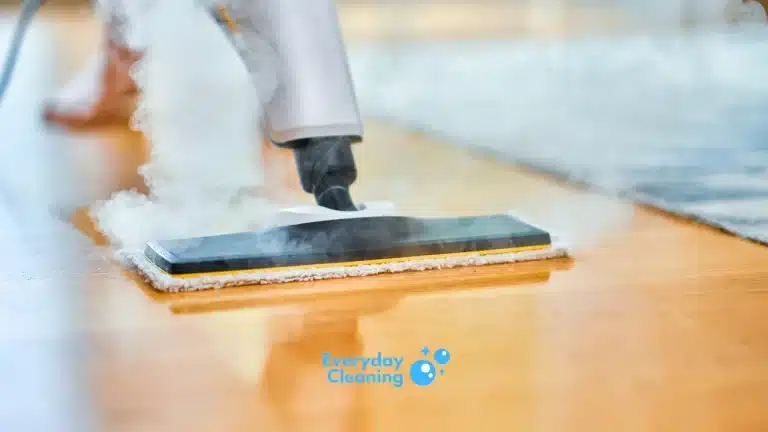
Steam adds heat and moisture, which is risky on wood and laminate. Vinyl is more forgiving, but check your manufacturer’s guidance. Our honest answer on steam mops for hardwood floors explains the trade-offs.
Do I need to rinse after mopping?
No. These recipes are light and designed for no rinse. If you see haze on a soap recipe, go over it with a pad dampened with plain water.
Can I use these on engineered hardwood?
Engineered wood has a real wood top layer, so treat it like hardwood. Use the hardwood recipe and keep the pad barely damp. Check the manufacturer’s care guide first.
Can I skip the essential oil?
Yes. It only adds scent. The vinegar smell fades as the floor dries.
How long does the mix last?
Fresh is best. A labeled bottle keeps for a few weeks if you store it away from heat and sunlight. Smaller batches are easier than guessing later.