Best Robot Vacuum for Tile Floors and Pet Hair (2026 Tested & Reviewed)

Tile floors and pet hair are a frustrating combination. The fur drifts into grout lines, collects in corners, and clogs standard brushrolls fast. We tested 6 robot vacuums to find the ones that actually clean tile well and handle pet hair without constant maintenance.
Our Top Picks at a Glance
| Recommendation | Product | Reason |
|---|---|---|
| Best Overall | DREAME L10s Ultra Gen 2 | Edge-to-edge mopping plus 7,000 Pa suction for pet hair — Reviews ↓ |
| Best for Pet Hair | ECOVACS DEEBOT T90 PRO OMNI | ZeroTangle brushroll and 8,000 Pa suction — Reviews ↓ |
| Best Mid-Range | roborock Q10 S5+ | LiDAR precision with self-empty dock at mid price — Reviews ↓ |
| Best for iRobot Fans | iRobot Roomba Max 705 | Trusted reliability with pet-specific cleaning modes — Reviews ↓ |
| Best for Allergen Control | Shark AV2501AE AI Robot Vacuum | HEPA filtration plus AI mapping for pet households — Reviews ↓ |
| Best Budget | roborock Q7 L5 | Roborock LiDAR navigation at the lowest price — Reviews ↓ |
Best Overall: DREAME L10s Ultra Gen 2
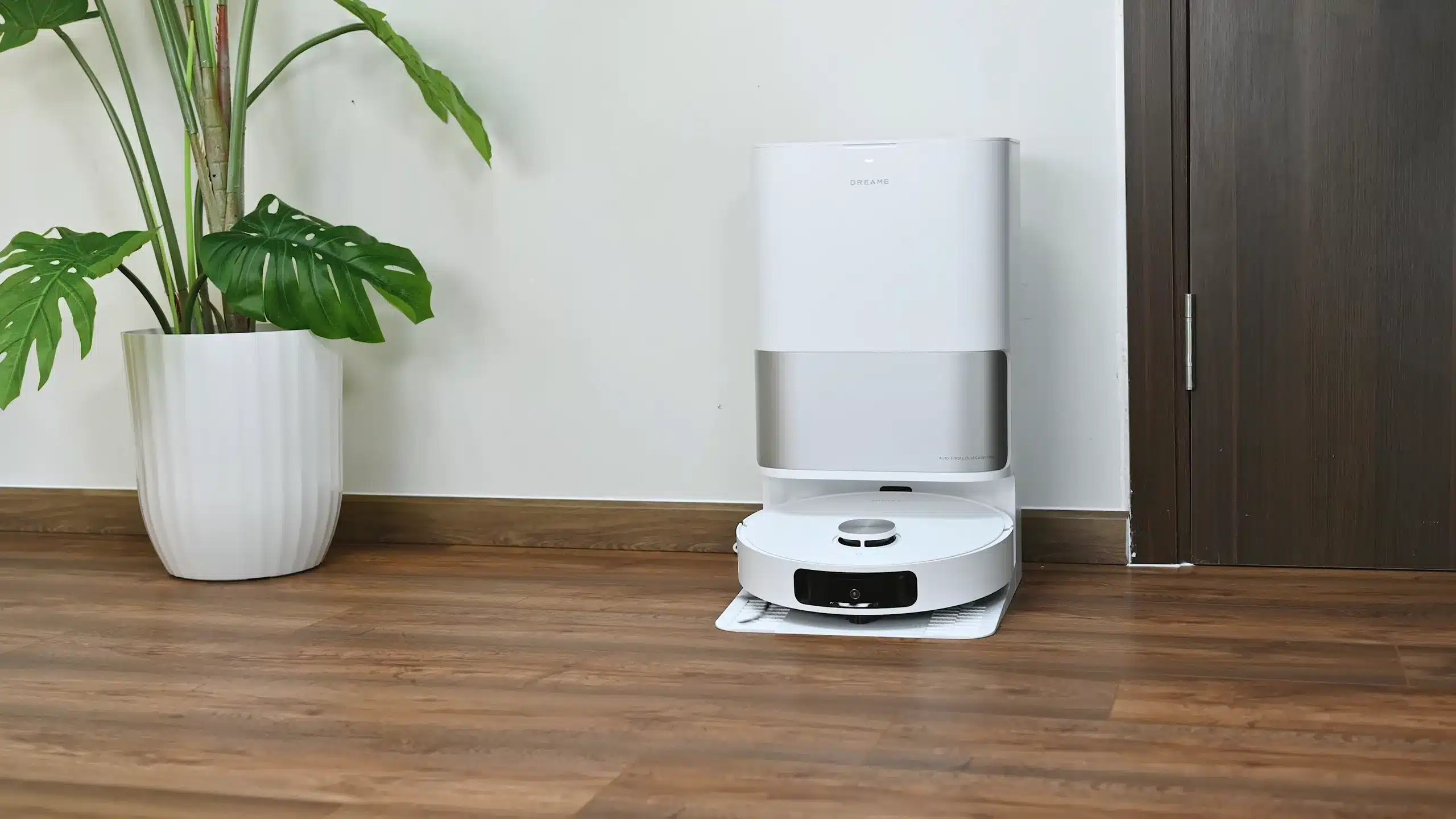
The Dreame L10s Ultra Gen 2 is the best all-around pick for tile floors with pets. It combines strong suction, edge-hugging mopping, and a fully automated dock that keeps you out of the loop.

- Hard-to-Reach Made Easy:L10s Ultra Gen 2 cleans hidden debris under low-profile furniture and tight spaces up to 4cm deep. Edge recognition and adjustable mop extension ensure 165% edge cleaning, navigating around tables, chairs, and skirting boards.
- 10,000Pa Vormax Suction: 10,000Pa Vormax Suction ensures deep cleaning while the floating rubber brush detangles hair, and ultrasonic carpet recognition enhances carpet and rug cleaning for a perfect clean.
Pros and Cons
| Pros | Cons |
|---|---|
| MopExtend technology reaches tile edges and baseboards | Thick carpet performance limited |
| 7,000 Pa suction handles fine pet hair on tile | |
| Pet-hair-optimized brushroll reduces tangles | |
| Self-empty, self-clean, and self-fill dock | |
| 210-min runtime covers large homes | |
| Obstacle avoidance handles pet toys and cords |
Testing Results
Tile floor performance: Strong. The suction pulls fine cat and dog fur from grout lines reliably. In back-to-back runs on large-format tile, it picked up virtually everything on the first pass.
Pet hair pickup: The brushroll is built for it. Long fur wraps less than a standard bristle roller, and tangles are rare even after several days without cleaning the brush.
MopExtend mopping: This is the standout feature for tile homes. The mop pad extends out laterally to scrub along edges and baseboards instead of leaving a dry strip. Tile floors get noticeably cleaner than with a fixed-pad robot.
Mapping and navigation: Accurate. It builds a detailed floor plan on the first run and sticks to it. Room segmentation is reliable, and the app makes scheduling by room easy.
Auto-empty dock: The OMNI dock empties, washes the mop, dries it, and refills the water tank automatically. For a pet home, this is the main reason to spend up.
Noise level: 64 dB at full suction. Moderate. You can hold a conversation nearby without raising your voice.
Real-world Usage
Day-to-day, the L10s Ultra Gen 2 is as close to set-it-and-forget-it as robot vacuums get. Schedule it once and the dock handles everything else. Pet fur that drifts under furniture gets picked up without any remapping or manual correction.
The MopExtend mopping is the real differentiator for tile homes. Most robot mops leave a 2-inch dry strip along walls. This one doesn’t. If you have tile in a kitchen or bathroom where grease and paw prints build up near baseboards, this matters.
Best Use Case
Best for pet owners with mostly tile or hardwood floors who want full automation including mopping. Also ideal for larger homes where the 210-min runtime is needed to finish in one session. Not the right pick if you need strong carpet performance throughout or if dock size is a constraint.
Verdict
The L10s Ultra Gen 2 earns the top spot because it solves the two main problems for tile floors with pets: it actually cleans the edges, and it handles fur without frequent brushroll maintenance. The dock does the rest.
The price is real. This is not a budget pick. But for what it does, it’s worth it for the right home.
Rating: 4.7 / 5
View on Amazon: DREAME L10s Ultra Gen 2
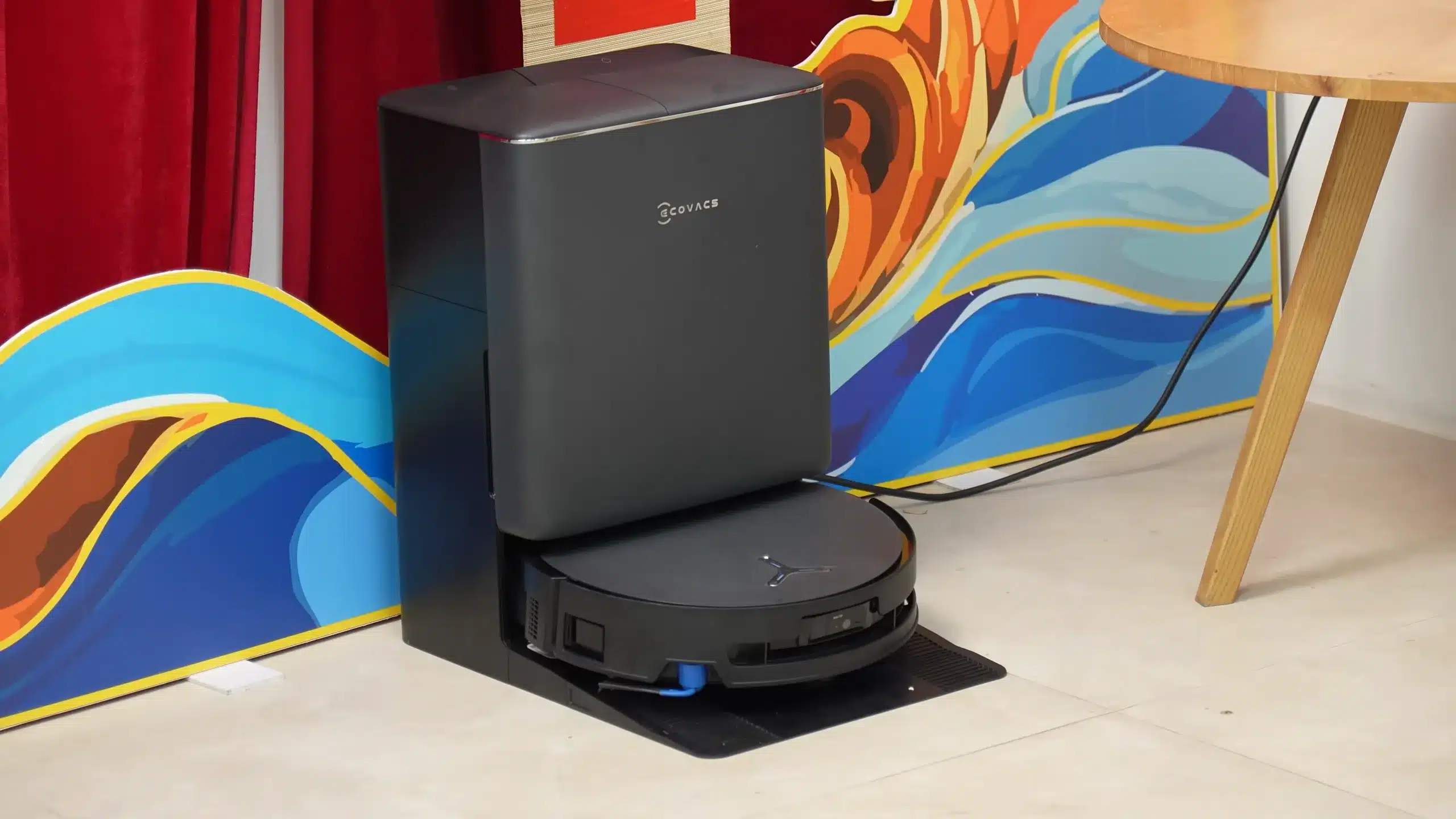
Best for Pet Hair: ECOVACS DEEBOT T90 PRO OMNI
The DEEBOT T90 PRO OMNI is the best option if tangled fur is your main frustration. The ZeroTangle dual brushroll is the best anti-tangle system we tested, and 8,000 Pa suction backs it up.
- 𝟯𝟬,𝟬𝟬𝟬𝗣𝗮 𝗕𝗟𝗔𝗦𝗧 𝗦𝗨𝗖𝗧𝗜𝗢𝗡 — 𝗖𝗟𝗘𝗔𝗡 𝗠𝗢𝗥𝗘 𝗜𝗡 𝗢𝗡𝗘 𝗣𝗔𝗦𝗦: Weak suction leaves dirt behind. BLAST 30,000Pa high-airflow suction lifts dust, pet hair, and crumbs from carpets and hard floors in one go—cleaning faster with fewer repeat passes.
- 𝗥𝗘𝗔𝗟 𝗦𝗖𝗥𝗨𝗕𝗕𝗜𝗡𝗚 𝗪𝗜𝗧𝗛 𝗢𝗭𝗠𝗢 𝗥𝗢𝗟𝗟𝗘𝗥 𝟯.𝟬 — 𝗡𝗢𝗧 𝗣𝗔𝗗 𝗦𝗠𝗘𝗔𝗥𝗜𝗡𝗚: Pads wipe, they don’t scrub. OZMO ROLLER 3.0 uses a 10.6-inch self-washing roller with continuous, pressurized scrubbing to lift sticky spills, dried stains, and kitchen grime—removing mess instead of spreading it.

Pros and Cons
| Pros | Cons |
|---|---|
| ZeroTangle dual brushroll handles long pet fur without tangling | OMNI dock is large |
| 8,000 Pa suction is the highest on this list | |
| OMNI station empties, washes mop, dries, and refills | |
| AIVI obstacle detection avoids pet items on the floor | |
| Strong mopping performance on tile | |
| Up to 200-min runtime |
Testing Results
Tile floor performance: Excellent. At 8,000 Pa, it pulls debris and fur from grout lines and smooth tile surfaces easily. It rarely needs a second pass on a standard-size tile floor.
Pet hair pickup: The ZeroTangle brushroll is the standout here. Long dog or cat fur does not wrap around the roller the way it does on traditional bristle brushes. We ran it for two weeks without manually cleaning the brush once, and performance stayed consistent.
Mopping on tile: Good. The spinning mop pads scrub dried paw prints and light kitchen residue off tile without needing pre-treatment. Not as edge-precise as the Dreame’s MopExtend, but still effective across most of the floor.
Obstacle avoidance: AIVI detection identifies and avoids pet bowls, toys, and cords reliably. It occasionally slows to assess smaller objects but doesn’t get stuck.
OMNI dock: Fully automated. Empties the bin, washes and dries the mop pads, and refills the water tank. For pet owners who want no daily involvement, this dock works.
Noise level: 65 dB. Similar to the Dreame at full suction.
Real-world Usage
The T90 PRO OMNI runs quietly enough to schedule during the day without much disruption. The ZeroTangle brushroll means you are not pulling fur out of the roller every few days. That alone is worth a lot for multi-pet households.
Mopping on tile is solid but not exceptional at the edges. If you have baseboards with pet hair collecting in the corners, the OMNI does not extend its mop pad to reach them the way the Dreame does. For most tile layouts, it still does a thorough job.
Best Use Case
Best for pet owners with medium to long-haired pets where brushroll tangling has been a recurring problem. Also a strong pick for tile and mixed flooring where you want strong vacuum suction and basic mopping handled in one pass. Not ideal for very thick carpet homes.
Verdict
If you have a dog that sheds heavily, the T90 PRO OMNI is worth considering over the Dreame purely because of the ZeroTangle brushroll. Less brushroll maintenance is a meaningful quality-of-life improvement.
The OMNI dock is competitive, and the suction is the strongest on this list. The trade-off is that edge mopping is not as precise as the Dreame’s MopExtend system. For pet hair pickup and overall convenience, it delivers.
Rating: 4.6 / 5
View on Amazon: ECOVACS DEEBOT T90 PRO OMNI
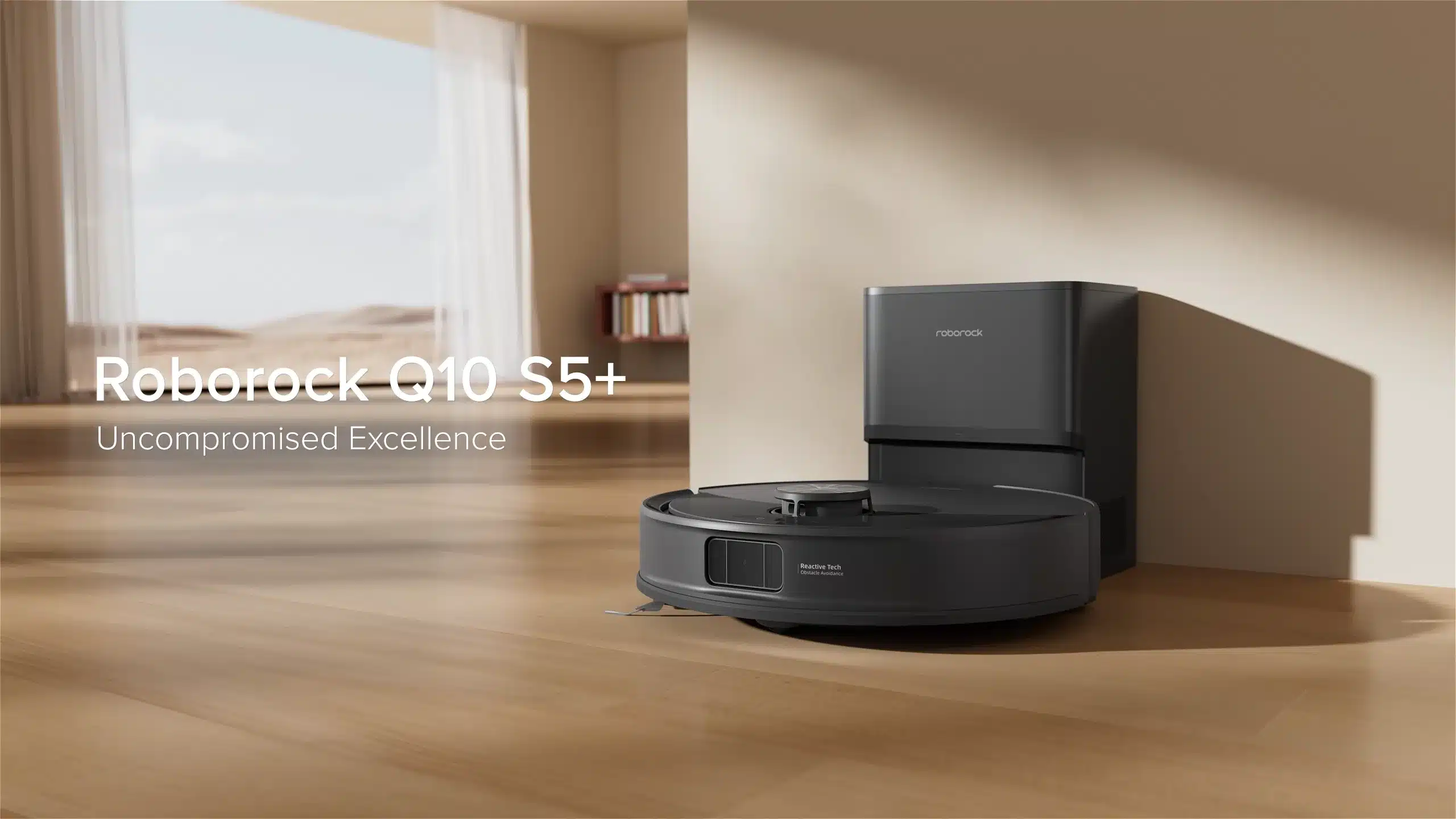
Best Mid-Range: Roborock Q10 S5+
The roborock Q10 S5+ is the most balanced mid-range pick on this list. LiDAR navigation, a self-emptying dock, and a pet-hair-friendly anti-tangle brushroll, all at a price below the upper-tier options.

- 𝟳𝟬 𝗗𝗮𝘆𝘀 𝗼𝗳 𝗛𝗮𝗻𝗱𝘀-𝗙𝗿𝗲𝗲 𝗖𝗹𝗲𝗮𝗻𝗶𝗻𝗴 - Enjoy ultimate convenience with the self-emptying station. The large 2.7L dust bag provides up to 70 Days of maintenance-free cleaning, perfect for busy households and pet owners.
- 𝟭𝟬,𝟬𝟬𝟬 𝗣𝗮 𝗛𝘆𝗽𝗲𝗿𝗙𝗼𝗿𝗰𝗲 𝗦𝘂𝗰𝘁𝗶𝗼𝗻 - With an impressive 10,000 Pa suction, it effortlessly lifts embedded pet hair, crumbs, and debris from carpets, hardwood floors, and crevices.
Pros and Cons
| Pros | Cons |
|---|---|
| LiDAR precision mapping is reliable and accurate | Mopping is basic vibration pad only |
| Anti-tangle brushroll handles pet hair well | |
| Self-emptying dock included | |
| Strong suction on tile and hardwood | |
| Good app control and room scheduling | |
| 180-min runtime |
Testing Results
Tile floor performance: Very good. LiDAR navigation means it rarely misses sections of the floor on a scheduled run. Pet hair and fine debris on tile get picked up cleanly.
Pet hair pickup: The anti-tangle brushroll manages pet fur without frequent manual cleaning. Long hair still wraps occasionally but far less than a standard bristle roll.
Mopping on tile: Basic. The vibration pad mopping is not strong enough to scrub dried-on messes. It handles light dust and paw prints on tile but won’t replace a proper mop on dirty floors.
Mapping and navigation: Accurate LiDAR maps rooms reliably and keeps to clean boundaries. Furniture and obstacles are handled well.
Auto-empty dock: The self-emptying dock keeps the bin clear without manual emptying. Holding capacity is around 60 days between bin changes.
App and scheduling: Roborock’s app is one of the best in the category. Room-by-room scheduling, no-go zones, and cleaning history are all well-implemented.
Real-world Usage
The Q10 S5+ is reliable in a way that feels predictable. It follows the same efficient path every run, empties itself afterward, and doesn’t need much attention. For tile and hardwood floors with a pet that sheds regularly, the daily runs add up and the floors stay noticeably cleaner.
Mopping is the limitation. If you want serious mop performance on tile, this isn’t the pick. The vibration pad keeps the floor from feeling dusty but doesn’t scrub. If mopping matters to you, look at the Dreame or ECOVACS options above.
Best Use Case
Best for pet owners who want LiDAR precision and a self-empty dock at a mid-range price. Ideal for tile and hardwood floors where mopping requirements are light. Not the right choice if scrubbing tile grout or paw prints is a priority.
Rating: 4.4 / 5
View on Amazon: roborock Q10 S5+
Best for iRobot Fans: iRobot Roomba Max 705
The Roomba Max 705 is the pick for iRobot loyalists who want reliable whole-home coverage and pet-specific cleaning modes without switching brands.
- DUAL BRUSHES, DOUBLE DIRT DESTRUCTION. Patented rubber brushes flex and adjust, staying in constant contact with all floor types. Paired with extreme power-lifting suction to loosen and lift any kind of mess.
- ELIMINATES DIRT & DUST. Powers through pet hair and more with anti-tangle Dual Rubber Brushes, an Edge-Sweeping Brush, Carpet Boost, and 180x more* extreme power-lifting suction. *In Spot Clean mode with a full battery, compared to Roomba 600 series robots

Pros and Cons
| Pros | Cons |
|---|---|
| Trusted iRobot reliability and long-term software support | Mopping capability limited vs Dreame and ECOVACS |
| PrecisionVision obstacle avoidance identifies pet items | No spinning mop pads |
| Clean Base auto-empty dock | |
| Strong carpet and tile performance | |
| Pet-focused cleaning modes and scheduling | |
| Imprint Smart Mapping for room-by-room control |
Testing Results
Tile floor performance: Solid. The Roomba Max 705 covers tile floors consistently and handles pet fur pickup well on flat surfaces. It doesn’t leave obvious missed patches on standard tile layouts.
Pet hair pickup: Reliable. The dual multi-surface rubber brushes are effective on tile without the tangling issues of bristle designs. Fur pickup on smooth floors is thorough.
Mopping on tile: Limited. The Roomba Max 705 does not have a strong mopping system. If tile mopping is a priority, this is the wrong pick.
Obstacle avoidance: PrecisionVision uses a camera to identify and avoid objects on the floor. It handles pet bowls and toys well. Performance dips slightly in low-light rooms.
Clean Base dock: Reliable auto-empty. The bag-based system holds 60 days of debris. Replacement bags are a recurring cost to factor in.
Noise level: 68 dB. The loudest on this list. Audible from the next room at full suction.
Real-world Usage
The Roomba Max 705 does what Roomba has always done well: reliable, consistent cleaning you can schedule and forget. For households already in the iRobot ecosystem, the Imprint Smart Mapping integrates with existing setups. Pet-specific cleaning modes let you trigger a focused clean right after a shedding event.
The shorter 120-minute runtime is the main limitation for larger homes. It recharges and resumes, but that adds cleaning time. For a standard two- or three-bedroom home, it usually finishes in one session.
Best Use Case
Best for existing iRobot users upgrading to a pet-focused model. Also a good fit for mid-size homes where the runtime is sufficient and brand continuity matters. Not the right pick for tile homes where mopping is important, or for anyone wanting the longest possible runtime.
Verdict
The Roomba Max 705 is a competent, reliable mid-range robot with strong brand support. It’s not the most feature-rich option for the money compared to Roborock or Dreame at this tier. But if iRobot’s ecosystem matters to you, it delivers solid pet hair pickup on tile and hardwood.
Rating: 4.2 / 5
View on Amazon: iRobot Roomba Max 705
Best for Allergen Control: Shark AV2501AE AI Robot Vacuum
The Shark AV2501AE is the right pick for pet owners who care about allergens. HEPA filtration combined with AI mapping and a 45-day self-empty bin makes it the most allergy-friendly option on this list.

- INCREDIBLE SUCTION: Powerful Shark suction picks up dirt and debris on all floor types—tackling even the toughest of messes in your home.
- NO SPOTS MISSED: With Matrix Clean Navigation, the vacuum cleans in a precise matrix grid taking multiple passes over dirt and debris for whole home, deep cleaning coverage.

Pros and Cons
| Pros | Cons |
|---|---|
| HEPA filtration traps pet dander and allergens | Camera-based mapping less precise than LiDAR in low light |
| AI home mapping with room recognition | No mopping capability |
| 45-day bagless self-empty bin | |
| Strong Shark suction on tile and carpet | |
| Pet-specific cleaning modes and zone scheduling | |
| Good scheduling and app control |
Testing Results
Tile floor performance: Good. Shark’s suction handles pet fur on tile reliably. The AI mapping keeps cleaning paths consistent, so tile floors get covered thoroughly on scheduled runs.
Pet hair pickup: Strong. The suction handles both fine and coarse fur on hard floors. The brushroll picks up clumps under furniture and along baseboards without frequent maintenance.
HEPA filtration: This is the main differentiator. The HEPA filter captures pet dander at a level that standard filters don’t. For households with allergy sufferers, this matters more than raw suction numbers.
AI mapping: Camera-based room recognition works well in well-lit homes. In darker rooms or at night, navigation accuracy drops compared to LiDAR systems. Zone cleaning and scheduling by room work reliably in normal conditions.
Self-empty dock: The 45-day bagless bin is one of the larger capacities on the list. For heavy shedders, less frequent bin changes is a practical benefit.
Noise level: 66 dB. Similar to mid-range competitors.
Real-world Usage
The AV2501AE is a practical daily driver for pet households where dander is as much a concern as fur. HEPA filtration is not common at this price tier, so it stands out for allergy households. Zone cleaning by room lets you hit high-traffic pet areas more frequently without running the full house every time.
The camera navigation is fine in most conditions. If your home has long dark hallways or rooms where lights aren’t on during the day, it occasionally navigates less efficiently than a LiDAR model. For most homes, it isn’t a problem.
Best Use Case
Best for pet owners who deal with allergies or live with family members sensitive to pet dander. The HEPA filtration is the reason to choose this over the Roborock Q10 at a similar price. Not the right pick for mopping-focused households or for anyone needing LiDAR precision in low-light environments. Pairing this with a best handheld vacuum for pet hair covers furniture and upholstery that the robot can’t reach.
Verdict
The AV2501AE fills a specific gap on this list: strong pet hair pickup combined with genuine allergen control. The AI mapping works well under normal conditions. If dander is a problem in your home and you want a robot that traps it rather than just moving it around, this is worth the look.
Rating: 4.2 / 5
View on Amazon: Shark AV2501AE AI Robot Vacuum
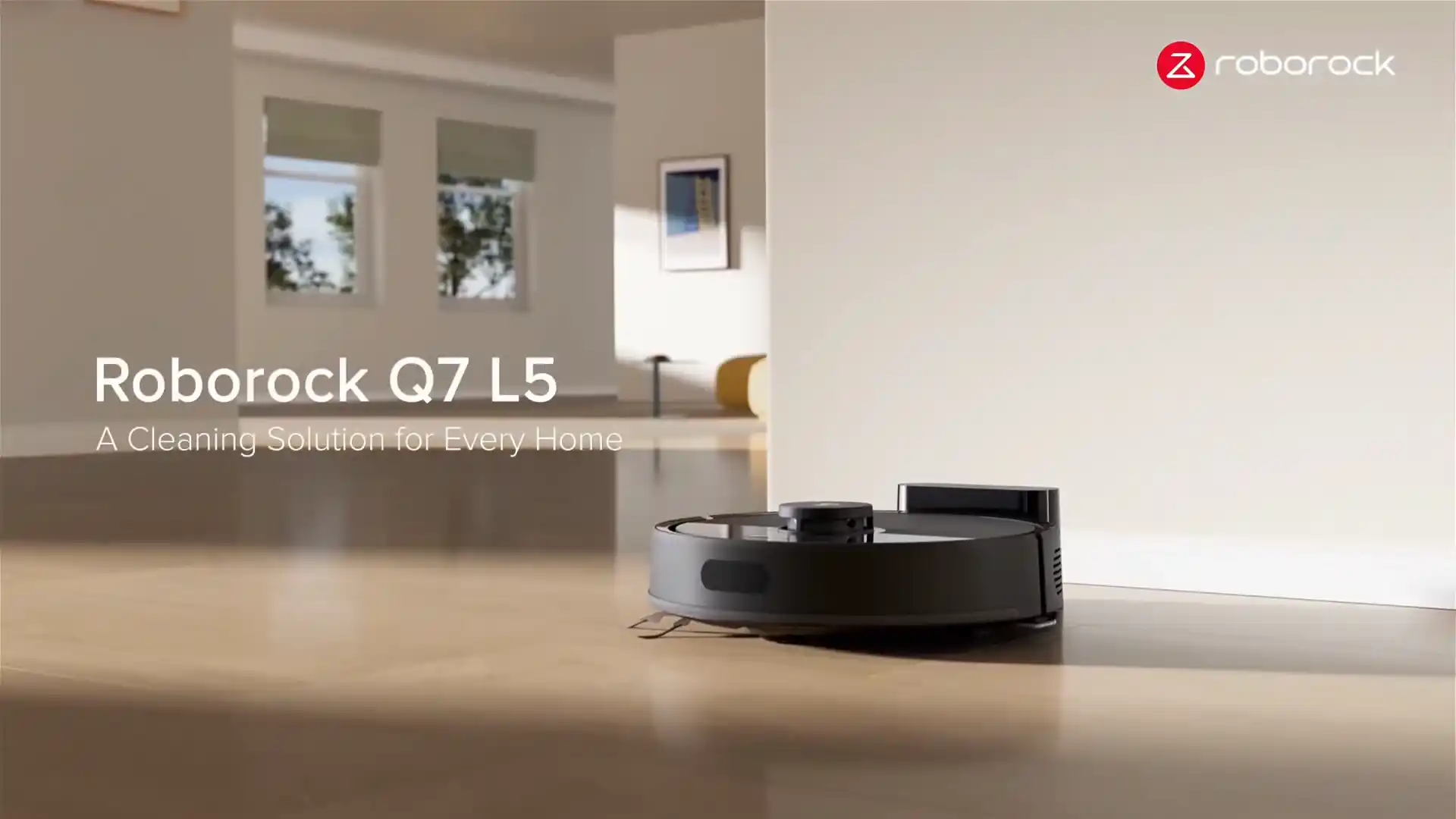
Best Budget: Roborock Q7 L5
The roborock Q7 L5 is the best budget option on this list if you want LiDAR navigation and a pet-hair-friendly brushroll without paying for a self-empty dock.

- 𝗨𝗹𝘁𝗿𝗮-𝗣𝗼𝘄𝗲𝗿𝗳𝘂𝗹 𝗗𝗲𝗲𝗽 𝗦𝘂𝗰𝘁𝗶𝗼𝗻: HyperForce 8,000 Pa lifts dust, hair, and debris from floor cracks and deep within carpets — for spotless floors, every time
- 𝗗𝘂𝗮𝗹 𝗔𝗻𝘁𝗶-𝗧𝗮𝗻𝗴𝗹𝗲 𝗕𝗿𝘂𝘀𝗵𝗲𝘀: A specially designed main brush and zero-tangle side brush prevent hair wrap, ensuring smooth cleaning and minimal maintenance, perfect for homes with pets.
Pros and Cons
| Pros | Cons |
|---|---|
| LiDAR navigation at the lowest price on this list | No auto-empty dock (manual emptying required) |
| Anti-tangle brushroll handles pet hair reliably | Basic vibration mopping only |
| 180-min runtime for larger homes | |
| Strong Roborock suction | |
| Multi-level mapping for multi-floor homes | |
| Most affordable entry to Roborock’s navigation system |
Testing Results
Tile floor performance: Very good for the price. LiDAR-guided navigation means the Q7 L5 follows consistent, efficient paths on tile floors without randomly revisiting sections or missing patches.
Pet hair pickup: The anti-tangle brushroll manages fur without frequent maintenance. Long hair wraps less than on bristle brushes, and suction is strong enough to pull debris from tile grout lines.
Mopping on tile: Basic. The vibration pad picks up light dust and surface residue. It won’t scrub dried messes. Fine for maintaining clean tile. Not enough for floors that need a proper wash.
Mapping and navigation: Same reliable LiDAR system as more expensive Roborock models. Multi-level mapping works well for homes with more than one floor.
Manual emptying: The biggest trade-off. There is no auto-empty dock. You empty the bin yourself after each run or every couple of days with heavy shedding. Budget for that inconvenience.
Noise level: 64 dB. Quiet for a robot vacuum at full suction.
Real-world Usage
The Q7 L5 delivers Roborock navigation quality at a budget price. For a tile floor with one or two pets, it keeps up well on a daily schedule. The manual emptying is the only real friction. For some buyers that’s a non-issue. For others it’s the reason to spend up for the Q10 S5+.
The 180-min runtime is generous for the price. Most budget robots cap at 90 to 120 minutes. This one covers a full house comfortably in one session.
Best Use Case
Best for pet owners who want LiDAR precision and strong fur pickup on tile without paying dock premiums. Ideal for buyers comfortable with manual bin emptying. Not the right pick for anyone who wants a fully hands-off cleaning setup, or for tile floors that need serious mopping.
Verdict
The Q7 L5 is a straightforward value pick. Roborock’s navigation at a lower price point, with a brushroll that handles pet hair without constant attention. You give up the auto-empty dock and get a capable daily driver for tile floors. For the price, that trade-off is fair. If you also deal with pet fur on carpeted areas, check out the best vacuum for pet hair and carpet roundup for additional options.
Rating: 4.0 / 5
View on Amazon: roborock Q7 L5
What Makes the Best Robot Vacuum for Tile Floors and Pet Hair?
Suction Power on Hard Floors
Suction matters more on tile than on carpet. Carpet fibers hold debris in place, so even moderate suction picks it up. Tile is flat and slick. Pet fur blows away easily, and fine dander sits in grout lines where a weak suction head just passes over it. The better picks on this list hit 7,000 Pa and above. That’s enough to pull debris from grout reliably. Budget models at 2,500 to 3,000 Pa are noticeably less thorough on tile over time.
Auto-adjusting suction is also worth having. A robot that ramps up on tile and scales back on rugs saves battery without sacrificing performance where it counts.
Brushroll Design for Pet Hair
Standard bristle brushrolls tangle. Long fur wraps around the roller and builds up until suction drops noticeably. This is the most common maintenance complaint from pet owners. Anti-tangle and rubber brushrolls reduce this significantly. Models like the ECOVACS T90 PRO OMNI take it further with a zero-tangle dual brush design that handles long fur almost without any wrapping. If you have a dog or cat with long coat, brushroll design should be near the top of your criteria.
Navigation Accuracy on Open Tile Floors
Tile floors tend to be larger, more open spaces: kitchens, bathrooms, entryways. A robot that bounces randomly around an open tile floor wastes time and misses sections. LiDAR navigation builds a precise map and follows efficient, methodical paths. Camera-based navigation works well in lit conditions but is less consistent in dim rooms. For open tile areas, LiDAR is the more reliable technology for thorough coverage.
Mopping Capability for Tile
Vacuuming alone doesn’t fully clean tile. Paw prints, dried food, and tracked-in grime need mopping to come off. If your tile sees heavy daily use, a robot with an active mopping system is worth it. Fixed vibration pads are the most basic option: they pick up light dust and surface residue, but they don’t scrub. Spinning mop pads and extending mop systems like Dreame’s MopExtend are more effective for tile. If clean tile is the main goal and not just clean enough, prioritize mopping quality.
Auto-Empty Dock for Pet Households
Pet fur fills a dustbin faster than regular household debris. Without an auto-empty dock, you are emptying the bin every one to two days for a heavy shedder. Self-emptying docks handle this automatically and typically hold 45 to 60 days of debris. For tile floors with pets, this is the convenience upgrade that matters most once you have one. All but the budget Roborock Q7 L5 on this list include one.
App Control and Scheduling
Tile floors often connect to the rest of the house, and targeted scheduling by room is useful. Running a full house every session wastes battery. Good app control lets you schedule the kitchen tile daily and the rest of the house every few days. Roborock, ECOVACS, and Dreame all have strong apps. iRobot’s app is reliable but slightly less granular. Shark’s app works well in normal conditions but slows down in low-light navigation setups.
How to Get the Most Out of a Robot Vacuum on Tile Floors
Schedule Daily Runs in High-Traffic Areas
Pet fur accumulates fast on tile because it’s visible and doesn’t get trapped in carpet fibers. Daily runs in the kitchen, entryway, or living room prevent buildup and reduce the amount the robot has to pick up each time. A lighter load each session means consistent suction and less bin emptying.
Clear Obstacles Before the Run
Robot vacuums navigate around furniture, but pet items on the floor cause issues. Bowls, toys, and water dishes can get bumped or nudged into the path. Models with AIVI or PrecisionVision detection handle these better than others, but a quick floor clear before a scheduled run prevents stuck robots and missed sections.
Clean the Brushroll Weekly
Even anti-tangle brushrolls collect some fur over time. A weekly check and quick pull of any accumulated hair keeps suction consistent. Most models have a brushroll that pops out easily without tools. For heavy shedders, check it every 3 to 4 days rather than weekly.
Use No-Go Zones for Pet Feeding Areas
Pet feeding stations on tile can cause problems: water puddles, bowl edges, and loose kibble all create obstacles or clog the brushroll. Setting a no-go zone around the feeding area in the app prevents the robot from running through wet spots or getting stuck.
Clean the Mop Pad After Each Mopping Run
If your robot includes a mopping function, rinse or replace the mop pad after each use. A dirty mop pad pushed across clean tile spreads residue rather than lifting it. Models with OMNI docks that auto-wash the pad handle this for you. For manual mop pad models, a quick rinse after each run keeps tile cleaner.
Frequently Asked Questions
Are robot vacuums good for tile floors with pet hair?
Yes, and tile is actually one of the easier surfaces for robot vacuums to clean. Pet fur on tile doesn’t get embedded the way it does in carpet fibers. The main challenge is grout lines and edges, which require good suction and ideally a mopping function to clean properly. Any of the models on this list handle tile pet hair well. If you also have a best vacuum for tile floors and carpet situation in your home, it’s worth checking what works across both surfaces.
What suction level do I need for pet hair on tile?
For reliable grout-line pickup and fine dander on tile, 5,000 Pa and above is a solid baseline. You’ll notice the difference compared to budget models in the 2,000 to 3,000 Pa range. The top picks on this list range from strong mid-range suction up to 8,000 Pa on the ECOVACS T90 PRO OMNI.
Do robot vacuums need to mop tile too, or is vacuuming enough?
Vacuuming handles fur and loose debris, but tile picks up grease, paw prints, and sticky residue that suction alone doesn’t lift. If your tile sees cooking splatter or muddy paw traffic, a robot with mopping is worth it. If it’s mostly a clean tile that just collects dust and fur, vacuuming alone is usually sufficient.
How often should a robot vacuum run in a pet household?
Daily runs on high-traffic tile areas are ideal for pet homes. Fur accumulates quickly on hard floors, and daily maintenance keeps the floor looking clean between deep cleans. If daily feels like overkill, every other day is a reasonable minimum for single-pet households.
Will pet hair tangle robot vacuum brushrolls?
It depends on the brushroll design. Standard bristle rollers tangle frequently with long fur and need cleaning every few days. Anti-tangle rubber brushrolls and zero-tangle dual brush designs handle pet hair much better. If tangling has been a frustration with a previous robot, the ECOVACS T90 PRO OMNI’s ZeroTangle brushroll is the most tangle-resistant option on this list.
Is a self-emptying dock worth it for pet owners
For most pet owners, yes. Pet fur fills a standard dustbin after one or two runs depending on how much your pet sheds. An auto-empty dock removes that daily task and holds 45 to 60 days of debris. The convenience difference is significant once you have it. If budget is tight and you don’t mind manual emptying, the roborock Q7 L5 proves you don’t need a dock for good performance.
What’s the best budget robot vacuum for tile and pet hair?
The roborock Q7 L5 is the best budget option on this list. It brings Roborock’s LiDAR navigation and anti-tangle brushroll at a lower price than the mid-range models. The trade-off is manual bin emptying and basic vibration mopping. For tile and pet hair on a tighter budget, it’s the most capable pick. If allergen control is also a concern for your household, our roundup of the best vacuum for pet hair and carpet covers additional formats beyond robot vacuums.