
Best Type of Carpet for Stairs: Complete Guide

Table of Contents
Stairs are the highest-traffic area in your home and face the heaviest wear and tear. Every step, every climb, every descent puts pressure on the carpet fibers. Choosing the wrong type means you’ll be replacing it in a year or two. But pick the right one, and your staircase will look fresh for years while staying safe underfoot.
Let me walk you through the best options, what makes them work, and how to choose the perfect carpet for your specific stairs.
3 Best Carpet Choices for Stairs
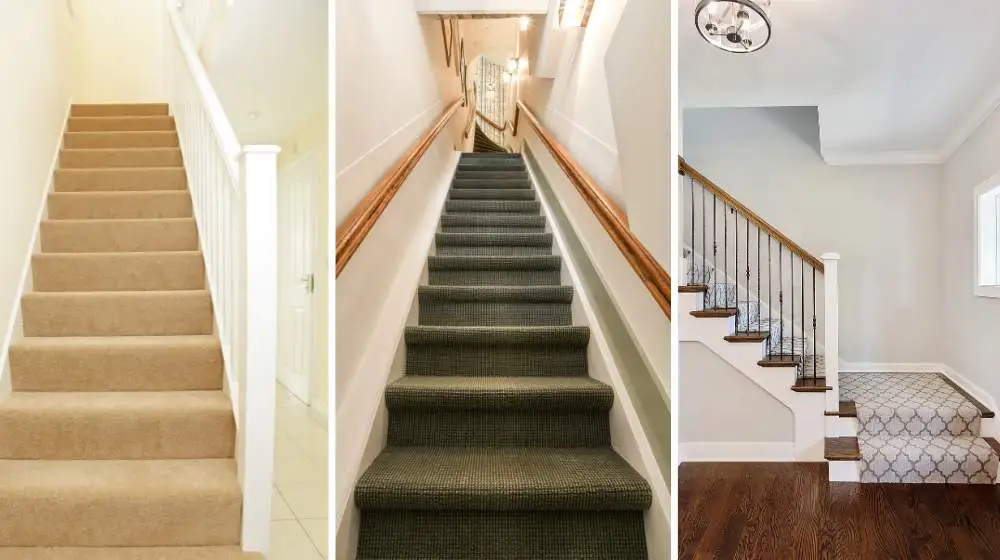
For most homes, a dense, low-pile nylon carpet offers the best combination of durability, comfort, and value. But your final choice depends on your budget, lifestyle, and aesthetic preferences. Let’s break down exactly how to evaluate each option.
1. Best Overall: Low-Pile, Dense, Cut-Pile Nylon Carpet
This is your go-to option for most households. Nylon carpet with a tight, low-pile construction strikes the perfect balance between durability, comfort, and maintenance.
Best for: Families with kids, pet owners, and anyone who wants a reliable, long-lasting staircase carpet without breaking the bank.
The dense weave means fibers stay upright even after thousands of footsteps. The cut-pile texture feels soft but doesn’t show footprints or vacuum marks like plush carpets do. Nylon bounces back quickly, so high-traffic won’t flatten it into ugly wear patterns.
2. Most Durable: Dense Loop Pile (Berber) Carpet
If you need something nearly indestructible, Berber-style loop pile carpet is your answer. The loops create a tight, firm surface that resists crushing and matting.
Best for: Large families, homes with heavy foot traffic, or stairs that connect multiple floors where people constantly go up and down.
Loop pile hides dirt and wear patterns better than any other style. It’s not as soft underfoot as cut pile, but it will outlast almost everything else. Just make sure it’s densely woven—cheap, loose Berber will snag and unravel quickly on stairs.
3. Best Premium: Wool Carpet
For those who want luxury and natural durability, wool is the gold standard. It’s naturally stain-resistant, fire-resistant, and incredibly resilient.
Best for: Homeowners prioritizing quality, eco-conscious buyers, and anyone willing to invest more upfront for long-term performance and elegance.
Wool fibers naturally spring back after compression, making it perfect for stairs. It also absorbs moisture without feeling damp, reducing slip risk. The catch? It costs significantly more than synthetic options.
3 “Golden” Criteria for Evaluating Stair Carpets
When shopping for stair carpet, you need to look beyond color and price. Three key factors determine whether your carpet will last or fail within the first year.
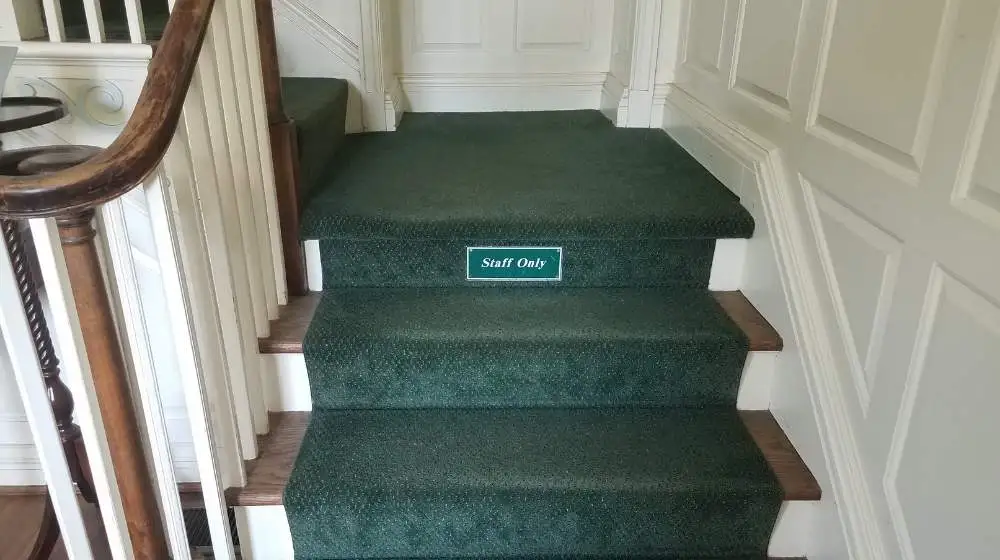
1. Fiber Resilience
Stairs compress carpet fibers thousands of times daily. The fiber material must bounce back quickly or it will mat down into permanent traffic patterns. Nylon and wool have excellent resilience. Polyester and olefin (polypropylene) do not.
2. Density and Pile Weight
Run your fingers through the carpet samples. If you can easily feel the backing, it’s too loose for stairs. Dense carpet with tightly packed fibers wears evenly and resists crushing. Look for a density rating above 2,000 and a face weight of at least 35 ounces for stairs.
3. Safety and Slip Resistance
Smooth, plush carpets can be slippery, especially at the stair nose (the edge). Low-pile or loop-pile textures provide better grip. The backing and padding also affect slip resistance—more on that later.
Carpet Material Comparison
| Material | Description | Pros for Stairs | Cons for Stairs | Best Use Case |
|---|---|---|---|---|
| Nylon | Synthetic fiber, most popular for high-traffic areas | Extremely durable, excellent resilience, stain-resistant when treated, holds color well | Can be pricey (but worth it), requires stain treatment | Best all-around choice for family homes |
| Wool | Natural fiber, premium option | Naturally stain and fire-resistant, incredible resilience, luxurious feel, eco-friendly | Expensive, can fade in direct sunlight, needs professional cleaning | Best for homeowners prioritizing quality and natural materials |
| Polyester | Synthetic fiber, soft and colorful | Soft texture, vibrant colors, more affordable than nylon | Poor resilience, mats down quickly on stairs, attracts oil-based stains | Avoid for stairs; better for low-traffic bedrooms |
| Olefin | Synthetic fiber, moisture-resistant | Very affordable, moisture and mildew resistant, good for basements | Low resilience, crushes easily, melts from friction on high-traffic stairs | Avoid for stairs; OK for very light-traffic areas or outdoor use |
| Triexta | Newer synthetic fiber, partially bio-based | Good stain resistance, softer than nylon, decent resilience, eco-friendlier than pure synthetics | Not as proven long-term as nylon, slightly less durable in extreme traffic | Good alternative if you want softness with reasonable durability |
Budget Breakdown
| Budget Level | Price Range (per sq.) | Recommended Materials |
| Budget | $25 – $40 | Olefin or low-end polyester |
| Mid-Range | $40 – $70 | Quality nylon or triexta, low-end wool blends |
| Premium | $70 – $120+ | High-quality nylon, pure wool, or wool blends |
Stairs typically require 10-20 square yards depending on the number of steps and width. Factor in professional installation, which is strongly recommended for stairs due to safety and proper stretching requirements.
For stairs, stick with low-pile cut or dense loop pile. These styles give you the durability you need without sacrificing comfort or appearance.
Key Factors to Consider When Choosing Stair Carpet
Beyond material and pile style, several practical factors will narrow down your options.
Traffic Level
Be honest about how much use your stairs get. A family with three kids and two dogs needs something far more durable than a retired couple living alone. For heavy traffic, prioritize durability over softness. Dense nylon or Berber loop pile will serve you better than a plush polyester that feels nice in the store but mats down in six months.
Household Members
Do you have young children who spill juice? Elderly family members who need extra traction? Pets with claws? Kids and pets mean you need stain resistance and durability. Elderly family members mean safety and slip resistance move to the top of your priority list.
Color and Pattern
Light colors show every speck of dirt and every stain. Dark solids show lint, dust, and footprints. Medium tones with subtle patterns or textures are your friend. Multicolored patterns or tweeds do the best job hiding everyday wear and soil.
Avoid pure white or cream on stairs unless you’re committed to frequent professional cleaning. Also skip very dark solid colors if you have pets that shed.
Padding and Installation
The padding (underlay) under your stair carpet matters almost as much as the carpet itself. Use firm, dense padding specifically rated for stairs—typically 6-8 pounds density. Thicker, softer bedroom-style padding creates a tripping hazard and causes the carpet to shift on stair noses.
Professional installation is essential for stairs. Improperly installed stair carpet can buckle, creating dangerous trips. The installer should stretch the carpet properly and secure it firmly at each step nose.
Budget Realities
If your budget is tight, invest in quality carpet and skimp on the fanciest padding rather than the reverse. A good nylon carpet on basic stair padding will outlast cheap polyester on premium padding every time.
Consider that mid-range carpet replaced every 10 years costs less over time than budget carpet replaced every 3 years.
Carpet Types to Avoid for Stairs
Not every carpet belongs on stairs, no matter how good the deal looks.
Thick, Plush, or Shag Carpets
These feel wonderful in a bedroom but are dangerous on stairs. The deep pile compresses unevenly, creates unclear step edges, and increases trip risk. They also mat down quickly under traffic, looking terrible within months.
Pure Polyester or Olefin
While these materials work fine in bedrooms or formal living rooms with minimal traffic, they simply cannot handle the compression and friction stairs create. Save yourself the frustration and replacement cost.
Low-Density or Loose-Weave Carpets
Run your hand through samples. If the fibers part easily and you see backing, walk away. Loose construction means quick matting and wear patterns that make your stairs look old and worn within a year.
How to Choose the Right Carpet for Your Home
Let’s put all this information together into a practical decision-making process.
Step 1: Identify Your Stair Location and Type
Are these main stairs that everyone uses multiple times daily? Secondary stairs to a basement or attic? The location determines the durability level you need. Main stairs require the most durable option. Lightly-used basement stairs can work with mid-range materials.
Also consider whether your stairs are straight, curved, or have landings. Complex stair configurations require professional installation and may increase costs.
Step 2: Identify Your Priority Factors
Rank these factors in order of importance for your situation:
- Durability and wear resistance
- Stain resistance and easy cleaning
- Comfort and softness underfoot
- Appearance and style
- Budget constraints
- Eco-friendliness
- Safety and slip resistance
Your top three priorities will guide your material and style choice. A family with young kids might rank durability, stain resistance, and budget highest. A retired couple might prioritize comfort, appearance, and safety.
Step 3: Choose Your Carpet Fiber
Based on your priorities:
- Most durable needed + reasonable budget: Choose quality nylon
- Maximum durability + eco-conscious + higher budget: Choose wool
- Balance of softness and durability + mid-budget: Consider triexta
- Tight budget but need decent quality: Low-end nylon is better than high-end polyester for stairs
Step 4: Select Pile Style and Density
For stairs, your choices are straightforward:
- Maximum durability: Dense loop pile (Berber)
- Balance of comfort and durability: Low-pile cut pile
- Want some pattern/texture: Cut and loop, but ensure it’s densely woven
Check the density rating (aim for 2,000+) and face weight (35+ ounces). Don’t compromise here—loose carpet fails quickly on stairs.
Step 5: Choose Appropriate Padding
Select firm padding specifically rated for stairs. Typical density should be 6-8 pounds. Thickness should be 3/8 inch or less. The padding should have a moisture barrier if your stairs are near entryways or basements.
Skip memory foam or ultra-plush padding—these are safety hazards on stairs.
Step 6: Select Color and Pattern
Choose a medium tone with texture or subtle pattern. Good options include:
- Heathered or tweedy textures that blend multiple colors
- Small geometric patterns
- Textured solids in medium gray, taupe, or brown tones
- Subtle stripes running parallel to the step edge (never perpendicular, which creates visual confusion)
Get samples and take them home. Look at them on your stairs in natural light, artificial light, and at different times of day.
Consider how the color works with your flooring at the top and bottom of the stairs. You want a transition that looks intentional, not jarring.
Frequently Asked Questions
What is the most durable carpet for stairs?
Dense loop pile Berber carpet made from nylon or wool offers the most durability for stairs. The tight loop construction resists crushing and matting better than any other style. For the best type of carpet for stairs in a busy household, nylon Berber provides excellent longevity at a reasonable price point.
Is cut pile or loop pile better for stairs?
Loop pile (Berber) is more durable and resists wear longer, but low-pile cut pile offers a good balance of durability and comfort. Choose loop pile if maximum durability is your priority. Choose low-pile cut pile if you want something softer underfoot while still being practical. Avoid high-pile cut styles like plush or frieze on stairs.
How often should you replace stair carpet?
Quality nylon or wool carpet on stairs typically lasts 10-15 years with proper maintenance. Budget materials like polyester may need replacement in 3-5 years. Signs you need replacement include visible matting, permanent stains, fraying edges, loose areas, or any spots where the backing shows through.
Can I install stair carpet myself?
While DIY is possible if you have experience, professional installation is strongly recommended for stairs. Improper installation creates safety hazards including buckling, shifting, and unclear step edges that cause trips. The cost of professional installation is worth the safety and proper appearance.
What carpet padding should I use for stairs?
Use firm, dense padding specifically rated for stairs with a density of 6-8 pounds and thickness of 3/8 inch or less. Never use thick, soft bedroom-style padding on stairs—it creates tripping hazards and causes premature carpet wear.
Is wool carpet worth the extra cost for stairs?
If your budget allows, yes. Wool offers superior durability, natural stain resistance, fire resistance, and resilience. It lasts longer than synthetic options and maintains its appearance better over time. However, quality nylon carpet offers excellent performance at a lower price point and is the better value for most homeowners.
What color carpet is best for hiding dirt on stairs?
Medium tones with multicolored patterns or heathered textures hide dirt and wear best. Avoid solid colors, especially very light (shows stains) or very dark (shows dust and lint). Tweedy textures with browns, grays, and tans mixed together are practical and attractive.
Do I need a carpet runner or wall-to-wall carpeting on stairs?
Wall-to-wall carpeting provides better safety with no exposed edges and is easier to install securely. Runners with exposed wood on the sides look elegant but require careful installation to prevent shifting. For maximum safety, especially with children or elderly family members, choose wall-to-wall carpet installation.

One Comment
Comments are closed.