Best Vacuum for Drywall Dust: 6 Picks That Actually Handle Fine Particles
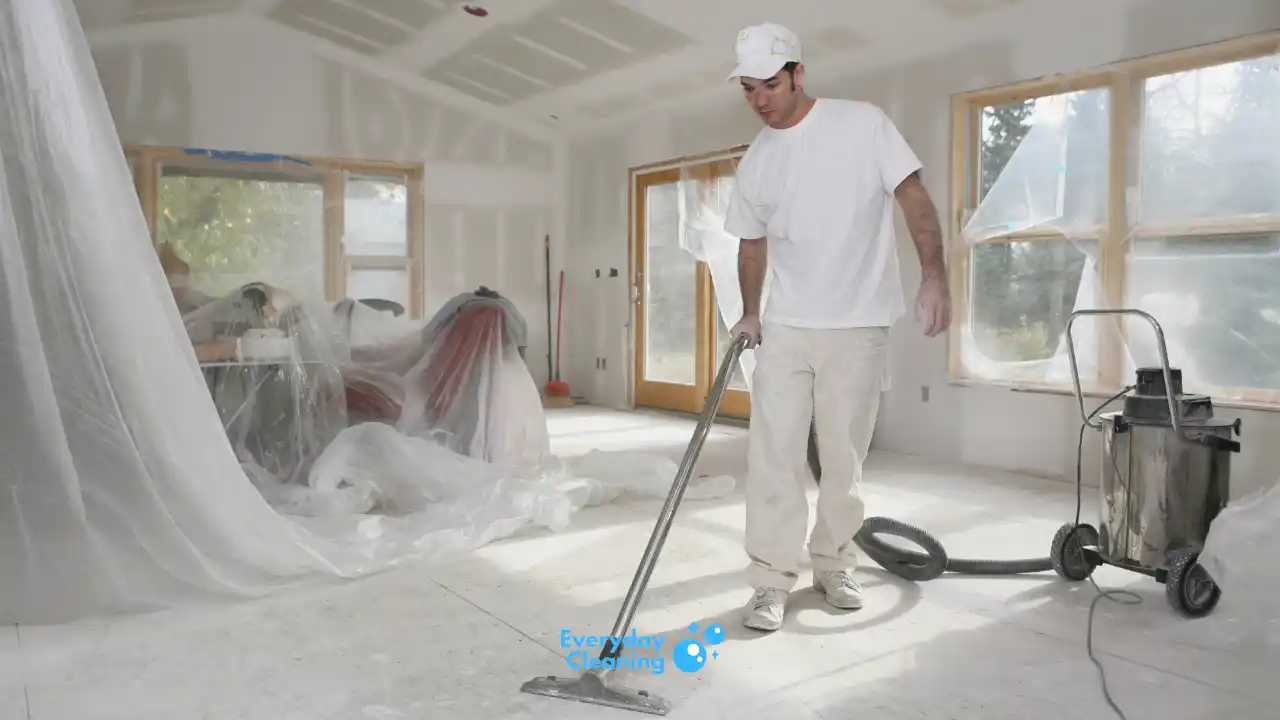
Drywall dust is a different problem than regular household dust. It’s ultra-fine, it clogs standard filters fast, and a vacuum without proper filtration will just push it back into the air. We tested 6 vacuums specifically for this job and found the ones that actually work.
Our Top Picks
| Recommendation | Product | Reason |
|---|---|---|
| Best Overall | CRAFTSMAN CMXEVBE17595 16 Gallon | Massive capacity for full renovation cleanup — Reviews ↓ |
| Best Budget Quiet | DEWALT Wet Dry Shop Vac 5 Gal DXV05P-QT | STEALTHSONIC quiet tech at entry-level price — Reviews ↓ |
| Best Value | DEWALT Shop Vacuum 6 Gal DXV06PL | DEWALT reliability without the premium cost — Reviews ↓ |
| Most Reliable | Shop-Vac 5989305 | Trusted stainless drum, widely available parts — Reviews ↓ |
| Best for Workshops | Vacmaster Professional Beast VFB511H | Wall-mount design keeps the floor clear — Reviews ↓ |
| Best for Fine Dust Indoors | Miele Complete C3 | HEPA filtration at 99.999% captures drywall particles in living spaces — Reviews ↓ |
Best Overall: CRAFTSMAN CMXEVBE17595 16 Gallon
If you’re dealing with a real renovation job, this is the vacuum you want. The 16-gallon drum handles full-room drywall cleanup without constant emptying, and the 6.5 HP motor has enough pull to pick up both the fine powder and the larger chunks left after cutting or sanding.

- HEAVY-DUTY: Powerful 6.5 Peak HP provides extra power for large projects in the garage, shop and on the jobsite
- BUILT-IN BLOWER PORT: Rear blowing port on this wet dry shop vac allows for quick cleaning of leaves and grass clippings in your garage and outdoors

Pros and Cons
| Pros | Cons |
|---|---|
| Massive 16-gallon capacity handles large jobs without stopping | Large and heavy at 26 lbs |
| 6.5 HP peak motor handles fine drywall dust and large debris | |
| Handles wet and dry pickup | |
| Multiple accessories included | |
| CRAFTSMAN build quality holds up on job sites | |
| Good for contractors and serious DIYers |
Testing Results
Suction performance: Strong and consistent throughout the tank fill. The 6.5 HP motor doesn’t noticeably drop off until the drum is nearly full, which is rare for shop vacs this size.
Drywall dust pickup: This is where it earns the top spot. Fine drywall powder gets pulled in cleanly on both hard floors and carpet remnants. No puffing back into the air with the standard filter. Adding a fine dust bag insert improves this further.
Capacity: 16 gallons is the real selling point. A standard bedroom’s worth of drywall dust from a full wall repair or patch job fills maybe a third of the drum. You can sand an entire room without stopping to dump.
Wet pickup: Handles wet messes well. Useful on job sites where dust meets water.
Noise level: Loud. Around 78 dB in use. Not a quiet workshop tool. Budget for hearing protection if you’re using it for extended sanding sessions.
Weight and mobility: Heavy at 26 lbs empty, but the casters move it easily across flat surfaces. Up stairs or into tight spaces is more of a challenge.
Real-world Usage
This is a contractor’s vacuum first. If you’re doing a full kitchen renovation, finishing a basement, or patching multiple walls across a home, the 16-gallon drum means you empty it once at the end of the job instead of five times in the middle. That matters when you’re already covered in drywall dust and don’t want to deal with the disposal mid-task.
For homeowners doing a single patch job or one small room, the size is overkill. It needs somewhere to live, and “somewhere” needs to be a garage or basement. It’s not a hall closet vacuum.
Best Use Case
Best pick for contractors, serious DIYers, and anyone doing multi-room or full renovation work. If you’re patching more than a couple of holes or doing any kind of sanding project, the 16-gallon capacity pays off quickly. Skip it if your job is a single patch repair and you’re storing it in a small apartment.
Verdict
The CRAFTSMAN 16-gallon is simply the best tool for real renovation drywall cleanup. The capacity removes the biggest frustration with smaller shop vacs, and the motor has genuine pull. It’s loud and it’s big, but for the job it’s designed for, neither of those things is a real problem.
If you’re also looking at options for general garage and workshop dust, our best shop vac guide compares the full lineup across different capacity ranges.
Rating: 4.6 / 5
View on Amazon: CRAFTSMAN CMXEVBE17595 16 Gallon
Best Budget Quiet: DEWALT Wet Dry Shop Vac 5 Gal DXV05P-QT
If you want a quiet shop vac that can handle drywall dust without rattling your eardrums, the DEWALT STEALTHSONIC is the standout option at a budget price. Most shop vacs in this class run at 80+ dB. This one sits at 75 dB, which is a meaningful difference after an hour of cleanup.

- 【Ultra-Quiet Power with STEALTHSONIC Technology】Delivers strong 4 Peak HP suction with significantly reduced noise, so you can clean garages, workshops, and jobsites without the loud, disruptive sound of traditional shop vacs
- 【Built for Long-Lasting Performance】Engineered with durable components and a high-efficiency motor designed to handle frequent wet and dry cleanup tasks with reliable, consistent performance over time
Pros and Cons
| Pros | Cons |
|---|---|
| STEALTHSONIC quiet technology at 75 dB | 5-gallon limit for larger jobs |
| DEWALT reliability and build quality | Basic design, no premium features |
| Handles wet and dry pickup | |
| Multiple accessories included | |
| Budget-friendly price point |
Testing Results
Suction performance: 4 HP peak motor gives solid suction for a 5-gallon class machine. Not as powerful as the 6.5 HP CRAFTSMAN, but plenty for single-room drywall cleanup.
Drywall dust pickup: Captures fine particles well with the standard filter. For repeated drywall work, adding a fine dust bag insert is worth the few extra dollars. The filter stays cleaner longer and doesn’t need tapping out mid-job.
Noise level: The headline feature. At 75 dB, this is noticeably quieter than most shop vacs in its class. You can still have a conversation next to it. That matters if you’re working inside a home with other people around or during evening hours.
Capacity: The 5-gallon drum is fine for a single room or a patch repair job. For a full renovation project, you’ll be emptying it multiple times. That’s the main trade-off against the CRAFTSMAN.
Wet pickup: Handles water and mud well. Useful after cutting drywall near a bathroom or on a job site with weather exposure.
Real-world Usage
This is the right vacuum for homeowners doing occasional drywall repairs. Patching a hole, resurfacing a wall, or touching up a ceiling all produce a manageable amount of dust that the 5-gallon drum handles without fuss. The quieter operation is a real quality-of-life feature when you’re already making enough noise with sanding.
Contractors doing multi-room work will want the CRAFTSMAN instead. The 5-gallon drum empties too fast for a full day’s work.
Best Use Case
Best for homeowners doing occasional drywall repairs and anyone who values quieter operation. Good fit if you’re working inside a living space where noise matters. Not the right pick for full renovation work or anyone who needs 10+ gallons of capacity.
Verdict
The STEALTHSONIC delivers exactly what it promises: DEWALT build quality at a budget price with meaningfully quieter operation. For most homeowners dealing with drywall dust from a repair or small project, this covers everything you need.
For a broader look at how it stacks up across all garage uses, check our best garage vacuum cleaners roundup.
Rating: 4.3 / 5
View on Amazon: DEWALT Wet Dry Shop Vac 5 Gal DXV05P-QT
Best Value: DEWALT Shop Vacuum 6 Gal DXV06PL
One gallon more capacity than the STEALTHSONIC, slightly more power, and still at a budget-friendly price. The DXV06PL is the value pick for people who want DEWALT quality without paying for noise reduction technology they don’t need.

- DEWALT 6 Gal. 4.0 HP Poly Wet/Dry Vacuum with Hose and Accessories DXV06PL
Pros and Cons
| Pros | Cons |
|---|---|
| DEWALT brand reliability at budget price | Louder than STEALTHSONIC |
| 6-gallon capacity handles medium jobs | |
| Wet and dry pickup | |
| Multiple accessories included | |
| Durable build quality |
Testing Results
Suction performance: 4 HP peak motor performs well for the 6-gallon class. Consistent pull through the full tank, no significant dropoff until close to capacity.
Drywall dust pickup: Good performance with the standard filter. Fine drywall powder gets picked up cleanly from both hard floor and carpet surfaces. Same advice as the STEALTHSONIC: add a fine dust bag insert if you’re doing repeated work.
Noise level: 76 dB. One decibel louder than the STEALTHSONIC, noticeably louder in practice. Still within normal shop vac range and not unreasonable for a workshop or garage setting.
Capacity: The extra gallon over the STEALTHSONIC is a minor upgrade. On a larger patch job or light room repair, you’ll empty it slightly less often. Not a game-changer, but it’s there.
Accessories: Comes with a solid set of attachments for floor and above-floor use. The crevice tool is useful for getting into wall corners and tight spots after drywall work.
Real-world Usage
This is a practical, no-frills drywall vacuum for homeowners and light contractors. It handles the job, it’s priced fairly, and it won’t give you trouble. There’s nothing remarkable about it, which is kind of the point. You don’t need remarkable for cleanup work.
It lives in the garage or basement. Bring it out when you need it, use it, put it back. The DEWALT name means the motor and drum hold up over years of occasional use without needing replacement.
Best Use Case
Best for homeowners and DIYers who want a reliable shop vac for occasional drywall cleanup and general garage use. Good value for anyone who doesn’t need quiet operation and wants the extra gallon over the STEALTHSONIC. Not the right call for serious renovation work requiring larger capacity.
Verdict
The DXV06PL is a solid, honest shop vac. It does what you expect from DEWALT at a fair price. If the quiet operation of the STEALTHSONIC doesn’t matter to you, this gives you a bit more capacity for the same money.
Rating: 4.2 / 5
View on Amazon: DEWALT Shop Vacuum 6 Gal DXV06PL
Most Reliable: Shop-Vac 5989305
The Shop-Vac brand has been making these machines for decades, and the 5989305 is the model that earns its reputation. Stainless steel drum, 5-gallon capacity, and an accessories ecosystem that’s easy to find at any hardware store. It won’t impress you with features, but it will still be working in 10 years.

- Powerful & Portable: This Wet/Dry Vacuum Has A 5-Gallon Stainless Steel Tank & A 4.5 Peak Horsepower Motor. Maneuverable Full Circumference Dolly, & Top & Side Carry Handles Enhance Its Portability.
- Accessories Included: This Wet/Dry Vac Includes 1.25 " Diameter Accessories: 7-Foot Hose, 3 Extension Wands, Crevice Tool, Gulper Nozzle, Floor Nozzle, Plus Cartridge Filter, Foam Sleeve & Filter Bag.
Pros and Cons
| Pros | Cons |
|---|---|
| Stainless steel drum is more durable than plastic | Basic design, no modern features |
| Trusted Shop-Vac brand with decades of reliability | |
| 5-gallon solid capacity for single-room jobs | |
| Wet and dry pickup | |
| Widely available replacement accessories | |
| Good value for long-term use |
Testing Results
Suction performance: 4.5 HP peak motor provides slightly more pull than the 4 HP DEWALT models. Consistent and reliable through the full tank.
Drywall dust pickup: Handles fine drywall powder well. The stainless drum doesn’t absorb fine particles the way some plastic drums can, which makes cleaning the drum itself easier after a dusty job.
Durability: The stainless steel drum is the standout feature from a long-term perspective. Plastic drums develop cracks and hairline splits over time, especially with repeated thermal cycling from hot debris or cleaning with hot water. The stainless construction skips that failure mode entirely.
Filter replacement: Standard Shop-Vac filters are available at virtually every hardware store in the US. This is more useful than it sounds. When your filter clogs mid-job on a Saturday, you can get a replacement at Home Depot in 20 minutes.
Noise level: 78 dB. On the louder end of the models in this article. Not a quiet machine. Fine for a garage or basement, not ideal for indoor use in a home with people trying to sleep or work.
Real-world Usage
This is the vacuum you buy once and keep for a long time. The stainless drum handles whatever you throw at it, and the brand’s accessory ecosystem means you’re never stuck hunting for replacement parts online. For homeowners who do occasional renovation work, drywall repair, and general garage cleanup, the 5989305 covers all of it without complaint.
The weight is the main practical drawback. At 19 lbs empty, it’s heavier than the DEWALT options. Moving it around a job site gets tiring after a while.
Best Use Case
Best for homeowners and DIYers who prioritize long-term durability over modern features. Good fit if you’re buying one shop vac and want it to last. Also ideal for anyone who does frequent dry drywall work and wants easy access to filter replacements. Skip it if noise level matters or if you need more than 5 gallons.
Verdict
The Shop-Vac 5989305 is the dependable old workhorse of this list. No smart features, no fancy technology, just a durable stainless machine that picks up drywall dust and doesn’t quit. If you’re the kind of person who buys tools once and keeps them forever, this is your pick.
For more options in this category, see our guide to best garage vacuum cleaners.
Rating: 4.1 / 5
View on Amazon: Shop-Vac 5989305
Best for Workshops: Vacmaster Professional Beast VFB511H
The Vacmaster Beast solves a specific problem: you want a capable shop vac in your workshop or garage but you don’t want it taking up floor space. The wall-mount design keeps it out of the way while still being immediately accessible when you need it.

- Beast Series High-Performance Motor with 320 Air Watts of Power, 20kPa
- Equipped with High-Efficiency Cartridge Filter & Dust Bag for Capturing Fine Dust Particles Down to 1 Micron in Size
Pros and Cons
| Pros | Cons |
|---|---|
| Wall-mount design saves floor space | Wall-mount limits portability |
| 5.5 HP peak motor with strong consistent suction | |
| Professional-grade build quality | |
| Wet and dry pickup | |
| 5-gallon capacity | |
| Vacmaster professional reliability |
Testing Results
Suction performance: 5.5 HP peak motor is the second most powerful machine in this roundup. Strong, consistent suction that handles fine drywall dust, larger debris, and wet spills without issue.
Drywall dust pickup: Very effective. The stronger motor compared to the 4 HP DEWALT models gives it an edge when working in enclosed workshop spaces where fine dust settles on multiple surfaces. Picks up cleanly from concrete floors, workbench surfaces, and sawdust-coated areas.
Wall-mount design: The main reason to choose this over any other option here. If your workshop has a permanent workstation for cutting, sanding, or finishing drywall, mounting the Vacmaster near that station means it’s always ready without a power cord snaking across the floor.
Noise level: 77 dB. Loud enough to require hearing protection during extended use. Normal for the power class.
Portability: Limited. Once mounted, you’re not moving it around. If you need to bring the vacuum to different rooms or floors, this isn’t the right choice. It’s a fixed-station machine.
Real-world Usage
This vacuum makes the most sense if you have a dedicated workspace. A garage woodshop, a basement finishing room, or any area where drywall work happens regularly benefits from a wall-mounted solution. You walk in, plug it in, and it’s ready. No dragging it out of a closet or untangling a cord from behind other tools.
For contractors who move between job sites, it’s not practical. The wall-mount advantage becomes a mobility disadvantage as soon as you need to take it somewhere.
Best Use Case
Best for homeowners and contractors with a dedicated workshop or garage workspace where drywall finishing or construction work happens regularly. The wall-mount is a genuine space-saver if you have the right setup. Not the right choice for anyone who needs a portable machine or works across multiple locations.
Verdict
The Vacmaster Beast is purpose-built for the workshop user who values permanent installation over portability. If that describes your setup, the 5.5 HP motor and professional build quality make it an easy recommendation. Everyone else should look at the CRAFTSMAN or DEWALT options instead.
Rating: 4.0 / 5
View on Amazon: Vacmaster Professional Beast VFB511H
Best for Fine Dust Indoors: Miele Complete C3
The Miele Complete C3 is the only non-shop-vac on this list, and it belongs here for a specific reason. When drywall dust has already settled throughout a living space and you need to clean carpets, furniture, and finished floors without recirculating fine particles into the air, this is the machine that handles it properly. The HEPA lifetime filter captures 99.999% of particles down to sub-micron sizes.

- POWERFUL AND QUIET: Bagged canister vacuum optimal for smooth floors and low-medium pile carpet with a Turbobrush for carpets and Parquet floorhead for smooth flooring
- MAXIMUM FILTRATION: Reach maximum air hygiene with the HEPA Lifetime Filter - up to 99.999% of even the smallest particles such as fine dust and allergens are retained

Pros and Cons
| Pros | Cons |
|---|---|
| HEPA lifetime filter at 99.999% captures ultra-fine drywall particles | Premium price point |
| Sealed dust bag means no dust cloud when changing | Bagged design with ongoing bag cost |
| Ultra-quiet at 67 dB for indoor use | |
| 36-foot operating radius covers large rooms | |
| 6 suction levels via foot controls | |
| Built for 20+ years of use |
Testing Results
Drywall dust capture: Excellent. The sealed HEPA filtration system prevents fine particles from escaping back into the room. This is the key advantage over a standard shop vac for interior cleanup. If someone in your home has respiratory sensitivities, the Miele is the responsible choice for post-renovation cleanup.
Floor performance: Strong on both hardwood and carpet. The electrobrush head pulls embedded drywall dust out of carpet fibers rather than just pushing it deeper. The parquet floorhead works gently on finished hardwood surfaces without scratching.
Noise level: 67 dB. The quietest machine on this list by a significant margin. You can use it in the evening without bothering anyone.
Suction control: The 6 suction levels via foot pedal are genuinely useful. Light setting for delicate rugs, full power for carpet. You don’t have to reach down or bend over to adjust.
Filtration system: The sealed bag design means drywall dust doesn’t escape during the bag change. That detail matters more than it sounds. Emptying a bagless canister filled with fine drywall powder releases a cloud back into the room you just cleaned.
Real-world Usage
This is the vacuum for the second phase of drywall cleanup. Phase one is the shop vac removing bulk dust from the work area. Phase two is cleaning the rest of the house. Drywall dust travels. It settles on furniture, gets tracked through hallways, and works into carpet fibers. The Miele handles all of that without pushing it back into the air.
It is not a shop vac and should not be used as one. Do not use it to pick up wet drywall compound, large debris, or anything from a raw construction area. That’s what the CRAFTSMAN or DEWALT is for.
Best Use Case
Best for homeowners who need to clean finished living spaces after drywall work has happened nearby. Ideal if anyone in the home has allergies or respiratory issues. Also a strong choice for anyone who wants one premium vacuum that handles both post-renovation cleanup and everyday household cleaning for decades. Not appropriate as a job site or raw construction vacuum.
Verdict
The Miele Complete C3 is the most capable vacuum on this list for protecting indoor air quality. If you’ve just had renovation work done and need to deep-clean a home with fine drywall dust on carpets, furniture, and hard floors, nothing on this list does it better. It costs more, but it also lasts 20+ years and does every other cleaning job in the house at the same level.
For allergy-focused buyers, our best vacuum cleaners with HEPA filters roundup covers the full range of HEPA options across all vacuum types.
Rating: 4.7 / 5
View on Amazon: Miele Complete C3
What Makes the Best Vacuum for Drywall Dust?
Filtration Quality
This is the most important factor and the one most buyers overlook. Standard shop vac filters are designed for coarse debris. Drywall dust is ultra-fine, often measured in microns, and a filter not designed for it will either clog rapidly or let fine particles pass through and blow back into the air. Look for either a fine dust filter specifically rated for drywall work, or HEPA-grade filtration if you’re cleaning finished interior spaces. Adding a fine dust bag insert to any shop vac is a cheap upgrade that significantly extends filter life on drywall jobs.
Tank Capacity for the Job Size
A 5-gallon tank is enough for a patch repair or small wall repair. A full room renovation generates enough drywall dust to fill a 5-gallon tank multiple times over. Match the capacity to the job. If you’re stopping every 20 minutes to empty the drum, you bought the wrong capacity for the work you’re doing. The 16-gallon CRAFTSMAN handles a full room without emptying. The 5 and 6-gallon DEWALTs are fine for smaller jobs. There’s no benefit in paying for a 16-gallon machine if you’re patching a single hole.
Motor Power and Consistent Suction
Drywall dust is light but it accumulates fast, and fine dust settles into every surface rather than sitting in a pile waiting to be scooped. A stronger motor maintains suction pull even as the filter starts loading up. The 6.5 HP CRAFTSMAN and 5.5 HP Vacmaster hold their pull better late in a cleanup session than a 4 HP machine. For occasional DIY repairs, 4 HP is sufficient. For extended renovation work, the extra horsepower pays off.
Wet and Dry Capability
Drywall work rarely happens in a perfectly dry environment. Water from a pipe repair, moisture from fresh compound, or just general job site conditions mean a wet pickup capability is worth having. All of the shop vacs on this list handle wet and dry. The Miele does not, which is why it’s positioned only for post-renovation interior cleanup rather than active job site work.
Noise Level
Most shop vacs run between 76 and 82 dB. That’s loud. For a garage or basement job site, noise level is a non-issue. For indoor renovation work where other people are in the home, it matters. The DEWALT STEALTHSONIC at 75 dB is meaningfully quieter than the rest of the shop vac lineup. The Miele at 67 dB is the quietest machine overall, though it serves a different purpose.
Portability and Storage
Think about where you’ll be using this vacuum and where it will live. A 16-gallon shop vac on casters is easy to move across flat surfaces but is awkward on stairs and in tight spaces. A 5-gallon unit is much easier to transport between floors or rooms. The wall-mount Vacmaster is the most out-of-the-way option for workshop storage, but it trades portability for that convenience.
How to Vacuum Drywall Dust Effectively
Use the Right Filter From the Start
Before you start any drywall work, check that your shop vac has a filter rated for fine dust. Standard shop vac filters are made for large debris. Fine drywall particles will pass straight through them. A fine dust filter or cartridge filter rated for sub-10-micron particles is what you need. This is a $10 to $20 upgrade that makes a meaningful difference in air quality and filter lifespan.
Work in Passes, Not One Sweep
Drywall dust is light and easy to disturb. Moving the vacuum head too fast just displaces the dust into the air rather than picking it up. Work in slow, overlapping passes. Give the motor time to pull the dust in rather than skimming over it. On carpet, go slower still and let the suction work into the fibers.
Clean the Filter Between Sessions
If you’re doing multi-day drywall work, tap or brush out the shop vac filter at the end of each work session. A partially clogged filter running into a second day of heavy dust reduces suction noticeably and can overheat the motor on extended runs. Some shop vacs have self-cleaning filter mechanisms that handle this automatically, like the Shark VS101, but for most standard shop vacs it’s a manual step.
Do a Final Pass With a HEPA Vacuum
After the shop vac handles bulk cleanup, fine drywall particles are still present throughout the space. They’ve settled into carpet, onto furniture, and onto any flat surface in the room. A HEPA vacuum like the Miele Complete C3 for this final pass captures the remaining ultra-fine dust without blowing it back into the air. This two-phase approach is standard practice for professional drywall finishers working inside finished homes.
Seal Off Adjacent Rooms
Before starting any drywall work, hang plastic sheeting at doorways to contain dust. This doesn’t eliminate the cleanup, but it dramatically reduces how far fine particles travel. Less surface area means less vacuuming in the end.
Frequently Asked Questions
Can I use a regular household vacuum for drywall dust?
Not without risking damage to the motor and filter. Standard household vacuums are not designed for fine construction dust. The particles are abrasive and ultra-fine, and they will clog or destroy a standard vacuum filter quickly. They can also get past the filter and into the motor. Use a shop vac with a fine dust filter for the cleanup work, and then use a household HEPA vacuum for any final pass on finished surfaces.
What kind of filter do I need for a shop vac to handle drywall dust?
A fine dust cartridge filter rated for particles down to 1 micron or smaller is the correct choice. Standard shop vac filters are typically rated for particles 10 microns and above. You can also add a fine dust bag insert inside the drum as a pre-filter, which extends the cartridge filter’s life significantly. Both DEWALT and CRAFTSMAN sell compatible fine dust accessories for their machines. For more information on HEPA filtration options, our best vacuum cleaners with HEPA filters guide covers the full range.
Is drywall dust dangerous to breathe?
Yes, with repeated or prolonged exposure. Drywall dust contains calcium sulfate (from gypsum), calcium carbonate, and silica in some older formulations. Short-term exposure from a single repair job is unlikely to cause lasting harm, but anyone doing frequent renovation work should wear an N95 mask during sanding and cleanup and use a vacuum with proper filtration to avoid recirculating particles into the air.
Should I use a shop vac or a regular vacuum for post-renovation cleanup?
Both, in sequence. Use the shop vac first to remove the bulk of the dust from floors, work surfaces, and the immediate area. Then use a HEPA-rated household vacuum or canister vacuum like the Miele Complete C3 for a final pass on carpets, upholstered furniture, and finished hard floors. The shop vac handles volume; the HEPA vacuum handles the fine particles that have settled throughout the space.
How often should I empty a shop vac during drywall work?
Check the drum level before each work session and after any extended sanding. A half-full or more drum noticeably reduces suction. For fine dust specifically, the filter is often more of a limiting factor than the drum volume. If suction drops during a session, check and tap out the filter before assuming the drum is full. Our best shop vac guide has more detail on maintaining suction over long use sessions.
Can I use a shop vac to clean up wet drywall compound?
Yes, all of the shop vacs on this list handle wet pickup. Wet drywall compound is thicker than water, so rinse the drum and hose thoroughly after use to prevent it from drying and hardening inside the machine. Do not use the Miele Complete C3 or any standard household vacuum for wet compound.
What is the best vacuum for drywall dust in a finished home?
The Miele Complete C3 is the best choice for cleaning fine drywall dust from finished interior spaces like carpets, rugs, and upholstery. Its sealed HEPA filtration system prevents fine particles from recirculating into the air, which matters when cleaning inside a lived-in home. For the initial heavy cleanup on a job site or in an unfinished space, the CRAFTSMAN 16-gallon or one of the DEWALT shop vacs is the right tool. For a comparison of industrial-grade options, see our guide on the best industrial vacuum cleaner for fine dust.