
How to Keep Cats Teeth Clean Without Brushing: 8 Effective Methods Every Cat Owner Should Know

Table of Contents
Let’s face it – trying to brush your cat’s teeth can feel like attempting to wrestle a tiny, furry tornado. Most cats absolutely despise having their mouths handled, turning what should be a simple hygiene routine into a battle of wills that nobody wins. But here’s the good news: you don’t need to put yourself (or your feline friend) through that stress to maintain their dental health.
Your cat’s oral hygiene is more important than you might realize. Poor dental care can lead to serious health issues including periodontal disease, tooth loss, and even heart problems.
70% of cats show signs of dental disease. That’s a staggering statistic that highlights why we need effective alternatives to traditional brushing.
Why Traditional Brushing Is So Challenging for Cats
Unlike dogs, cats are naturally more resistant to having their mouths handled. Their independent nature and sensitive oral areas make the brushing process incredibly stressful for both pet and owner. Many cat parents give up after just one or two attempts, leaving their pet’s dental health to chance.
The reality is that most cats will never tolerate regular brushing, no matter how patient and gentle you are. This doesn’t make you a bad pet owner – it makes you realistic about your cat’s temperament and needs.
8 Proven Ways How to Keep Cats Teeth Clean Without Brushing
1. Dental Treats and Chews
Dental treats specifically designed for cats are one of the easiest and most effective alternatives to brushing. These specially formulated snacks work by mechanically scraping away plaque and tartar as your cat chews.

Look for treats that carry the Veterinary Oral Health Council (VOHC) seal of approval. These products have been scientifically tested and proven to reduce plaque and tartar buildup. Popular options include Greenies Feline Dental Treats and Hill’s Prescription Diet t/d.
The key is consistency – offer these treats daily as part of your cat’s routine. Most cats love the taste, making this method both effective and enjoyable for your pet. The crunchy texture helps break down existing plaque while preventing new buildup.
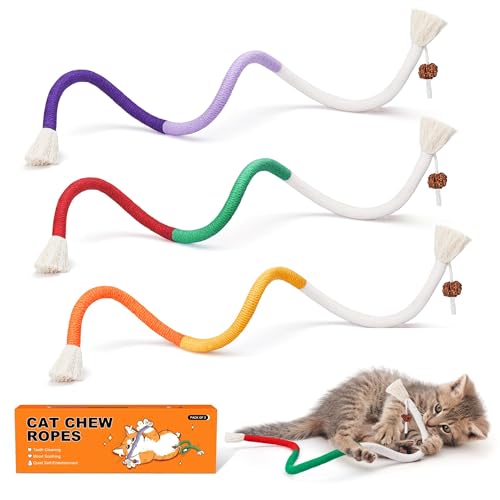
- Teething Fun: Ideal for kittens and cats alike, these chew toys are an essential addition to your kitty’s dental care. With natural gall fruit and rope design, the toys are perfect for teething and teeth cleaning, they combat tartar and freshen breath, making dental hygiene a fun activity for your little one!

2. Water Additives for Oral Health
Water additives are an incredibly convenient solution that works silently in the background. These odorless, tasteless solutions are simply added to your cat’s drinking water and help reduce bacteria that cause plaque and bad breath.
Products like Petlab Co. Dental Formula or Nylabone Advanced Oral Care contain enzymes that break down harmful bacteria in your cat’s mouth. Since cats drink water throughout the day, these additives provide continuous protection against dental issues.
The best part about water additives is that they require zero effort from your cat. Simply add the recommended amount to their fresh water daily, and let the formula do its work. Most cats won’t even notice the difference in their water.
3. Specialized Dental Food
Switching to a dental-specific cat food (#ad) can make a significant impact on your pet’s oral health. These kibbles are larger and have a special texture that creates a scrubbing action against teeth as your cat chews.
Hill’s Science Diet Oral Care and Royal Canin Dental are excellent examples of foods specifically designed to reduce tartar buildup. The kibble size and texture force cats to actually crunch through the food rather than swallowing it whole, providing natural cleaning action.
4. Raw Bones and Natural Chews
Raw bones can be an excellent natural solution for cleaning your cat’s teeth, but safety is paramount. Only offer raw bones that are appropriately sized – typically chicken necks or small lamb bones work well for most cats.
Raw bones provide natural enzymes and require significant chewing action that helps scrape away plaque and massage the gums. The gnawing motion also promotes healthy blood flow to the gum line, supporting overall oral health.
Never give your cat cooked bones, as these can splinter and cause serious injuries. Always supervise bone-chewing sessions and remove any bone pieces that become small enough to pose a choking hazard. Some cats may not be interested in bones, and that’s perfectly normal.
5. Dental Gels and Sprays
Dental gels and sprays offer targeted treatment that you can apply directly to your cat’s teeth and gums without the need for brushing. These products typically contain enzymes that break down plaque and bacteria while freshening breath.
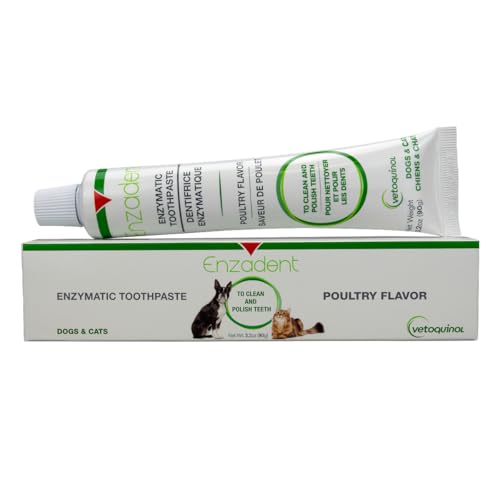
- Delicious Enzymatic Toothpaste: Enzadent Enzymatic Toothpaste is a poultry-flavored paste that dogs and cats enjoy, making daily teeth brushing teeth easier and less stressful
Products like Vetoquinol Enzadent or TropiClean Fresh Breath Oral Care Gel can be applied using your finger or a small applicator. Many cats tolerate this better than brushing because it’s quicker and less invasive.
Start slowly with gel application – let your cat smell and taste the product first. Most dental gels have flavors that cats find appealing, such as poultry or seafood. Apply a small amount to the gum line and let your cat’s natural saliva distribution do the rest.
6. Probiotics for Oral Health
Oral probiotics are gaining recognition as an effective way to maintain dental health by promoting beneficial bacteria in your cat’s mouth. These supplements help create an environment where harmful bacteria cannot thrive.
ProDen PlaqueOff or similar probiotic supplements can be sprinkled on your cat’s regular food. The beneficial bacteria work to crowd out the harmful bacteria that cause plaque, tartar, and bad breath.
Research published in the Journal of Veterinary Dentistry found that oral probiotics can significantly reduce volatile sulfur compounds (the cause of bad breath) while improving overall oral health markers. The beauty of probiotics is that they work naturally with your cat’s biology rather than against it.
7. Coconut Oil Treatment
Coconut oil has natural antibacterial and antifungal properties that make it an excellent natural dental care option. The lauric acid in coconut oil specifically targets harmful bacteria in the mouth while being completely safe for cats to ingest.
Offer a small amount (about 1/4 teaspoon) of organic, unrefined coconut oil as a daily treat. Many cats enjoy the taste and texture. You can also try rubbing a small amount on their gums with your finger, though this isn’t necessary for the oil to be effective.
Start with very small amounts to ensure your cat’s digestive system tolerates the oil well. Some cats may experience loose stools if given too much coconut oil initially.
8. Regular Veterinary Dental Cleanings
While not a daily at-home solution, professional dental cleanings performed by your veterinarian are the gold standard for maintaining your cat’s oral health. These procedures involve anesthesia and allow for thorough cleaning both above and below the gum line.
Most cats need professional cleanings every 1-3 years, depending on their individual needs and how well their at-home dental care routine works. Your vet can assess your cat’s teeth during regular checkups and recommend the appropriate frequency.
Professional cleanings also allow your veterinarian to identify and address any dental problems before they become serious health issues.
Comparing Different Methods: What Works Best?

Signs Your Cat May Need Better Dental Care
Watch for these warning signs that indicate your current dental care routine needs improvement:
- Persistent bad breath that doesn’t improve with dental treats
- Yellow or brown tartar buildup visible on teeth
- Red, swollen, or bleeding gums
- Difficulty eating or chewing on one side
- Pawing at the face or mouth
- Excessive drooling
- Loose or missing teeth
If you notice any of these symptoms, consult your veterinarian immediately. Early intervention can prevent minor dental issues from becoming serious health problems.
Creating an Effective Dental Care Routine
The most successful approach to maintaining your cat’s dental health combines multiple methods. Here’s a practical routine that most cat owners can implement:
Daily: Offer dental treats and ensure fresh water with additives is available. If using dental food, serve it as the primary diet.
Weekly: Apply dental gel or offer raw bones (if your cat enjoys them) 2-3 times per week.
Monthly: Add coconut oil treats or sprinkle probiotics on food for variety and additional benefits.
Annually: Schedule regular veterinary checkups that include dental assessments.
Remember that consistency is more important than perfection. Even implementing just one or two of these methods regularly will significantly improve your cat’s oral health compared to doing nothing at all.
The Natural Alternative That Actually Works
Learning how to keep cats teeth clean without brushing isn’t just about finding alternatives – it’s about finding solutions that work with your cat’s natural behavior rather than against it. The methods outlined above leverage your cat’s normal eating and drinking patterns to provide continuous dental care throughout the day.
The key is understanding that dental health is a cumulative process. Small, consistent actions taken daily will have far more impact than sporadic intensive efforts. By incorporating these gentle, effective methods into your cat’s routine, you’re providing them with the dental care they need while respecting their independent nature.
Maintaining your cat’s dental health doesn’t have to be a daily wrestling match. These eight proven alternatives to brushing offer practical solutions that work with your cat’s preferences rather than against them. From dental treats and water additives to professional cleanings, there are multiple ways to ensure your feline friend maintains healthy teeth and gums throughout their life. Start with one or two methods that seem most appealing to both you and your cat, then gradually build a comprehensive dental care routine that fits your lifestyle.


