
How to Make a Zipper Glide Smoothly in 30 Seconds

Table of Contents
If your zipper feels stiff, jerky, or completely stuck when you try to pull it, don’t worry—you can fix it in about 30 seconds. I’ve been repairing zippers for my family for years now, and these methods really work. Let me show you how to make a zipper glide smoothly again without replacing it.
Check Your Zipper First
Before you start fixing anything, take a quick look at your zipper to make sure it’s actually fixable. Here’s what to check:
- Is fabric caught in the teeth?
- Are any teeth bent or missing?
- Does the zipper split apart after you zip it up?
If your zipper doesn’t have these problems, you’re in luck! You can make it slide smoothly again using items you probably already have at home.
Quick & Easy Fixes to Make a Zipper Glide Smoothly
Pick one of these household items—whichever you have on hand. They all work by adding a thin layer of lubrication to the zipper teeth.
Professional Solution
For the absolute best results, especially on zippers you use frequently (like on jackets, boots, or luggage), consider using a specialized zipper lubricant. Products like Zipper-Ease or silicone-based lubricants are designed specifically for this purpose.
I used BTAS Zipper Lubricant on two pairs of jeans I thought were beyond saving, and it worked perfectly.
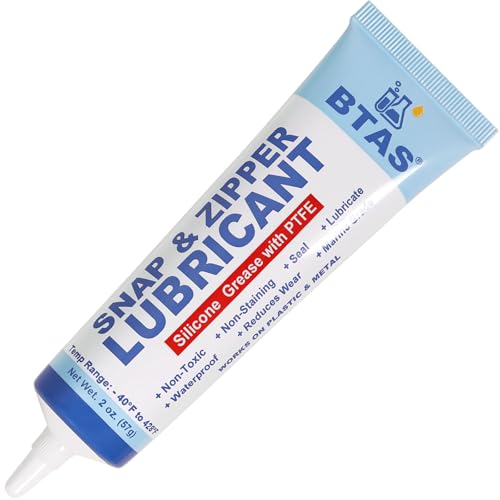
These professional lubricants last longer than household alternatives and won’t attract dirt or lint. Just spray or apply a small amount to the teeth, work it in by moving the zipper several times, and you’re done. They’re particularly great for outdoor gear and heavy-duty zippers that take a beating.
Use a Graphite Pencil

Grab a regular pencil (the kind you write with). Rub the pencil tip along both sides of the zipper teeth, coating them with graphite. Then zip and unzip a few times to work the graphite in. The dark gray powder acts as a dry lubricant that makes the zipper glide smoothly without any mess.
Use a Candle or Crayon
Take a white candle or crayon and rub it directly on the zipper teeth, just like you did with the pencil. The wax fills in tiny gaps and rough spots. After coating both sides, move the zipper up and down several times. You’ll notice it moving much easier almost immediately.
Use Lip Balm or Vaseline
If you have lip balm, chapstick, or petroleum jelly (Vaseline), dab a small amount on your finger and rub it along the zipper teeth. This creates a slippery surface that helps the zipper slider move freely. Wipe off any excess with a tissue so it doesn’t get on your clothes.
Step-by-Step Instructions
Here’s exactly how to apply any of the methods above:
- Lay the item flat on a table or your lap so you can see the entire zipper clearly.
- Apply your chosen lubricant (pencil, candle, or lip balm) to the zipper teeth on both sides, starting from the bottom and working your way up.
- Zip and unzip slowly 5-10 times to distribute the lubricant evenly along all the teeth.
- Test the zipper by pulling it at normal speed. It should move much more smoothly now.
- Reapply if needed—sometimes stubborn zippers need a second coating.
The whole process takes less than a minute once you get the hang of it.
When Should You Replace Your Zipper?
If you’ve tried all these methods and your zipper still won’t cooperate, it might have one of those problems I mentioned earlier—missing teeth, bent tracks, or a worn-out slider. In that case, read more: Fix Any Zipper Issue at Home
Sometimes you just need to start fresh with a new zipper to completely solve the problem. Replacing a zipper isn’t as scary as it sounds, and it can give your favorite jacket or bag many more years of life. Read more: How to replace a zipper
How to Keep Your Zipper Gliding Smoothly
Once you’ve fixed your zipper, here’s how to keep it working well:
Clean it regularly. Dirt, sand, and lint build up in zipper teeth over time. Use an old toothbrush to gently scrub away debris every few months, especially on outdoor gear.
Reapply lubricant occasionally. A quick swipe with a pencil or candle every season keeps things moving smoothly. Think of it like maintaining a squeaky door hinge.
Zip carefully. Don’t force a zipper if it’s catching—slow down and make sure no fabric is bunched up near the teeth. Yanking hard damages the teeth and slider.
Store items properly. When putting away jackets or bags, zip them up completely. This keeps the zipper aligned and prevents the slider from getting bent or damaged.
Keep zippers dry when possible. Moisture can cause metal zippers to rust and plastic ones to stick. If a zipper gets wet, let it air dry completely before zipping it up for storage.


