
How to Fix a Zipper on a Suitcase/Valise (With Pictures)

Table of Contents
Nothing’s more frustrating than a broken suitcase zipper right before a trip. The good news? Most zipper problems are surprisingly easy to fix at home—just a few minutes and some basic supplies you probably already have.
Whether your zipper’s stuck, missing its slider, or completely separated, I’ll walk you through each fix so you can get your suitcase back in working order.
Common Suitcase Zipper Problems
Before we jump into fixes, let’s identify what’s actually wrong. Most zipper issues fall into these categories:
- Stuck zipper – Won’t budge no matter how hard you pull
- Missing slider – The pull tab has broken off or disappeared
- Separated teeth – The zipper comes apart right behind the slider
- Off-track zipper – One side has slipped out of the slider completely
- Broken teeth – Individual teeth are bent, missing, or damaged
Once you know what you’re dealing with, the fix becomes much simpler.
How to Fix a Zipper on a Suitcase: Step-by-Step Solutions
Fix #1: Stuck Zipper
A stuck zipper usually means something’s caught in the teeth—fabric from the lining, thread, or just dirt buildup.
What you’ll need:
- Graphite pencil or bar soap
Step-by-Step:
Step 1: Check for obstructions. Look closely at the slider. If fabric is caught, gently pull it out with tweezers. Don’t yank—work slowly to avoid tearing.
Step 2: Lubricate the teeth. Rub a graphite pencil along both sides of the zipper teeth. Alternatively, run a bar of soap along them. These create a slick surface that helps the slider glide.

Step 3: Work it gently. Pull the slider back and forth slowly, applying light pressure. The zipper should start moving more freely within a few tries.
Step 4: Wipe away excess. Use a clean cloth to remove any soap residue or graphite dust.
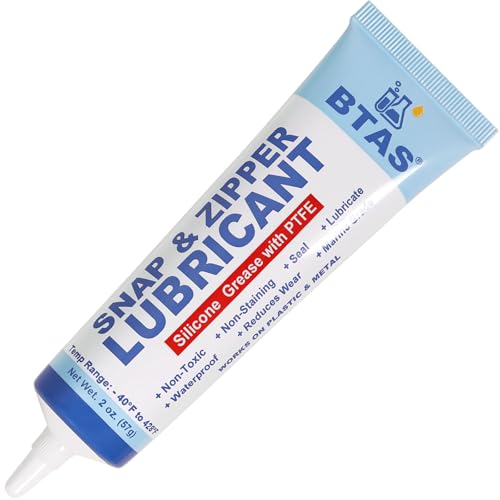
This method works for about 80% of stuck zippers. If yours is still jammed after lubricating, you may need to use a specialized zipper lubricant. I used BTAS Zipper Lubricant on two suitcases, I thought were beyond saving, and it worked perfectly.
Fix #2: Separated Zipper
A separated zipper is a zipper that comes apart after being zipped up, meaning the teeth don’t stay closed properly
Method 1: Tighten a Worn Slider (For Older Zippers)
Step-by-step:
Step 1: Close the suitcase completely. You want the zipper fully zipped so you’re working with it under normal tension.
Step 2: Locate the slider. Look at it from the side. You’ll see it has two metal plates—one on top and one on bottom—with a gap between them where the zipper teeth pass through.
Step 3: Apply gentle pressure with pliers. Place the pliers on the top and bottom of the slider (not the sides). Squeeze very gently. You’re trying to close that gap just slightly so it grips the teeth tighter.
Step 4: Unzip and zip the suitcase. The zipper should stay together now. If it still separates, squeeze just a tiny bit more.
Method 2: Fix Misaligned or Bent Teeth
Sometimes a separated zipper on a suitcase isn’t about the slider at all. If you look closely at the teeth, you might notice one or two are bent, pushed out of line, or sitting at a weird angle. When teeth don’t line up perfectly, the slider can’t lock them together properly.
Step-by-step:
Step 1: Find the problem teeth.
Step 2: Using needle-nose pliers, gently grip the bent tooth and carefully straighten it. You want it to line up with the teeth on either side.

Step 3: Check alignment. Hold the two sides of the zipper together and look at how the teeth mesh. They should alternate evenly, like interlocked fingers. If one tooth is still off, adjust it again.
Step 4: Once you’ve straightened the bent teeth, run the slider over that section slowly. It should glide smoothly without catching or separating. Repeat if needed.
Fix #3: Lost Zipper Pull
Create a Temporary Pull. This is your quick fix when you’ve only lost the pull tab but the slider itself is fine. You’re basically just giving yourself something to grip onto. It works surprisingly well and costs nothing.
What you’ll need (pick one):
- Paperclip
- Small keyring
- Safety pin
- Thin ribbon or cord (about 3-4 inches)
- Twist tie
Step-by-step:
Step 1: Inspect the slider. Look for a small hole or slot at the top where the pull tab used to attach.
Step 2: Pick whatever you have handy. Paperclips and keyrings work great because they’re smooth and won’t snag. Ribbon looks nicer but might fray over time.
Step 3: Thread it through the hole.
Step 4: Test it out. Grab your makeshift pull and zip the suitcase up and down a few times. It should work just like the original pull tab.
Fix #4: Replace the Entire Slider
If your slider is damaged or you just want a proper, permanent solution, replacing the whole slider is the way to go. New sliders come with pull tabs already attached, and they cost just a few dollars.
What you’ll need:
- Replacement slider (I recommend Zlideon, it’s quick and easy to replace)
- Pliers
No products found.
Step-by-step:
- Find the right replacement slider. Check the back of your old slider for a number stamped on it—like #3, #5, or #10. That’s the size you need. If there’s no marking, measure the width of the zipper teeth in millimeters.
- Remove the top stopper. At the very top of your zipper, there’s a small metal or plastic piece that prevents the slider from coming off. Use pliers to gently pry it open or pull it off. Some stoppers are sewn in—you might need to cut a few stitches with scissors.
- Take off the old slider. Once the stopper is removed, slide the broken slider off the top of the zipper tape. If it’s stuck, wiggle it gently while pulling upward.
- Thread both sides into the new slider. This is the trickiest part:
- Hold both sides of the zipper tape together at the bottom
- Align the teeth so they mesh properly
- Slide the new slider onto both sides from the top, guiding the teeth into the channel
- Make sure the pull tab faces the correct direction
- Pull it down to test. Slowly move the slider downward. If it’s installed correctly, the teeth should interlock smoothly as you zip. If they don’t catch, remove the slider and try again.
- Secure the top. Replace the metal stopper by crimping it back in place with pliers. If you don’t have a stopper or lost it, sew several tight stitches across the top of the zipper tape. This prevents the new slider from sliding off.
- Test thoroughly. Zip up and down the full length several times. The zipper should move smoothly and the new pull tab should feel sturdy.
Replace Zipper Quick & Easy
If you really need to replace the zipper, choose a high-quality one that’s easy to install. You don’t have to buy a new suitcase or a complicated repair kit. You can go with ZlideOn from Germany, it takes less than half a minute to put on, and it’s super easy.
Fix #5: Rethread a Zipper That’s Come Off One Side
When one side of the zipper tape slips out of the slider, it looks worse than it actually is. This is one of the easier fixes.
Step by step:
Step 1: Check the zipper teeth. Make sure none of the teeth are bent or missing. Straighten them gently with pliers if needed.
Step 2: Line up both zipper tapes evenly at the bottom.
Step 3: Carefully slide one side of the zipper tape into the slider, then guide the other side in.
If the slider is too tight or won’t rethread easily, you may need to cut a small slit on one side of the slider opening to fit the zipper tape back in. Wiggle gently until both sides catch.
Step 4: Pull up slowly
Once both sides are in, pull the slider up slowly to zip it closed.
If it catches or separates, adjust the alignment and try again.
Step 5: Secure the bottom
If the zipper tends to slip off again, sew a few stitches or clamp a small metal stop at the end to keep the slider in place.
How to Keep Your Suitcase Zipper Working Smoothly
Prevention is way easier than repair. Here’s how to avoid zipper problems in the first place:
- Don’t overstuff. Packing too much puts stress on the zipper and can pop teeth out of alignment. If you have to sit on your suitcase to close it, you’re asking for trouble.
- Lubricate occasionally. Run a graphite pencil along the teeth every few trips. This keeps them sliding smoothly and prevents jams.
- Clean the zipper. Dirt and debris build up over time. Wipe down the teeth with a damp cloth after dusty or sandy trips.
- Zip carefully. Don’t yank or force the slider. Pull steadily and stop if you feel resistance—forcing it will bend teeth or break the slider.
- Store properly. Keep your suitcase with the zipper closed but not under pressure. Don’t stack heavy items on top of it in storage.
FAQ
Can I fix a zipper without replacing it?
Yes, most zipper problems—like jams, missing sliders, or separation—can be fixed without replacing the entire zipper. You’ll only need a full replacement if the teeth are badly damaged or the zipper is torn from the fabric.
What causes a suitcase zipper to separate?
Usually, a worn-out slider is the culprit. Over time, the slider loosens up and doesn’t squeeze the teeth together tightly enough. Replacing the slider or tightening it with pliers usually solves the problem.
How much does it cost to replace a suitcase zipper?
If you DIY, a replacement zipper costs $5-15. Professional repair at a tailor or luggage shop typically runs $20-50, depending on the suitcase size and zipper type.
Can I use WD-40 on a stuck zipper?
Not recommended. WD-40 can attract dirt and gum up the zipper over time. Stick with graphite pencils or bar soap—they’re dry lubricants that won’t leave residue.
How do I know what size replacement slider to buy?
Check the back of your current slider—it usually has a number stamped on it (like #5 or #10). If there’s no marking, measure the width of the zipper teeth in millimeters and match it to a slider size chart at the fabric store.
Why does my zipper keep getting stuck in the same spot?
There’s likely a bent tooth or debris buildup at that spot. Inspect the teeth closely and gently straighten any bent ones with pliers. Clean the area thoroughly, then lubricate.
Is it worth fixing an old suitcase zipper?
If the suitcase is otherwise in good shape and you like it, absolutely. Zipper repair is much cheaper than buying new luggage. But if the suitcase has other damage—broken wheels, torn fabric—it might be time to upgrade.


