Best Type of Carpet for Bedrooms: Complete Guide

Table of Contents
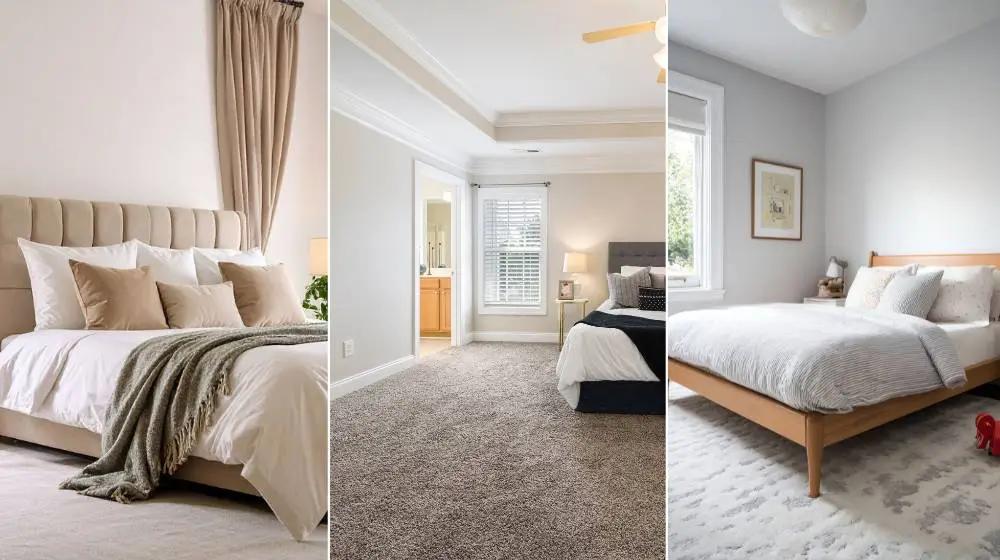
Choosing carpet for your bedroom is completely different from selecting flooring for any other area in your home. This is your private sanctuary, and priority number one should be comfort and that luxurious feeling you get when your bare feet touch the floor each morning. The right bedroom carpet can transform how you start and end every day.
3 Best Carpet Types for Bedrooms
1. Best Value & Softness: Cut-Pile Polyester Carpet
This is your sweet spot if you want plush comfort without breaking the bank. Cut-pile polyester gives you that soft, inviting feel underfoot while keeping costs reasonable. It’s perfect for young families, first-time homeowners, or anyone who wants a cozy bedroom on a moderate budget. The fibers are cut evenly, creating a smooth, luxurious texture that feels amazing when you step out of bed.
2. Best Luxury & Natural Feel: Thick Cut-Pile Wool Carpet
If you’re after the absolute best and budget isn’t your main concern, wool is unbeatable. This natural fiber brings unmatched softness, superior insulation, and a quality that improves with age. It’s ideal for master bedrooms, people with allergies (wool is naturally hypoallergenic), or anyone who values natural materials and long-term investment in their home comfort.
3. Best Durability: Low-Pile Nylon Carpet
For bedrooms that see heavy traffic, maybe you have kids running in and out, or pets that sleep with you, low-pile nylon stands up to everything. It resists stains better than other options and bounces back from compression. This works great for children’s bedrooms, guest rooms that double as play spaces, or if you simply want something that lasts years without showing wear.
Quick Verdict: For most people with normal bedroom use and a moderate budget, polyester carpet is the best type of carpet for bedrooms. But if you demand maximum coziness, superior aesthetics, and have room in your budget, wool carpet is worth every penny. I’ll break down exactly why in the sections below.
3 Key Factors That Make Bedroom Carpet Great
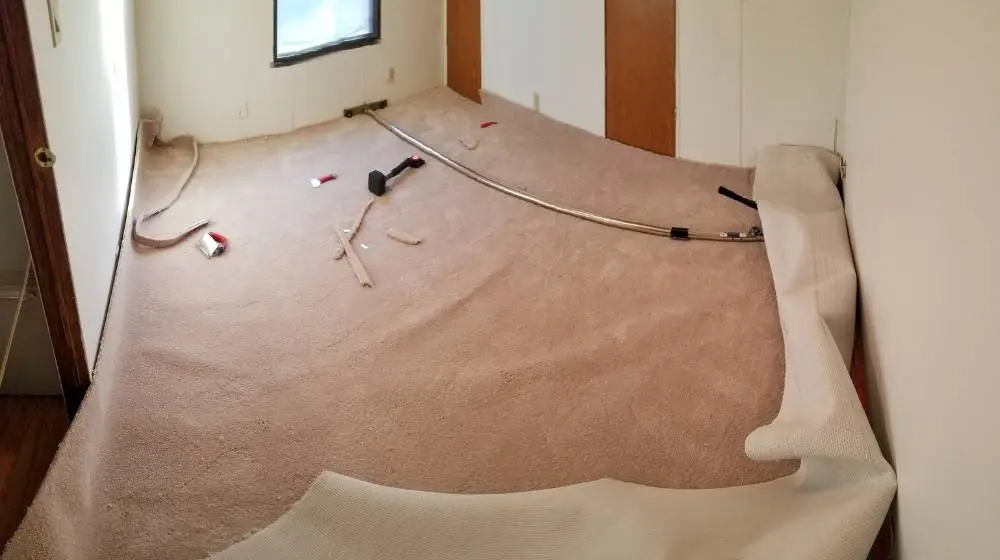
The best type of carpet for bedrooms comes down to three essential elements that work together:
Softness: Your bedroom floor should feel inviting, not scratchy or rough. You’re walking barefoot here more than anywhere else in your home.
Comfort Underfoot: Beyond just softness, think about cushioning and warmth. Cold, hard floors are the opposite of what you want when you wake up or wind down for bed.
Low Maintenance: Bedrooms typically see less foot traffic and fewer spills than living areas, but you still want something that doesn’t require constant professional cleaning or special treatments.
Carpet Material Comparison
| Material | Description | Pros for Bedrooms | Cons for Bedrooms |
|---|---|---|---|
| Polyester | Synthetic fiber known for soft texture and vibrant color options | Extremely soft, stain-resistant, affordable, great color retention, luxurious feel | Less durable than nylon, can mat down in high-traffic spots over time |
| Wool | Natural fiber from sheep, premium option with timeless appeal | Incredibly soft and warm, naturally flame-resistant, hypoallergenic, ages beautifully, regulates temperature | Most expensive option, requires professional cleaning, can be damaged by moths if not treated |
| Nylon | Strongest synthetic carpet fiber available | Highly durable, excellent resilience, resists crushing, easy to clean, holds up to pets | Can feel less plush than polyester or wool, typically costs more than polyester |
| Olefin | Budget-friendly synthetic fiber | Moisture and mildew resistant, affordable, good for basement bedrooms | Not very soft, lacks the cozy feel most people want in bedrooms, can look cheap |
| Triexta | Newer synthetic fiber (brand name: Sorona, SmartStrand) | Soft like polyester but more durable, excellent stain resistance, eco-friendly production | More expensive than polyester, fewer style options available |
For bedrooms specifically, cut pile and textured cut pile styles give you the comfort and appearance most people want. The best type of carpet for bedrooms almost always features one of these pile styles.
Budget Breakdown
Understanding cost helps you make realistic decisions about the best type of carpet for bedrooms within your budget:
Budget Range ($1 to $3 per square foot): Polyester and olefin options fall here. You can carpet an average 12×12 bedroom for $150 to $450 in materials alone. This works perfectly fine for rental properties, spare bedrooms, or if you’re planning to upgrade in a few years.
Mid-Range ($3 to $6 per square foot): Quality nylon and higher-end polyester live in this space. That same 12×12 bedroom runs $450 to $900. This is where most homeowners land when they want good quality that lasts 10+ years.
Premium Range ($6 to $12+ per square foot): Wool and luxury synthetic blends command these prices. A 12×12 bedroom could cost $900 to $1,700+ just for materials. This investment makes sense for master bedrooms or if you’re staying in your home long-term and value natural materials.
Remember these are material costs. Professional installation typically adds $1 to $3 per square foot, and quality padding adds another $0.50 to $1.50 per square foot.
Essential Factors When Choosing Bedroom Carpet
Pile Height and Density
Thicker isn’t always better, but for bedrooms, you want decent pile height. Look for 1/2 inch to 3/4 inch pile height for that plush feeling without making it difficult to move furniture or open doors. Density matters more than height though. A dense, shorter pile feels more luxurious and lasts longer than a tall, sparse pile.
Press your fingers into the carpet sample. If you easily feel the backing, the density is too low. Quality bedroom carpet should have substantial density that resists your pressure.
Padding Selection
Don’t overlook the padding beneath your carpet. It’s just as important as the carpet itself for comfort. For bedrooms, 7/16 inch to 1/2 inch thick padding with 6 to 8 pound density works perfectly. This provides cushioning without being so soft that it damages the carpet backing over time.
Memory foam or frothed foam padding feels incredible in bedrooms where comfort is priority. Traditional rebond padding costs less and still performs well.
Color and Pattern Considerations
Light colors make small bedrooms feel larger and create a serene atmosphere. Beiges, soft grays, and warm taupes are timeless choices that work with changing decor. However, if you have pets or kids frequenting the bedroom, medium tones hide dirt and wear better than very light or very dark colors.
Patterns can add personality, but solid colors give you more flexibility when you redecorate. If you choose patterns, keep them subtle for bedrooms since this is where you want calm, not visual chaos.
Allergy and Health Factors
If anyone in your home has allergies or asthma, carpet choice matters. Wool is naturally hypoallergenic and doesn’t emit VOCs (volatile organic compounds) like some synthetic carpets can when new. If you choose synthetic, look for Green Label Plus certification, which indicates low VOC emissions.
Consider that all carpet traps allergens from the air, which is actually beneficial because it keeps them out of your breathing zone until you vacuum. Regular vacuuming with a HEPA filter vacuum removes these trapped allergens effectively.
Carpet Types to Avoid in Bedrooms
Loop Pile (Berber): While durable, loop pile isn’t comfortable for bare feet and can snag on toenails or cause trips. It’s too utilitarian for a bedroom where comfort should rule.
Olefin/Polypropylene as Primary Choice: Unless you’re carpeting a basement bedroom with moisture concerns, olefin just doesn’t provide the soft, cozy feel that makes bedrooms special. It’s the most budget option for a reason.
Very Low Pile (Under 1/4 inch): Commercial-grade low pile is practical for offices but feels harsh and unwelcoming in bedrooms. You lose the comfort factor entirely.
Ultra-Thick Shag (Over 1.5 inches): While incredibly soft, extremely thick shag is difficult to clean, can interfere with doors, and actually becomes uncomfortable to walk on because your feet sink too far. Moderation works better.
Step-by-Step: Choosing the Right Carpet for Your Home
Step 1: Identify the Specific Room Location
Start by considering which bedroom you’re carpeting. Is this your master bedroom where you want maximum luxury? A child’s bedroom that needs durability? A guest room that sees occasional use? The room’s purpose guides every other decision. Also note any special conditions like basement bedrooms (need moisture resistance) or rooms over garages (need extra insulation).
Step 2: Determine Your Priority Factors
Rank what matters most to you. Is it budget, comfort, durability, appearance, or ease of cleaning? Most people can’t optimize for everything, so knowing your top two priorities helps narrow options fast. For most bedroom situations, comfort and appearance rank highest since bedrooms typically don’t face heavy wear.
Step 3: Select Your Carpet Fiber
Based on your priorities from step 2, choose your material. Remember these quick guidelines: polyester for best value and softness, wool for luxury and natural materials, nylon for durability and active households. This is where understanding the best type of carpet for bedrooms really comes into play.
Step 4: Choose Pile Style and Height
For bedrooms, textured cut pile between 1/2 and 3/4 inch gives you the ideal balance of comfort and practicality. If you want formal elegance and don’t mind footprints, go with plush cut pile. For very casual spaces or kids’ rooms, frieze style works great.
Step 5: Select Proper Padding
Don’t cheap out here. Get 7/16 to 1/2 inch padding with at least 6 pound density. Memory foam feels amazing but costs more. Frothed foam provides excellent support. Rebond padding is the economical choice that still performs well. The padding affects how your carpet feels as much as the carpet itself does.
Step 6: Pick Your Color and Pattern
Choose colors that complement your bedroom’s overall style and hide wear based on your lifestyle. Light neutrals work in most situations. Medium tones hide imperfections better. Avoid trendy colors you might tire of since carpet typically lasts 10 to 15 years. Bring home large samples and look at them in your bedroom’s actual lighting before deciding.
Frequently Asked Questions
Is polyester or nylon better for bedroom carpet?
For most bedrooms, polyester edges ahead because it’s softer and more affordable while still lasting 10+ years in low-traffic areas. Nylon wins if you have pets, children frequently in the room, or need maximum durability. The best type of carpet for bedrooms depends on your specific situation, but polyester handles typical bedroom use beautifully.
How often should bedroom carpet be replaced?
Quality bedroom carpet typically lasts 10 to 15 years, sometimes 20+ years for wool in low-traffic bedrooms. Replace it when you notice permanent staining, odors that won’t come out, visible wear patterns, or flattening that doesn’t bounce back. Bedrooms last longer than living areas because they see less traffic.
Does bedroom carpet need to match hallway carpet?
Not necessarily, but coordinating colors creates better flow. Many homes use more durable carpet in hallways (like low-pile nylon) and softer carpet in bedrooms (like cut-pile polyester). As long as colors complement each other, different styles in different spaces work fine.
Can I install bedroom carpet myself?
Technically yes, but professional installation is worth it for most people. Proper stretching, seaming, and securing the carpet requires specialized tools and experience. Poor installation causes ripples, premature wear, and can void your warranty. DIY works better for small areas or if you have prior experience.
What carpet thickness is best for bedrooms?
Total thickness (carpet plus pad) of 3/4 inch to 1 inch works ideally for bedrooms. This typically means 1/2 to 3/4 inch carpet pile with 7/16 to 1/2 inch padding underneath. This combination provides excellent comfort without causing door clearance issues or making the carpet too soft.
Is wool carpet worth the extra cost for bedrooms?
If you can afford it and value natural materials, absolutely. Wool provides unmatched comfort, naturally regulates temperature, resists allergens, and ages beautifully over decades. It’s the best type of carpet for bedrooms if budget allows. However, quality polyester at 1/3 the price performs excellently for most people’s needs.