How to Use a Steam Cleaner on Carpet (Yes, It’s Different from a Carpet Cleaner)
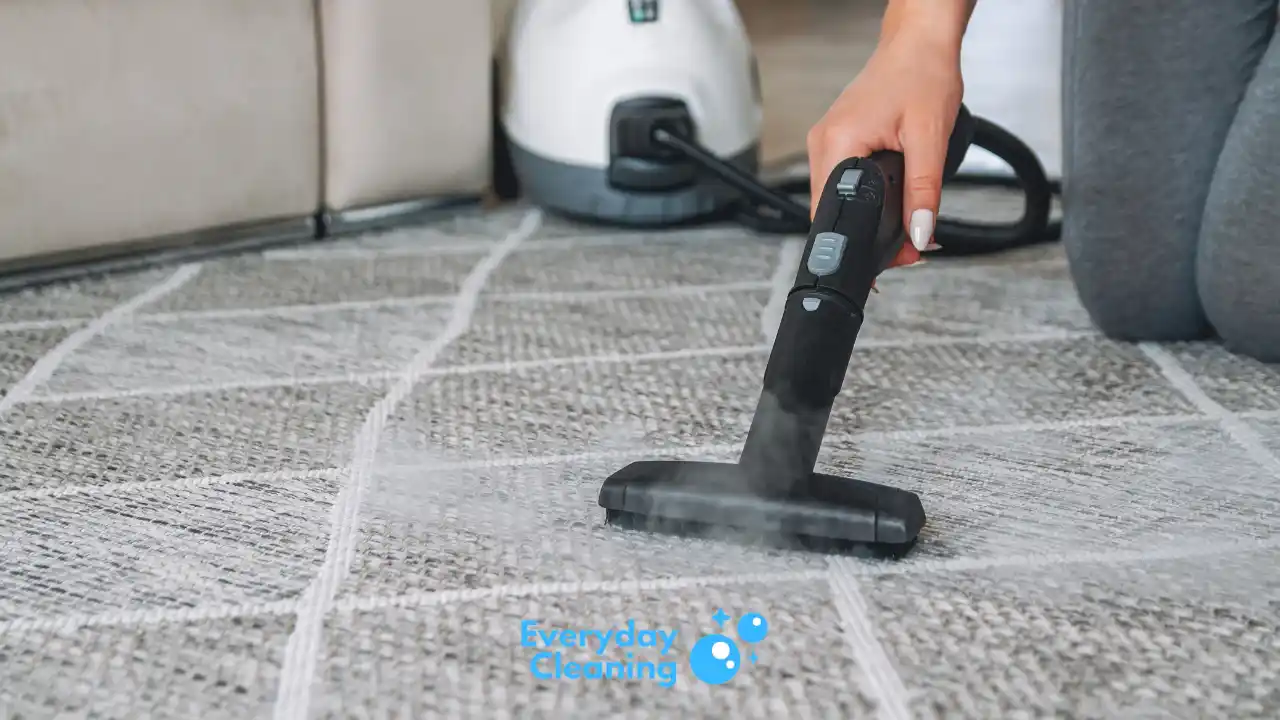
Knowing how to use a steam cleaner on carpet correctly makes a huge difference between a carpet that looks refreshed and one that’s left soggy and still dirty.
Steam cleaners are powerful tools. But carpet is a little different from tile or hardwood. It soaks things up. So if you rush the process or use the wrong attachment, you can end up with damp carpet that takes forever to dry, or worse, a stain that spreads instead of lifts.
This guide walks you through everything step by step, so you get it right the first time.
Table of Contents
Steam Cleaner vs. Carpet Cleaner: What’s the Actual Difference?
People mix these two up all the time, and honestly it makes sense because both machines clean carpet. But they work in completely different ways.
| Feature | Steam Cleaner | Carpet Cleaner (Extractor) |
|---|---|---|
| How it works | Uses dry steam heat to sanitize and loosen dirt | Injects water + detergent, then extracts it back out |
| Detergent needed? | No — water only | Yes — requires cleaning solution |
| Best for | Sanitizing, allergens, light soil, odors | Deep stains, heavy soiling, full carpet refresh |
| Drying time | 30 min to 2 hours | 6 to 24 hours |
| Chemical-free? | Yes | Usually no |
| Kills bacteria/dust mites? | Yes, effectively | Depends on solution used |
| Ideal frequency | Monthly or as needed | 1 to 2 times per year |
A carpet cleaner (also called a carpet extractor or shampooer) is the machine you rent from the grocery store or hire a professional to use. It’s heavy-duty and designed for deep extraction cleaning.
A steam cleaner, on the other hand, uses high-temperature steam to sanitize surfaces and loosen dirt without soaking the carpet. It’s faster, chemical-free, and honestly great for regular upkeep between those big deep cleans.
If your carpet is dealing with heavy stains or hasn’t been cleaned in years, a professional carpet steam cleaner might be worth a look for that first major clean. But for regular refreshing and sanitizing? Your home steam cleaner can absolutely handle the job.
When Steam Cleaning Carpet Actually Makes Sense
Steam cleaning is not always the right call. Here’s when it works really well, and when you might want a different approach.
Great situations for steam cleaning carpet:
- You have kids or pets and want to kill bacteria and allergens without chemicals
- Your carpet smells a little off but isn’t visibly filthy
- You want to sanitize after someone’s been sick
- You’re dealing with dust mites (steam heat kills them effectively)
- You want a quick refresh between deeper cleans
- You have a light surface stain you want to treat fast
When steam cleaning alone probably won’t cut it:
- The carpet has deep-set stains from months or years ago
- There’s heavy pet soiling embedded in the fibers
- The carpet hasn’t been professionally cleaned in a long time
- You’re dealing with large areas of heavy traffic dirt
For situations like that, you’d want something more powerful. If you’re looking at options, this overview of commercial-grade carpet steam cleaners covers machines built for tougher jobs.
Also worth knowing: if your home has a mix of carpet and hard floors, you’ll want to check that your steam cleaner has the right attachments for both. Some machines work beautifully on tile but aren’t ideal for carpet without the right accessory.
How to Use a Steam Cleaner on Carpet: Step-by-Step
Alright, let’s get into the actual process. This is where most people either get it right or go wrong.
Step 1: Vacuum First (This Step Is Non-Negotiable)
Before you even fill the water tank, vacuum the carpet thoroughly. And yes, this applies every single time.
Steam loosens dirt and debris. If there’s a layer of loose dust, hair, and crumbs sitting on top, the steam will push it around or even embed it deeper into the fibers. Vacuuming removes that surface layer so the steam can actually penetrate and sanitize.
Go slow. Do a couple of passes, especially in high-traffic areas. If you have pets, use a vacuum with good suction or a pet hair attachment first.
Step 2: Pick the Right Attachment
This is where a lot of people get confused. Most steam cleaners don’t come with a carpet glider by default — it might be included or sold separately depending on your model.
For carpet, you generally want one of these:
A carpet glider attachment (a flat pad that distributes steam evenly)
A fabric or upholstery attachment with a microfiber pad
A triangular nozzle for getting into corners and edges
Check your steam cleaner’s manual or manufacturer website to see what’s compatible. Using the wrong attachment on carpet can leave streak marks or push moisture unevenly into the pile.
Step 3: Fill the Tank and Heat It Up
Use distilled or demineralized water if possible. Tap water works, but it can leave mineral buildup inside the tank over time, which shortens the machine’s lifespan.
Fill to the indicated line (don’t overfill), then let the machine heat up fully before you start. Most home steam cleaners take 30 seconds to 3 minutes depending on the model. Wait for the ready indicator before you begin.
Step 4: Test a Small Area First
Before you go across the whole room, test a small hidden spot. Press the steam attachment lightly against the carpet, release a short burst of steam, and wait a moment. Check that the carpet fibers aren’t getting damaged or overly wet.
This matters especially for older carpets, delicate rugs, or carpets with vibrant dyes that might bleed.
Step 5: Work in Sections, Slow and Steady
Here’s the technique that makes the biggest difference: go slow.
Move the steam cleaner in overlapping straight lines, like mowing a lawn. Apply gentle downward pressure. Let the steam do the work — don’t scrub or push hard.
Work in small sections of about 3 to 4 square feet at a time. This helps you control the moisture and makes sure every area gets enough steam contact without being oversaturated.
Don’t go back over an area immediately after you’ve just done it. Give it a moment to release the steam before re-treating.
Step 6: Use a Clean White Cloth for Blotting
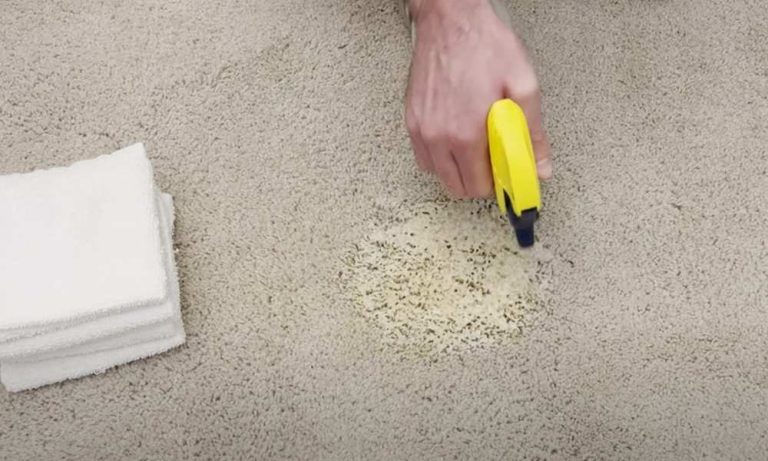
After steaming a section, if you notice any dirt being drawn to the surface, have a clean white cloth ready to blot. Don’t rub. Just press down gently and lift.
A microfiber cloth works great here because it grabs onto particles without spreading them around.
How to Handle Carpet Stains with a Steam Cleaner
Steam is genuinely good at loosening stains, but technique matters. Here’s how to approach it.
Fresh stains (happened recently):
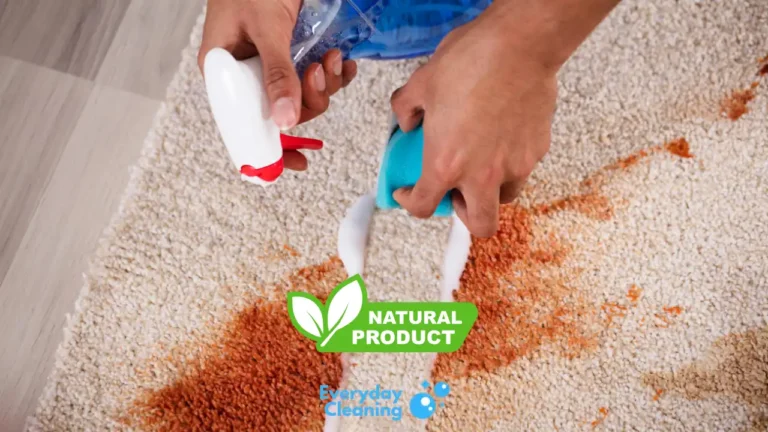
Blot up as much of the spill as possible with a dry cloth first.
Don’t rub — blot straight down and lift.
Once you’ve absorbed most of the liquid, go in with the steam cleaner using a small attachment.
Hold the attachment just above the stain and release a quick burst of steam.
Blot again with a clean cloth.
Repeat 2 to 3 times as needed.
Fresh stains respond really well to steam because the stain hasn’t had time to bond with the carpet fibers.
Older or set-in stains:
This is trickier. Steam can help loosen them, but it may not remove them entirely on its own.
Pre-treat the stain with a small amount of diluted white vinegar or a carpet-safe pre-treatment spray.
Let it sit for 5 to 10 minutes.
Then go in with the steam cleaner using short bursts.
Blot and check progress.
You may need to repeat a couple of times.
For set-in stains, manage expectations. Steam often improves them significantly but may not get them out 100% without a follow-up treatment or professional cleaning.
One thing to keep in mind: if you’re also dealing with allergens like dust mites or fleas in the carpet, steam is one of the best non-chemical ways to handle it. The heat penetrates deep into the fibers and kills them on contact. If that’s a concern in your home, this guide on steam cleaners for dust mites gives you a solid breakdown of what to look for in a machine.
Drying Time and Ventilation Tips
One of the biggest advantages of using a steam cleaner on carpet versus a traditional carpet cleaner is the shorter drying time. But “shorter” doesn’t mean instant.
What to expect:
Light steam pass on low-moisture setting: 30 minutes to 1 hour
More thorough steam clean: 1 to 2 hours
Heavily steamed areas or thicker carpet piles: up to 3 hours
The carpet will feel slightly damp right after. That’s normal. What you want to avoid is leaving it soaking wet or closing up the room while it dries.
Tips to speed up drying:
Open windows and doors to get air circulating. Cross-ventilation is your best friend here.
If the weather is humid outside, use a fan or a dehumidifier instead. Pointing a box fan directly at the carpet makes a noticeable difference.
Avoid walking on the damp carpet as much as possible. Footprints while it’s wet can flatten the fibers and leave marks.
If you have ceiling fans, turn them on. Airflow from above works surprisingly well.
Don’t put furniture back on the carpet until it’s fully dry. Metal and wood furniture can leave rust stains or dark marks on damp carpet fibers.
One more thing about moisture levels:
The key to using a steam cleaner on carpet without the soaking-wet problem is to use the right steam setting for the job. Most steam cleaners have a variable steam control. For carpet, use a lower or medium steam setting and keep the machine moving. Staying in one spot too long deposits too much moisture and defeats the purpose of using steam over a traditional carpet cleaner.
If your steam cleaner is leaving carpet noticeably wet rather than just lightly damp, you’re either using too high a setting, moving too slowly, or your carpet attachment isn’t distributing the steam evenly. Try a lighter pass first to see how your carpet responds.
Can You Use Any Steam Cleaner on Carpet?
Not every steam cleaner is built for carpet use. Some are designed strictly for hard floors — tile, grout, hardwood, and the like. Using those on carpet without the right attachment won’t do much, and could even push too much concentrated steam into one spot.
If you’re in the market for a steam cleaner specifically for home use that handles both carpet and hard floors, it’s worth checking out what features actually matter. This roundup of the best home steam cleaners for carpets covers machines that are actually designed to handle carpet well, including what attachments come included.
And if your budget is a consideration, there are solid options that won’t break the bank. A good all-around steam cleaner for home use can handle carpet, upholstery, tile, and more without needing multiple machines.
A Few Things to Avoid When Steam Cleaning Carpet
Before you wrap up, here’s a quick list of common mistakes that are easy to make and just as easy to avoid:
- Don’t skip vacuuming. Already covered this, but it’s worth repeating because it really does matter.
- Don’t use tap water if you can avoid it. Mineral buildup will clog your machine over time.
- Don’t use too much steam in one spot. Keep the machine moving at all times.
- Don’t use a steam cleaner on wool or delicate rugs without checking the manufacturer’s care label first. High heat can shrink or damage natural fibers.
- Don’t put the furniture back too soon. Wait until the carpet is completely dry.
- Don’t expect steam alone to replace a full carpet extraction cleaning. Think of steam cleaning as a regular maintenance tool, not a one-time deep clean solution.
- Don’t use cleaning solutions in a steam-only machine. Unless your machine specifically says it supports cleaning solutions, use water only. Adding detergent to a steam-only machine can damage the internal components and void your warranty.