How to Clean Grout with a Steam Cleaner (And Actually Make It White Again)
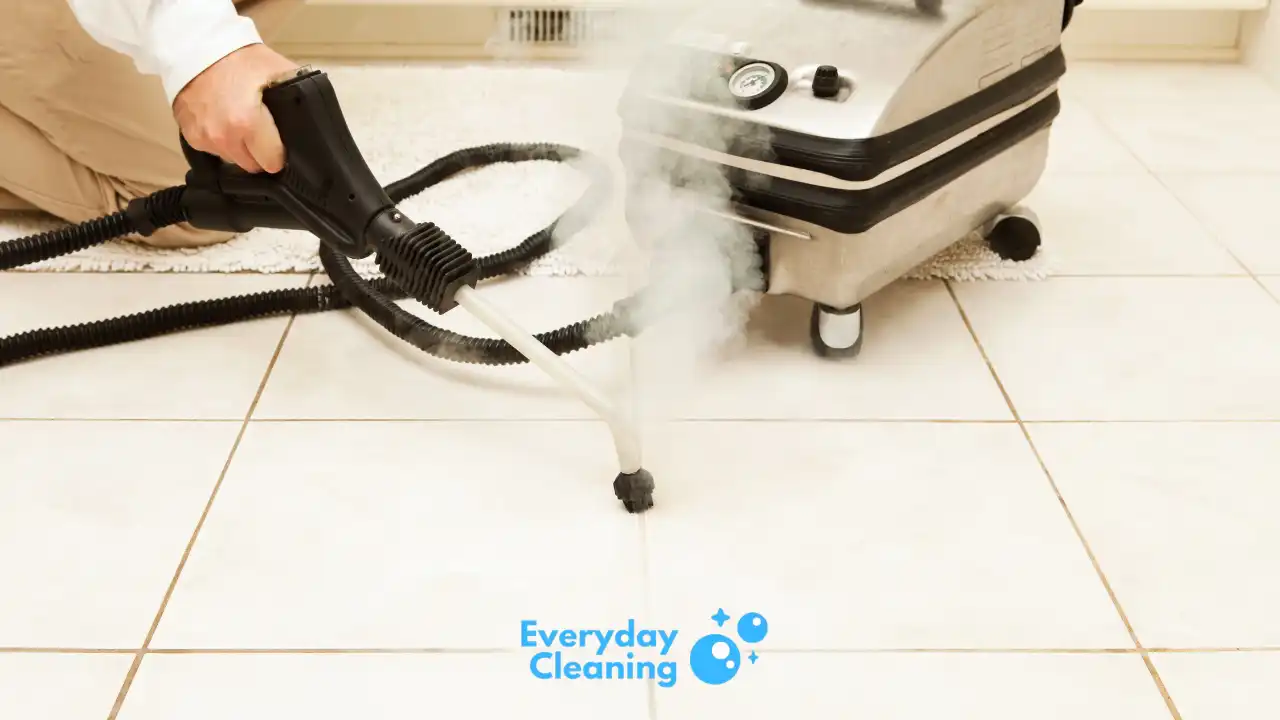
How to clean grout with a steam cleaner is one of those things that sounds complicated but is actually pretty simple once you know what you’re doing. If you’ve been scrubbing grout lines on your hands and knees with a toothbrush and getting nowhere, steam is about to change your life. No harsh chemicals, no back-breaking effort, just hot pressurized steam doing the heavy lifting for you.
Why Grout Is So Hard to Clean Without Steam
- Grout is porous. That’s the whole problem. It’s like a tiny sponge sitting between your tiles, soaking up everything that lands on it: dirt, grease, soap scum, mold spores, pet accidents. Regular mopping just pushes dirty water over the surface and some of that water gets absorbed right into the grout. Over time, white grout turns grey, then beige, then a shade of brown you didn’t ask for.
- Scrubbing with a brush and cleaner works to a point, but it can’t reach deep into those pores. And bleach? It fades the stain temporarily but doesn’t actually pull the grime out. It also degrades grout over time if you use it too often.
- Steam is different. The heat loosens the bond between the grout and the dirt, and the pressure forces the debris up and out of those tiny pores. It sanitizes at the same time because temperatures above 212°F kill bacteria and mold on contact. No rinsing required, no chemical residue, no fumes.
- If you’re still figuring out which machine to use, this guide to the best steam cleaners for grout breaks down the top options based on pressure, heat, and tank size so you’re not guessing.
What You’ll Need (The Nozzle Tip Matters a Lot)
Before you start, gather everything. You don’t need much, but a few things make a real difference.
- The steam cleaner: You want one that reaches at least 200°F and has decent steam pressure. A canister-style steam cleaner gives you more tank capacity and better pressure than most handheld units. That said, if your grout lines are in a small bathroom, a compact handheld designed for grout work can be easier to maneuver in tight spaces.
- The right nozzle: This is where most people go wrong. Use a brass-bristle or nylon-bristle brush attachment, not the flat nozzle or the squeegee. The brush tip focuses the steam directly into the grout line and the bristles agitate the loosened grime at the same time. Some machines come with a triangular grout nozzle specifically for this job. If yours has one, use it.
- A microfiber cloth or mop: For wiping away the dirty steam residue as you go.
- A bucket of warm water: Optional, but helpful for a quick rinse after each section.
- Grout sealer: You’ll want this for after the cleaning is done. More on that below.
How to Clean Grout with a Steam Cleaner: Step-by-Step
Step 1: Sweep or Vacuum the Floor First
Remove any loose dirt, dust, or debris before you start. Steam will just push loose particles around otherwise. A quick vacuum pass is all you need.
Step 2: Fill the Tank and Let It Heat Up
Fill your steam cleaner with distilled water if possible. Tap water works, but mineral buildup inside the tank shortens the machine’s life over time. Give the unit a few minutes to reach full operating temperature. Most machines have an indicator light that tells you when it’s ready.
Step 3: Attach the Brush Nozzle
Snap on your grout brush attachment. Make sure it’s secure. You’ll be pressing it against the floor with some force, and a loose tip is annoying to deal with mid-clean.
Step 4: Work in Small Sections
Don’t try to steam the whole room at once. Work in sections of about 2 to 3 square feet. This keeps the steam effective and gives you time to wipe away the lifted grime before it settles back down.
Hold the nozzle directly over the grout line, about half an inch away, and move it slowly along the line. Think of it like drawing with the steam: steady, slow strokes. Moving too fast means the steam doesn’t have time to penetrate. Too slow and you risk over-wetting the grout.
Step 5: Wipe as You Go
After steaming a section, immediately wipe with a microfiber cloth. You’ll see the grime lifting off on the cloth. This step is important because if you let the dirty residue dry back onto the tile, you’ve just made more work for yourself.
Step 6: Tackle Stubborn Spots with a Second Pass
For heavily stained grout, go over the same line twice. On the second pass, press the brush slightly harder into the grout line. The combination of heat, pressure, and bristle agitation on a second pass usually takes care of anything the first pass missed.
Step 7: Let Everything Dry Completely
Once you’re done steaming, give the floor at least 30 to 60 minutes to dry before walking on it or applying sealer. Open windows or turn on a fan to speed this up.
How to Seal Grout After Cleaning
- Sealing grout after a deep clean is one of those steps people skip and then regret. Clean grout is more porous than dirty grout because you’ve just pulled all that built-up grime out. If you don’t seal it, it will re-stain faster than before.
- Wait until the grout is completely dry. Then apply a penetrating grout sealer using a small foam brush or the applicator bottle that most sealers come with. Work it into the grout lines without getting too much on the tile surface. Wipe off any excess from the tiles within a few minutes.
- Let the first coat dry for about 15 to 20 minutes, then apply a second coat. Most sealers are fully cured within 24 to 48 hours. During that time, keep the floor dry.
- A good sealer will last 1 to 3 years depending on foot traffic and cleaning frequency.
How Often Should You Clean Grout with Steam?
This depends on where the grout is and how much wear it gets.
| Location | Recommended Steam Cleaning Frequency | Notes |
|---|---|---|
| Kitchen floor | Every 2–3 months | Grease and food particles build up fast |
| Bathroom floor | Every 2–3 months | Mold and soap scum are the main issues |
| Shower walls | Monthly | High moisture means faster mold growth |
| Entryway / mudroom | Every 1–2 months | Dirt tracked in from outside |
| Low-traffic areas | Every 4–6 months | Maintenance clean to prevent buildup |
Between deep steam cleans, a quick wipe with a damp mop keeps surface grime from working its way into the grout. If your steam mop has a scrubbing mode or comes with a brush head, using it for regular maintenance makes the deeper cleans much easier. If you’re shopping for a mop that doubles as a grout cleaner, this roundup of steam mops for tile floors and grout is worth a look.
Steam vs. Baking Soda and Brush: Which Actually Works Better?
People swear by both methods. Here’s an honest comparison so you can decide what fits your situation.
| Method | Effectiveness | Time Required | Cost | Chemical-Free? | Best For |
|---|---|---|---|---|---|
| Steam cleaner | High | Moderate (faster per sq ft) | Higher upfront | Yes | Deep stains, large areas, mold, sanitizing |
| Baking soda + brush | Moderate | Slow (manual scrubbing) | Very low | Yes | Light stains, small areas, budget cleaning |
Baking soda paste (mixed with a little water or dish soap) is a solid option for light surface staining. Apply it to the grout, let it sit for 10 minutes, scrub with a stiff brush, and rinse. It works fine for maintenance.
But for grout that’s gone dark brown or has visible mold, baking soda isn’t going to cut it. Steam gets hotter, reaches deeper into the pores, and covers a lot more ground in less time. If you’ve been scrubbing for years and the grout still looks bad, steam is the upgrade worth making.
One option worth considering: use both. Do a full steam clean first to loosen and remove the deep grime, then follow up with a baking soda pass on any spots that need extra attention. The two methods complement each other well.
If you want to see how different steam cleaners perform specifically on tile and grout before buying, this comparison of commercial-grade tile and grout steam cleaners covers the heavy-duty end of the market. And if budget is a concern, there are solid machines that won’t cost a fortune. This list of budget-friendly steam mops includes several that work great on tile floors without breaking the bank.
Tips to Keep Grout Looking Clean Longer
- Once you’ve done the work of getting your grout back to white, a few habits will help keep it that way.
- Wipe up spills right away, especially in the kitchen. The longer something sits on grout, the deeper it soaks in. A quick blot with a paper towel takes 5 seconds. Scrubbing out a stain that set overnight takes 20 minutes.
- Use a pH-neutral floor cleaner for regular mopping. Acidic cleaners can slowly break down grout over time. Stick to something gentle for everyday maintenance.
- Re-seal once a year in high-traffic areas. It takes less than an hour and makes every future cleaning job easier.
- Ventilate bathrooms well. Mold in shower grout is almost always a moisture problem. A working exhaust fan and leaving the shower door open after use goes a long way toward keeping grout clean between steam sessions.