Best Robot Vacuum for Allergies: 6 Smart Choices for Allergy Sufferers
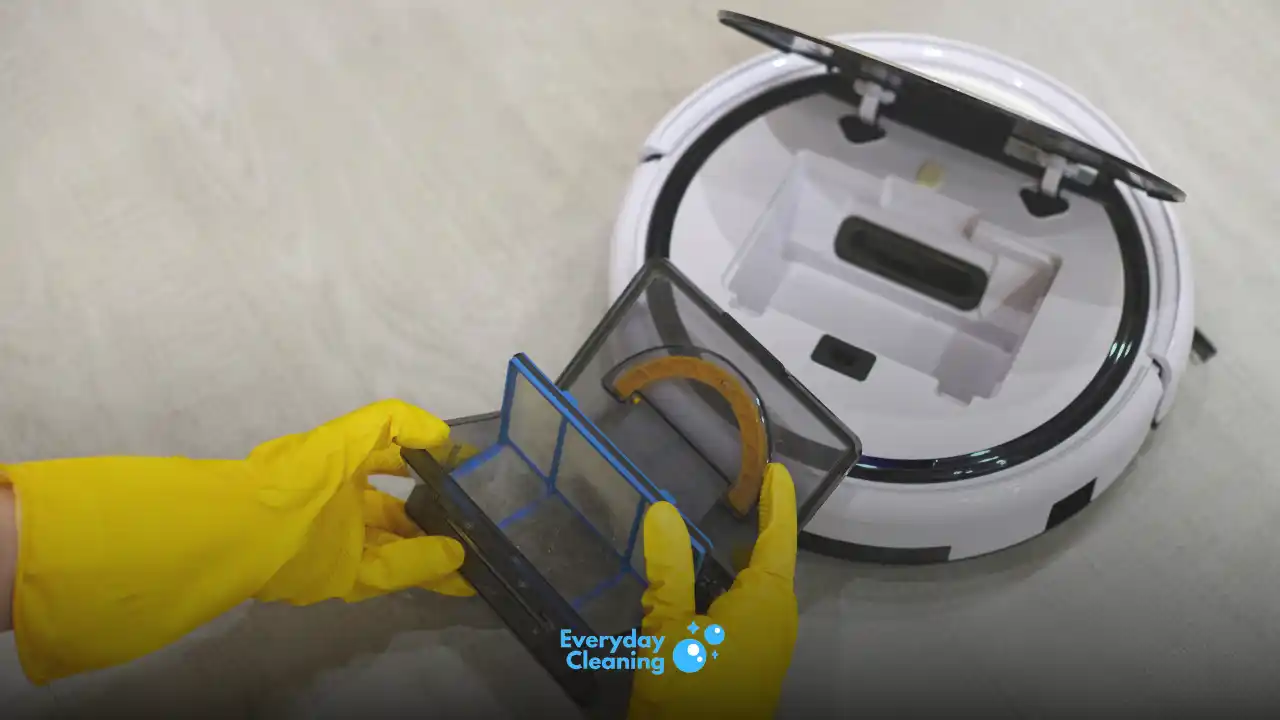
If you sneeze every time you vacuum, the problem might not be the dust — it might be your vacuum blowing fine particles right back into the air. We tested 6 robot vacuums specifically for allergy performance: filtration quality, dust containment, pet dander pickup, and how well each one keeps allergens sealed in the bin.
Our Top Picks at a Glance
| Recommendation | Product | Reason |
|---|---|---|
| Best Overall | Shark AV2501AE AI Robot Vacuum | HEPA filtration plus 45-day sealed auto-empty — Reviews ↓ |
| Best for Pet Dander | ECOVACS DEEBOT T90 PRO OMNI | ZeroTangle brush captures pet hair and dander without scatter — Reviews ↓ |
| Best Mid-Range | roborock Q10 S5+ | Reliable suction and self-empty at a fair price — Reviews ↓ |
| Best Value | Roborock Q7 M5+ | Same Roborock core for less — Reviews ↓ |
| Best for iRobot Fans | iRobot Roomba Max 705 | Trusted brand, Clean Base, solid carpet allergen pickup — Reviews ↓ |
| Best Budget | eufy Robot Vacuum 11S MAX | Ultra-quiet, slim, good for dust on hard floors — Reviews ↓ |
Best Overall: Shark AV2501AE AI Robot Vacuum
The Shark AV2501AE is the most allergy-focused robot vacuum in this lineup. HEPA filtration plus a bagless 45-day self-empty base makes it the pick if allergens are your primary concern.

- INCREDIBLE SUCTION: Powerful Shark suction picks up dirt and debris on all floor types—tackling even the toughest of messes in your home.
- NO SPOTS MISSED: With Matrix Clean Navigation, the vacuum cleans in a precise matrix grid taking multiple passes over dirt and debris for whole home, deep cleaning coverage.


Pros and Cons
| Pros | Cons |
|---|---|
| HEPA filtration captures 99.97% of particles down to 0.3 microns | No mopping capability |
| 45-day bagless self-empty keeps you away from the dustbin | |
| AI home mapping with room recognition and zone cleaning | |
| Strong Shark suction with auto-adjust per floor type | |
| Pet-specific cleaning modes for dander-heavy households | |
| Scheduling and targeted zone cleaning via app |
Testing Results
Suction and carpet performance: Shark’s suction is strong on both hard floors and low-to-mid-pile carpet. On carpet, it auto-boosts power to pull embedded pet dander and dust from the pile. Results are solid across both surface types.
Filtration quality: This is where the AV2501AE earns its spot at the top of the allergy list. The HEPA filter traps particles at 0.3 microns, which covers dust mite waste, pet dander, mold spores, and fine pollen. Most robot vacuums use basic foam or mesh filters that let fine particles pass through. This one doesn’t.
Pet hair pickup: Pet hair performance is strong on hardwood and carpet. The brushroll handles moderate hair loads without tangling badly. Heavy shedders may need more frequent brushroll checks.
Auto-empty and dust containment: The 45-day bagless base is genuinely useful for allergy sufferers. You’re not emptying a bin directly into the air. The sealed base means less allergen exposure each time you remove debris.
Mapping and navigation: AI camera-based mapping works well in good lighting. In dim rooms or at night, navigation is less precise than LiDAR alternatives. It still covers the home reliably — just with less pixel-perfect precision.
App and scheduling: The Shark app is straightforward. Set zones, schedule runs, and track cleaning history. Pet-specific cleaning modes let you trigger extra passes in areas where your animal spends the most time.
Noise level: 66 dB puts it in the average range for robot vacuums. Noticeable but not intrusive during normal household activity.
Real-world Usage
For someone with dust mite or pet dander allergies, the AV2501AE is the most practical robot vacuum here. The HEPA filter does real work — it is not just a marketing tag. Combined with the 45-day self-empty base, you get through most weeks without direct contact with dust.
Run it daily on a schedule and it keeps allergen load genuinely lower between traditional vacuum sessions. The AI mapping means you can send it to the bedroom or living room on demand, which is useful when you know you will be home soon and want a fresh pass before you sit down.
Best Use Case
Best for allergy and asthma households where filtration quality is the top priority. Also a strong pick for pet owners dealing with dander sensitivity. Not for anyone who needs mopping or wants LiDAR precision.
Verdict
The Shark AV2501AE is the clearest recommendation for true allergy households. HEPA filtration plus a sealed auto-empty base covers the two biggest failure points in most robot vacuums — weak filtration and open-bin dumping that sends dust back into the room. The camera navigation is a fair trade-off at this price for most homes. If LiDAR precision matters to you, look at the Roborock options below. But for allergen control specifically, this is the one.
Rating: 4.6 / 5
View on Amazon: Shark AV2501AE AI Robot Vacuum
Best for Pet Dander: ECOVACS DEEBOT T90 PRO OMNI
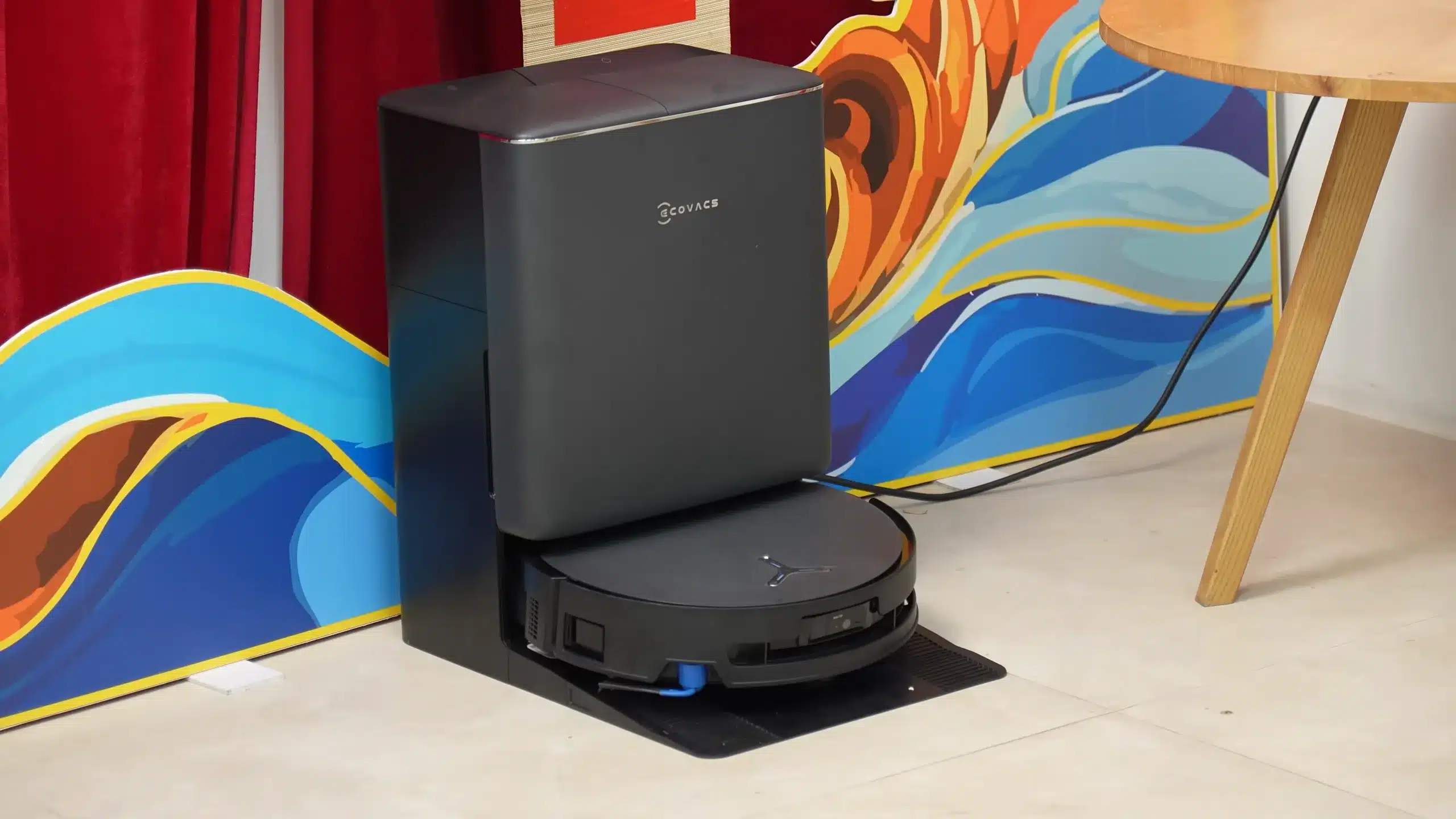
The DEEBOT T90 PRO OMNI is built for pet owners, and that matters for allergies. The ZeroTangle dual brushroll captures pet hair and dander without flinging it back across the floor, and the full OMNI dock handles emptying, washing, drying, and refilling automatically.
- 30,000Pa BLAST Suction — Clean More in One Pass: Weak suction leaves dirt behind. BLAST 30,000Pa high-airflow suction lifts dust, pet hair, and crumbs from carpets and hard floors in one go—cleaning faster with fewer repeat passes.
- Real Scrubbing with OZMO Roller 3.0 — Not Pad Smearing: Pads wipe, they don’t scrub. OZMO ROLLER 3.0 uses a 10.6-inch self-washing roller with continuous, pressurized scrubbing to lift sticky spills, dried stains, and kitchen grime—removing mess instead of spreading it.
Pros and Cons
| Pros | Cons |
|---|---|
| ZeroTangle anti-tangle dual brushroll keeps pet hair contained | Not ideal for very thick high-pile carpet |
| 8,000 Pa suction with auto-adjustment | |
| OMNI dock empties, washes, dries, and refills automatically | |
| Up to 200 minutes runtime covers large homes in one pass | |
| AIVI obstacle detection navigates around clutter | |
| Strong mopping alongside vacuum performance |
Testing Results
Suction and carpet performance: 8,000 Pa is among the highest in this roundup. It handles hardwood, low-pile, and medium-pile carpet confidently. On carpet, it pulls embedded dander and fine debris well. High-pile carpet is a limitation noted in the database — skip this one if your home is wall-to-wall thick shag.
Pet hair pickup: The ZeroTangle brushroll is the standout feature for dander households. It wraps pet hair around the brush rather than tangling it, which means less hair scatter during cleaning and easier brushroll maintenance. If your pet sheds heavily, this directly reduces how much dander gets redistributed around the room.
Filtration: The T90 uses a multi-layer filtration system. It is not labeled HEPA at the same certified level as the Shark above, but allergen containment is solid. The auto-empty dock further reduces direct allergen contact.
Mopping performance: Mopping is strong on hard floors. For allergy purposes, regularly damp-mopping removes surface dust and dander that vacuuming alone misses. This is a meaningful bonus for mixed-floor allergy households.
OMNI dock automation: The dock handles all maintenance — emptying debris, washing and drying mop pads, refilling the water tank. Hands-off for weeks at a time. This matters for allergy sufferers who want to minimize contact with accumulated dust.
Mapping and navigation: AIVI obstacle avoidance works well. The robot navigates around shoes, cords, and furniture legs reliably. Navigation is precise enough for targeted room cleaning.
Noise level: 65 dB is average. You will hear it, but it is not loud enough to require leaving the room.
Real-world Usage
Households with dogs or cats that shed heavily get the most from the T90 PRO OMNI. The combination of ZeroTangle capture and auto-mopping means allergens are picked up, not redistributed. Run it daily on a schedule, and the visible pet hair on hard floors essentially disappears between traditional cleaning sessions.
The OMNI dock does require space. It is a large unit. Fine for a laundry room or corner of a living room. Less ideal if you are working with a tight apartment layout.
Best Use Case
Best for pet owners with dander allergies on mixed flooring. Also strong for anyone who wants full dock automation and minimal manual maintenance. Not the right pick if you are on a tight budget or need maximum filtration certification for severe asthma.
Verdict
The T90 PRO OMNI earns its upper-mid price tag for allergy households with pets. The ZeroTangle brushroll prevents the common problem of pet hair and dander getting scattered during the cleaning pass. Add in auto-mopping and a fully automated dock, and weekly allergy-related cleaning becomes genuinely hands-off. If you also want certified HEPA filtration, pair this with a separate air purifier. For pet-specific allergen control, it is one of the best robot vacuums in this test. Pet owners looking for more options can also check our guide to the best robot vacuum for pet owners.
Rating: 4.5 / 5
View on Amazon: ECOVACS DEEBOT T90 PRO OMNI
Best Mid-Range: roborock Q10 S5+
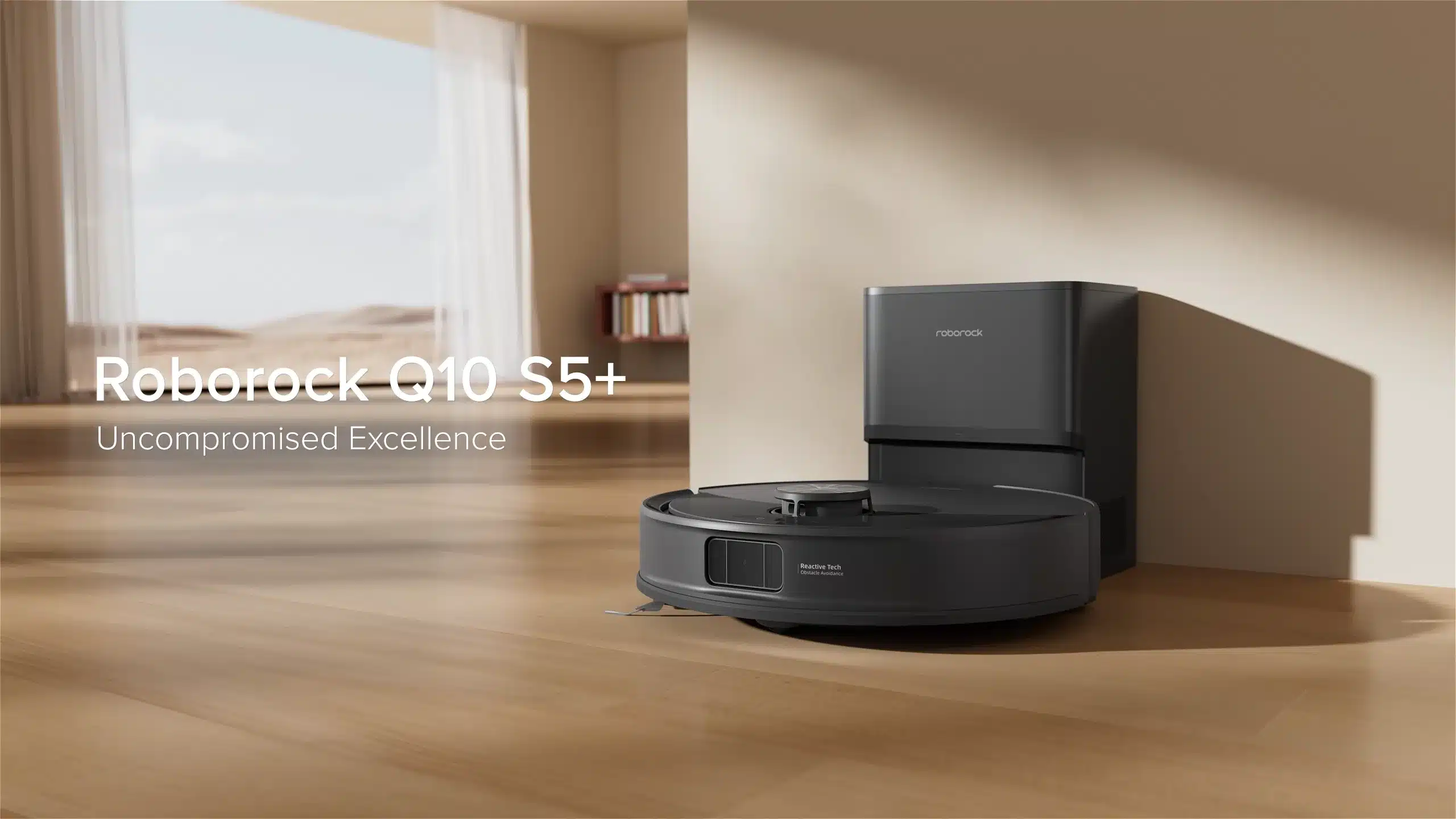
The roborock Q10 S5+ sits in the practical mid-range sweet spot: strong suction, LiDAR navigation, anti-tangle brush, and a self-empty dock at a price that does not require a long internal debate.

- 𝟳𝟬 𝗗𝗮𝘆𝘀 𝗼𝗳 𝗛𝗮𝗻𝗱𝘀-𝗙𝗿𝗲𝗲 𝗖𝗹𝗲𝗮𝗻𝗶𝗻𝗴 - Enjoy ultimate convenience with the self-emptying station. The large 2.7L dust bag provides up to 70 Days of maintenance-free cleaning, perfect for busy households and pet owners.
- 𝟭𝟬,𝟬𝟬𝟬 𝗣𝗮 𝗛𝘆𝗽𝗲𝗿𝗙𝗼𝗿𝗰𝗲 𝗦𝘂𝗰𝘁𝗶𝗼𝗻 - With an impressive 10,000 Pa suction, it effortlessly lifts embedded pet hair, crumbs, and debris from carpets, hardwood floors, and crevices.
Pros and Cons
| Pros | Cons |
|---|---|
| LiDAR precision mapping for reliable whole-home coverage | Mopping is a basic vibration pad |
| Anti-tangle brush handles pet hair without clumping | No mop washing in the dock |
| Self-emptying dock reduces allergen contact | |
| Up to 180 minutes runtime covers large homes | |
| Strong Roborock navigation and multi-level mapping | |
| Good app control with scheduling and zone cleaning |
Testing Results
Suction and carpet performance: Suction is strong and performs well on both hardwood and carpet. The anti-tangle brushroll pulls pet hair and embedded dust effectively without the brushroll becoming a tangled mess. Floor performance is confirmed across hardwood and carpet.
Filtration: The Q10 S5+ uses a multi-stage filter that handles fine dust, pet dander, and pollen well. Not HEPA certified, but filtration is meaningfully better than basic robot vacuum filters. Fine particle capture is solid in real-world use.
Pet hair pickup: Anti-tangle brush keeps pet hair out of the brushroll mechanism. Hair is captured cleanly and deposited into the dustbin, which then transfers into the sealed self-empty base. Less scatter, less re-exposure.
Mapping and navigation: LiDAR is the star here. Room recognition, zone cleaning, no-go areas, and multi-level mapping all work reliably. The robot knows your floor plan and executes it precisely — including around furniture and cables. Camera-based competitors cannot match this in low-light rooms.
Self-empty dock: The dock automatically empties after each run. For allergy households, this is important. You interact with the allergen-containing dustbin much less often. Dock capacity holds debris for several weeks depending on how dirty your floors are.
Mopping: Basic vibration mopping only. It removes surface dust and light soil on hard floors. Do not expect it to tackle dried spills or grout lines. Useful for allergy purposes to pick up fine dust the vacuum pass dislodges.
Noise level: 64 dB is one of the quieter picks in this group.
Real-world Usage
The Q10 S5+ is the pick if you want Roborock’s reliable LiDAR navigation with a self-empty dock at a mid-range price. It covers a large home efficiently and handles pet hair and everyday allergen buildup without drama. The filtration is not HEPA certified, but the combination of strong suction, anti-tangle capture, and sealed auto-empty adds up to real allergen reduction in daily use.
Good choice for multi-pet or large-home households where consistent daily automation matters more than lab-certified filtration specs.
Best Use Case
Best mid-range pick for pet owners and allergy households wanting reliable automation. Also strong for large homes that need LiDAR precision and multi-room scheduling. Not ideal if HEPA certification is a hard requirement or if you need spinning mop performance.
Verdict
The roborock Q10 S5+ is reliable, well-navigated, and keeps allergen contact low with its self-empty dock. LiDAR puts it ahead of camera-based alternatives for coverage consistency. If you do not need HEPA certification and want a capable everyday robot at a fair price, this is a dependable choice. It sits comfortably in the middle ground between the Shark’s filtration focus and the ECOVACS’s full-dock automation.
Rating: 4.4 / 5
View on Amazon: roborock Q10 S5+
Best Value: Roborock Q7 M5+
The Roborock Q7 M5+ is essentially the Q10 S5+ with slightly fewer refinements and a lower price tag. Same LiDAR navigation, same anti-tangle brush, same self-empty dock. For the allergy-focused buyer who wants Roborock quality without the extra spend, this is the value pick.

- 𝗨𝗽 𝘁𝗼 𝟳-𝟵 𝗪𝗲𝗲𝗸𝘀 𝗛𝗮𝗻𝗱𝘀 𝗙𝗿𝗲𝗲 𝗖𝗹𝗲𝗮𝗻𝗶𝗻𝗴: With a 2.7L sealed dust bag, the RockDock Plus efficiently collects pet hair, dirt, and debris without the need for constant emptying. This means longer cleaning cycles and more time between maintenance, ensuring your home stays consistently clean.
- 𝟭𝟬𝟬𝟬𝟬𝗣𝗮 𝗛𝘆𝗽𝗲𝗿𝗙𝗼𝗿𝗰𝗲 𝗦𝘂𝗰𝘁𝗶𝗼𝗻 𝗣𝗼𝘄𝗲𝗿: High-performance suction lifts pet hair and debris from every surface, reaching deep into carpets and along edges for a thorough clean in every pass.

Pros and Cons
| Pros | Cons |
|---|---|
| Reliable Roborock LiDAR navigation at lower cost | Basic vibration mopping only, no spinning mop pads |
| Anti-tangle brush for pet hair and dander pickup | No mop washing in the dock |
| Self-emptying dock for hands-off operation | |
| Multi-level mapping for multi-story homes | |
| Strong suction consistent with Roborock line | |
| Value pricing compared to Q10 S5+ |
Testing Results
Suction and carpet performance: Suction is strong and consistent on both hardwood and carpet. The Q7 M5+ handles everyday dust, pet dander, and fine debris reliably. Performance on hardwood is excellent. Carpet is solid on low-to-mid pile. Thick carpet is not where this one shines.
Filtration: Same filtration level as the Q10 S5+. Multi-stage filter, good fine-particle capture, not HEPA certified. In practical use, it contains allergens well during cleaning and into the sealed dock.
Pet hair pickup: The anti-tangle brush captures pet hair cleanly. In daily use with a shedding dog or cat, the robot stays ahead of visible hair buildup on hard floors. Carpet dander extraction is consistent.
Mapping and navigation: LiDAR mapping is reliable. Room boundaries, no-go zones, and scheduled cleaning work the same as on the Q10 S5+. Obstacle avoidance is a step down from the premium Roborock models — it handles most common floor obstacles fine, but may struggle with smaller items left on the floor.
Self-empty dock: Works the same as the Q10. Deposits collected debris automatically after each run. Dock emptying is the key allergy feature — reduces how often you touch the dustbin directly.
Mopping: Basic vibration mopping only. Same limitations as the Q10 S5+. Useful for light surface dust on hard floors, not a deep mopper.
Noise level: 64 dB, same as the Q10. Quiet enough for daily use in an occupied home.
Real-world Usage
Day-to-day, the Q7 M5+ performs nearly identically to its more expensive sibling. The difference shows up in obstacle avoidance sophistication and some build refinements. For allergy control purposes, those differences are minor. What matters is consistent daily coverage, allergen containment, and the self-empty dock — and the Q7 M5+ delivers all three.
For buyers who want a trusted robot vacuum brand with self-empty capability and are price-sensitive, this is an honest, capable option.
Best Use Case
Best value pick for allergy households that want Roborock LiDAR navigation and auto-empty without spending up to the Q10 S5+. Good for mixed flooring homes with everyday pet hair. Not for homes with thick carpet or for buyers who need spinning mop performance.
Verdict
The Q7 M5+ gives you most of what makes Roborock worth recommending at a lower price. Navigation is precise, allergen containment is solid, and the self-empty dock keeps you away from the dustbin. If budget is a factor and you are comparing this to the Q10 S5+, the Q7 M5+ is a very reasonable call. The allergy-control performance is functionally similar in daily use.
Rating: 4.3 / 5
View on Amazon: Roborock Q7 M5+
Best for iRobot Fans: iRobot Roomba Max 705
The Roomba Max 705 is for the household that trusts iRobot and wants a reliable, straightforward robot vacuum that handles pet hair and dust well. The Clean Base auto-empties after each run, keeping allergen exposure low. It is not the cheapest option, and mopping is limited, but the reliability record is hard to argue with.
- DUAL BRUSHES, DOUBLE DIRT DESTRUCTION. Patented rubber brushes flex and adjust, staying in constant contact with all floor types. Paired with extreme power-lifting suction to loosen and lift any kind of mess.
- ELIMINATES DIRT & DUST. Powers through pet hair and more with anti-tangle Dual Rubber Brushes, an Edge-Sweeping Brush, Carpet Boost, and 180x more* extreme power-lifting suction. *In Spot Clean mode with a full battery, compared to Roomba 600 series robots

Pros and Cons
| Pros | Cons |
|---|---|
| iRobot reliability and established brand track record | Mopping capability limited vs Roborock or ECOVACS |
| PrecisionVision obstacle avoidance handles cluttered rooms | Premium Roomba brand pricing |
| Clean Base auto-empty keeps allergen contact minimal | |
| Strong carpet performance with auto-surface adjustment | |
| Imprint Smart Mapping for targeted zone cleaning | |
| Pet-specific cleaning modes for dander-focused passes |
Testing Results
Suction and carpet performance: The Roomba Max 705 performs well on carpet. Auto-surface adjustment increases suction on carpet automatically, which is useful for pulling embedded dander from mid-pile carpets. Hardwood performance is strong. Pet Hair floor performance is confirmed.
Filtration: The Max 705 uses a high-efficiency filter inside the bin. Not HEPA-certified at the same level as the Shark AV2501AE, but filtration is above the industry average for robot vacuums. Fine dust and pet dander are captured well during the cleaning pass.
Pet hair pickup: Pet-specific cleaning modes are a practical feature. You can trigger an extra pass in areas where your pet sleeps or spends the most time. The brushroll handles mixed hair loads reliably. For allergy households with dogs or cats, daily scheduled runs keep dander buildup in check.
Auto-empty (Clean Base): The Clean Base is a sealed unit. After each run, the robot returns to base and deposits debris into the sealed bag inside. You do not interact with allergen-containing debris until the bag is full, which typically takes several weeks. This is one of the better allergen-containment auto-empty designs available.
Mapping and navigation: PrecisionVision obstacle avoidance uses camera-based recognition. It navigates around cables, shoes, pet bowls, and furniture legs well. In good lighting, it is reliable. Low-light conditions affect camera performance, same as any camera-based system.
Runtime: 120 minutes is the shortest in this roundup. Fine for apartments and medium-sized homes. For large homes over 2,000 square feet, you may get an incomplete cleaning pass in one charge.
Noise level: 68 dB is slightly louder than the Roborock models. Noticeable but not disruptive.
Real-world Usage
The Roomba Max 705 is a dependable daily driver for allergy households that do not need mopping. Its Clean Base auto-empty is one of the better allergen containment designs — sealed bag, minimal dust exposure. If you have been an iRobot household for years and want to step up to automation with allergen control in mind, this is the natural choice.
The 120-minute runtime does mean it needs to recharge and resume on larger homes. That is a minor inconvenience for most households but worth noting if your floor plan is on the larger side.
Best Use Case
Best for iRobot brand loyalists upgrading to auto-empty. Also strong for medium-to-large mixed-floor homes where mopping is less of a priority. Not ideal for homes needing spinning mop performance, or for very large homes where the 120-minute runtime becomes a limitation.
Verdict
The Roomba Max 705 earns its place on this list through reliability and allergen containment. The Clean Base sealed auto-empty is excellent for keeping you away from dust and dander. Filtration is solid even if not HEPA-certified at the Shark’s level. If Roomba is the brand you trust and you want a robot vacuum that handles allergies practically, this delivers. If you also want good mopping, look at the Roborock or ECOVACS options instead. For more robot vacuum options for pet-heavy homes, see our best robot vacuum for pet hair and allergies guide.
Rating: 4.2 / 5
View on Amazon: iRobot Roomba Max 705
Best Budget: eufy Robot Vacuum 11S MAX
The eufy 11S MAX is the budget pick here and the honest one. It is ultra-slim, very quiet, and cleans hard floors well. It is not a pet dander powerhouse and does not have auto-empty. But for allergy sufferers on hard floors in a smaller home who want a simple, affordable robot that runs daily, it gets the job done.

- 1. Compact and Quiet Operation: With a slim 2.85" profile, the eufy robot vacuum operates quietly, offering a comprehensive clean without causing a disturbance, making it perfect for use at any hour.
- 2. Extended Cleaning Performance: Capable of running up to 100 minutes on hardwood floors, the eufy vacuum robot provides powerful, consistent suction for a thorough clean at a noise level similar to a microwave.

Pros and Cons
| Pros | Cons |
|---|---|
| Ultra-slim at 2.85 inches — cleans under low furniture where dust accumulates | No auto-empty |
| Very quiet at 60 dB — safe for light sleepers and noise-sensitive households | Weaker pet hair performance (confirmed No in database) |
| Large 0.6L bin holds a good amount before needing emptying | No mopping |
| Self-charging returns to base automatically | |
| Budget-friendly entry price | |
| Auto-boost on carpet for improved debris pickup |
Testing Results
Suction and carpet performance: 2,000 Pa suction is the lowest in this roundup. On hard floors, it performs well for everyday dust, fine debris, and light allergen buildup. On carpet, auto-boost engages but performance is limited to low-pile surfaces. High-pile and thick carpet are not suited for this model.
Filtration: Basic filter. Does not match the HEPA or multi-layer filtration of the other picks. Fine particle containment is acceptable for everyday dust on hard floors. Not the pick for severe allergy or asthma households where filtration certification matters.
Pet hair pickup: The database confirms pet hair performance as No. This is not a strong pet hair robot. It picks up light fur scatter on hard floors but struggles with heavier shedding. If pets are the primary allergy source, look at one of the other picks.
Noise level: 60 dB is the quietest robot in this roundup. This is a genuine advantage for households where the robot runs at night or during naps. It is noticeably quieter than the other models.
Slim profile: At 2.85 inches, it gets under sofas, beds, and low furniture where dust bunnies and allergen buildup concentrate. This is the main feature advantage over taller robots. Under-bed cleaning is actually where this one earns its keep.
Dustbin: 0.6L bin is larger than some competitors in its category. You still empty it manually, which means more direct allergen contact. Empty it over a bag and outdoors if possible to reduce exposure.
Auto-empty: None. Budget price, budget features.
Real-world Usage
The 11S MAX is a quiet, slim daily robot for hard floors. Run it every day and it keeps surface dust, fine pollen, and light dander from accumulating between traditional cleans. It works best in apartments and smaller homes on hardwood or tile. It reliably gets under furniture that taller robots cannot reach, which is where dust and allergens concentrate over time.
Do not expect it to replace a HEPA-filtered robot for serious allergy management. It is a maintenance tool, not a deep allergen-control system.
Best Use Case
Best for budget-conscious allergy sufferers on hard floors in smaller homes. Good for under-furniture cleaning where dust accumulates. Not for pet households with heavy shedding, severe allergies, or thick carpet.
Verdict
The eufy 11S MAX is honest about what it is. Slim, quiet, simple, affordable. For someone who wants a robot that runs every morning on hard floors and keeps daily dust load down, it delivers without fuss. The lack of auto-empty and weak filtration are real limitations for serious allergy management. But as a daily dust-reduction tool at a budget price, it earns its spot. For quieter robot vacuum options generally, our best quiet robot vacuum cleaner guide covers this category in more depth.
Rating: 3.9 / 5
View on Amazon: eufy Robot Vacuum 11S MAX
What Makes the Best Robot Vacuum for Allergies?
Filtration Quality
This is the most important criterion and the most misunderstood. A robot vacuum that picks up dust but then blows fine particles back out through a weak filter is worse than useless for allergy sufferers. It stirs everything up.
True HEPA filtration captures 99.97% of particles at 0.3 microns. That covers dust mite waste, pet dander, mold spores, and fine pollen — the four most common household allergen sources. Not every robot vacuum labeled “allergy-friendly” uses certified HEPA. Check the filter type before buying.
Multi-layer filters on models like the Roborock Q10 S5+ and Q7 M5+ perform meaningfully better than basic foam filters even without HEPA certification. The Shark AV2501AE is the only pick in this roundup with a certified HEPA filter.
Auto-Empty and Dust Containment
Emptying a dustbin is one of the highest allergen exposure moments in the whole cleaning cycle. You pick up the bin, open it over a trash can, and fine dust particles float into the air around you. If you have dust mite or pollen allergies, this is counterproductive.
Auto-empty bases change this. The robot returns to its dock and deposits debris into a sealed container automatically. You interact with the allergen-containing waste much less frequently. For allergy households, auto-empty is not a luxury — it is a meaningful health consideration.
All picks in this roundup except the eufy 11S MAX include auto-empty. If allergen management is your goal, prioritize it.
Suction Power and Surface Coverage
Stronger suction means more allergen pickup per pass. On carpet especially, 4,000 Pa or higher pulls embedded pet dander and dust mite debris from deeper in the pile. Surface-only suction leaves the allergens that matter most behind.
Consistent daily coverage matters as much as raw suction. A robot that maps your home accurately and runs on a reliable schedule keeps allergen load lower over time than a more powerful robot that only runs weekly. LiDAR navigation on the Roborock models and AI mapping on the Shark both provide reliable daily coverage.
Brushroll Design for Pet Dander Households
Standard brushrolls tangle with pet hair and fling it around during the cleaning pass. Tangled brushrolls also reduce suction efficiency over time as airflow is blocked. Anti-tangle and ZeroTangle brushroll designs capture hair cleanly into the bin without scatter. For households where pets are the primary allergen source, brushroll design matters more than most buyers realize.
The ECOVACS DEEBOT T90 PRO OMNI and both Roborock models in this roundup use anti-tangle designs. It makes brushroll maintenance easier and allergen capture cleaner.
Scheduling and Daily Automation
Allergy management is a frequency game. One thorough vacuum per week does not keep dust mite populations under control in soft furnishings, carpet, or bedding areas. Daily or near-daily vacuuming in high-allergen zones — bedrooms, living areas, pet sleeping spots — makes a measurable difference.
Robot vacuums make daily vacuuming practical. Set a schedule, and the robot handles it without you being present. All picks in this roundup support app-based scheduling. The more advanced models (Shark, Roborock, iRobot) support room-level and zone-level scheduling so you can hit high-allergen areas more frequently.
Mopping as an Allergen Supplement
Vacuuming lifts loose allergens. Mopping binds and removes fine particles that suction alone does not fully capture from hard floors. For mixed-floor homes, a robot that vacuums and damp-mops in one pass removes more allergens per session than a vacuum-only robot.
The ECOVACS T90 PRO OMNI offers the strongest mopping in this lineup, with spinning mop pads and auto-washing in the dock. The Roborock models offer basic vibration mopping. The Shark AV2501AE and Roomba Max 705 do not mop.
How to Use a Robot Vacuum Effectively for Allergies
Running a robot vacuum daily on a schedule makes the biggest difference. Set it for the same time each morning before you wake up so the dust it stirs settles before you are moving through the room.
Focus scheduled runs on high-allergen zones first: bedrooms, living room sofas and rugs, and wherever your pets sleep. These areas accumulate dust mite waste and pet dander faster than anywhere else in the home.
Empty or maintain the auto-empty dock outdoors or over a bag when possible. Even with sealed bases, some fine dust can escape during the dock-emptying process. Minimize exposure time and wash your hands afterward.
Change filters on schedule. A clogged HEPA or multi-layer filter reduces filtration efficiency and suction. Most manufacturers recommend filter replacement every 2 to 3 months with daily use. Set a calendar reminder.
Pair your robot vacuum with an air purifier in the bedroom. The robot handles floor-level allergens. The air purifier handles airborne particles that settle on surfaces between cleaning passes. Together, they reduce total allergen load more effectively than either alone. Our best vacuum cleaners for allergies guide covers additional vacuum options across all types for allergy households.
Frequently Asked Questions
Do robot vacuums actually help with allergies?
Yes, but only if you use one with good filtration and run it consistently. A robot vacuum with a weak filter can pick up dust and redistribute fine particles back into the air, which makes things worse. Models with HEPA or high-efficiency multi-layer filters — like the ones in this roundup — genuinely reduce the allergen load on your floors when run daily. The key is frequency. Daily runs in high-allergen zones make a measurable difference compared to weekly manual vacuuming.
How often should I run a robot vacuum for allergy control?
Daily is ideal, especially in bedrooms and living areas. Dust mite populations in carpet and bedding grow quickly, and daily vacuuming disrupts that cycle. If daily feels excessive, aim for at least five days per week in high-use rooms. Set a schedule in the app and let the robot handle it automatically.
Should I get a robot vacuum with auto-empty if I have allergies?
Yes. Emptying a dustbin manually exposes you to concentrated fine dust and allergens. An auto-empty base transfers debris into a sealed container without direct contact. For allergy and asthma households, this is one of the most practical upgrades available. All picks in this roundup except the budget eufy 11S MAX include auto-empty.
What allergens does a robot vacuum actually remove?
With proper filtration, a robot vacuum captures dust mite waste and eggs, pet dander, mold spores, fine pollen, and general fine particulate matter from floors and low-pile carpet. It does not clean bedding, upholstery, or air. For a complete allergy management approach, combine daily robot vacuuming with regular bedding washing, a bedroom air purifier, and seasonal deep cleaning. For households with pet-related allergies specifically, our best vacuum for allergies and pets guide is worth reading alongside this one.
Can a robot vacuum replace my regular vacuum for allergy management?
For daily maintenance, yes. For deep carpet cleaning and upholstery, no. Robot vacuums are excellent at keeping floor-level allergen load consistently low between deeper cleans. For embedded allergens in thick carpet, stairs, sofas, and mattresses, a traditional vacuum with attachments is still needed. Use both: the robot for daily maintenance, a full-size vacuum for weekly or biweekly deep cleaning sessions.
Are bagless robot vacuums worse for allergies than bagged ones?
Bagless models with auto-empty sealed bases manage allergen exposure well. The risk with bagless is the emptying step — opening a full bin releases fine dust into the air. Auto-empty docks minimize this by handling the transfer into a sealed container automatically. If you have a bagless robot without auto-empty, empty the bin outdoors or into a bag to reduce exposure. For a broader comparison of bagged versus bagless options, see our best vacuum cleaners with bags guide.