How to Clean Vinyl Fence: Remove Mold and Mildew Without Damaging the Coating
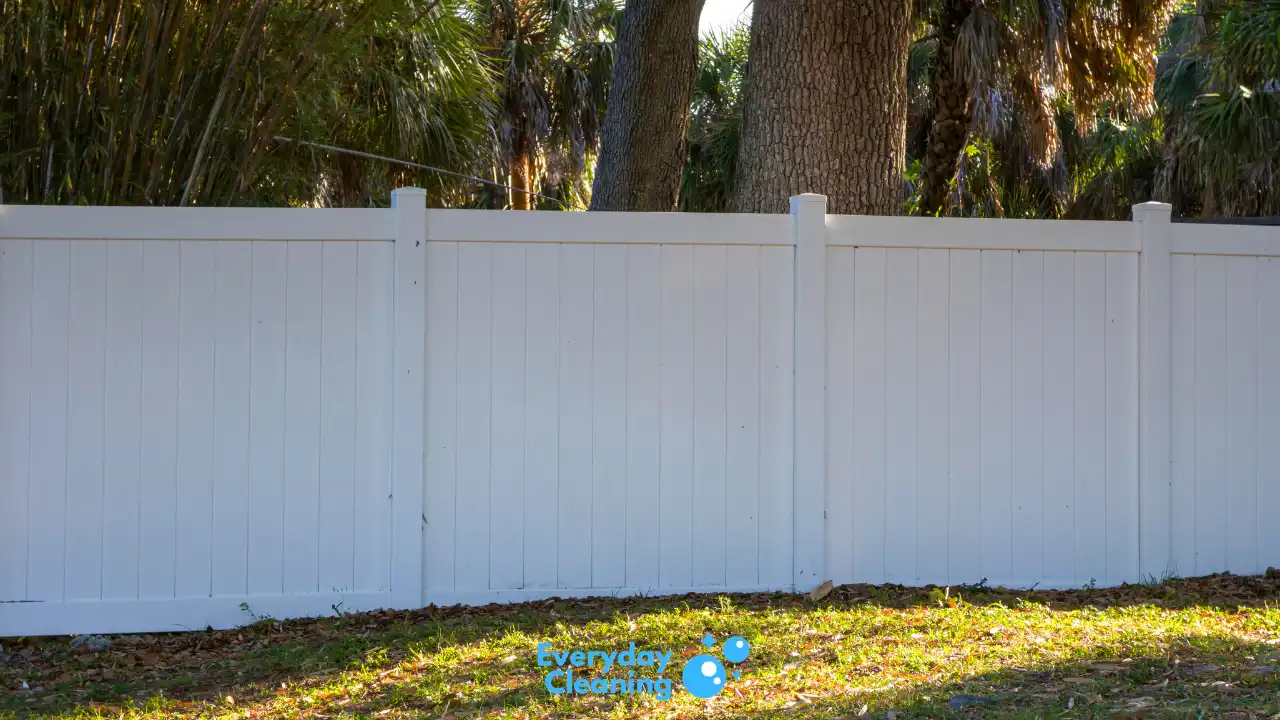
Vinyl fence looks great when it’s new, but mildew and discoloration build up fast, especially on the shaded side. The good news is that cleaning it takes less than an hour and you do not need a pressure washer to get good results.
Why You Should Skip the Pressure Washer
A lot of people assume a power washer is the fastest way to clean a vinyl fence. It might be. But high pressure can damage the coating over time, and once that coating is gone, the fence is harder to keep clean.
The better approach is a soft wash. You spray the solution on, let it dwell, scrub lightly, and rinse it off with a garden hose. That is all it takes. The fence comes out looking clean without the risk of stripping the finish. If you have pavers or a concrete patio nearby that also needs cleaning, the same gentle approach works there too. Check out how to clean pavers without power washing for a similar method.
Another reason to go gentle: if you have grass or plants along the fence line, harsh chemicals like bleach can run off and kill them. Nobody wants to damage their lawn just to clean a fence. The same logic applies when you clean landscape rocks without killing plants nearby.
What You Will Need
Nothing complicated here. You probably have most of this at home already.
- A garden hose with a spray nozzle
- A large soft-bristle broom
- A small broom or detail brush for posts and crevices
- A pump sprayer
- Super Clean degreaser
- Dish soap
- Water
For the cleaning solution, mix six cups of water with two cups of Super Clean and a couple of squirts of dish soap. That ratio works well. The Super Clean handles the mildew and grime, and the dish soap helps everything slide off more easily when you rinse.
Half a gallon of this mixture covers roughly two and a half fence panels. Mix more if you have a longer fence.
How to Clean Vinyl Fence Step by Step
Step 1: Prepare Your Cleaning Solution
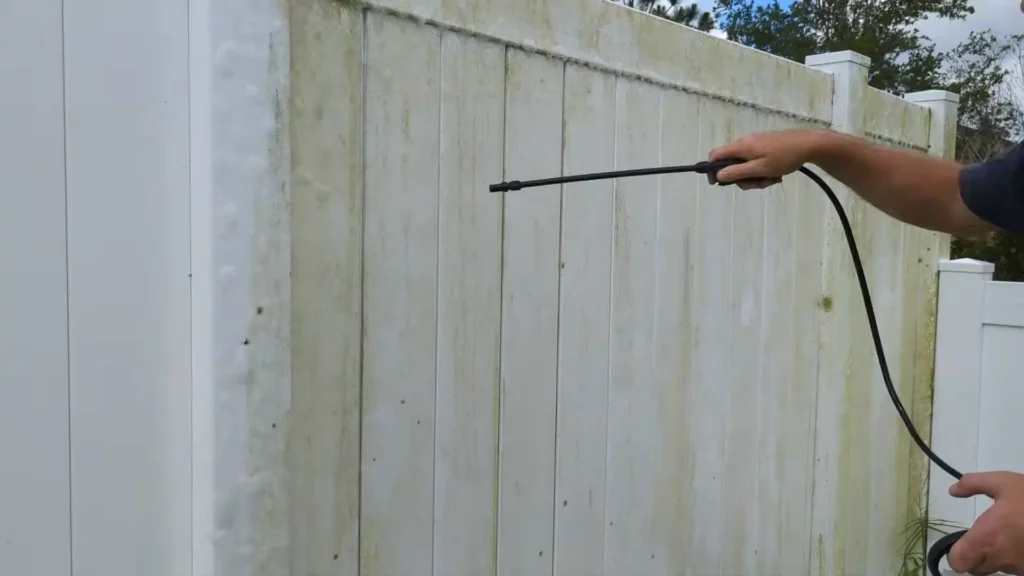
Add six cups of water to your pump sprayer, then pour in two cups of Super Clean. Add two squirts of dish soap. Give the sprayer a few pumps to pressurize it.
Step 2: Spray One Panel at a Time
Work one panel at a time. Do not try to cover the whole fence at once. If the solution dries before you rinse it, it is harder to remove and you lose the benefit of the dwell time.
Spray the panel from top to bottom and give it good coverage. You want the surface to stay wet.
Step 3: Let It Dwell
After spraying, wait a couple of minutes. This is the part most people skip, and it makes a big difference. The solution needs time to loosen the mildew and discoloration sitting in the texture of the vinyl. Rushing straight to scrubbing means more work and less result.
Step 4: Scrub the Posts and Detail Areas
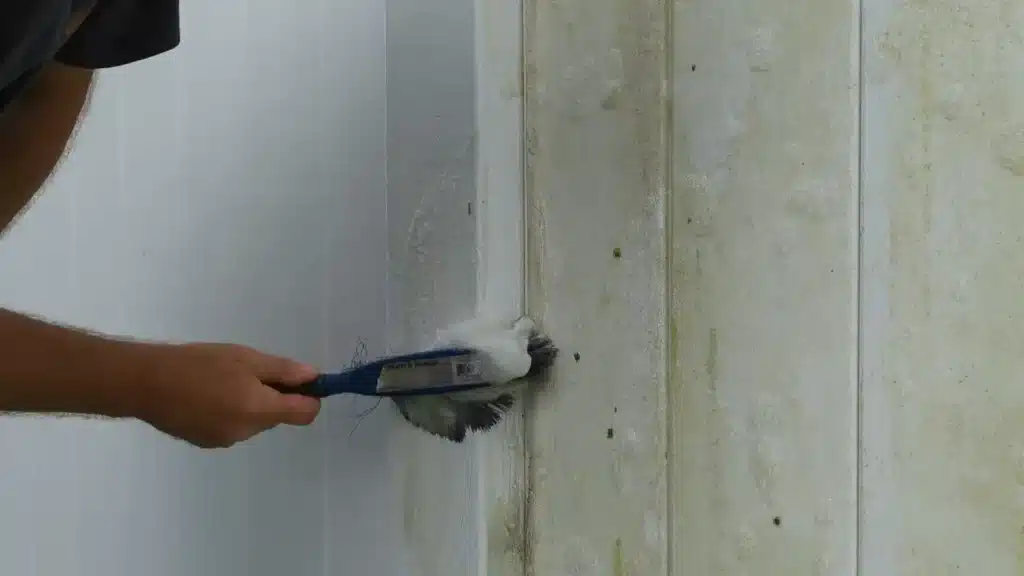
Use your small broom or detail brush to work the posts and any narrow sections first. The posts usually have corners and edges where grime collects. A small brush gets in there better than the big broom.
Give those areas a quick extra spray once you are done scrubbing them.
Step 5: Scrub the Panel with a Soft-Bristle Broom
Take your large soft-bristle broom and go over the full panel. Work side to side, then up and down. This gets into the horizontal grooves and makes sure nothing is left behind.
This step should take about a minute per panel. It is light work. You are not scrubbing hard, just giving the loosened grime something to move.
Step 6: Rinse Thoroughly
Rinse the panel from top to bottom with your garden hose. Use a spray nozzle that gives you decent water pressure, but you are not trying to blast anything off. The solution has already done the work. You are just washing it away.
The difference after rinsing is usually significant. The yellowing and green mildew come right off, and the fence looks close to how it looked when it was first installed.
Repeat the process on the next panel before moving on.
Tips for Better Results
Do not let the solution dry on the fence. Work in the shade if possible, or do this job on a cooler day. Direct sun speeds up drying and can leave streaks.
Work top to bottom on each panel. This way dirty water runs down over sections you have not cleaned yet instead of over sections you just finished.
Check the fence first. If there is loose dirt or debris stuck to the surface, give the whole fence a quick rinse with plain water before you start. This knocks off the easy stuff so your cleaning solution focuses on what is actually stuck.
Do not use bleach near landscaping. Super Clean is a much safer option if you have grass, garden beds, or shrubs running along the fence. It gets the job done without the runoff risk.
How Often Should You Clean a Vinyl Fence?
Once a year is usually enough if your fence is in a typical yard. Twice a year makes sense if the fence is shaded for most of the day, which speeds up mildew growth, or if you live somewhere with a lot of humidity.
The longer you wait between cleanings, the more the mildew sets into the surface and the harder it is to remove in a single session. Cleaning it every year while the buildup is still light is much easier than waiting three years and scrubbing twice as hard. If you also have a metal roof or exterior surface showing similar staining, the guide on how to clean a metal roof without scrubbing covers a comparable soft-wash approach.
Frequently Asked Questions
Can you clean a vinyl fence with just dish soap and water?
Plain dish soap and water will remove light surface dirt but it usually will not touch mildew or the green algae staining that builds up over time. For a fence that has not been cleaned in a year or more, you need something with more cleaning power. A degreaser like Super Clean mixed with dish soap handles both the grime and the slippery mildew layer underneath.
Is it safe to use a pressure washer on vinyl fence?
You can use one on a lower setting, but it carries a real risk of damaging the coating. Once the surface coating is degraded, the vinyl stains faster and is harder to keep clean. A soft wash with a garden hose gives you clean results without that risk.
What removes green algae from vinyl fence?
The green color usually comes from algae or mildew that has settled into the texture of the vinyl. A degreaser mixed with dish soap and warm water handles it well. Apply the solution, let it sit for a couple of minutes, then scrub with a soft-bristle brush and rinse. If the algae staining is severe, you may need a second pass. If mold is a recurring issue around your home, it is worth reading about what actually happens when you use a steam cleaner on mold for indoor surfaces.
Will cleaning the fence damage my grass?
Bleach-based products can damage grass and plants if they run off into the soil. That is a real risk with some commercial fence cleaners. The solution described here uses Super Clean and dish soap, both of which are much gentler on lawn and garden areas nearby. Still, rinse the area around the base of the fence when you are done.
How long does it take to clean a vinyl fence?
A typical backyard fence with five to eight panels takes around 45 minutes to an hour at a relaxed pace. Working one panel at a time and letting the solution dwell adds a few minutes per section, but the scrubbing and rinsing go quickly once the grime is loosened.