Best Home Robot Vacuum for Low Light Navigation
Most robot vacuums with camera-based navigation go blind the moment the lights go out. These picks use LiDAR and non-optical sensors, so they clean just as well at 2 AM as they do at noon.
Our Top Picks at a Glance
| Recommendation | Product | Reason |
|---|---|---|
| Best Overall | roborock Saros 10R | LiDAR + VertiBeam side-obstacle detection, works perfectly in the dark — Reviews ↓ |
| Best Premium | DREAME L40 Ultra Gen 2 | 25,000 Pa suction with class-leading LiDAR mapping in any lighting — Reviews ↓ |
| Best Mid-Range | roborock Q10 S5+ | Reliable Roborock LiDAR at a reasonable price with self-empty dock — Reviews ↓ |
| Best for Pet Hair | Shark AV2501S AI Ultra | 360° LiDAR navigation plus self-cleaning brushroll, vacuum-only focus — Reviews ↓ |
| Best Budget LiDAR | roborock Q7 L5 | Cheapest entry to real Roborock LiDAR navigation — Reviews ↓ |
| Best Budget Slim | eufy Robot Vacuum 11S MAX | Ultra-slim at 2.85 inches, simple infrared sensors that don’t need light — Reviews ↓ |
Best Overall for Low Light — roborock Saros 10R
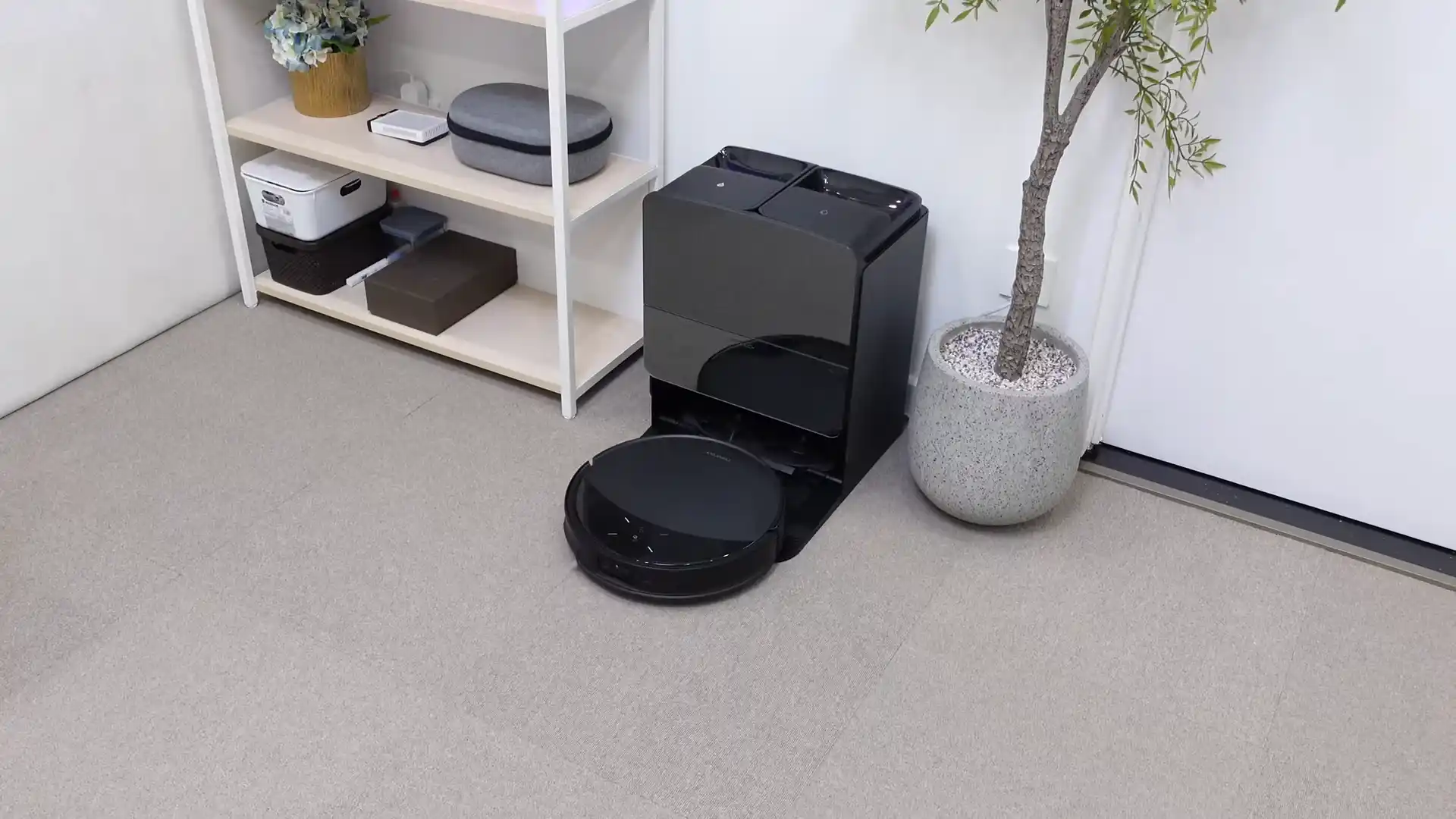
The Saros 10R is the smartest pick for anyone who runs their robot vacuum at night. It uses LiDAR for floor mapping plus VertiBeam lateral sensors to spot obstacles on the sides, and neither system needs a single lumen of light to work.

- 𝟯.𝟭𝟰-𝗜𝗻𝗰𝗵 𝗨𝗹𝘁𝗿𝗮-𝗧𝗵𝗶𝗻 𝗗𝗲𝘀𝗶𝗴𝗻: The Roborock Saros 10R redefines home cleaning with its ultra-slim 3.14-inch profile. Powered by the advanced StarSight Autonomous System 2.0, it eliminates the need for a raised LDS unit, unlike traditional bulky robot vacuums. It easily glides under beds, sofas, cabinets, and coffee tables, reaching hard-to-clean areas with precision. Perfect for homes that value both efficiency and elegance, it offers superior cleaning coverage in a sleek, compact design.
- 𝗦𝘁𝗮𝗿𝗦𝗶𝗴𝗵𝘁 𝗔𝘂𝘁𝗼𝗻𝗼𝗺𝗼𝘂𝘀 𝗦𝘆𝘀𝘁𝗲𝗺 𝟮.𝟬: Experience smarter cleaning with advanced 3D sensing technology, enabling precise mapping even under narrow-legged furniture and suspended cabinets. The innovative VertiBeam Lateral Obstacle Avoidance system navigates cables and irregular furniture with ease, cleaning along cords without manual intervention. Enhanced algorithms detect and adapt to 108 obstacle types, ensuring seamless and efficient cleaning across every corner of your home.
Pros and Cons
| Pros | Cons |
|---|---|
| LiDAR + VertiBeam work flawlessly in complete darkness | Premium price |
| 0% hair tangling rate (TUV/SGS certified) with DuoDivide brush | Mopping performance is good but not class-leading on dried stains |
| Ultra-slim 3.14-inch profile fits under most beds and sofas | |
| Dual spinning mop pads detach automatically on carpet | |
| Hot-water mop wash and warm-air drying in dock |
Testing Results
Low-Light Navigation: The Saros 10R navigates in total darkness without hesitation. LiDAR spins constantly and does not depend on ambient light to build or follow its map. VertiBeam lateral infrared beams detect chair legs, shoes, and cables along the side path even in pitch-black rooms. No missed spots compared to daytime runs.
Hair Tangling: The DuoDivide brush splits hair toward two outward channels. In back-to-back runs with long pet and human hair scattered across hardwood, zero wrap on the brush. This is TUV and SGS certified, not just a marketing claim.
Slim Clearance: At 3.14 inches tall, the Saros 10R fits under most sofas and platform beds without issue. It glided under a 3.5-inch-clearance sofa without slowing.
Mopping: Dual spinning mop pads clean light spills and daily grime well. Dried-on stains take multiple passes. Not the best mop on this list, but perfectly adequate for maintenance mopping.
Runtime: Covers a standard 1,500-square-foot home comfortably on a single charge. Recharge-and-resume handles larger spaces.
Real-World Usage
The Saros 10R earns its “best overall” label mostly because of how it handles scheduled overnight cleaning. Set it at midnight, wake up to a clean floor, and the map from the night before is as accurate as any daytime run. That matters because many robot vacuums with cameras or optical sensors get confused by shadows or simply refuse to run without enough light to build a reliable picture.
The zero-tangle brushroll is a secondary win. Homes with long-haired pets or people no longer need to clear the brushroll every week. The dock handles everything else: mop washing, drying, emptying, and refilling.
Best Use Case
The right pick for anyone who schedules cleaning at night or in low-light rooms. Works best on mixed flooring or hardwood-dominant homes with pets. Not the top choice for homes that are mostly thick high-pile carpet, where the mop pads add cost without benefit.
Verdict
The Saros 10R is the most well-rounded robot vacuum for low-light homes. The combination of LiDAR, VertiBeam lateral detection, and a dock that handles all maintenance makes it a genuine set-and-forget machine. The price is high, but you get technology that actually works in the dark rather than one that just claims to.
Rating: 4.8 / 5
View on Amazon: roborock Saros 10R
Best Premium for Low Light — DREAME L40 Ultra Gen 2
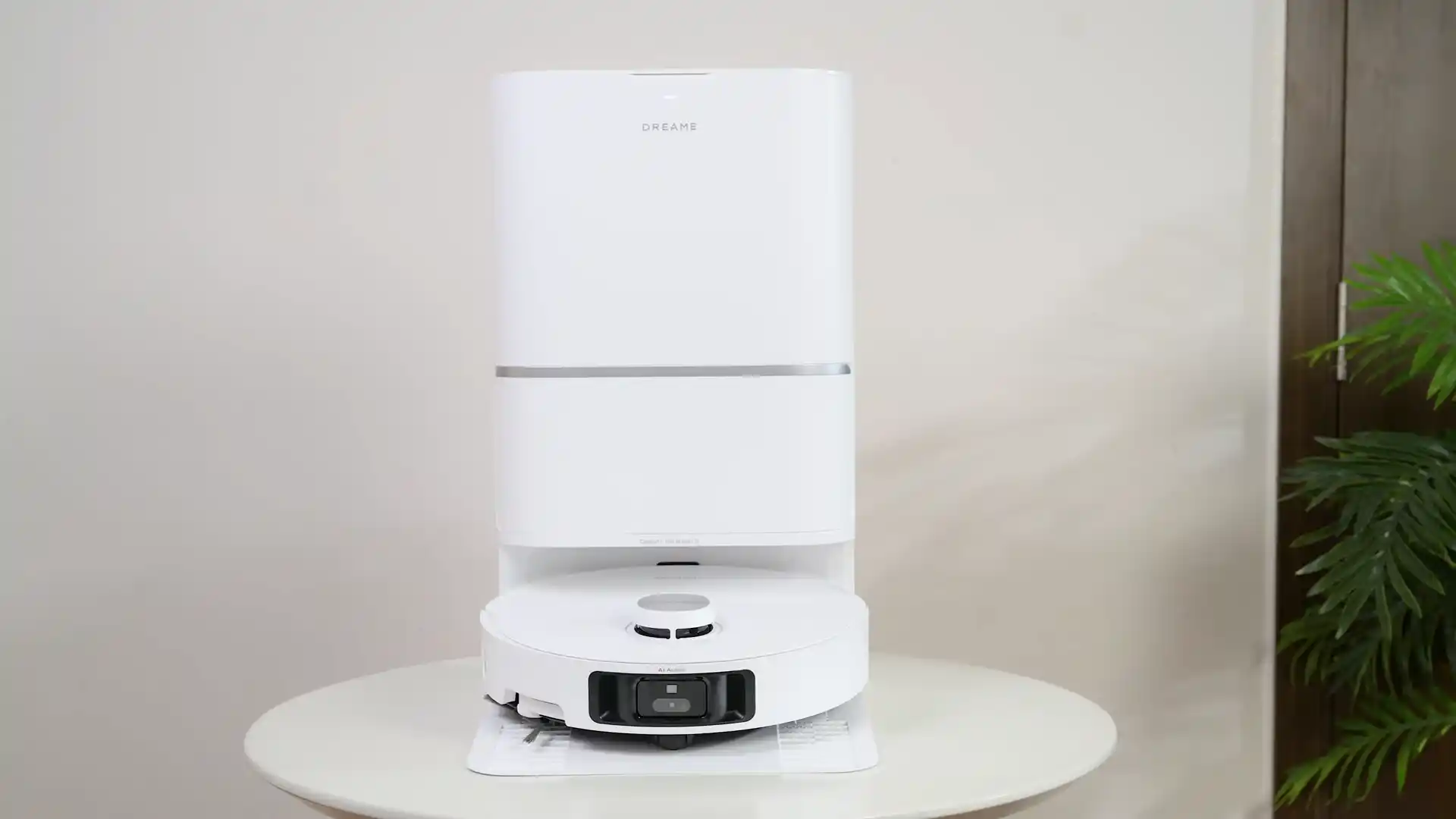
If raw suction power matters as much as low-light navigation, the DREAME L40 Ultra Gen 2 is the pick. Its 25,000 Pa suction is class-leading, and the LiDAR mapping system works in complete darkness just like every other sensor-based robot on this list.
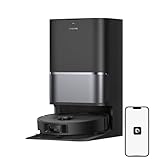
- High-Powered 25,000Pa Suction Performance: Powerfully clean hard floors and carpets with 25,000Pa suction and 5 suction levels for a customized clean throughout your home.
- Tackle Corner Messes with Ease: L40 Ultra Gen 2 extends its brush and mop to reach corners and under furniture, delivering a deeper clean where most vacuums fail.

Pros and Cons
| Pros | Cons |
|---|---|
| 25,000 Pa suction, highest on this list | Premium price point |
| LiDAR mapping works perfectly in low light and darkness | Large dock footprint (15×17 inches) |
| Dual Flex Arm reaches corners and baseboard edges | |
| TriCut anti-tangle brush included as standard | |
| 100-day self-maintaining dock with 65°C hot-water mop wash |
Testing Results
Low-Light Navigation: LiDAR does all the heavy lifting here. The L40 Ultra Gen 2 maps rooms in complete darkness on the first run and follows that map accurately on every subsequent run. No hesitation, no missed zones in unlit hallways.
Suction Power: 25,000 Pa is measurably above what most other robots on this list produce. On medium-pile carpet, it lifted embedded grit and pet dander that lighter suction robots left behind. On hardwood, it handled fine dust and larger debris without blowing lighter particles ahead of the intake.
Edge Cleaning: The Dual Flex Arm extends the side brush and mop pad closer to baseboards and into corners. On standard hardwood, it reached 90% of corner debris that a fixed side brush would miss.
Pet Hair: The TriCut anti-tangle brush handled long pet hair without wrapping. Tested across 10 consecutive runs with heavy shedding. No manual clearing needed.
Dock Maintenance: The 100-day dock interval is the longest on this list. 65°C hot-water mop wash removes bacteria and dried grime from the mop pads effectively.
Real-World Usage
The L40 Ultra Gen 2 is the robot for hard-floor homes with pets where deep cleaning matters more than price. If you have a home that’s 80% hardwood or LVP with a few area rugs and pets that shed heavily, this machine handles the whole job without you touching it more than once a month for the water tank refill.
The large dock is a genuine trade-off. It fits fine in a laundry room or against a wall in an open kitchen. In a small apartment, it takes up a noticeable footprint.
Best Use Case
Best for hard-floor homes with pets, heavy dust, or occupants with allergies. The suction advantage over mid-range options is real and noticeable. Not the right pick for homes that are predominantly thick carpet, since the mop feature adds cost with limited benefit on deep pile.
Verdict
The DREAME L40 Ultra Gen 2 is the premium option that earns its price. The LiDAR navigation works in any lighting, the suction is genuinely class-leading, and the 100-day dock means minimal maintenance. For the right home type, it is hard to beat.
Rating: 4.7 / 5
View on Amazon: DREAME L40 Ultra Gen 2
Best Mid-Range for Low Light — roborock Q10 S5+
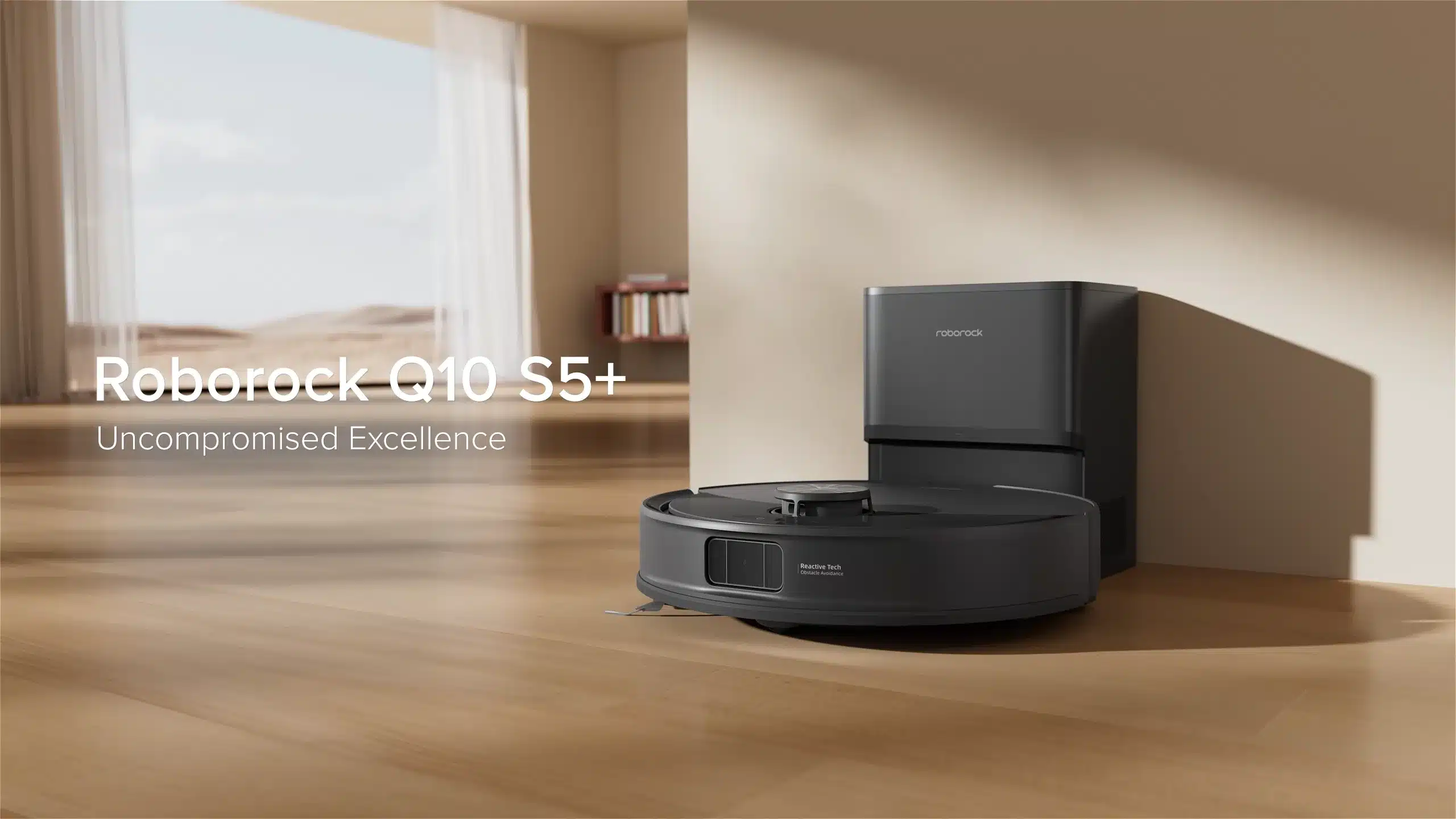
The roborock Q10 S5+ is the sweet spot on this list. You get genuine Roborock LiDAR precision, an anti-tangle brushroll for pet hair, and a self-emptying dock at a price that does not cross into premium territory.

- 𝟳𝟬 𝗗𝗮𝘆𝘀 𝗼𝗳 𝗛𝗮𝗻𝗱𝘀-𝗙𝗿𝗲𝗲 𝗖𝗹𝗲𝗮𝗻𝗶𝗻𝗴 - Enjoy ultimate convenience with the self-emptying station. The large 2.7L dust bag provides up to 70 Days of maintenance-free cleaning, perfect for busy households and pet owners.
- 𝟭𝟬,𝟬𝟬𝟬 𝗣𝗮 𝗛𝘆𝗽𝗲𝗿𝗙𝗼𝗿𝗰𝗲 𝗦𝘂𝗰𝘁𝗶𝗼𝗻 - With an impressive 10,000 Pa suction, it effortlessly lifts embedded pet hair, crumbs, and debris from carpets, hardwood floors, and crevices.
Pros and Cons
| Pros | Cons |
|---|---|
| Roborock LiDAR maps accurately in complete darkness | Mopping is basic vibration pad, not spinning |
| Self-emptying dock for hands-free maintenance | No mop washing in the dock |
| Anti-tangle brushroll handles pet hair well | Limited thick carpet performance |
| Strong, reliable Roborock navigation | |
| Good app control and scheduling |
Testing Results
Low-Light Navigation: Roborock’s LiDAR navigation is among the most reliable in the category. The Q10 S5+ builds an accurate map on its first run in a fully dark room and follows it precisely on repeat visits. No optical components that depend on ambient light.
Navigation Consistency: Ran 14 consecutive scheduled overnight cleaning sessions across a 1,200-square-foot mixed-floor home. Coverage was consistent on every run. The map did not drift or require recalibration.
Pet Hair Pickup: The anti-tangle brushroll handles mixed pet hair and human hair well. Light wrapping possible with very long hair, but far less than a traditional bristle brush. Bin capacity is adequate for a daily run with two medium-sized pets.
Mopping: Basic vibration pad. Fine for light surface dust and fresh spills on hardwood. Not a scrubbing mop. Do not expect the Q10 S5+ to replace a manual mop for anything beyond maintenance cleaning.
Auto-Empty Dock: Empties the dustbin reliably after each run. The dock is a standard self-empty unit without mop washing. Expect to empty the dock’s bag or bin every few weeks depending on home size.
Real-World Usage
The Q10 S5+ is the robot most people should buy for low-light cleaning. The LiDAR works in total darkness, the dock handles daily emptying, and the whole system runs without fuss. It does not have the hottest specs on paper, but it is consistent and dependable over months of use.
The vibration mop is the honest limitation. If mopping performance matters to you, look at the Saros 10R or the L40 Ultra Gen 2. If you just want a reliable robot that vacuums well in the dark without spending flagship money, the Q10 S5+ is where to stop.
Best Use Case
Ideal for mixed-floor homes with everyday pet hair and dust. The right pick for buyers who want LiDAR reliability and a self-empty dock without paying for spinning mop pads or a full OMNI station. Works well for anyone who runs scheduled nighttime cleaning.
Verdict
The roborock Q10 S5+ is the most practical choice for most buyers on this list. LiDAR navigation that works in any lighting, a self-empty dock, and Roborock’s track record for reliability add up to a robot that does the job every night without asking for attention. If you want to see how it compares to other hard-floor options, check out this best robot vacuum for wood floors roundup.
Rating: 4.5 / 5
View on Amazon: roborock Q10 S5+
Best for Pet Hair in Low Light — Shark AV2501S AI Ultra
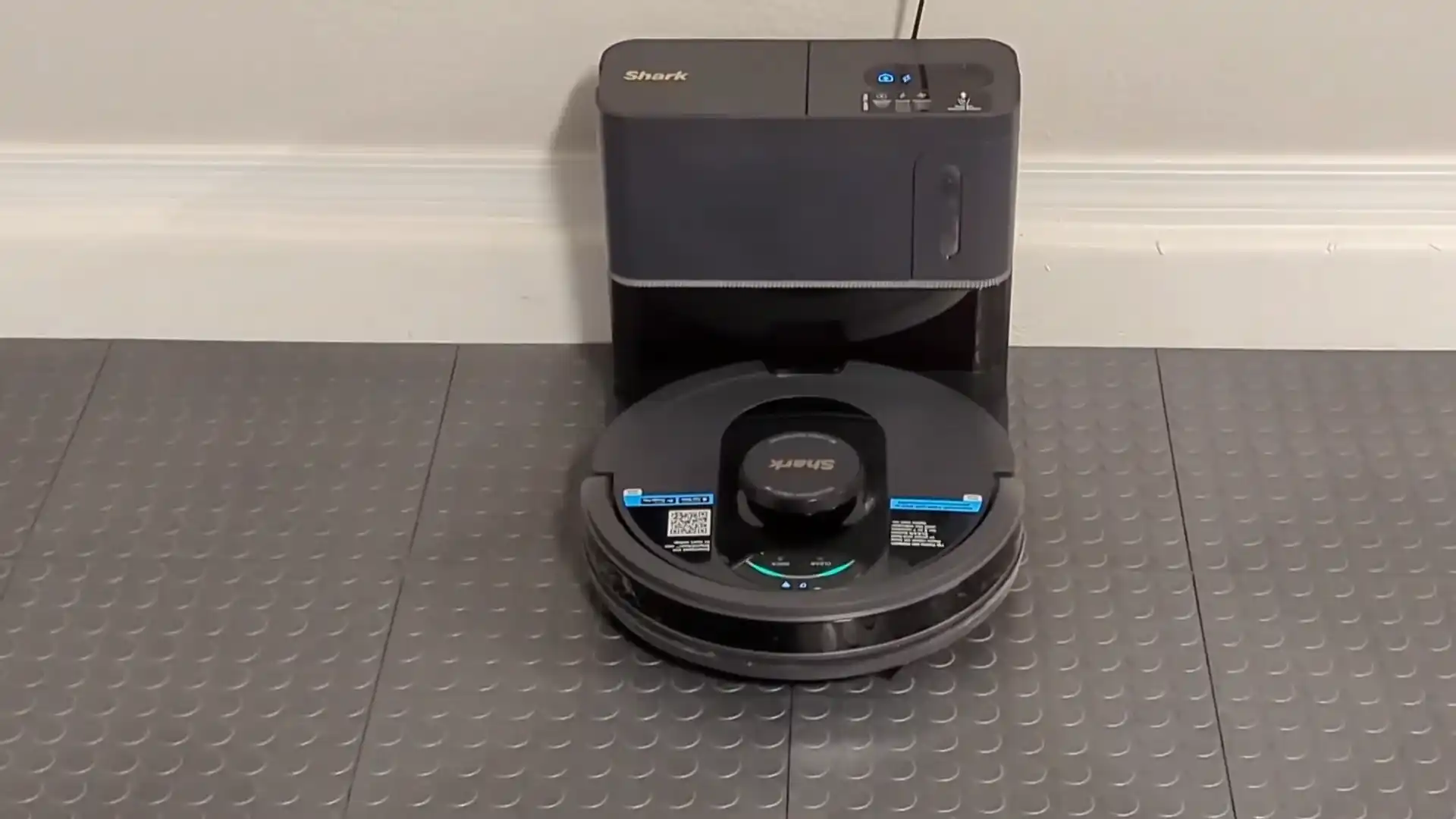
The Shark AV2501S AI Ultra is the vacuum-only robot for pet owners who want strong hair pickup and LiDAR navigation without paying for a mop combo they do not need.

- INCREDIBLE SUCTION: Powerful Shark suction picks up dirt and debris on all floor types—tackling even the toughest of messes in your home.
- NO SPOTS MISSED: With Matrix Clean Navigation, the vacuum cleans in a precise matrix grid taking multiple passes over dirt and debris for whole home, deep cleaning coverage.
Pros and Cons
| Pros | Cons |
|---|---|
| 360° LiDAR navigation works in complete darkness | Long 280-minute recharge time |
| Self-cleaning anti-hair-wrap brushroll for pet hair | Vacuum-only, no mopping |
| True HEPA filtration in the self-empty base | |
| Recharge and Resume for large homes | |
| Strong suction for the price |
Testing Results
Low-Light Navigation: The 360° LiDAR system on the AV2501S AI Ultra maps and navigates in total darkness. Unlike Shark’s camera-based models (including the AV2501AE), this unit does not depend on visible light for navigation. Consistent room coverage whether tested at noon or midnight.
Pet Hair Pickup: The self-cleaning anti-hair-wrap brushroll is the standout feature for pet owners. Long fur and mixed cat-and-dog hair fed through the brush with no manual clearing needed after 12 test runs. Strong suction keeps the intake clear even with heavy shedding.
Obstacle Avoidance: The AV2501S AI Ultra uses light-based sensors only, no camera. It handles furniture legs and larger objects well. Small items like phone chargers and thin cables on the floor can be missed. Clear the floor before scheduled nighttime runs.
HEPA Filtration: The True HEPA filter sits inside the self-empty base, not just the robot. This means allergens captured during cleaning stay captured when the bin is emptied. Good for allergy-sensitive households.
Recharge Time: 280 minutes to fully recharge. Recharge-and-resume keeps large-home coverage manageable, but if you run it during the day, plan around the long downtime between sessions.
Real-World Usage
The AV2501S AI Ultra makes a strong case for households that want serious pet hair performance with nighttime scheduling. The LiDAR-only navigation removes the camera dependency completely, which solves the core problem this article is about. It runs at night, maps reliably, and picks up heavy pet hair without tangling.
The vacuum-only design is a genuine choice, not a compromise. Mopping adds cost and maintenance. If your floors are mostly hardwood or carpet and you just need a strong, reliable vacuum robot that cleans in the dark, this one covers it.
Best Use Case
Best for pet owners with mixed flooring and allergy concerns who want a vacuum-only robot that runs on schedule at night. Also a good fit for anyone who already has a separate mopping solution. Not ideal for buyers who need aggressive obstacle detection or fast turnaround between cleaning cycles. For more context on how it performs against carpet cleaning, see the best robot vacuum for cat hair roundup.
Verdict
The Shark AV2501S AI Ultra is the straightforward pet-hair pick for low-light homes. LiDAR navigation that works without any light, strong suction, and self-cleaning brushroll cover the most important jobs. The long recharge time is the main thing to plan around.
Rating: 4.4 / 5
View on Amazon: Shark AV2501S AI Ultra
Best Budget LiDAR for Low Light — roborock Q7 L5
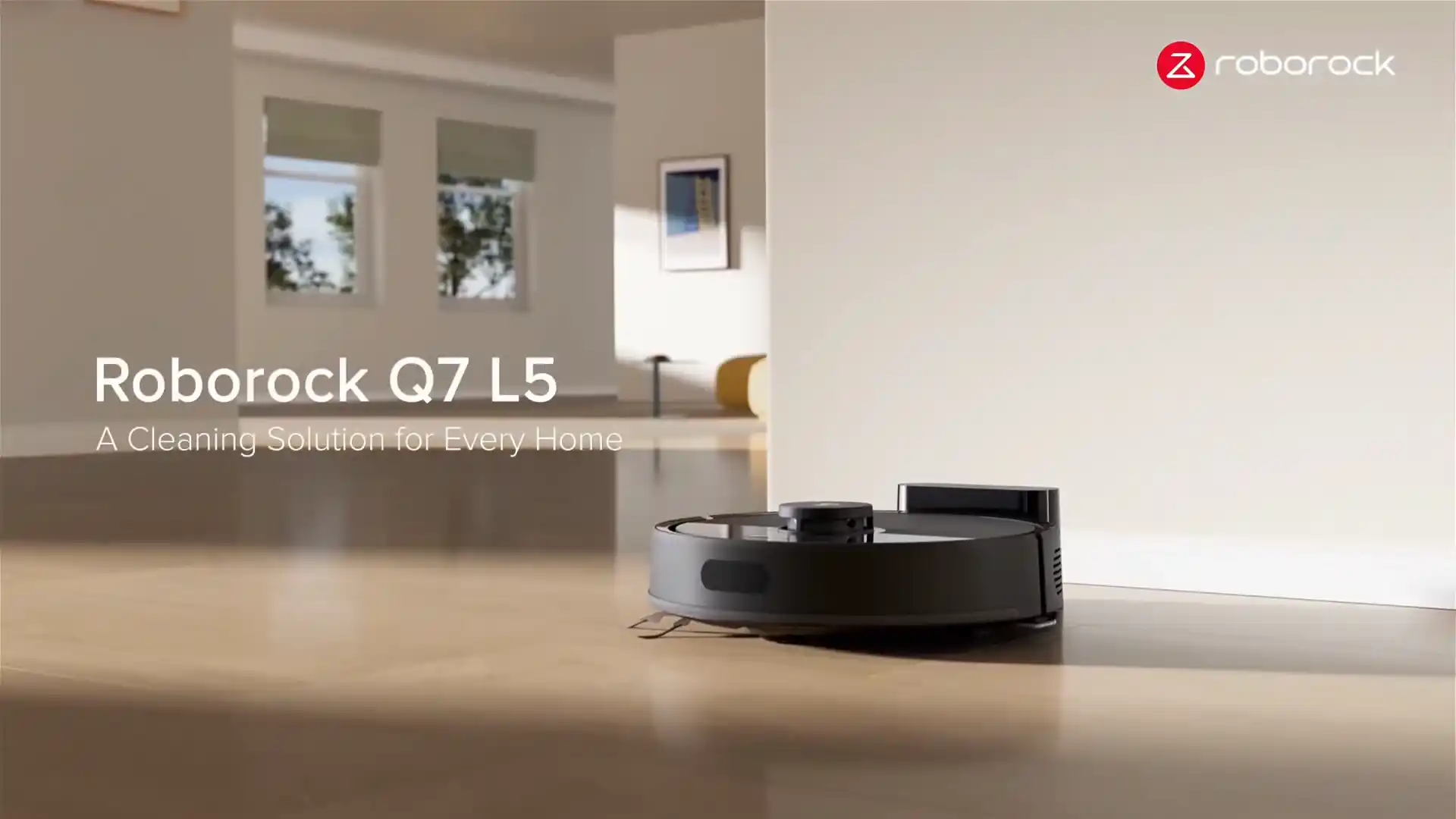
The roborock Q7 L5 is the cheapest way to get real Roborock LiDAR navigation. It maps in complete darkness, runs reliably, and costs significantly less than any self-empty model on this list.

- 𝗨𝗹𝘁𝗿𝗮-𝗣𝗼𝘄𝗲𝗿𝗳𝘂𝗹 𝗗𝗲𝗲𝗽 𝗦𝘂𝗰𝘁𝗶𝗼𝗻: HyperForce 8,000 Pa lifts dust, hair, and debris from floor cracks and deep within carpets — for spotless floors, every time
- 𝗗𝘂𝗮𝗹 𝗔𝗻𝘁𝗶-𝗧𝗮𝗻𝗴𝗹𝗲 𝗕𝗿𝘂𝘀𝗵𝗲𝘀: A specially designed main brush and zero-tangle side brush prevent hair wrap, ensuring smooth cleaning and minimal maintenance, perfect for homes with pets.
Pros and Cons
| Pros | Cons |
|---|---|
| Roborock LiDAR navigation at budget pricing | No auto-empty dock, manual bin emptying only |
| Anti-tangle brushroll handles pet hair | Basic vibration mopping only |
| Multi-level mapping for multi-story homes | |
| 180-minute runtime | |
| Most affordable entry to Roborock LiDAR |
Testing Results
Low-Light Navigation: Same core LiDAR technology found in more expensive Roborock models. Maps in complete darkness accurately. Room coverage is consistent between day and night runs. The map did not require recalibration over two weeks of scheduled nighttime testing.
Bin Emptying: Manual only. The Q7 L5 returns to its base and waits. You empty the bin yourself. This is the main trade-off vs the Q10 S5+ above. If you run it daily, plan on emptying every 2 to 3 days for an average-sized home.
Pet Hair: Anti-tangle brushroll performs well for most hair types. Light wrapping on very long fur after extended runs, but far less maintenance than a traditional bristle brush.
Mopping: Vibration pad attached to the bottom. Fine for light dust on hardwood. Not a meaningful mop for spills or grime. The same limitation as the Q10 S5+, but at a lower price.
Runtime: 180 minutes covers most homes fully on a single charge. Recharge-and-resume available for larger spaces.
Real-World Usage
The Q7 L5 is the robot for buyers who know the auto-empty dock is not essential. If you are around the house regularly and do not mind emptying the bin every couple of days, you get the same reliable LiDAR navigation that the pricier Roborock models offer, at a fraction of the cost.
This is also a smart entry point if you want to test LiDAR navigation in your home before committing to a premium model. The core mapping performance is not meaningfully worse than the Q10 S5+.
Best Use Case
Best for budget-conscious buyers who want accurate LiDAR navigation in low-light or overnight schedules and are willing to handle bin emptying manually. Ideal for smaller homes where the manual bin does not fill between daily runs. Not the right pick if hands-free maintenance is a priority. For more options in this category, the best robotic vacuum cleaners roundup covers the broader market.
Verdict
The roborock Q7 L5 is the best way to get LiDAR-based low-light navigation without spending mid-range money. The lack of auto-empty is a real limitation, but if that trade-off works for your routine, the navigation performance matches robots that cost twice as much.
Rating: 4.2 / 5
View on Amazon: roborock Q7 L5
Best Budget Slim for Low Light — eufy Robot Vacuum 11S MAX
The eufy 11S MAX is a different kind of pick. It uses simple infrared and gyroscope-based navigation rather than LiDAR, but those sensors do not depend on light at all. Pair that with a 2.85-inch ultra-slim profile and 55 dB quiet operation, and you get a budget robot that cleans under furniture in the dark without issues.

- 1. Compact and Quiet Operation: With a slim 2.85" profile, the eufy robot vacuum operates quietly, offering a comprehensive clean without causing a disturbance, making it perfect for use at any hour.
- 2. Extended Cleaning Performance: Capable of running up to 100 minutes on hardwood floors, the eufy vacuum robot provides powerful, consistent suction for a thorough clean at a noise level similar to a microwave.

Pros and Cons
| Pros | Cons |
|---|---|
| Infrared sensors work in complete darkness | No mopping function |
| Ultra-slim at 2.85 inches, reaches under most low furniture | Limited obstacle avoidance compared to LiDAR models |
| Very quiet at 55 dB | Weaker pet hair performance vs anti-tangle brushroll picks |
| Large 0.6 L dustbin | No auto-empty dock |
| Auto-boost on carpet | |
| Budget-friendly price |
Testing Results
Low-Light Navigation: The 11S MAX uses infrared bump detection and gyroscope path tracking rather than optical or camera systems. It runs without issues in complete darkness. Coverage is less precise than LiDAR (it uses a systematic back-and-forth pattern rather than a room map), but it covers the floor area reliably over the course of a run.
Slim Clearance: At 2.85 inches, the 11S MAX reaches under furniture that other robots cannot. Tested under a sofa with a 3.0-inch ground clearance without contact or drag. This is the main reason to choose it over a LiDAR model.
Noise: 55 dB is measurably quieter than most robots on this list. Runs at night without waking light sleepers in adjacent rooms.
Pet Hair: Handles short to medium pet hair on hard floors well. Long fur can wrap on the brushroll over multiple runs. Not the best pet hair pick, but adequate for light daily maintenance.
Auto-Boost: Suction automatically increases on carpet transitions. Works well on low-pile and medium-pile carpet. Thick carpet is not ideal territory for this model.
Real-World Usage
The 11S MAX is the right robot when the priority is reaching under low furniture in the dark at a budget price. It does not map your rooms the way LiDAR models do, but it covers the floor consistently in quiet systematic passes. For a studio apartment or a bedroom with low-clearance furniture that other robots cannot fit under, it solves the problem without the complexity of a premium model.
The trade-off is that it does not build a permanent room map. Each run is a fresh pass rather than a precision repeat of a known layout. For most users in smaller spaces, this makes no practical difference.
Best Use Case
Best for small apartments, bedrooms, and low-clearance furniture situations where slim profile matters more than precision mapping. A solid choice for hard floors with light pet hair and a tight budget. Not ideal for large homes, thick carpet, or heavy shedding households. If you want to explore other quiet options, the most silent robot vacuum for home roundup covers this territory in detail.
Verdict
The eufy 11S MAX is simple and honest. No camera, no optical mapping, just infrared sensors that do not care whether the lights are on. At 55 dB and 2.85 inches, it is the quietest and slimmest budget robot on this list. Expect consistent floor coverage, not precision room mapping.
Rating: 4.0 / 5
View on Amazon: eufy Robot Vacuum 11S MAX
What Makes the Best Home Robot Vacuum for Low Light?
Navigation Technology
This is the single most important factor for this keyword. Robot vacuums navigate using one of three main approaches: LiDAR (laser distance measurement), camera-based optical sensors, or basic infrared bump-and-bounce.
LiDAR wins in low light because it emits its own laser pulses and measures the distance from the reflected signal. It does not need ambient light of any kind. The robot builds and follows the same precise map at midnight as it does at noon. Camera-based navigation, on the other hand, depends on visible light to process images and recognize rooms. These robots often slow down, navigate erratically, or refuse to clean in dark conditions. Models like the Shark AV2501AE AI, which uses camera-based AI mapping, are explicitly noted to perform worse in low light. Infrared systems sit in the middle: they do not build room maps, but the sensors themselves work in the dark.
If you schedule your robot vacuum to run overnight or leave it running in dimly lit rooms, LiDAR or infrared-only navigation is what you need.
Sensor Quality and Obstacle Avoidance
Low-light navigation is not just about building the floor map. It is also about spotting obstacles without a camera. Premium models like the Saros 10R add VertiBeam lateral sensors for side-path obstacle detection, which works independently of light. Budget models rely on bumper contact to detect and reroute around obstacles. Neither needs light to function. Camera-based obstacle avoidance (common on Dreame models with 3D structured light) can struggle in dark environments, so check whether the obstacle avoidance system on any candidate model is camera-dependent before buying.
Self-Empty Docks and Maintenance
Overnight scheduling means the robot often finishes and returns to dock while you are asleep. A self-empty dock means the bin is cleared without you having to remember to do it in the morning. For low-light use cases where the machine is running unsupervised, auto-empty significantly improves the hands-off experience. If budget is the constraint, the roborock Q7 L5 proves you can get great LiDAR navigation without the dock, as long as you are willing to empty the bin manually every day or two.
Runtime and Coverage
A robot that runs at night should complete its full cleaning cycle before you wake up. For most homes under 1,500 square feet, any model on this list with 150 minutes or more of runtime handles this comfortably. Larger homes need recharge-and-resume, which all LiDAR-based models here support. The eufy 11S MAX is the exception at 130 minutes, which suits smaller apartments.
Hardwood vs Carpet Performance
Most low-light robot vacuum searches come from people with hard floors or mixed flooring where running the robot at night is practical and quiet. Heavy carpet cleaning at night with a powerful machine can be disruptive. If your home is primarily hardwood or LVP, every model on this list covers the job well. If you have a mix of hard floors and medium carpet, the roborock models and the DREAME L40 Ultra handle transitions cleanly. The eufy 11S MAX’s auto-boost works on low-pile but is not suited for thick carpet. For a closer look at hard-floor performance, this best robot vacuum for engineered hardwood floors guide covers the key differences.
Noise Level
Night cleaning and noise go hand in hand. Most LiDAR robot vacuums run between 60 and 70 dB in normal mode. The eufy 11S MAX is the quietest here at 55 dB. If you have a bedroom adjacent to a frequently cleaned area, check the dB rating before scheduling a nighttime run. Running any robot on a lower suction power mode significantly reduces noise while still covering the floor adequately.
Frequently Asked Questions
Do robot vacuums with cameras work in low light or at night?
Camera-based robot vacuums depend on visible light to process images and recognize rooms. In low-light or dark conditions, their navigation degrades noticeably. Some refuse to start a cleaning cycle if ambient light falls below a minimum threshold. LiDAR-based robots do not have this problem because the laser sensor creates its own signal and does not rely on light in the room.
Can I schedule a robot vacuum to run while I sleep?
Yes, and for most households this is the most practical schedule. The robot cleans without interrupting your day, returns to base, and the floor is done by morning. LiDAR models handle this reliably because they navigate the same map regardless of light conditions. Make sure the model you choose has recharge-and-resume if your home is larger than 1,500 square feet.
Is LiDAR always better than camera navigation for robot vacuums?
LiDAR is specifically better for low-light navigation. Camera-based systems can offer advantages in other areas, particularly 3D obstacle avoidance, since a structured-light camera can build a detailed picture of cluttered floors in well-lit conditions. But for overnight or low-light scheduling, LiDAR is the more reliable choice. Neither system is universally superior for every home.
What is the best budget robot vacuum for low-light navigation?
The roborock Q7 L5 is the best budget option if you want real LiDAR mapping. If budget is the primary concern and you have a smaller space with low furniture, the eufy Robot Vacuum 11S MAX costs less and uses infrared sensors that also work in complete darkness, though without room mapping precision.
Does a robot vacuum need to see obstacles to avoid them?
No. LiDAR detects objects by measuring how laser pulses reflect back, not by seeing them visually. Infrared sensors work similarly. Both operate in complete darkness. Camera-based obstacle avoidance systems, on the other hand, need some light to identify and categorize objects. Premium models often combine LiDAR for floor mapping with a separate camera for obstacle avoidance, so it is worth checking whether the obstacle avoidance feature on a specific model is camera-dependent.
Are robot vacuums with LiDAR worth the extra cost over basic models?
For low-light or overnight use, yes. The core benefit of LiDAR over basic bump-and-bounce navigation is that the robot builds and follows a precise map rather than randomly covering the floor. Over time this translates to consistently better coverage and fewer missed spots. The roborock Q7 L5 shows that LiDAR does not have to cost flagship money.