DIY Guide: How to Get Pollen Out of Carpet
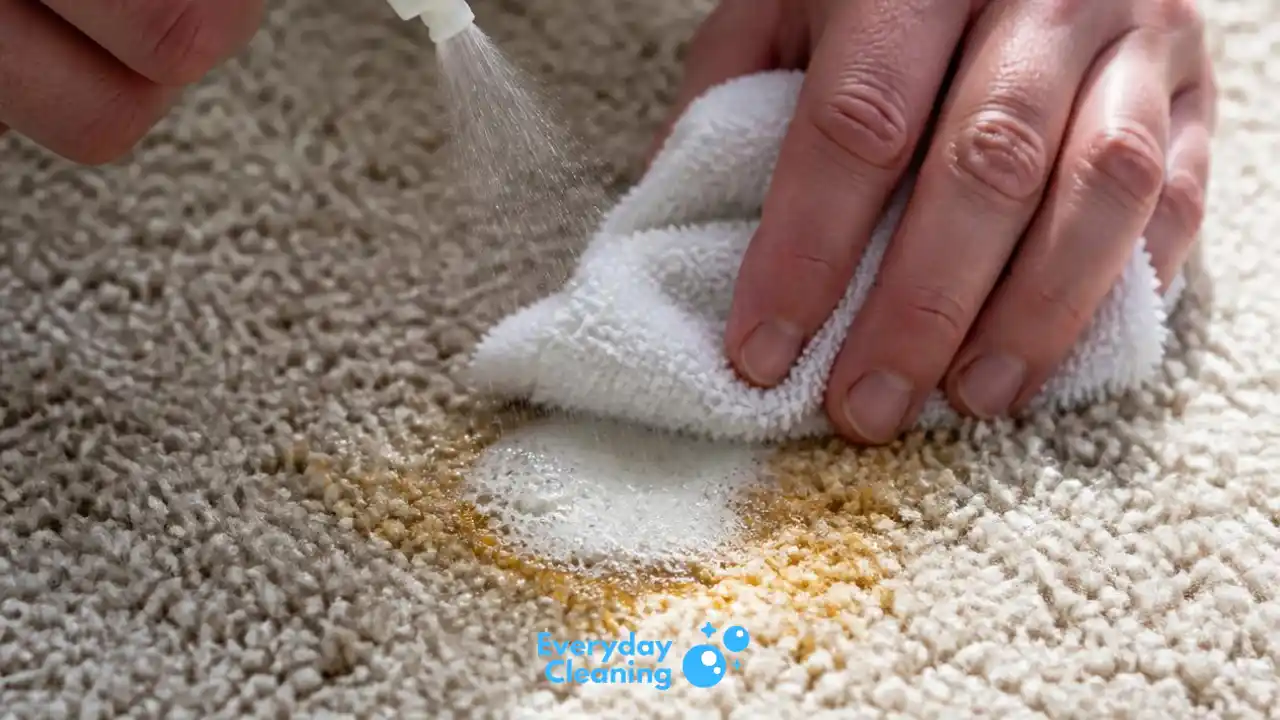
Pollen on carpet looks harmless until you try to clean it the wrong way. One wrong move and that light dusting turns into a yellow stain that is a lot harder to deal with.
I’ve seen this happen plenty of times, especially with lily pollen. Here’s the method that actually works.
Why You Should Not Rub Pollen on Carpet
The instinct is to grab a spray cleaner and scrub. That is the worst thing you can do.
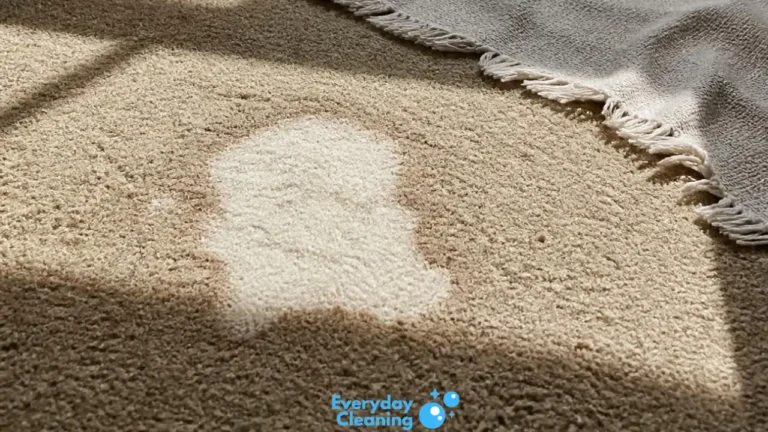
Pollen is dry. When it is dry, it sits on the surface of the carpet fibers. The moment you rub it or get it wet, it works its way deep into the pile and bonds with the fibers. Certain spray cleaners, including popular products like Vanish, are bleaching agents. They can damage the fibers and leave a permanent discoloration that is worse than the original stain.
Put those sprays aside until the very end. And even then, use them carefully.
What You Need
- Sticky tape (packing tape or even regular tape works)
- A clean white towel
- A gentle carpet spot cleaner (something mild, not a bleaching product)
That is it. No scrubbing tools needed.
How to Get Pollen Out of Carpet Step by Step
Step 1: Do Not Touch the Pollen
This is the most important rule. Before you do anything, keep your hands away from the pollen. Even a light brush with your fingers can press the pollen deeper into the carpet and start the yellowing process.
If flowers have fallen over or brushed against the carpet, leave the spot exactly as it is until you are ready to work on it.
Step 2: Lift the Pollen with Sticky Tape
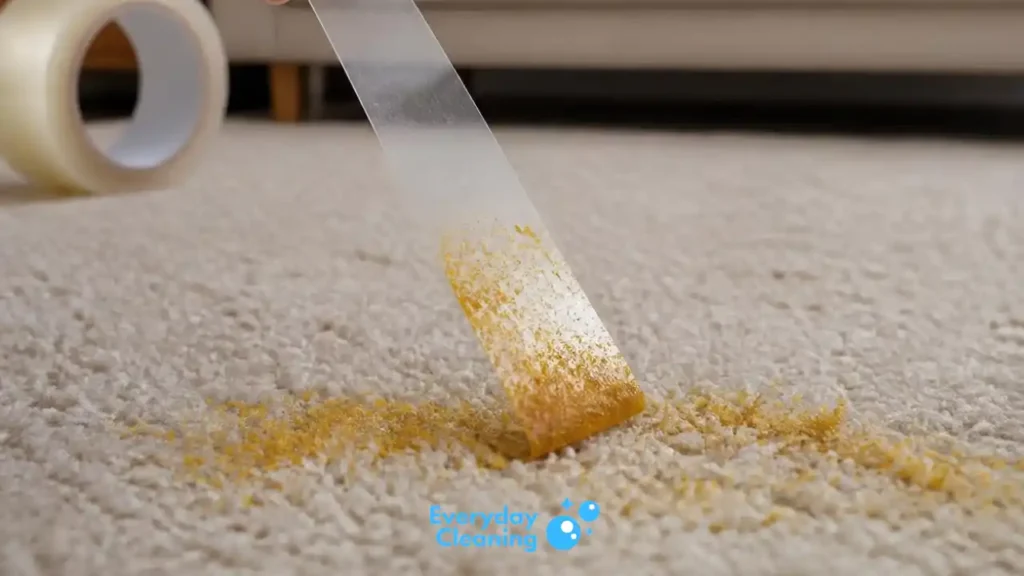
Tear off a piece of sticky tape roughly the length of the stained area. Press it gently over the pollen and rub lightly so the pollen sticks to the tape. Then slowly peel the tape away.
Do not press hard. You want the tape to lift the pollen, not grind it further into the fibers.
Repeat with fresh pieces of tape until you have removed as much pollen as possible. Keep going until almost no pollen transfers onto the tape. This step requires patience. The more you lift now, the less risk of a yellow stain later.
Step 3: Check Before You Stop
Hold a fresh piece of tape over the area and look at what comes off. If you still see pollen sticking to the tape, keep going.
Step 4: Treat Any Remaining Mark with a Gentle Spray
Once you are confident most of the pollen is lifted, look at the carpet under good light. In most cases the stain will already be gone or nearly gone.
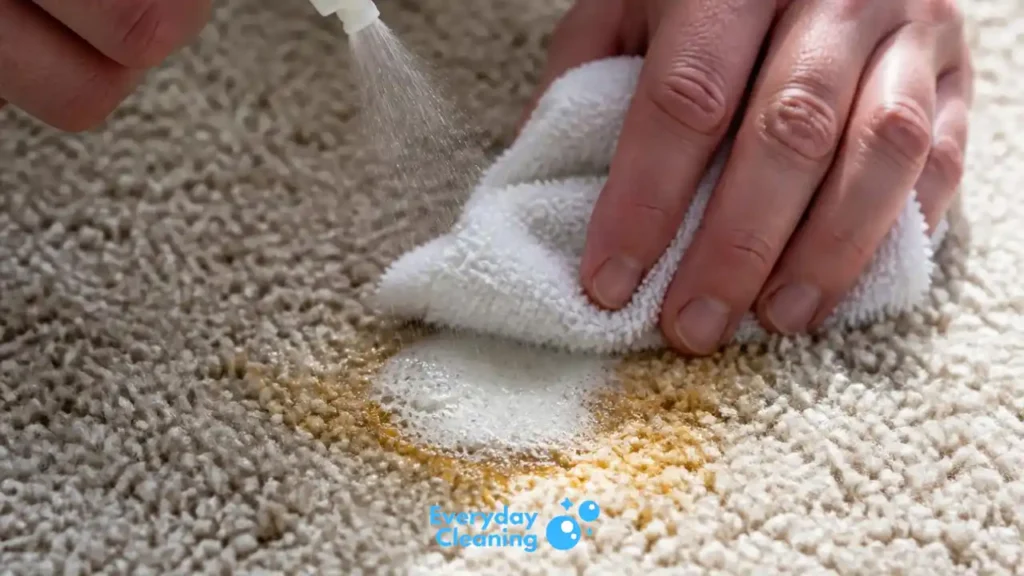
If there is still a faint mark, spray a small amount of a gentle carpet spot cleaner lightly over the area. Do not soak it.
Then dab the area with a clean white towel. Do not rub. Just dab gently to absorb the product and any remaining residue. Use a white towel specifically to avoid any color transfer from a colored cloth onto the carpet.
Let it dry. That is all.
How to Deal with Stubborn Yellow Pollen Stains
Sometimes the pollen has already been rubbed in before you read this. Maybe someone tried to clean it with a cloth, or the flowers sat on the carpet for a while before you noticed. The result is that deep yellow stain that looks like it is never coming out.
Here is how to tackle it.
Start with a good enzyme-based carpet cleaner. These break down organic matter, which is exactly what dried pollen is. Spray it on, let it sit for a few minutes according to the product instructions, then dab with a white towel. Do not scrub.
Repeat in layers. Yellow pollen stains rarely come out in one pass. Apply, dab, let it dry slightly, then check. If the stain is still visible, apply again. Work in thin layers rather than soaking the carpet once.
Try a small amount of dish soap and water if the enzyme cleaner is not cutting through. Mix one teaspoon of dish soap with two cups of warm water. Apply with a cloth and dab the stain from the outside in. Rinse by dabbing with a clean damp cloth, then blot dry.
For very stubborn yellow staining, hydrogen peroxide can help on light-colored carpets. Use a 3% solution and test on a hidden area first. Apply a small amount, let it sit for five minutes, and blot. Do not use this on dark carpets as it can cause fading.
The key throughout is patience. No rubbing, no soaking, no harsh scrubbing. Yellow pollen stains respond to repeat gentle treatment much better than aggressive scrubbing.
Which Types of Pollen Are Hardest to Remove?
Not all pollen is equally difficult. Here is a quick rundown of the most common types you will find in a home.
Lily pollen is the worst offender. It is bright orange or yellow, very powdery, and stains intensely. Lilies are a common gift flower, which means this type of stain comes up a lot. The sticky tape method is especially important here because lily pollen is so fine that rubbing it even slightly spreads it immediately.
Daffodil and tulip pollen are easier to deal with. They tend to be less concentrated and lift more cleanly with tape.
Sunflower pollen is heavy and grainy. It does not spread as easily but can leave a yellow residue if it sits for a while.
Rose pollen is usually minimal and light. Most roses drop very little pollen indoors.
For any type of pollen, the method is the same. Lift first, treat second.
How to Prevent Pollen Stains in the First Place
A few simple habits can save a lot of cleaning headaches.
Choose low-pollen flower varieties. Many lily varieties, for example, have been bred to be pollen-free. Ask for these specifically when buying lilies as a gift or arranging them at home.
Trim the stamens on lilies before they open. This is the part that holds the pollen. Use scissors or a tissue and snip the stamens while the lily is still partly closed. This prevents pollen from dropping at all.
Place flowers away from high-traffic areas where they are more likely to get knocked over or brushed against.
If pollen does fall, treat it immediately before it has a chance to set.
Frequently Asked Questions
Does pollen always leave a yellow stain?
Not always. If you catch it quickly and lift it with tape before rubbing or wetting it, pollen often comes off the carpet cleanly with no yellow residue. The yellow stain happens when pollen is worked into the fibers through rubbing or gets wet before it is fully lifted. Acting fast is the key.
Can I use a vacuum cleaner to pick up pollen from carpet?
A vacuum can work in some cases, but it carries a risk. If the pollen is very fine and powdery, the suction can sometimes spread it sideways across the carpet before lifting it. The sticky tape method gives you more control. That said, if you only have a vacuum available, use a handheld or hose attachment on low suction and move slowly.
What is the best carpet cleaner spray for pollen stains?
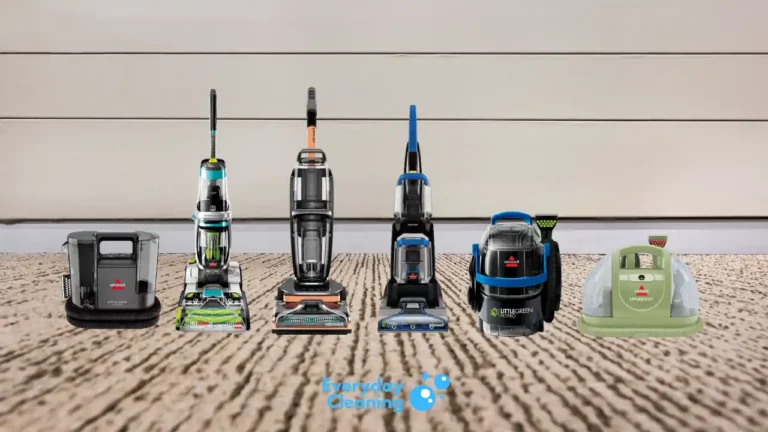
Avoid bleaching sprays. Look for an enzyme-based carpet spot cleaner or a product specifically formulated for organic stains. These break down the pollen without damaging fibers or leaving bleach marks. If you are using a portable carpet cleaner for a deeper clean afterward, make sure it is set to a gentle cycle.
Can I use white wine or salt on pollen stains like I would for red wine?
No. Those methods involve adding moisture, which is exactly what you want to avoid in the early stage of a pollen stain. Stick to the dry tape method first.
How long can pollen sit on carpet before it stains permanently?
It depends on humidity, fiber type, and whether it has been touched or disturbed. In dry conditions, pollen can sit for a day or two without bonding deeply. In humid environments or if it gets rubbed even slightly, it can start yellowing within hours. Treat it as soon as you notice it.