How to Remove Mold from Concrete (The Cheap, Easy Way That Actually Works)
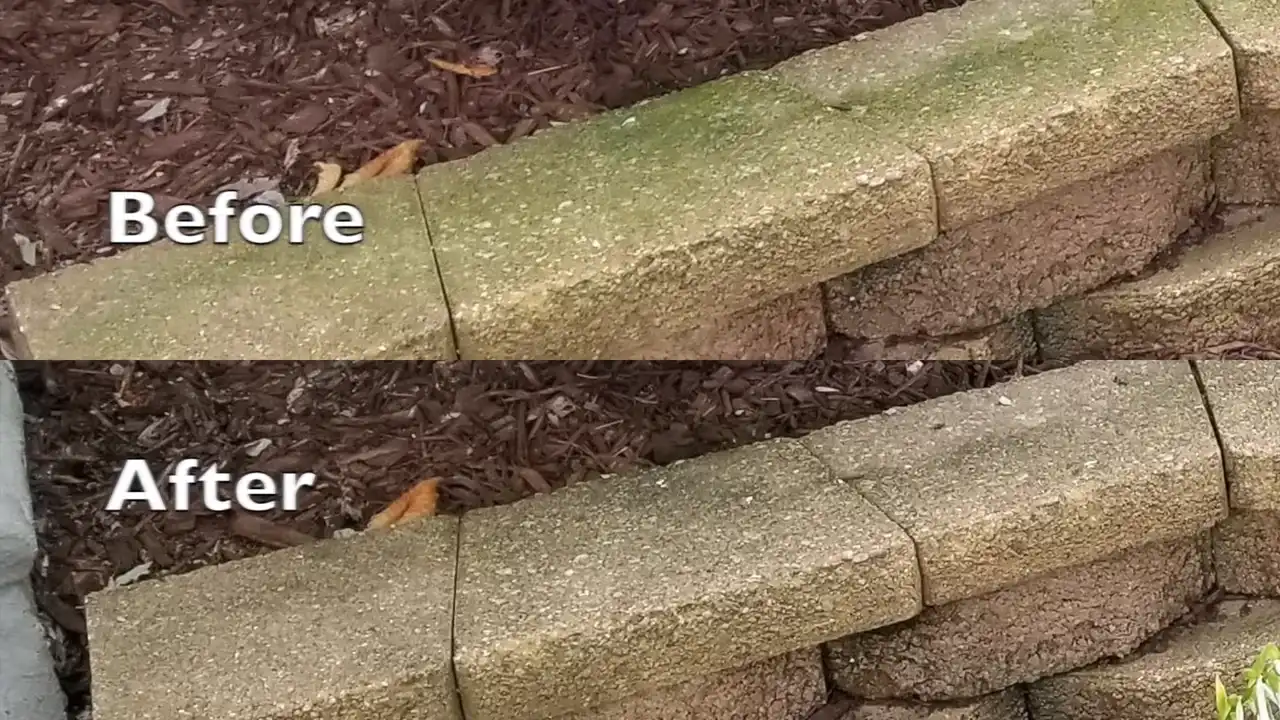
If you have green mold or mildew creeping across your concrete, you have more options than you think. Most people reach for a pressure washer or an expensive spray product. But there is a cheaper, easier fix that works surprisingly well.
What Causes Mold on Concrete
Mold and mildew grow on concrete when moisture and organic material combine in the same spot. Shaded areas, retaining walls, patios near grass, and damp driveways are the most common places you will see it. The green or black discoloration looks bad, but it is not permanent.
Concrete is porous. That means water soaks in and stays. Mold spores find that moisture and start growing. If your concrete gets limited sun or poor air circulation, the problem will keep coming back unless you treat the surface properly.
Your Options for Removing Mold from Concrete
Before picking a method, it helps to understand what is actually available. There are several ways to tackle mold on concrete, and they vary a lot in cost, effort, and effectiveness.
Pressure Washing
A pressure washer blasts mold off the surface fast. It works well for large areas. The downside is that it takes time to set up, and it only removes what is visible. If mold spores are still sitting on the surface after washing, the problem comes back within weeks.
White Vinegar
This is the method worth trying first. Plain white distilled vinegar kills mold and mildew without harsh chemicals. It is cheap, easy to apply, and safe around plants and animals. The results are not instant, but they are real.
Commercial Spray Products
Products like Wet and Forget, Spray and Forget, and Home Armor are popular for this exact problem. You spray them on and walk away. They work slowly over several weeks, killing mold and algae without scrubbing. A bottle typically runs around $20 to $30. They are convenient, but not cheap for a large surface area.
Bleach
Bleach kills mold fast. It is effective on concrete, especially for tough stains. The problem is the chemicals. Bleach runoff can harm plants, grass, and animals. Splash it on your clothes and you will have permanent white spots. It also needs to be rinsed thoroughly. For most homeowners with kids or pets nearby, bleach is not the most practical option.
How to Remove Mold from Concrete with White Vinegar
This is a simple process. No special equipment needed.
What You Need
- Undiluted white distilled vinegar (standard grocery store bottle)
- A garden sprayer or a spray bottle
- Optional: a brush for stubborn spots
Do not dilute the vinegar. You want full-strength acetic acid working on the mold. Mixing it with water reduces effectiveness.
Step 1: Apply the Vinegar
Spray or brush the vinegar directly onto the moldy concrete. Make sure you cover every green or black area. Do not rinse it off. The vinegar needs time to penetrate the surface and kill the mold at the root.
For a large retaining wall or patio, a pump garden sprayer works better than a spray bottle. You can cover a bigger area faster and soak the surface more evenly.
Step 2: Wait
This is the most important part. Walk away and give it at least 48 to 72 hours. The vinegar keeps working as it dries. You do not need to scrub, rinse, or touch it.
Rain will dilute the vinegar somewhat, but it will not cancel out the effect. Even after a full day of rain, the vinegar still does significant work. You may just need a second coat.
Step 3: Check the Results
After two to three days, check the treated area. Most of the green mold and mildew should be gone or significantly faded. The results will not be instant, but they will be visible.
If about 90 percent of the mold has cleared up but some spots remain, apply a second coat of vinegar to those areas.
Step 4: Apply a Second Coat if Needed
A second treatment takes care of what the first coat missed. Apply the same way: spray or brush it on, leave it, do not rinse. Give it another two to three days.
After a second treatment on clean concrete, most surfaces come out completely clear. No scrubbing required.
Does Vinegar Actually Work on Concrete Mold?
Yes. Acetic acid, which is the active ingredient in white vinegar, kills mold and mildew effectively. Multiple studies have confirmed that undiluted white vinegar kills around 82 percent of mold species on contact.
On outdoor concrete, the results are especially good because you are dealing with surface mold. The mold has not penetrated deep into the material. The vinegar soaks in and kills it at the base.
The results are visible within a few days, not weeks. And the cost is minimal. A large bottle of white vinegar costs about $3 to $5 at any grocery store. For a typical retaining wall or small patio, one or two bottles is enough for a full treatment.
Vinegar vs. Wet and Forget: Is There a Real Difference?
Wet and Forget is one of the most popular mold removal products on the market. It costs around $25 for a concentrated bottle. It works by slowly breaking down mold over several weeks with a light alkaline solution.
White vinegar does essentially the same job for a fraction of the cost. The main difference is speed. Wet and Forget can take weeks or months to fully clear heavy mold growth. Vinegar starts working within days.
For most homeowners dealing with routine green mold on outdoor concrete, vinegar is the better starting point. If you have tried vinegar and still have stubborn growth, a commercial product like Wet and Forget may be worth trying for a second pass.
Tips for Preventing Mold from Coming Back
Removing mold is only half the job. If you do not address the root cause, it will return within a season.
Improve Drainage
Standing water is the main reason mold comes back. Make sure water drains away from your concrete surfaces after rain. Check that your retaining wall, patio, or driveway is graded correctly so water does not pool.
Trim Nearby Vegetation
Overgrown shrubs and trees block sunlight and trap moisture against concrete. Cutting them back lets air and sun dry the surface faster after rain.
Apply Vinegar as a Preventive Treatment
Once your concrete is clean, a light coating of vinegar every few months can stop mold from getting a foothold again. It does not take much. A quick spray down in spring and again in fall is usually enough.
Consider a Concrete Sealer
A penetrating concrete sealer fills the pores in the surface and makes it much harder for mold spores to take hold. It is a bigger upfront investment, but it dramatically reduces how often you need to clean. Most sealers need to be reapplied every two to three years.
Can You Use Vinegar on All Types of Concrete?
Plain white vinegar is safe for standard concrete, brick, and pavers. It is mildly acidic, so repeated heavy use over many years could slightly etch polished or decorative concrete finishes. For a standard driveway, retaining wall, or patio, there is no concern.
Do not use vinegar on natural stone like limestone or marble. The acid reacts badly with calcium-based stone and can cause permanent etching. For natural stone surfaces, a pH-neutral cleaner is the better choice.
For standard gray concrete, brick retaining walls, and poured patios, vinegar is completely safe.
When to Use a Pressure Washer Instead
Vinegar handles most cases of surface mold on concrete. But there are situations where a pressure washer makes more sense.
If you have deep black staining that has been sitting for years, pressure washing first and then treating with vinegar is a good combination. The pressure washer removes the bulk of the buildup. The vinegar kills anything left behind and helps prevent regrowth.
Pressure washing alone without a follow-up treatment often leads to faster mold regrowth. The spores are still on the surface. A vinegar treatment after washing keeps them from coming back as quickly.
Frequently Asked Questions
How long does it take for vinegar to remove mold from concrete?
You will see results within 48 to 72 hours after the first application. Heavy mold buildup may need a second coat. After two treatments spaced a few days apart, most surfaces come out completely clean.
Do I need to scrub the concrete after applying vinegar?
No scrubbing is needed for normal mold growth. The vinegar does the work on its own. For very stubborn or thick buildup, a stiff brush after the vinegar has had time to work can help remove loosened material, but it is not required.
Is vinegar safe to use around plants and grass?
Yes. Undiluted white vinegar is far safer than bleach around vegetation. If you are spraying close to a garden bed, just avoid soaking the soil directly with a heavy amount. Light overspray on grass or plants will not cause harm.
How do I remove black mold from concrete specifically?
The same method applies. Spray undiluted white vinegar, wait 48 to 72 hours, and check the results. Black mold on outdoor concrete is typically a surface fungus and responds well to vinegar. For very heavy black staining that has been present for a long time, a second treatment or a scrub brush after the initial treatment may be needed.
Will the mold come back after I treat it with vinegar?
It can, especially if the underlying moisture problem is not fixed. Improving drainage, trimming vegetation, and doing a light preventive vinegar spray a couple of times a year will keep mold from coming back as quickly.