How to Get Rid of Ants in Carpet
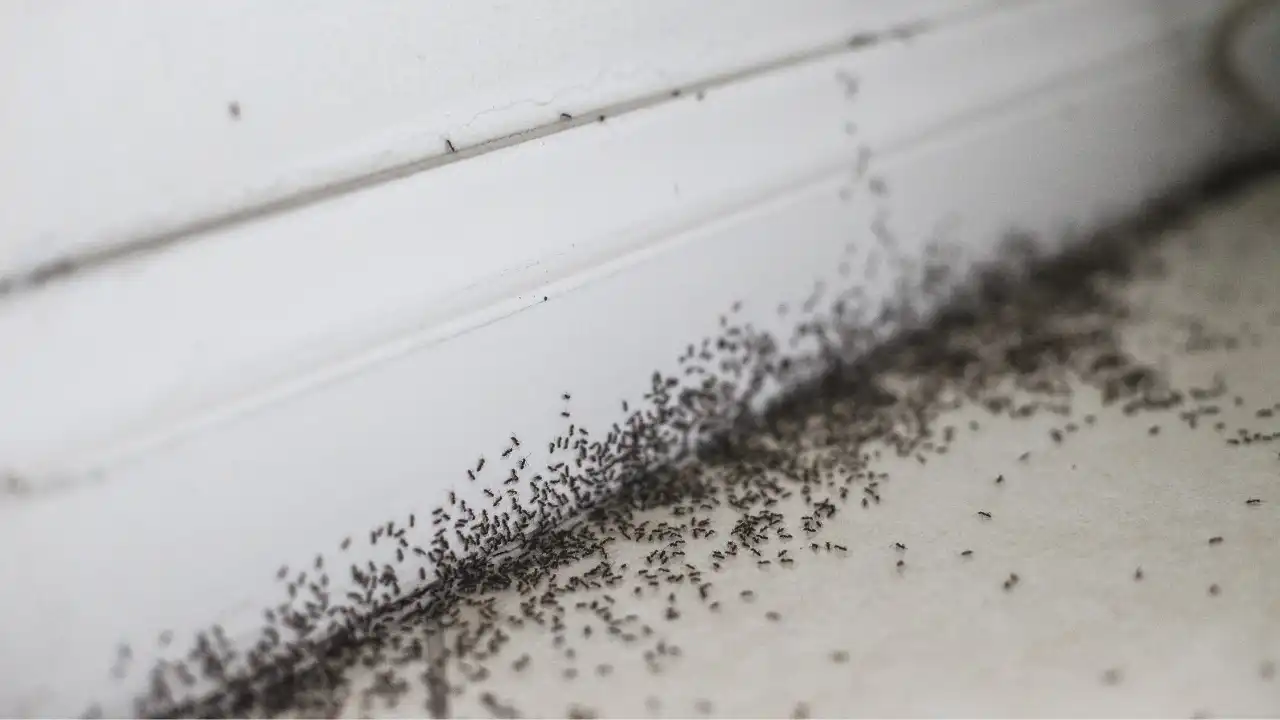
Ants in the carpet are unsettling, but the carpet is rarely where the real problem is. The nest is almost always outside — and until you deal with it at the source, ants will keep coming back no matter how much you spray indoors.
Why Ants End Up in Your Carpet
Ants don’t live in carpet. They pass through it. What you’re seeing indoors is just the tail end of a trail that starts outside, usually near your foundation, under mulch, in pine straw, or around debris piled against the house.
They come in through cracks, gaps under doors, or openings around utility lines. Your carpet happens to be the floor they cross on their way to food or moisture. Treating the carpet directly won’t fix anything because you’re not addressing where they’re actually nesting.
Step 1: Go Outside First
Before you reach for any indoor spray, go outside and walk the perimeter of your home. Look for the area closest to where you’re seeing ants inside. If you’re spotting them near a fireplace or chimney, check the outside of that wall. If they’re in a bedroom, check that corner of the house.
You’re looking for:
- Mulch or pine straw piled up against the foundation
- Pebbles or landscaping material sitting right next to the slab
- Leaf litter, wood debris, or old plant material
- Any moist, dark area where ants like to nest
These materials hold moisture and create perfect nesting conditions. They also give ants a direct bridge into your home.
Step 2: Clear the Debris
Rake back the mulch, pine straw, or pebbles at least 6 to 12 inches away from the foundation. Remove any leaf piles or decaying wood nearby. This step alone eliminates a huge portion of ant problems because you’re taking away the habitat they’re using.
Don’t just push the material around. Pull it back far enough that there’s a clear gap between the landscaping and your exterior wall. Ants need cover to travel. Remove the cover and they become far more exposed and vulnerable.
Step 3: Find and Treat the Nest
Once you’ve cleared the debris, look for the actual nest. It’s often visible now that you’ve moved the material covering it. You may see a small mound, a cluster of activity in the soil, or trails of ants moving in one direction.
Spot treat the nest directly with an outdoor ant treatment. Granular bait works well here because worker ants carry it back and it eventually kills the colony. Liquid spray applied to the soil around the nest is also effective for immediate knockdown.
Focus your treatment in a 2 to 3 foot radius around the nest. Then apply a barrier treatment along the foundation itself to stop re-entry.
Step 4: Seal Entry Points
While you’re outside, check the foundation for cracks, gaps around pipes, or openings near utility lines. Seal anything you find with exterior caulk. This is a one-time fix that keeps future ants out even if new nests form nearby.
Inside, check the baseboard trim in the area where you saw ants. Small gaps between the baseboard and wall are a common entry point. Caulk these as well.
Step 5: Vacuum the Carpet
Once you’ve handled the outdoor source, vacuum the carpet thoroughly. This removes any ants still in the fibers, along with pheromone trails they leave behind. Ants follow scent trails left by scouts, so removing the trail matters as much as removing the ants themselves.
Use a vacuum with strong suction on carpet and go over the area at least twice. Empty the dustbin or bag immediately after.
Common Mistakes to Avoid
Spraying the carpet first. Indoor sprays might kill a few ants on contact, but they won’t reach the nest. The colony is outside and it will keep sending workers in.
Ignoring the landscaping. Mulch and pine straw right against the foundation is one of the most common causes of recurring ant problems. If you treat the nest but don’t pull the material back, ants will rebuild.
Using repellent sprays near the entry point. Repellents can block ants from using one entry point, but they often just redirect the trail to another opening. Bait is more effective because it gets back to the colony.
Frequently Asked Questions
Do I need to treat the carpet itself?
In most cases, no. The carpet is not where ants live, it’s just where they travel. Once you eliminate the outdoor nest and seal entry points, the ants in your carpet will stop showing up on their own. Vacuuming is enough to remove any remaining ants or trail pheromones from the fibers. If the carpet has picked up any odor in the process, see this guide on how to clean a smelly carpet.
What if I can’t find the nest outside?
Start by following the ant trail backward. Ants move in consistent lines and if you watch them carefully, they’ll lead you toward their entry point. From there, check the outside of the wall or foundation directly behind that entry. The nest is usually within 10 to 20 feet.
Are some ant species harder to get rid of in carpet areas?
Odorous house ants and pavement ants are the most common indoor invaders and respond well to outdoor bait treatment. Fire ants are less likely to enter homes but if you’re finding them inside, treat the mound outside aggressively. Carpenter ants are different — they nest in wood, not soil, so look for moisture-damaged wood near the affected area rather than outdoor mulch.
How long until the ants are gone after treating the nest?
With a bait treatment, expect results within a week. Worker ants carry the bait back and it takes time to spread through the colony. With a direct liquid treatment, surface activity usually drops within 24 to 48 hours, though it may take longer to eliminate the entire nest.