What Is a Good Steam Mop? A Detailed Breakdown
A good steam mop cleans your floors without chemicals, but a bad one just pushes dirty water around and ruins your floors. Here’s how to tell the difference before you buy.
What Are You Actually Using It For?
Most people search “what is a good steam mop” because they want cleaner floors with less effort. But what “good” means depends on your situation.
- If you have kids or pets, you’re probably after sanitization. Steam kills bacteria and allergens without spraying chemicals on the floor your dog walks on and your toddler crawls across. That’s the real sell.
- If you just want faster floor cleaning, you’re looking for something that glides well, heats up quickly, and doesn’t leave wet streaks behind. A good steam mop for daily use is lighter and faster to fill than one built for deep cleaning.
- If you’re dealing with tile and grout, you need something with focused steam and pressure. Light steam mops won’t cut it there. You need a model that concentrates the output rather than spreading it wide.
Know your use case first. A mop that’s great for sealed hardwood can be too aggressive for laminate.
How Clean Should a Good Steam Mop Actually Get Your Floors?
Here’s the honest answer: a good steam mop should pick up and sanitize surface-level dirt, grime, and bacteria. It’s not a deep scrubber.
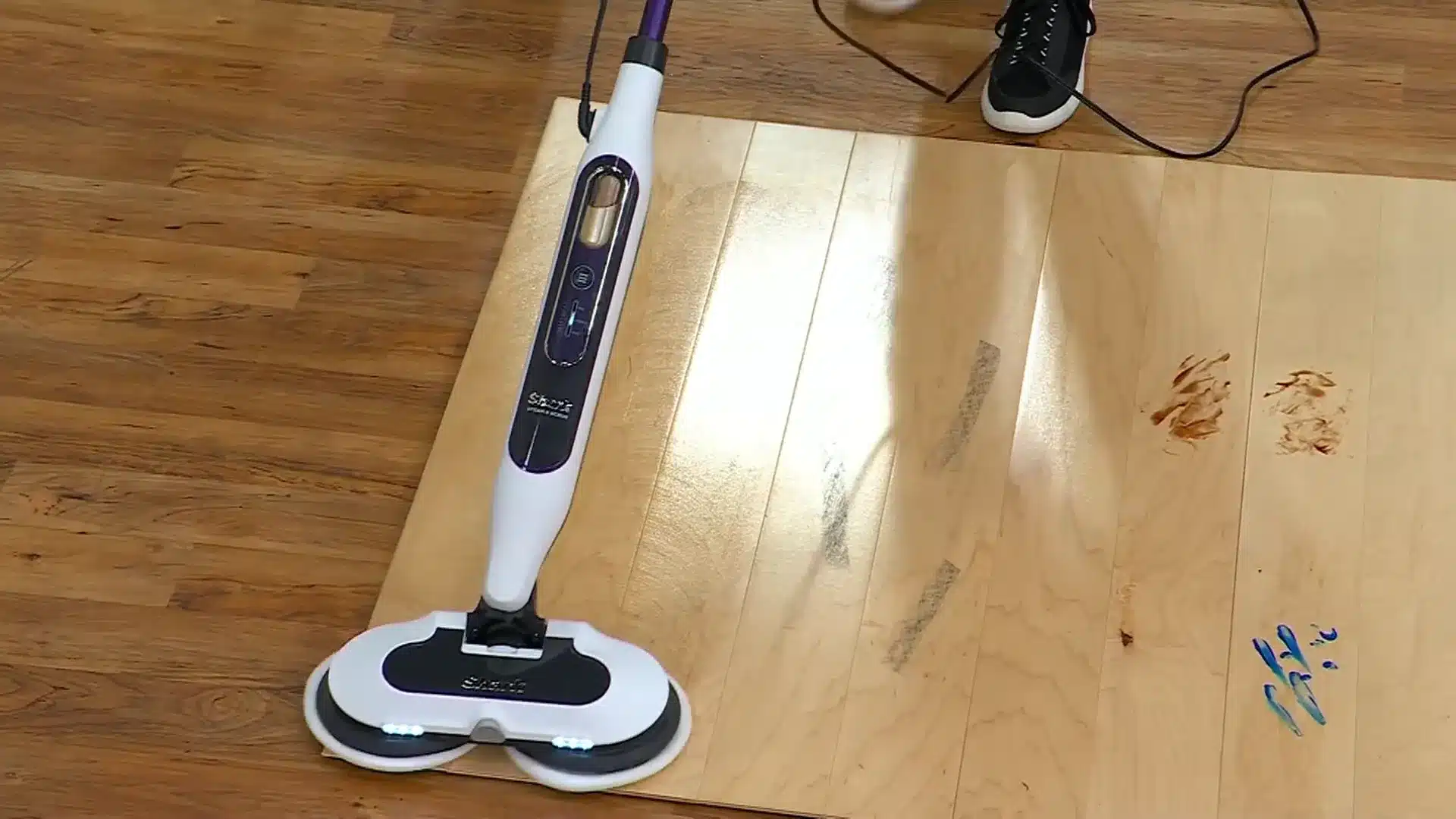
On sealed hardwood and tile, you should see a clear difference after one pass. No residue, no smearing. If you’re going over the same spot three times and it still looks dull, the mop isn’t doing its job.
On tile grout, a good steam mop with a scrubbing attachment should loosen built-up grime after a few passes. Don’t expect one-pass magic there. But it should be visibly better without scrubbing by hand.
One thing a steam mop will not replace: a traditional wet mop for heavy mud or debris. You still need to sweep or vacuum first. Steam cleans and sanitizes. It doesn’t pick up solid mess.
What Makes a Good Steam Mop? The Features That Actually Matter
Steam Control
This is the most important feature. Period.
A mop with a single fixed steam output is harder to use on different floor types. Too much steam on hardwood damages the finish. Too little on tile does nothing useful.
A good steam mop lets you dial the steam level up or down. Some do it with a switch, some with a dial, some with a trigger you hold while mopping. The trigger-style is great for controlling output on the fly but your hand gets tired. A dial or switch holds the setting automatically.
Variable steam control matters more than raw wattage. A 1200W mop with good steam control will outperform a 1500W mop with none.
Heat-Up Time
Most steam mops take 20 to 45 seconds to heat up. That’s fine.
If a mop takes over a minute, it becomes annoying for quick cleanups. You want to fill it, press the button, and mop within 30 seconds for daily use. Budget mops often lag here.
Water Tank Size and Refill Design
Smaller tanks mean more trips to the sink. A 10–12 oz tank typically covers about 15–20 minutes of continuous mopping, which is enough for a medium-sized kitchen and bathroom. Larger tanks are heavier.
The refill design matters as much as the size. Some tanks have a cap that’s almost impossible to open with wet hands. Some have detachable tanks you carry to the sink. Some require a funnel. Check this before buying. It’s one of those small things that becomes really annoying in daily use.
Pad Quality and Swap System
The pad is what actually touches your floor. A thin, low-density pad won’t hold steam evenly and will drag instead of glide.
Good microfiber pads are thick enough to trap dirt and stay in place during mopping. They should come off and go on without tools. Velcro attachment is fast and reliable. Clip systems work but take more effort.
Get at least two pads in the box. Washing one while the other is in use is the only practical way to keep a cleaning schedule.
Weight and Maneuverability
A full water tank adds about a pound to whatever the listed weight is. A mop listed at 5 lbs becomes 6 lbs when you’re using it.
For most people, anything under 5.5 lbs fully loaded is manageable. If you have multiple floors or wrist issues, aim for under 4.5 lbs and look for a mop that swivels well at the head.
The swivel head matters a lot for getting under furniture and into corners. Stiff heads make you move the furniture instead.
Good Steam Mop by Floor Type
Sealed Hardwood
You want low steam output and a dry-finish pad. Too much moisture on hardwood, even sealed hardwood, causes warping over time. Set steam to the lowest level. Go over each section once, not twice.
A mop with a dry-steam setting (higher temperature, less moisture) is ideal for hardwood. It sanitizes without leaving the floor wet.
Tile and Grout
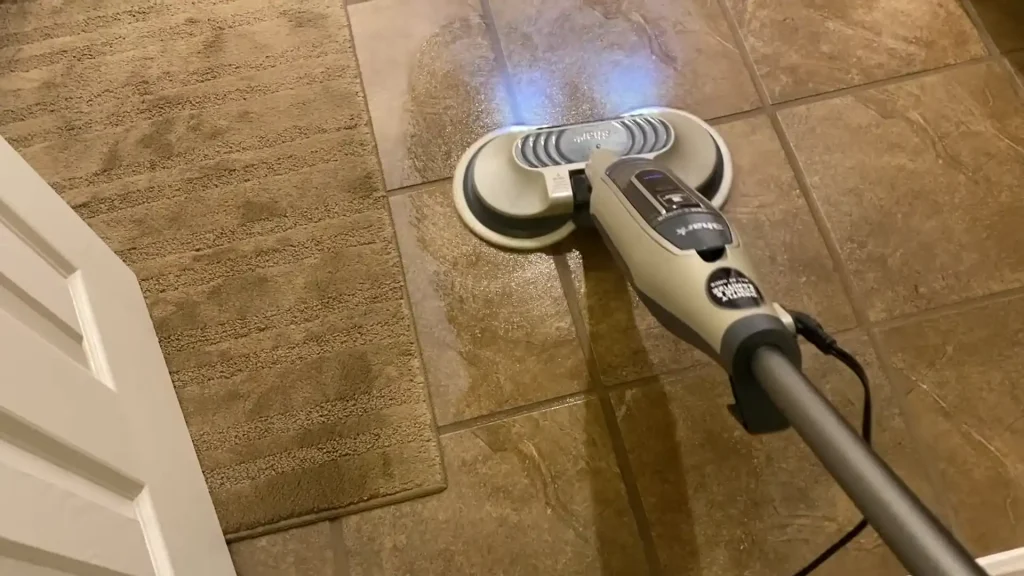
Here you can push the steam up higher. Tile is durable. The challenge is grout, and that’s where a scrubbing attachment or a concentrated nozzle makes the difference between effective and useless.
A wide, flat pad spreads steam evenly for tile surfaces. For grout, swap to a small brush head and work in sections.
Laminate
Laminate is the trickiest floor type for steam mops. It looks like hardwood but behaves differently. The core is usually compressed wood, and moisture can swell it permanently.
Some laminate floors say “steam mop safe” in their care instructions. Most don’t. If yours doesn’t specify, use the lowest steam setting and keep passes short. Or skip the steam mop entirely and use a regular spray mop with a damp cloth instead.
Vinyl and LVP
These floors are more moisture-tolerant than laminate. Mid-level steam is fine. They respond well to steam cleaning and you’ll see the difference quickly on scuffs and buildup.
Steam Control vs. Wattage: Which One Should You Actually Care About?
Wattage tells you how much power the mop uses to generate steam. Higher wattage generally means faster heat-up and more steam output. But it doesn’t tell you how well the mop controls that steam.
A 1500W mop blasting full steam on sealed hardwood can damage your floor. A 1100W mop with a proper low-steam mode is safer and more practical for daily use.
Most people are better served by a mop in the 1000–1200W range with solid steam control than by chasing a high-wattage number. Steam control is the smarter spec to look at.
The exception is tile and grout. If that’s your primary floor type and you want real cleaning power, a higher-wattage model with a scrub attachment makes a meaningful difference.
Corded vs. Cordless
Corded steam mops give you unlimited run time and consistent steam pressure. The trade-off is the cord. It limits range and gets in the way on larger spaces.
Cordless steam mops are more convenient but come with trade-offs. Battery capacity limits run time, often to 20 minutes or less. Some cordless models produce weaker steam than corded ones at the same price point.
For most homes, corded is the better practical choice. The cord is annoying but you never run out of steam mid-clean.
Cordless makes more sense if you have a small space, hate cord management, or want to clean stairs or furniture without dragging a cord behind you.
Does a Good Steam Mop Have to Be Expensive?
No. But the cheapest ones have real problems.
Under $40, you’ll typically find mops with no steam control, slow heat-up times, and thin pads that wear out fast. They work, but not well enough to make you happy you bought one.
The sweet spot is $60–$120. That range covers solid steam control, decent pad quality, reasonable heat-up times, and enough durability to last a few years with regular use. Most of the well-reviewed mid-range steam mops fall here.
Above $150, you’re paying for features like automatic steam adjustment by floor type, larger tanks, faster heat-up, and better warranty support. Useful if you clean large homes frequently. Probably overkill for a two-bedroom apartment.
The one place where spending more is worth it: if you need to clean both floors and other surfaces like counters, bathroom tiles, or upholstery. A steam cleaner with mop attachments costs more than a basic steam mop, but it replaces multiple tools.
Frequently Asked Questions
What is a good steam mop for everyday use?
For daily or weekly cleaning, look for something lightweight, with a heat-up time under 30 seconds, and a swivel head. You don’t need maximum wattage for everyday floors. A mid-range corded steam mop in the $70–$100 range handles most homes well. If you’re mopping multiple floor types, make sure it has adjustable steam levels. You can also check our roundup of the best steam mops for specific model recommendations.
Can a steam mop replace a regular mop?
For most sealed hard floors, yes. A steam mop cleans, sanitizes, and dries faster than a wet mop. It won’t replace a mop for heavily soiled floors or large debris. Sweep or vacuum first, then steam mop. For laminate or unsealed wood floors, a traditional damp mop is often safer.
Is steam mopping safe for all floors?
No. Unsealed hardwood, unsealed stone, and most laminate floors can be damaged by steam over time. Always check your floor manufacturer’s care guide before using a steam mop. If it says steam-safe, you’re fine. If it doesn’t mention steam at all, use caution or skip it.
What features are a waste of money on a steam mop?
Built-in water filters are mostly marketing unless your tap water is extremely hard. Digital displays that show temperature add cost without real benefit. Detachable handheld modes sound useful but most people never use them. Focus your budget on steam control, pad quality, and heat-up time instead.