Best Steam Cleaner for Travertine Floors: 6 Safe Picks
Steam and travertine make a lot of homeowners nervous, and that’s fair. Travertine is natural stone full of tiny pits, and the wrong mix of heat and water can wear down the sealer or loosen the filler.
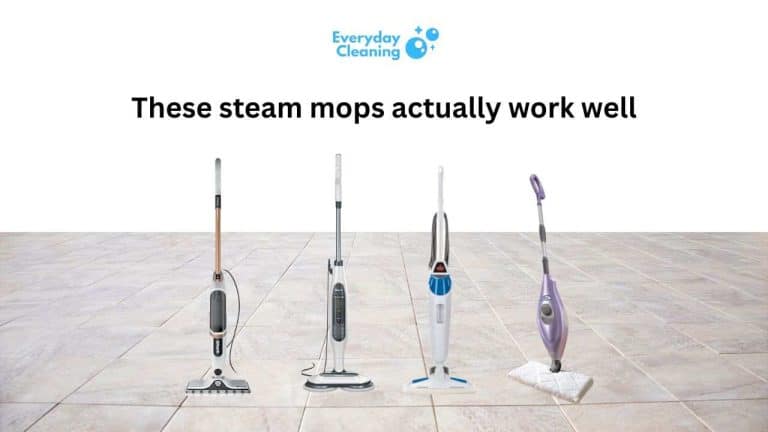
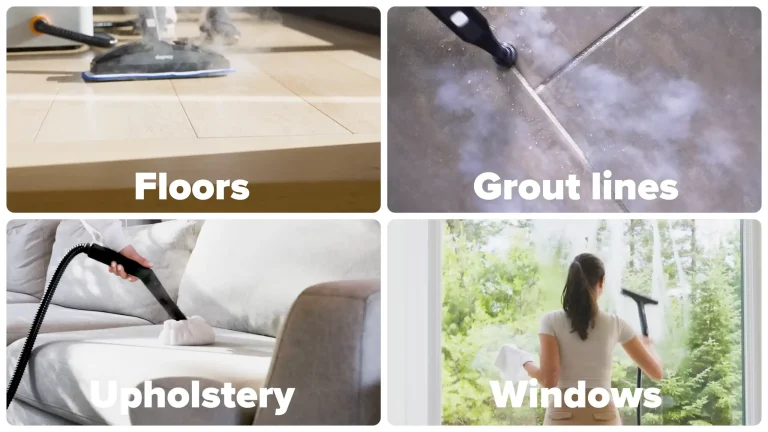
Here’s the honest answer. A steam cleaner can work on sealed, intact travertine if you control two things: how hot the steam is and how much water ends up on the floor. That’s why every pick here has adjustable steam or a way to skip steam altogether, and several pick up the water as they go.
We reviewed five options, from budget steam mops to premium wet-dry machines. After the reviews, you’ll find the rules for steaming travertine safely, including what never goes in the tank.
Our Top Picks
| Recommendation | Product | Reason |
|---|---|---|
| Best Overall | Shark SteamSpot S2001 | Three steam modes and no scrub pads. Reviews ↓ |
| Best Value | BISSELL PowerFresh 1940A | Three variable steam levels at a low price. Reviews ↓ |
| Best Mid-Range Wet-Dry | Bissell CrossWave HydroSteam Deluxe | Separate tanks pick up dirty water as you go. Reviews ↓ |
| Best Premium | roborock F25 Ultra | Hot Water mode when you want to skip steam. Reviews ↓ |
| Best Flagship Pick | Tineco Floor One S9 Artist Steam | Easy steering and a lay-flat reach. Reviews ↓ |
Best Overall: Shark SteamSpot Steam Mop (S2001)
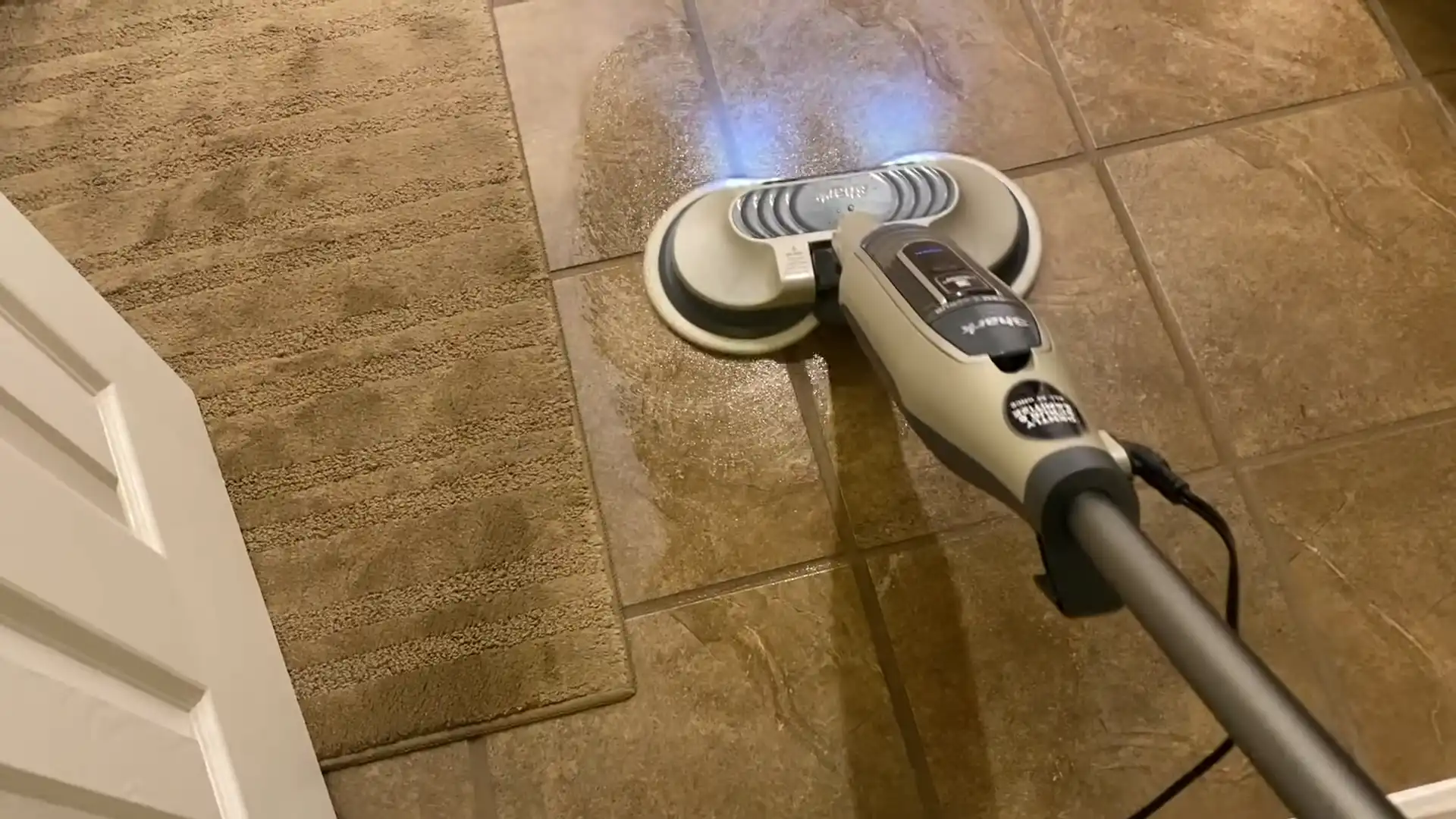
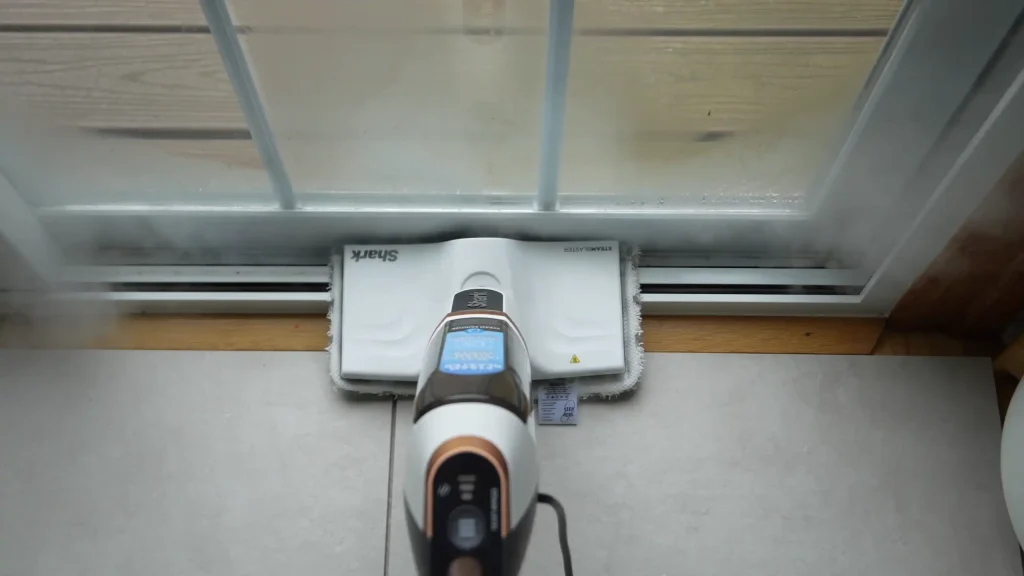
The Shark SteamSpot is a light, simple steam mop with three steam modes and no scrubbing pads. That’s exactly what travertine wants. It heats in about 30 seconds and weighs under 5 lbs.
For most sealed travertine floors, this is where I’d start. It does the job without extra features that can hurt soft stone.

- POWERFUL PERFORMANCE: Combination of powerful steam, targeted steam blast, and textured pads provide up to 50% better stuck-on stain removal vs. a traditional steam mop*
- STEAM BLASTER TECHNOLOGY: A burst of targeted steam that is controlled at the touch of finger to provide even more steam power for stubborn spots and stuck-on messes.

Pros and Cons
| Pros | Cons |
|---|---|
| Three steam modes | 17 oz tank needs refills on large floors |
| 4.81 lbs, easy to carry | Steam Blaster is too intense for pitted stone |
| Removable tank, two washable pads | |
| Auto-pause when upright |
Rating: 4.6 / 5
Travertine Advice
Stay on the lowest steam mode and keep the mop moving. Skip the Steam Blaster over filled holes, because a concentrated burst can loosen filler. Use distilled water in the tank and swap in a clean pad once it gets damp.
Best Value: BISSELL Steam Mop PowerFresh 1940A
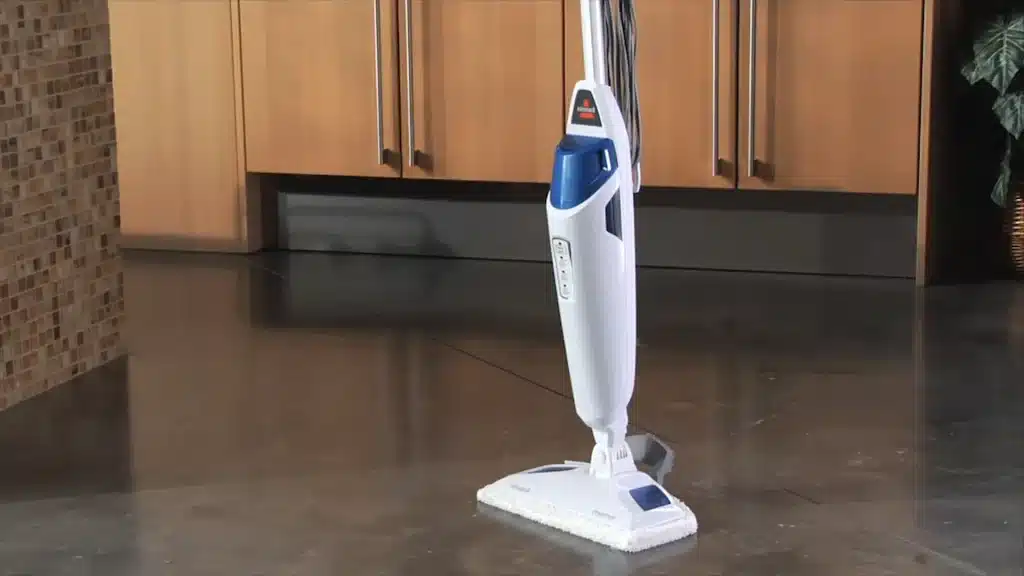
The BISSELL PowerFresh is the budget pick with three variable steam levels. It has a 23-ft cord and a 12-inch cleaning path, and BISSELL lists marble and granite among the surfaces it handles.
Travertine isn’t on that list, so treat this as a careful budget option. It’s a fair pick if you keep steam low and skip the extras.
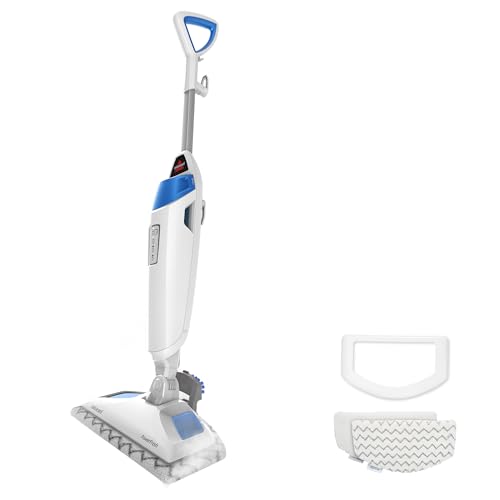
- SANITIZE WITH STEAM, NOT CHEMICALS. KILLS 99.9% OF GERMS, BACTERIA, & VIRUSES WHEN USED AS DIRECTED. Peace of mind for a cleaner home.
- BUILT-IN SCRUBBER FOR TOUGH GRIME. Flip down the Easy Scrubber to break up dried-on messes and grout buildup– no extra pressure required.
Pros and Cons
| Pros | Cons |
|---|---|
| Three variable steam levels | Microfiber pads dry slowly after heavy use |
| 23-ft cord reaches most rooms | Sanitizing takes 15 to 20 seconds per spot |
| 6.2 lbs with a 16 oz tank | No LED headlights |
| Good value for the price |
Rating: 4.3 / 5
Travertine Advice
Leave the flip-down Easy Scrubber up. It’s built for grout and can scratch soft stone.
Skip the fragrance disc too, since stone doesn’t need scent residue. Change pads often, because a soaked pad puts extra water into the pits.
Best Mid-Range Wet-Dry: Bissell CrossWave HydroSteam Deluxe
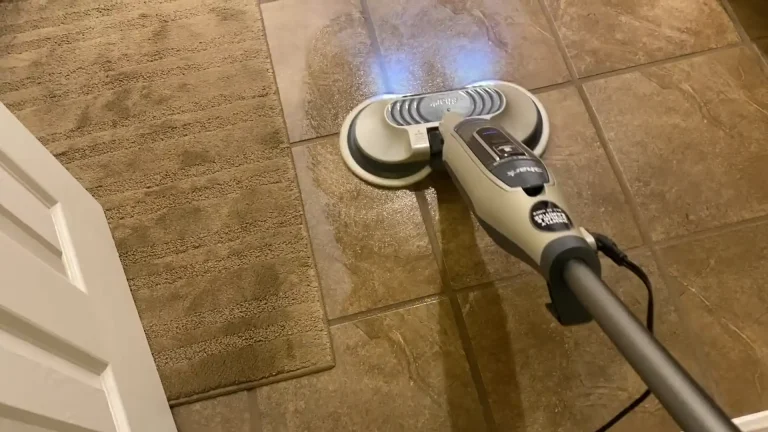
The CrossWave HydroSteam vacuums, mops, and steams in one machine. Separate clean and dirty water tanks mean it picks up the water it puts down, which keeps the floor drier than a standard steam mop.
That matters on porous stone. It’s corded and heavy, but it gives you a lot for a mid-range price.

- 3-IN-1 HYDROSTEAM: 20% STRONGER CLEANING*. Vacuum, wash and steam floors at once. HydroSteam Technology combines water and steam to dissolve tough grease 20% faster than steam-only cleaners. Ideal for kitchen spills and pet messes. *Based on internal testing vs. steam-only cleaners on grease.
- TANGLE-FREE BRUSHROLL STOPS HAIR WRAP. Effortlessly prevents hair wrap and handles stubborn pet hair with our specialized brushroll design.
Pros and Cons
| Pros | Cons |
|---|---|
| SteamWash, Area Rug, and Hard Floor modes | Corded, so no cordless freedom |
| Separate clean and dirty water tanks | Heavy at 12.5 lbs |
| One-touch self-cleaning cycle | Steam is weaker than standalone steam mops, per some users |
| Mid-range price | Formula is not labeled for natural stone |
Rating: 4.2 / 5
Travertine Advice
Use Hard Floor mode only. Don’t use the Hard Floor Sanitize formula unless it’s labeled safe for natural stone. When in doubt, run it with plain distilled water and test a hidden spot first.
Best Premium: roborock F25 Ultra
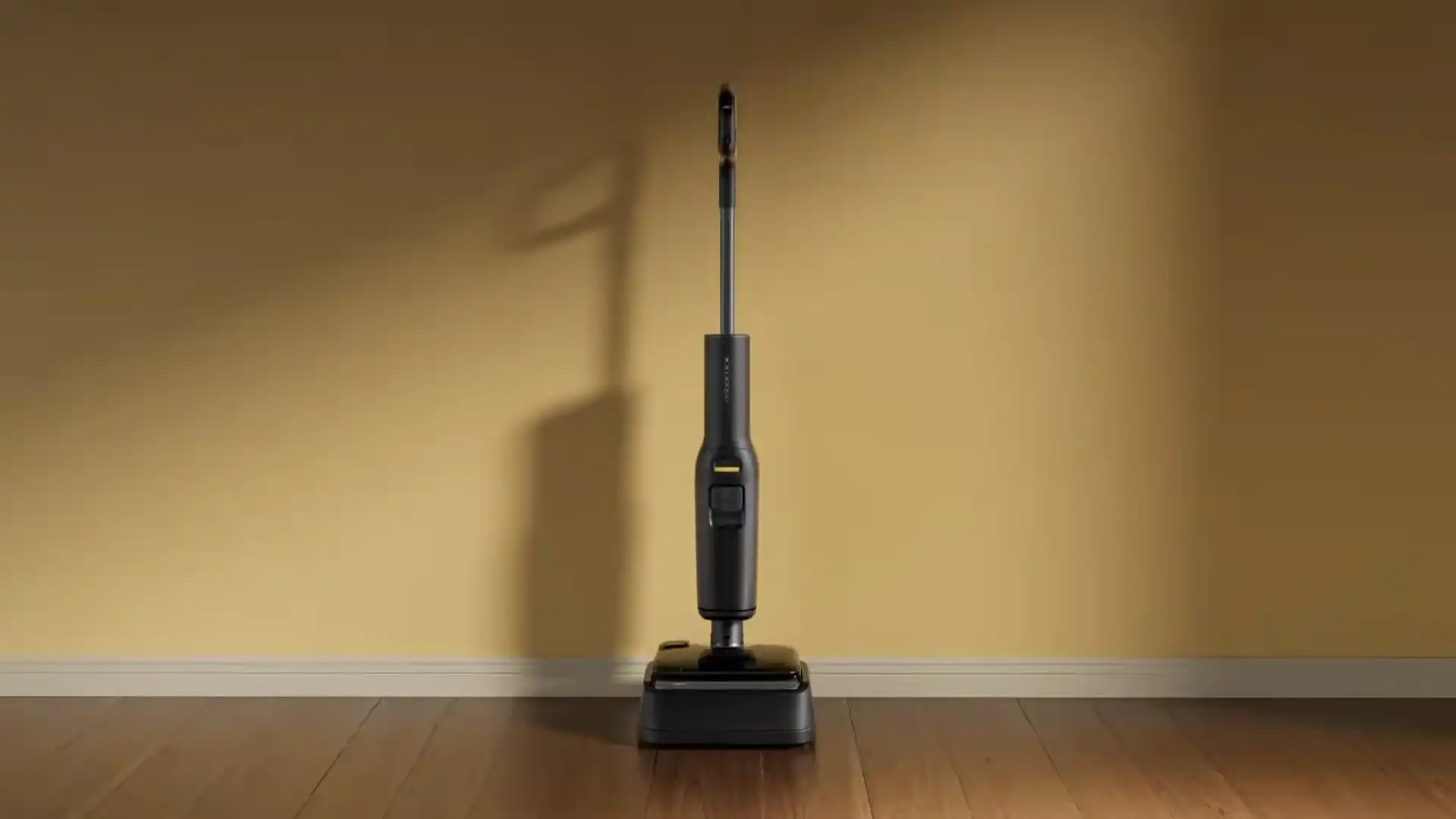
The roborock F25 Ultra offers 356°F steam and 187°F hot water in the same machine. For travertine, the hot water mode is the draw. It cleans without full steam.
If you’re nervous about steam on stone, this is the safest way to start. You can run it for weeks on hot water and only reach for steam when you need it.

- Revolutionary 356℉ Steam & 187℉ Hot Water Cleaning: Experience powerful deep cleaning with this cordless steam vacuum cleaner. The 356℉ steam lifts dried messes, while 187℉ hot water breaks down grease and sticky spills. Perfect for tile, vinyl plank, hardwood, and laminate floors, it leaves kitchens and dining areas fresh, spotless, and effortlessly maintained.
- Blue Light for Hidden Debris Detection: Bright blue light reveals dust, crumbs, and fine particles on dark or hard-to-see surfaces like hardwood, vinyl, tile, and laminate. Spot every mess with confidence and precision. Perfect for thorough cleaning in kitchens, dining areas, and living spaces, making daily floor care simple, effective, and stress-free.
Pros and Cons
| Pros | Cons |
|---|---|
| Auto, Sponge, Steam, and Hot Water modes | Premium price |
| Power-assisted wheels | Heaviest in the F25 lineup at 12.1 lbs |
| App remote control to steer under furniture | Usable suction tested slightly below average |
| LED Blue Light shows hidden debris | Moderate to loud in steam mode |
Rating: 4.5 / 5
Travertine Advice
Make Hot Water or Sponge mode your default. Hot Water runs cooler than the 356°F steam, and the machine picks up the water as it works. Use Steam only for sticky spots on sealed stone.
Best Flagship Pick: Tineco Floor One S9 Artist Steam
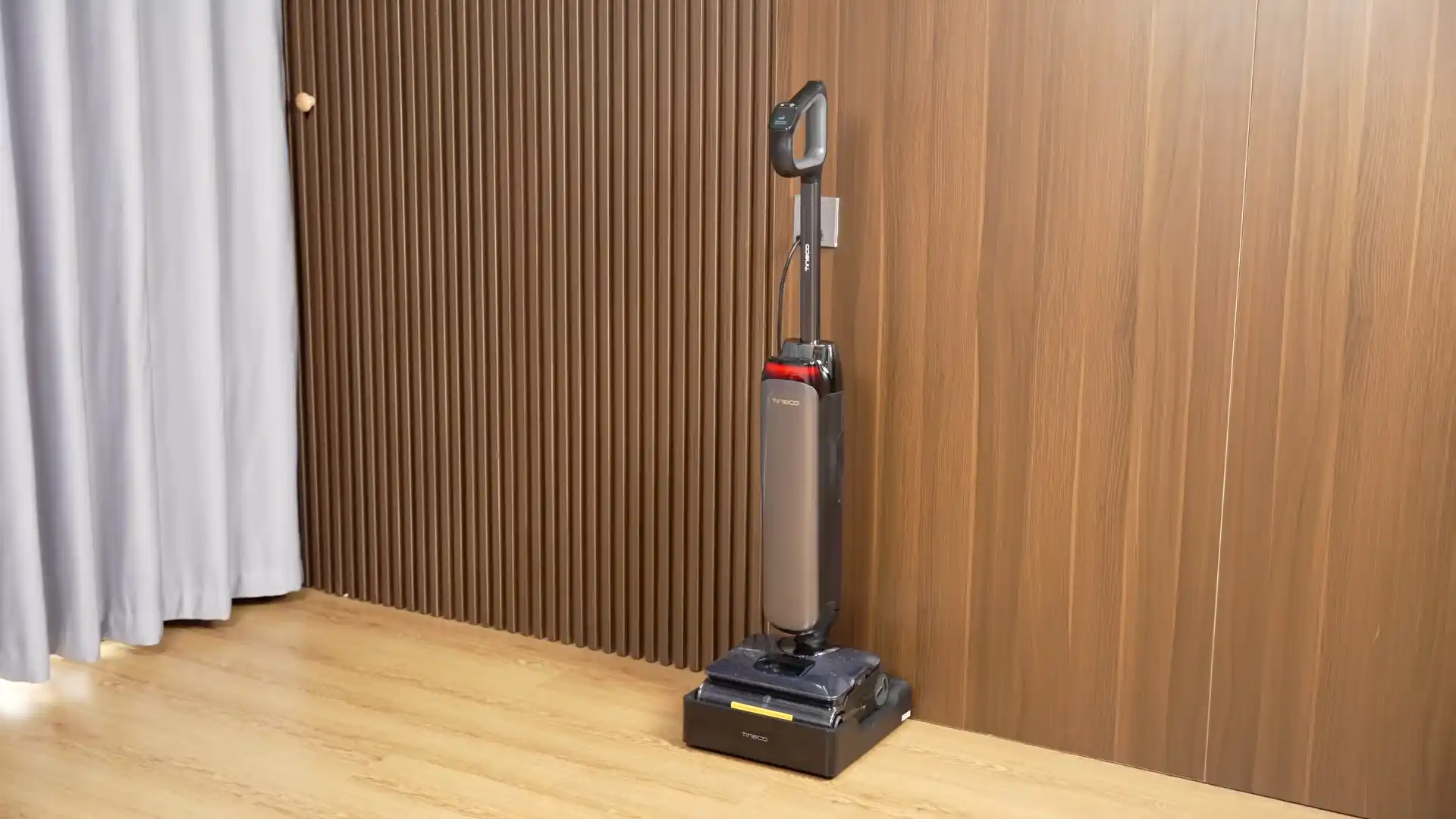
The Tineco Floor One S9 Artist Steam is the easiest of these to steer. The 360° SmoothDrive and 180° lay-flat design help you get around furniture and under low edges.
That handling means fewer awkward turns and less time sitting in one spot. On travertine, that’s a real advantage.

- Please note: The initial steam preparation takes around 60s. For subsequent uses, this time reduces to about 45s. This waiting period is normal and not a product malfunction. Preparation time may vary depending on the usage environment and user habits, the actual time shall prevail.
- 320°F HyperSteam System: This system generates steam at 320°F, maintaining a minimum outlet temperature of 210°F to liquefy hardened grease and embedded stains with clinical efficiency.
Pros and Cons
| Pros | Cons |
|---|---|
| High-temperature steam, no chemicals needed | Premium flagship price |
| 360° SmoothDrive steering | Hard floors only |
| Anti-tangle design | Steam modes draw more battery |
| 185°F Flashdry self-cleaning | |
| Dual water tank system |
Rating: 4.5 / 5
Travertine Advice
Run it in a standard wet mode for routine cleaning and use steam only on stuck-on spots. Keep the pad moving so heat never sits on one patch of stone. Test a hidden corner before you do the whole room.
What to Look for in the Best Steam Cleaner for Travertine Floors
Travertine isn’t tile. It’s natural limestone with built-in holes, and that changes what you should buy.
Why Travertine Needs Special Care
Travertine is made of calcium carbonate, so it reacts to acid. It’s also porous, and its natural pits are usually filled with grout or resin. Heat and water can wear down that filler and the sealer on top.
Steam itself doesn’t etch stone the way vinegar does. The risk is heat and moisture soaking into unsealed or damaged areas. Sealed, intact floors handle light, controlled steam much better.
Filled vs Unfilled Travertine
Most installed travertine has its pits filled with grout, epoxy, or resin. Filled stone is the safer candidate for steam, as long as the filler is intact.
Unfilled travertine has open holes that trap water and dirt. Heat and moisture go straight in, so skip steam and ask a stone pro about filling it first.
Honed, Polished, and Tumbled Finishes
Honed travertine has a soft, matte look and hides marks well. Polished travertine is glossy and shows scratches and haze more easily. Tumbled travertine has rough, rounded edges and deeper pits that hold more dirt.
Polished stone needs the softest pads and the lightest touch. Tumbled stone needs slow passes so steam reaches the deeper pits without soaking them.
Adjustable Steam Settings
You want to choose the heat. A mop with one fixed steam setting gives you no way to back off on stone. Look for at least three levels, or a mode that skips steam entirely.
Low Moisture and Wet-Dry Pickup
Standard steam mops leave a damp film behind. Porous stone soaks that up, especially in the pits.
Wet-dry machines pick up the dirty water as they clean, so less moisture stays on the floor. If that appeals to you, our roundup of the best wet dry vacuum mop combos covers more options.
Steam Mop or Wet-Dry Machine?
A steam mop is cheaper, lighter, and simple to use. The trade-off is the water it leaves behind, and you have to manage that with a fast, steady pace and a clean pad.
A wet-dry machine costs more and weighs more, but it vacuums up the dirty water as it goes. On porous stone, that extra control is worth paying for if your budget allows. If you’re not sure, start with a budget mop on the lowest setting and see how your floor responds.
Soft Pads, No Scrubbers
Travertine is a soft stone. Rotating scrub pads, stiff brushes, and brass attachments can scratch honed or polished surfaces. Stick to microfiber pads.
What Goes in the Tank
Use distilled water. Tap water can leave mineral spots on stone and scale inside the machine. Never put vinegar, lemon juice, or descaler in the tank, because acid etches travertine.
Skip scent discs and unlabeled additives too. Our article on whether you can put cleaner in a steam mop explains the risks.
Sealed Floors Only
Test your floor first. Put a few drops of water on the stone. If it darkens or soaks in within several minutes, the floor needs sealing before you steam it.
Don’t steam new installs until the sealer has cured, per the label. Don’t steam cracked tiles, loose tiles, or areas with missing filler.
How to Steam Clean Travertine Safely
Travertine forgives very little, so the order matters.
- Sweep or vacuum first with a soft brush head. Grit scratches soft stone. Our guide to the best vacuum cleaners for tile floors can help.
- Run the water drop test and check for loose tiles or missing filler.
- Test a hidden spot, like a closet corner, on the lowest setting. Let it dry and check for haze.
- Fill the tank with distilled water and attach a clean microfiber pad.
- Work in slow, steady passes on low steam. Never stop in one spot.
- Wipe the floor with a dry microfiber towel and let it air dry before heavy foot traffic.
- Wash the pads after every use.
Mistakes to Avoid on Travertine
Most travertine damage comes from small habits, not the steam itself. These are the ones to watch.
- Putting vinegar, lemon, or any acidic cleaner in the tank
- Leaving the mop in one spot while steam builds up
- Using scrub pads, brass brushes, or stiff scrubbers
- Steaming a floor that failed the water drop test
- Letting a soaked pad drag water across the stone
- Skipping the hidden-spot test on a new machine
If you only remember one thing, remember this. Low heat, low moisture, and a soft pad.
Frequently Asked Questions
Can you use a steam cleaner on travertine floors?
Yes, if the floor is sealed and in good condition. Use low steam and keep the mop moving. Skip it on unsealed, cracked, or loose stone, and check your tile maker’s care guide first.
What if my travertine isn’t sealed?
Seal it first. Unsealed travertine soaks up water and steam, which can lead to stains and a weak surface. Use a sealer made for natural stone and follow the cure time on the label before you steam.
Will steam remove the sealer?
Repeated heat and moisture can wear sealer down over time. Keep steam low and don’t overuse it. Many stone pros reseal every year or two, but it depends on traffic and the product.
Is a steam mop better than a regular mop on travertine?
For sanitizing without chemicals, yes. The bigger risk with regular mops is the cleaner, since acidic products etch stone. See our steam mop vs regular mop comparison for more.
Will steam clean the holes in travertine?
It can lift dirt out of the pits, but it won’t repair missing filler. If holes are open or filler is falling out, call a stone pro before you steam.
Can I use a handheld or high-pressure steam cleaner?
Not on travertine. Concentrated steam can blow out filler and push moisture into the pits.
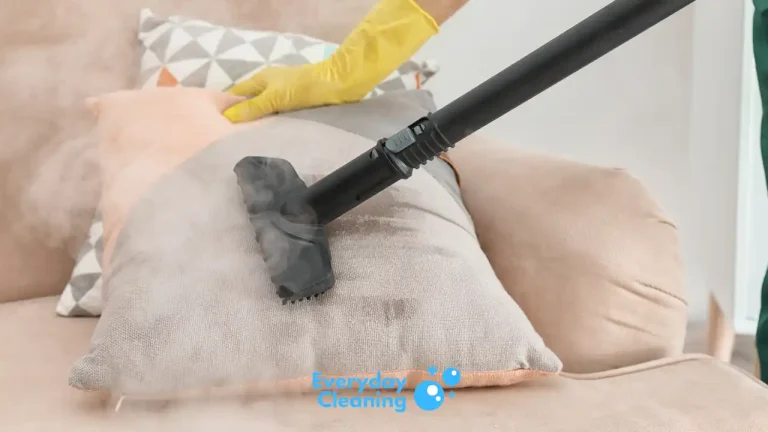
A steam mop or wet-dry machine is the safer choice, and our steam mop vs steam cleaner breakdown explains the difference. For regular tile, our guide to the best steam cleaner for tile floors has more options.
Is a steam mop safe on honed travertine?
Yes, on sealed and intact stone. Honed travertine hides marks better than polished, but it still needs a soft pad and low steam. Test a hidden spot first.
How often should I steam clean travertine?
Every two weeks is plenty for most homes. Sweep or vacuum in between to keep grit off the stone.