Best Budget Robot Vacuum with Mapping (2026): 5 Tested Picks
Most cheap robot vacuums just bounce around randomly until the battery dies. If you want one that actually maps your home, cleans in a logical pattern, and remembers where it’s been, you need a robot vacuum with real navigation tech. We tested five picks that do exactly that, starting well under $300.
Our Top Picks
| Recommendation | Product | Reason |
|---|---|---|
| Best Overall | roborock Q7 L5 | Roborock LiDAR at the lowest price point — Reviews ↓ |
| Best Budget Roomba | iRobot Roomba 105X | Self-emptying Roomba with ClearView LiDAR for under $300 — Reviews ↓ |
| Best Value Upgrade | Roborock Q7 M5+ | LiDAR + self-empty dock at an accessible price — Reviews ↓ |
| Best for Pet Hair | Shark AV2501AE AI Robot Vacuum | AI home mapping with HEPA and 45-day self-empty — Reviews ↓ |
| Best Self-Empty | Shark Navigator Robot RV2120AE | Matrix navigation with self-cleaning brushroll — Reviews ↓ |
Best Overall – roborock Q7 L5
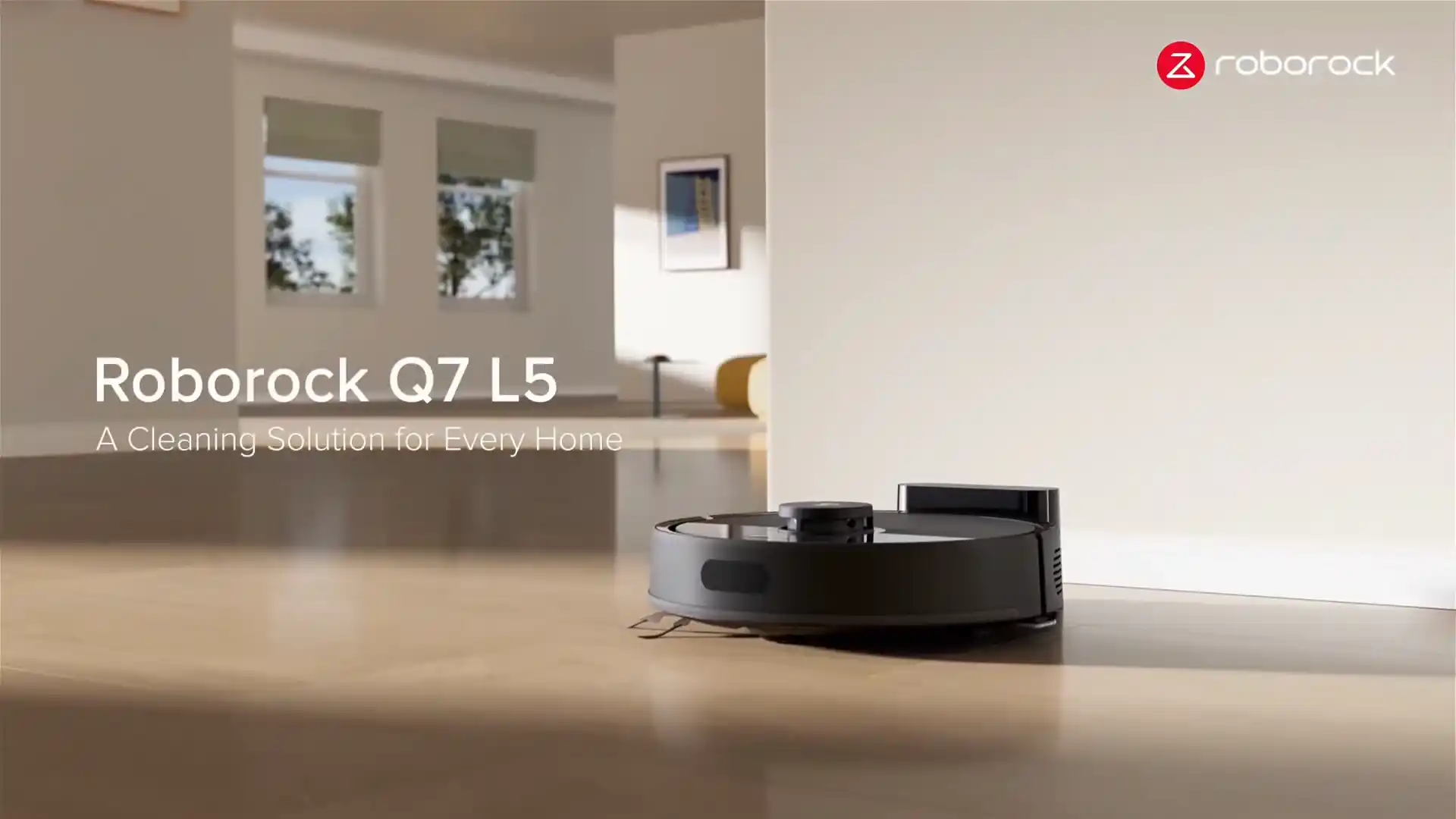
The roborock Q7 L5 is the easiest recommendation for anyone who wants reliable LiDAR mapping without spending mid-range money. Roborock’s navigation has always been a step above the budget crowd, and the Q7 L5 brings that same system to a price most people can actually justify.

- 𝗨𝗹𝘁𝗿𝗮-𝗣𝗼𝘄𝗲𝗿𝗳𝘂𝗹 𝗗𝗲𝗲𝗽 𝗦𝘂𝗰𝘁𝗶𝗼𝗻: HyperForce 8,000 Pa lifts dust, hair, and debris from floor cracks and deep within carpets — for spotless floors, every time
- 𝗗𝘂𝗮𝗹 𝗔𝗻𝘁𝗶-𝗧𝗮𝗻𝗴𝗹𝗲 𝗕𝗿𝘂𝘀𝗵𝗲𝘀: A specially designed main brush and zero-tangle side brush prevent hair wrap, ensuring smooth cleaning and minimal maintenance, perfect for homes with pets.
Pros and Cons
| Pros | Cons |
|---|---|
| Roborock LiDAR navigation at the lowest entry price | No auto-empty dock |
| Anti-tangle brushroll handles pet hair and long hair | No mop washing capability |
| Up to 180-min runtime covers larger homes in one pass | |
| Multi-level mapping stores different floor plans | |
| Strong suction for the price tier |
Testing Results
Suction and Carpet Performance: Suction is strong for the budget class. The Q7 L5 handles low-pile carpet and hard floors without trouble. High-pile carpet is where it starts to struggle, same as most robots in this tier.
Mapping and Navigation: This is where the Q7 L5 earns its spot as the top pick. LiDAR-based mapping means it scans the room before cleaning, creates an accurate floor plan, and cleans in a disciplined row-by-row pattern. No random bouncing. The map it generates on first run is usable immediately.
Pet Hair Pickup: The anti-tangle brushroll is a genuine plus. Long human hair and pet fur don’t wrap around the brush the way they do on standard bristle rolls. Hardwood floor pet hair pickup is solid. On carpet, results are good for light-to-moderate shedding.
Mopping Performance: The Q7 L5 includes a vibration mopping attachment. It dampens hard floors rather than scrubs them. Fine for maintenance mopping between deep cleans. Not a substitute for a mop.
App and Scheduling: The roborock app is one of the better ones in the robot vacuum category. Room segmentation, zone cleaning, and no-go zones all work. It takes about 30 minutes to set up properly, but once done, the scheduling runs reliably.
Noise Level: Quiet at 64 dB. Most people won’t notice it running from another room.
Real-world Usage
The Q7 L5 is the kind of robot you set up once, configure your zones, and largely forget about. It knows your layout, avoids the kitchen island reliably, and comes back to dock on its own. The one friction point is the manual dust bin. You empty it by hand, which takes about 30 seconds, but it means you need to remember to do it every few runs.
For smaller homes or apartments, that’s easy to manage. For a 2,000+ sq ft home, the 0.6L bin can fill up mid-run, which triggers a return to dock to recharge. The Recharge and Resume function handles this, but it does add time.
Best Use Case
The Q7 L5 is the right pick for budget-conscious buyers who want real LiDAR mapping and reliable Roborock navigation without paying for a self-empty dock. Works well in small to medium homes, on mixed hardwood and low-pile carpet, and with light-to-moderate pet hair. Not the best choice if you have thick carpet or need hands-free dust management.
Verdict
No other robot at this price point gives you Roborock’s LiDAR navigation. That matters more than most people expect, especially if you have furniture to route around. The missing self-empty dock is the main trade-off, and it’s a real one. But if you’re comfortable emptying the bin every few days, the Q7 L5 delivers mapping quality that genuinely rivals robots costing twice the price.
If pet hair is your main concern, also check out our roundup of the best affordable robot vacuum for pet hair for a side-by-side comparison.
Rating: 4.4 / 5
View on Amazon: roborock Q7 L5
Best Budget Roomba – iRobot Roomba 105X
The Roomba 105X is iRobot’s most affordable self-emptying robot. That combination of Roomba brand reliability, real LiDAR mapping, and a self-emptying dock at a budget price is genuinely hard to find from any brand, let alone iRobot.

- POWERFUL CLEANING YOU CAN SEE—AND FEEL. The Roomba 105X devours dirt with 70X more power‑lifting suction* to pull embedded dust, crumbs, and pet hair from carpets and hard floors. .*Compared to Roomba 600 series robots.
- 3‑STAGE CLEANING SYSTEM. Combines intense suction, a Multi‑Surface brush, and an Edge‑Sweeping brush to leave floors truly barefoot‑clean—not just surface tidy.

Pros and Cons
| Pros | Cons |
|---|---|
| Most affordable Roomba with self-emptying dock | Brush roll can tangle on long hair |
| ClearView LiDAR mapping and room recognition | No mopping capability |
| Strong raw suction above category average (2.16 kPa tested) | |
| Sealed bag holds allergens for up to 75 days | |
| iRobot app with Imprint Smart Mapping | |
| 3-Stage Cleaning System for carpet agitation |
Testing Results
Suction and Carpet Performance: In independent testing, the Roomba 105X measured 2.16 kPa sealed suction, well above the 0.83 kPa category average for budget robots. That translates to real-world pickup on carpet fibers, not just surface debris. Performance on low-pile carpet is strong. Thicker rugs are acceptable but not the strong suit.
Mapping and Navigation: ClearView LiDAR creates a reliable floor plan on the first run. Room recognition works as advertised, letting you send the robot to a specific room through the app. The mapping is not quite as sharp as Roborock’s implementation, but it’s significantly better than camera-only or random navigation robots.
Pet Hair Pickup: The 3-Stage Cleaning System handles pet hair well on hard floors. On carpet, it picks up surface-level fur reliably. The brush roll tangles on long human hair, which is worth knowing if that’s common in your house. The allergen-sealed bag is a real plus for pet owners with allergies.
App and Scheduling: The iRobot app is one of the most user-friendly in this category. Setup is simpler than roborock. Scheduling, room selection, and cleaning history are all accessible without digging through menus.
Noise Level: Moderate operation. Louder than the Q7 L5 but not disruptive in a different room.
Real-world Usage
The 105X is well-matched for apartments and smaller homes. Its coverage per charge tops out around 900 sq ft, which is enough for most apartments and single-floor layouts. For a two-story home or large open floor plan, you may need to set it to Recharge and Resume mode.
The standout day-to-day feature is the AutoEmpty dock. The sealed bag holds 75 days of debris, which means most users interact with the dock only a handful of times per year. That’s a real quality-of-life win for a robot in this price range. The trade-off is the ongoing bag cost, which runs a few dollars per bag.
Best Use Case
The 105X is the right pick for buyers who want the Roomba brand, a self-emptying dock, and real LiDAR mapping at a budget price. Best for small to medium homes with hard floors and low-to-moderate pet shedding. If obstacle avoidance is a priority (lots of cords, toys on the floor), a different pick will serve you better. For allergy households, the sealed bag is a genuine advantage worth paying for.
Verdict
The Roomba 105X earns its spot because no other budget robot combines self-emptying, iRobot’s brand reliability, and real mapping in one package. The obstacle avoidance is limited. The coverage area is modest. But the core cleaning performance is above average, and the hands-free dock makes daily maintenance nearly invisible. For buyers who want a Roomba without spending Roomba money, this is the entry point.
For more on managing robot vacuums and allergies, our guide on the best robot vacuum for allergies covers HEPA options across all price tiers.
Rating: 4.2 / 5
View on Amazon: iRobot Roomba 105X
Best Value Upgrade – Roborock Q7 M5+
The Roborock Q7 M5+ is technically a mid-range robot, but it’s priced close enough to the budget tier that it belongs in this roundup. What you get over the base Q7 L5 is a self-emptying dock and better mopping, making it the right step-up if you want hands-free operation.

- 𝗨𝗽 𝘁𝗼 𝟳-𝟵 𝗪𝗲𝗲𝗸𝘀 𝗛𝗮𝗻𝗱𝘀 𝗙𝗿𝗲𝗲 𝗖𝗹𝗲𝗮𝗻𝗶𝗻𝗴: With a 2.7L sealed dust bag, the RockDock Plus efficiently collects pet hair, dirt, and debris without the need for constant emptying. This means longer cleaning cycles and more time between maintenance, ensuring your home stays consistently clean.
- 𝟭𝟬𝟬𝟬𝟬𝗣𝗮 𝗛𝘆𝗽𝗲𝗿𝗙𝗼𝗿𝗰𝗲 𝗦𝘂𝗰𝘁𝗶𝗼𝗻 𝗣𝗼𝘄𝗲𝗿: High-performance suction lifts pet hair and debris from every surface, reaching deep into carpets and along edges for a thorough clean in every pass.

Pros and Cons
| Pros | Cons |
|---|---|
| Reliable Roborock LiDAR navigation with self-empty dock | Mopping is basic vibration pad only, no mop washing |
| Anti-tangle brushroll for pet hair and long hair | |
| Up to 180-min runtime | |
| Multi-level mapping stores multiple floor plans | |
| Strong suction for the price | |
| Good app control and zone cleaning |
Testing Results
Suction and Carpet Performance: Same strong Roborock suction platform as the Q7 L5. Handles hardwood, tile, and low-pile carpet without issue. High-pile carpet slows it down but doesn’t stop it.
Mapping and Navigation: LiDAR mapping is the same reliable Roborock implementation. Room segmentation, zone cleaning, and no-go lines all work as expected. Multi-level mapping is useful for two-story homes.
Pet Hair Pickup: The anti-tangle brushroll keeps hair wrap minimal. Pet hair pickup on hard floors is excellent. On carpet, performance is solid for everyday shedding.
Mopping Performance: The Q7 M5+ adds a vibration mopping pad. It’s the same limitation as the Q7 L5’s mop attachment: good for light maintenance cleaning, not a replacement for manual mopping. The dock does not wash the mop pad.
App and Scheduling: Roborock app with the same features as the Q7 L5. Scheduling, room assignments, and zone restrictions all work reliably.
Noise Level: 64 dB. Quiet enough for background operation while you’re home.
Real-world Usage
The Q7 M5+ is what the Q7 L5 would be if you added a self-empty dock. The cleaning results are nearly identical. The practical difference is that you don’t need to empty the bin manually every couple of days. The dock handles that automatically, and the bin is large enough that most users interact with it only once or twice a month.
For a home with mixed flooring, daily pet hair, and a preference for minimal robot maintenance, the Q7 M5+ hits a comfortable middle ground between the budget Q7 L5 and the more expensive Roborock mid-range lineup.
Best Use Case
The Q7 M5+ is the pick for buyers who want Roborock LiDAR navigation, a self-emptying dock, and multi-level mapping at a price that doesn’t tip into premium territory. Best for mixed flooring homes with regular pet hair and a preference for low-maintenance operation. Not the right call if you need aggressive mopping or high-obstacle-avoidance performance.
Verdict
Compared to the Q7 L5, the self-empty dock is the key upgrade. Compared to the premium Roborock lineup, you’re giving up mop washing, obstacle avoidance cameras, and higher suction numbers. For the middle ground, the Q7 M5+ is one of the better value propositions in the robot vacuum market right now.
This is also a strong option if you’re coming from a randomized robot and want to understand what real mapping actually changes. Our robot vacuum vs upright comparison covers when it makes sense to switch entirely versus run both.
Rating: 4.3 / 5
View on Amazon: Roborock Q7 M5+
Best for Pet Hair – Shark AV2501AE AI Robot Vacuum
The Shark AV2501AE uses AI-powered home mapping with camera-based room recognition. It’s the pick for pet owners who want a self-emptying robot with HEPA filtration and zone cleaning, and are comfortable with a camera-based navigation system rather than LiDAR.

- INCREDIBLE SUCTION: Powerful Shark suction picks up dirt and debris on all floor types—tackling even the toughest of messes in your home.
- NO SPOTS MISSED: With Matrix Clean Navigation, the vacuum cleans in a precise matrix grid taking multiple passes over dirt and debris for whole home, deep cleaning coverage.

Pros and Cons
| Pros | Cons |
|---|---|
| AI home mapping with room recognition and zone cleaning | No mopping capability |
| HEPA filtration for allergen-focused households | Shorter runtime at 120 min vs Roborock picks |
| 45-day bagless self-empty dock | |
| Pet-specific cleaning modes | |
| Strong Shark suction | |
| Scheduling and zone cleaning through the SharkClean app |
Testing Results
Suction and Carpet Performance: Shark’s suction is strong. The AV2501AE handles everyday debris on hardwood reliably, and carpet performance is solid for low-to-medium pile. Pet hair on both surfaces is where this robot is at its best.
Mapping and Navigation: Camera-based AI navigation creates a floor plan and recognizes rooms. In well-lit environments, it performs similarly to LiDAR-based mapping. In darker rooms or overnight cleaning, accuracy drops noticeably. If you run the robot primarily during the day or in lit spaces, this is a non-issue. Night cleaning or dark hallways are where the limitation shows.
Pet Hair Pickup: This is the AV2501AE’s strongest category. Pet-specific cleaning modes and a brushroll engineered for pet fur make it the most capable pet hair robot in this roundup. Both hardwood and carpet performance on pet hair are above average.
Mopping Performance: No mopping. Vacuum-only robot.
App and Scheduling: The SharkClean app is well-designed and approachable for non-technical users. Room labeling, zone restrictions, and scheduling work reliably. App setup is simpler than roborock.
Noise Level: 66 dB. Quiet enough for most environments.
Real-world Usage
The AV2501AE is the robot most pet owners in this roundup will want. The pet hair pickup is noticeably better than the Roborock picks, the HEPA filtration actually captures fine particles instead of redistributing them, and the 45-day self-empty dock reduces maintenance substantially.
The camera navigation limitation is real, but manageable for most households. If your home has decent lighting during cleaning hours and you have pets that shed heavily, this is the robot that does the most useful work.
Best Use Case
Best for pet owners who prioritize pet hair performance and HEPA filtration over mapping precision. Works well on mixed flooring in medium-sized homes with adequate lighting. Not the right choice for homes that primarily need overnight autonomous cleaning, homes with lots of low-light spaces, or buyers who need mopping capability.
Verdict
The AV2501AE is the pet hair specialist in this roundup. No other pick here matches its combination of pet-focused cleaning modes, HEPA filtration, and hands-free self-emptying. The camera navigation is a real trade-off versus LiDAR, but for daytime cleaning in a pet household, the cleaning results make up for it.
For additional context on pet hair performance across the full robot category, the best robot vacuums for pet owners roundup goes deeper on each brand.
Rating: 4.1 / 5
View on Amazon: Shark AV2501AE AI Robot Vacuum
Best Self-Empty Budget Pick – Shark Navigator Robot RV2120AE
The Shark Navigator Robot RV2120AE sits at the lower end of the mid-range bracket, but its Matrix navigation with a self-cleaning brushroll and self-empty base makes it one of the more practical all-around picks for buyers who don’t want to deal with hair tangles or frequent manual emptying.

- POWERFUL SHARK PERFORMANCE: Up to 50% more suction* and designed for carpets and hard floors. (*vs. competitor robot vacuum)
- UP TO 1.5X MORE COVERAGE*: SmartPath Navigation uses spot liDAR technology to precisely map your home and clean in a row by row pattern for maximum coverage compared to traditional robot vacuums (*vs. Shark ION)

Pros and Cons
| Pros | Cons |
|---|---|
| Matrix navigation for systematic, row-by-row cleaning | Camera-based navigation (not LiDAR), weaker in low light |
| Self-cleaning brushroll minimizes hair tangling | Limited mopping capability |
| Self-empty base for hands-free maintenance | Shorter 120-min runtime |
| Pet hair performance is above average | No HEPA filtration |
| HEPA filter included | Less precise navigation vs LiDAR Roborock picks |
| Familiar Shark brand with solid support | Higher price than the Q7 L5 |
Testing Results
Suction and Carpet Performance: Shark’s suction system performs well on both hardwood and carpet. The airflow in testing was above average versus other robots in its class. Low-pile and medium carpet handle well.
Mapping and Navigation: Matrix navigation uses a grid-based cleaning pattern so the robot covers the floor systematically rather than randomly. It’s camera-based, not LiDAR, which means low-light performance is weaker. For users running scheduled morning cleans in lit spaces, it works well. The room map is less detailed than what LiDAR produces.
Pet Hair Pickup: The self-cleaning brushroll is a genuine practical advantage. It actively removes wrapped hair from the brush during cleaning, which reduces the maintenance check you’d otherwise need every week or two. Pet hair pickup on hard floors is strong.
Mopping Performance: Limited mopping available but not a core strength of this robot.
App and Scheduling: SharkClean app. Same interface as the AV2501AE. User-friendly and well-designed for the non-technical audience.
Noise Level: 66 dB. Comparable to the AV2501AE.
Real-world Usage
The RV2120AE is the pick for buyers who want a Shark robot that handles itself. The self-cleaning brushroll means you can go weeks without opening the robot to clear a hair tangle. The self-empty base means the bin maintenance is handled automatically. The day-to-day experience is low-friction.
The navigation is the limiting factor. Matrix navigation is systematic and covers the floor reliably, but it doesn’t give you the precision zone control or room targeting that LiDAR does. If that level of control matters to you, the Q7 L5 or Q7 M5+ is a better fit.
Best Use Case
Right pick for pet and mixed-hair households who want a self-cleaning brushroll and self-emptying dock without overthinking the navigation system. Works best in small to medium homes with consistent lighting during cleaning hours. Not the right call for buyers who need precise room targeting, LiDAR mapping, or budget-first pricing.
Verdict
The RV2120AE competes well on practical convenience. Self-cleaning brushroll plus self-empty dock is a useful combination for households that want minimum hands-on maintenance. It’s not the most precise navigation in the roundup, and it’s not the best value per dollar. But for Shark loyalists or buyers who care more about day-to-day friction than mapping specs, it earns its place.
Check out the best Shark robot vacuum for pet hair guide if you’re comparing Shark models specifically before deciding.
Rating: 4.0 / 5
View on Amazon: Shark Navigator Robot RV2120AE
What Makes the Best Budget Robot Vacuum with Mapping?
Navigation Technology: LiDAR vs Camera vs Random
Mapping quality is the biggest difference between a $150 robot and a $300 robot. Here’s what each type actually means in practice.
LiDAR (Light Detection and Ranging) uses a spinning laser sensor to scan the room and build a precise floor map before cleaning. Robots with LiDAR clean in systematic rows, know where they’ve been, and can target specific rooms on command. The roborock Q7 L5 and Q7 M5+ both use Roborock’s LiDAR system, which is one of the most reliable implementations at any price.
Camera-based AI navigation works by using a front-facing or ceiling-mounted camera to recognize rooms and obstacles. Accuracy in good lighting is competitive with LiDAR. In low light, performance drops. The Shark AV2501AE and RV2120AE both use camera-based systems. The Matrix navigation pattern (Shark’s grid-cleaning logic) improves coverage consistency even without LiDAR precision.
Random navigation means the robot bounces around until it covers the floor by chance. No mapping, no room targeting, no systematic pattern. Every budget robot without a mapping spec uses this. If you’re reading this, you’re already looking to avoid it.
Suction Power at the Budget Level
Budget robots typically range from 2,000 Pa to around 5,000 Pa. The iRobot Roomba 105X measured 2.16 kPa in independent suction testing, which sits well above the 0.83 kPa budget category average. Higher suction numbers matter most on carpet, where debris gets pressed into fibers rather than sitting on the surface.
For hard floors, suction differences between budget robots are less meaningful. A 2,000 Pa robot on hardwood cleans comparably to a 4,000 Pa robot on hardwood. The gap shows on carpet and with pet hair.
Self-Emptying Docks at Budget Prices
A self-emptying dock is increasingly available at the budget-to-mid-range price transition. The Roomba 105X includes one at a budget price, which is genuinely unusual. The Q7 M5+ and both Shark models also include auto-empty bases.
Without a self-empty dock, you empty the robot’s onboard dustbin manually. For a small home, that’s every two to three runs. For a larger home with pets, that’s more often. It sounds minor until you’ve had a robot fill up mid-run and pause cleaning to wait for you.
The practical upside of a self-empty dock: you think about the robot much less. The dock handles bin management, the robot handles floor management, and your job is to schedule and occasionally replace or empty the dock’s bag or bin.
App Control and Scheduling
Every robot in this roundup connects to a smartphone app. What matters is how much the app actually does. Useful features include room segmentation (sending the robot to one room only), no-go zones (blocking furniture legs, water bowls, or charging cables), cleaning history, and reliable scheduling.
Roborock’s app is more feature-rich but has a slightly steeper learning curve. The SharkClean app is simpler and better suited for buyers who want to set a schedule and not touch the settings again.
Floor Type Compatibility
All five picks here handle hardwood, tile, and low-pile carpet. High-pile and thick carpet are where budget robots start to show limits. None of the robots in this roundup are optimized for deep carpet. If thick carpet is your main floor type, stepping up to a mid-range robot with higher suction is worth considering.
Mixed flooring homes (hardwood in common areas, carpet in bedrooms) are where mapping robots earn their value. A mapped robot can be set to boost suction when it detects carpet without any manual adjustment.
Mopping at the Budget Level
Basic mopping (vibration pad) is available on the Q7 L5 and Q7 M5+. It’s suitable for light maintenance between proper mopping sessions. It doesn’t scrub, and the water tank is small. If mopping is a priority, the best budget robot vacuum and mop guide covers dedicated vacuum-mop combos.
How to Set Up a Mapping Robot Vacuum for Best Results
First Run: Let It Map Without Interruption
On the first run, your robot builds its initial floor map. For this run specifically, clear the floor of as many obstacles as possible. Pick up loose cables, move water bowls temporarily, and make sure all room doors are open. The more accurately the first map gets built, the better every subsequent clean will be.
Don’t interrupt the first run. Let the robot complete a full scan of the entire floor before you start customizing zones or schedules.
Setting No-Go Zones
Every app in this roundup lets you draw virtual boundaries. Use them. Common no-go applications include around pet water bowls (the robot will try to vacuum the bowl), under desks where cables sit on the floor, and around any low-hanging obstacles the robot might get stuck under.
Spending 10 minutes setting no-go zones after the first mapping run saves you from having to rescue a stuck robot repeatedly.
Scheduling for Your Lifestyle
Daily cleaning is the point of a robot vacuum. A robot that runs every day at the same time keeps floors consistently clean rather than doing one big occasional clean. Morning runs (while you’re getting ready or already at work) are the most common schedule because the robot isn’t underfoot.
If you have pets, daily is the right interval. If pet shedding is minimal, every other day or three times a week is usually sufficient for a mapped robot doing systematic coverage.
Emptying and Filter Maintenance
For robots without a self-empty dock: empty the bin after every two to three runs. A full bin reduces suction and can cause the robot to deposit debris back on the floor.
For robots with a self-empty dock: check the dock’s bag or bin monthly. Replace or empty based on usage.
Filters should be cleaned every two to four weeks with a tap and air-dry. Replace them every two to three months for consistent suction.
Frequently Asked Questions
What is the best budget robot vacuum with mapping?
The roborock Q7 L5 is the top pick for buyers who want reliable LiDAR mapping at the lowest possible price. It uses the same Roborock navigation system found in much more expensive models, with the main trade-off being a manual dust bin rather than a self-emptying dock. For buyers who also want self-emptying, the Roomba 105X delivers that combination at a budget price point.
Does LiDAR mapping make a real difference in a budget robot vacuum?
Yes, more than almost any other spec. LiDAR-equipped robots clean in systematic patterns, know your room layout, and let you target specific areas through the app. A random-navigation robot of the same suction rating will miss spots, bump into obstacles repeatedly, and can’t be directed to a single room. For a robot you’re relying on for daily cleaning, the navigation type matters more than the suction number.
Can a budget robot vacuum with mapping handle pet hair?
The Shark AV2501AE is the strongest pet hair performer in this roundup, combining AI mapping, HEPA filtration, and pet-specific cleaning modes. The roborock Q7 L5 and Q7 M5+ also handle pet hair well thanks to their anti-tangle brushrolls. For the full range of robot vacuum options for pet owners, the best robot vacuum mop combo roundup covers models that vacuum and mop simultaneously.
Is a self-emptying dock worth it at the budget price level?
For most people, yes. The convenience difference between emptying the robot manually every few runs versus a dock that handles it automatically is more significant than it sounds day-to-day. The Roomba 105X and Q7 M5+ both include self-emptying at a price that’s accessible. If budget is the hard constraint, the Q7 L5 without a dock is still the better robot than a randomized robot with a dock.
How often should I run a budget mapping robot vacuum?
Daily is the ideal frequency for most homes, especially with pets. Mapping robots make daily cleaning practical because they clean systematically and return to dock automatically. Running daily at a scheduled time means floors stay consistently clean rather than accumulating a week of debris before a single long run. For homes without pets, three to four times a week is usually adequate.
Can budget mapping robots handle multiple floors?
Multi-level mapping is available on the roborock Q7 L5 and Q7 M5+. These robots can store separate floor maps for different levels of your home. You manually carry the robot to each floor, but it recognizes the layout and cleans accordingly. The Shark models in this roundup handle single-level mapping only. For multi-story homes, Roborock’s implementation is the practical choice in this price range.
What’s the difference between camera mapping and LiDAR mapping in budget robots?
LiDAR uses a laser scanner that works independently of light conditions. Camera-based systems rely on visual input, which means performance drops in dim or dark environments. In well-lit spaces during daytime cleaning, the practical gap is smaller. For nighttime or early-morning scheduled runs in unlit rooms, LiDAR-based robots like the Q7 L5 and Q7 M5+ have a consistent advantage over the camera-based Shark models.