4 Best Budget Steam Mops for Sparkling Floors (Tested & Reviewed)
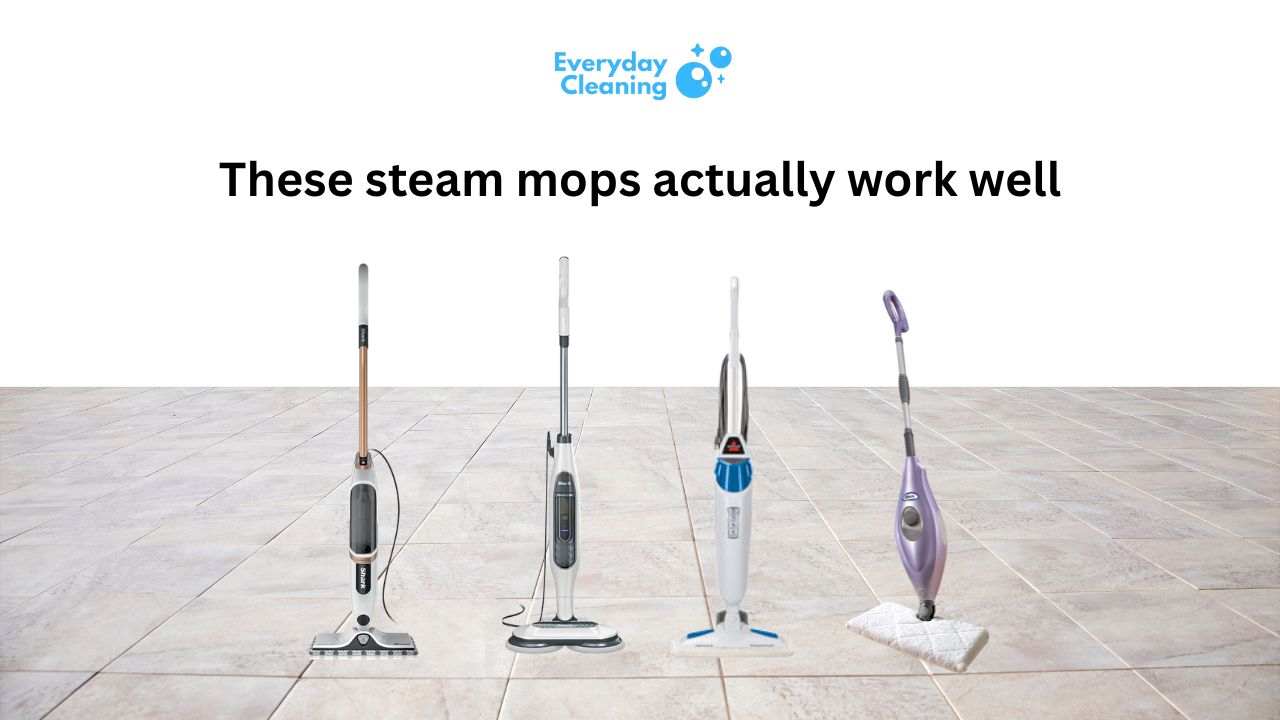
Editor’s note: I tested all four of these steam mops in May 2026 on the mixed hardwood and tile floors in my home. I’ll update this guide with additional models when I get the chance to test more in the future.


If you want cleaner floors without getting on your hands and knees, a steam mop is one of the smartest investments you can make.
I tested many of the most popular models and picked the best budget steam mops that actually work well on both hardwood floors and tile. Whether you want something simple and affordable or a machine with stronger scrubbing power, there’s something here for every home.
Best Overall: Shark SteamSpot Steam Blaster (S2001)
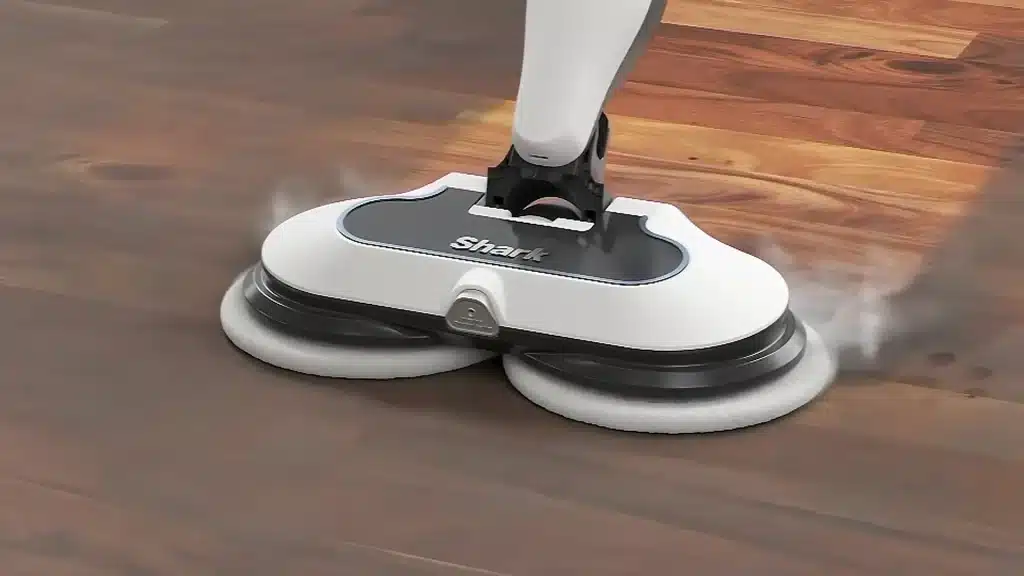
The Shark S2001 is the best all-around steam mop I tested. It hits a sweet spot between price, cleaning power, and smart design features that I genuinely didn’t expect at this price point. If I could only recommend one steam mop, this would be it.

- POWERFUL PERFORMANCE: Combination of powerful steam, targeted steam blast, and textured pads provide up to 50% better stuck-on stain removal vs. a traditional steam mop*
- STEAM BLASTER TECHNOLOGY: A burst of targeted steam that is controlled at the touch of finger to provide even more steam power for stubborn spots and stuck-on messes.


Pros & Cons
| ✅ Pros | ❌ Cons |
|---|---|
| Auto-pause when upright — saves water and protects floors | No handheld steamer attachment |
| 3 steam modes + Steam Blaster for stubborn spots | XL tank still needs occasional refilling in large homes |
| Up to 50% better stain removal vs. traditional steam mop | Heavier than some basic models |
| 2 washable Dirt Grip pads included | |
| Removes 99.9% of bacteria using just water | |
| Lightweight and easy to maneuver |
Testing Results
On my tile kitchen floor, the S2001 handled everything I threw at it — dried coffee, sticky cooking oil residue, and a grape juice spill I’d let sit for a few hours. The three steam modes made a noticeable difference. I used Low for a quick daily sweep, Normal for general mopping, and Deep for the kitchen. The Steam Blaster button was the real game-changer. I pressed it over a stubborn grease spot near the stove, and it was gone in seconds.
On my hardwood floors, I switched to Low mode and moved the mop slowly. No warping, no streaks. The floors looked genuinely clean without that wet, soapy residue you sometimes get with traditional mops.
My Take
What I love most about the S2001 is that it was clearly designed by someone who actually mops floors. That auto-pause feature — where the steam stops the moment you set the mop upright — sounds like a small thing, but it’s brilliant in practice. You don’t accidentally steam your baseboards or waste water every time you stop to move a chair or pick something up.
The Steam Blaster technology is also something I haven’t seen on other brands. It’s not just a marketing gimmick. That concentrated burst of steam really does make a difference on baked-on grime, especially in the kitchen and bathroom tile grout.
For the price, the performance is genuinely impressive. It’s lightweight, easy to fill, and the two included microfiber pads are thick and sturdy. This is the best budget steam mop for anyone who wants a do-it-all machine without spending a lot.
Buy now: Shark SteamSpot Steam Blaster
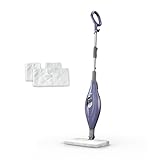
Best Budget: Shark Steam Pocket (S3501)
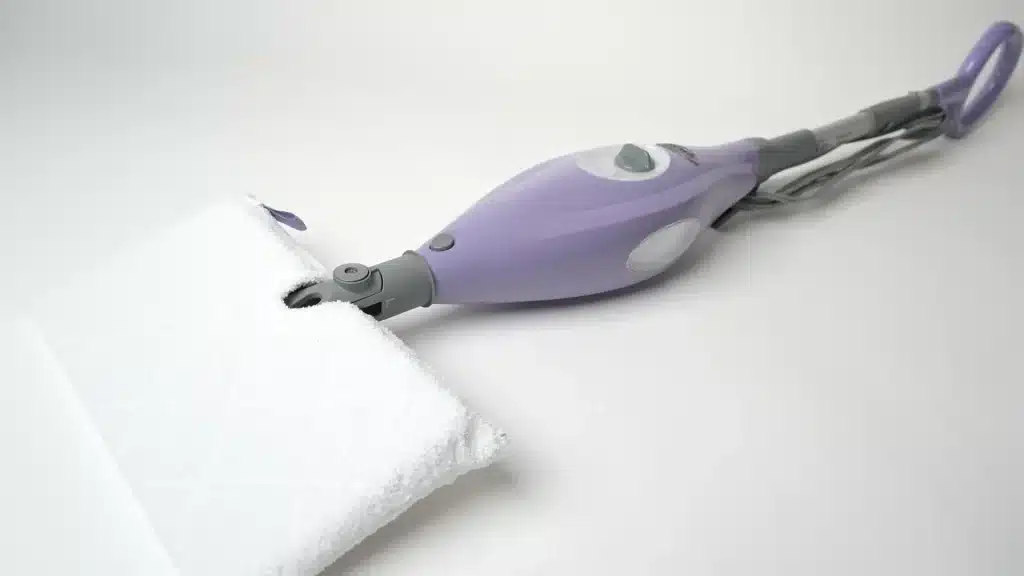
The Shark S3501 is the most affordable model I tested, and it still manages to do the job well — especially for smaller homes or anyone who mostly needs to do light maintenance cleaning. Don’t expect bells and whistles, but it gets floors clean without fuss.
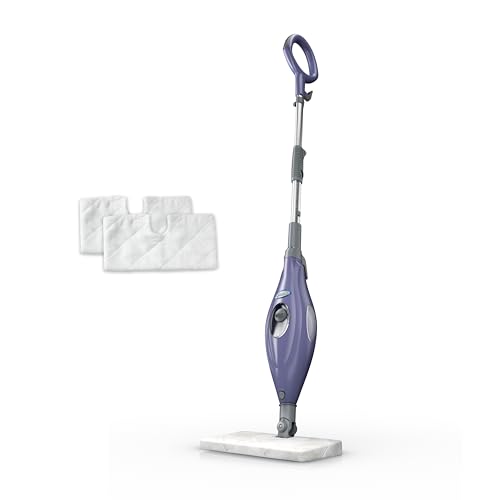
- STEAM SANITIZATION*: Removes 99.9% of common household bacteria** with the power of steam, using just water.
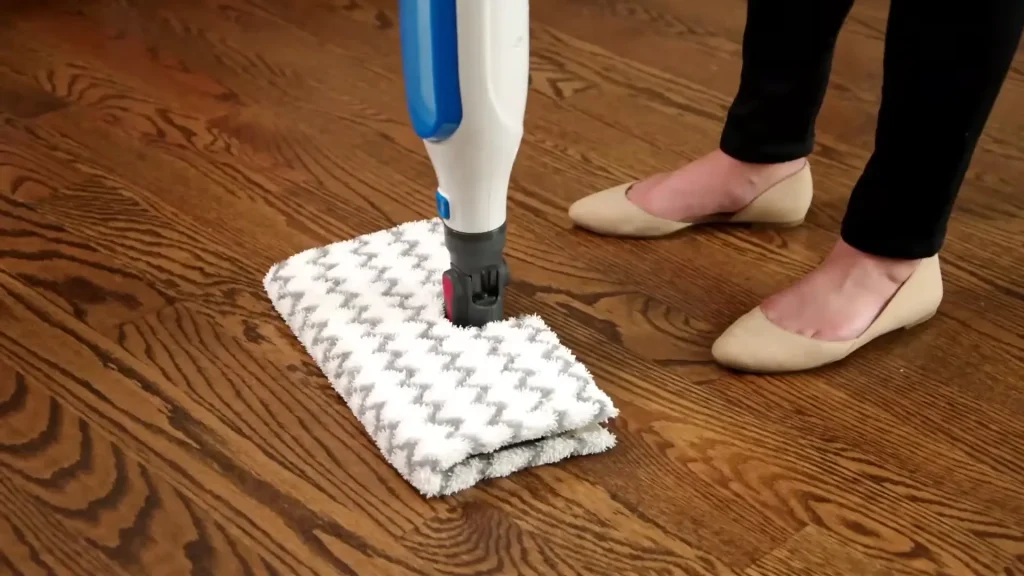
- DUAL-SIDED CLEANING: Flip the mop head to clean using both sides of our double-sided pads, extending your cleaning session with fewer washes.
Pros & Cons
| ✅ Pros | ❌ Cons |
|---|---|
| Very affordable price point | No auto-pause feature |
| Heats up in under 30 seconds | On-demand steam only (you trigger it manually) |
| 450 ml water tank — enough for a medium room | No targeted steam blast |
| Swivel steering for easy maneuvering | Lighter steam output compared to newer models |
| 2 washable microfiber pads included | You’ll work a little harder on stuck-on stains |
| Includes a filling flask for easy refills |
Testing Results
On tile floors, the S3501 did a solid job cleaning everyday grime and light spills. The swivel head made it easy to get around chair legs and under the bathroom cabinet. On my hardwood floors, it worked well too, though I noticed I had to make two or three passes over a sticky spot that the S2001 handled in one.
The manual steam trigger takes a little getting used to. You press the handle down to release steam, which means you have to be more intentional about where you’re applying it. It works, but it’s a different experience from a continuous-steam model.
One thing I appreciated: it heats up incredibly fast — under 30 seconds — so if you need to clean up a quick mess, you’re not standing around waiting.
My Take
This is a genuinely decent mop for the price. If you have a smaller home, mostly do light cleaning, and don’t want to spend a lot, the S3501 is reliable and straightforward. It’s been around for years because it simply works.
That said, I’ll be honest — if you can stretch your budget just a bit more, the S2001 or the BISSELL 1940A will give you noticeably better results with less effort. The S3501 asks you to work a little harder than its pricier siblings. Think of it as: you save some money upfront, but you put in a bit more elbow grease. Whether that trade-off makes sense is really up to you and your floors.
Buy now: Shark Steam Pocket S3501
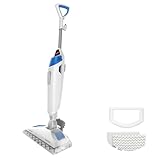
Best Value: BISSELL PowerFresh Steam Mop (1940A)
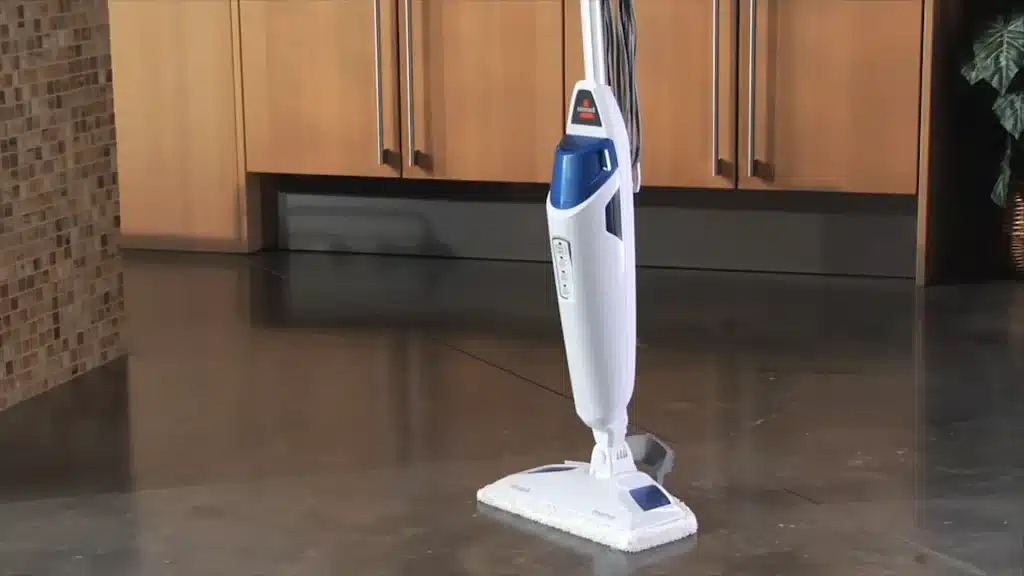
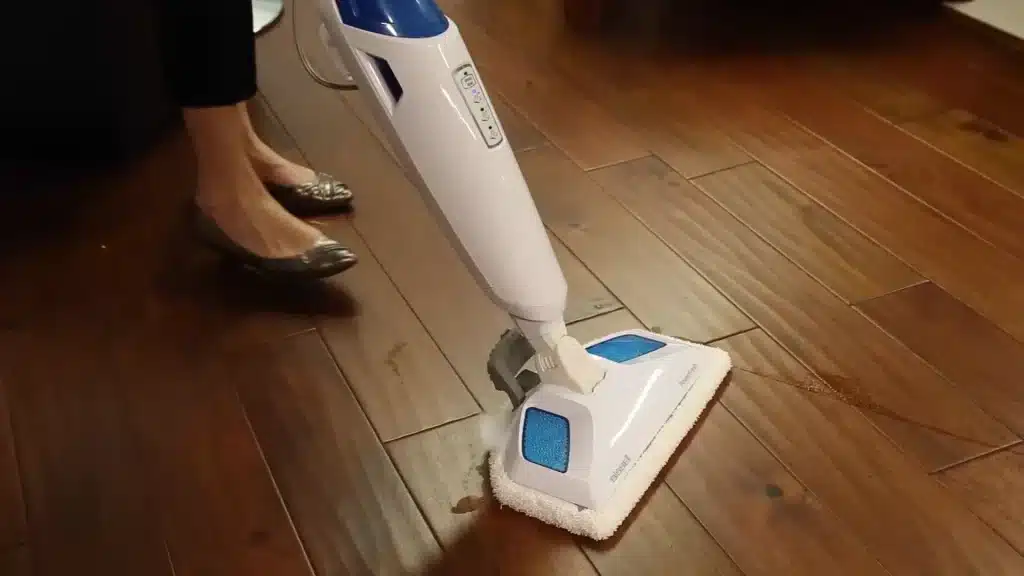
The BISSELL 1940A gives you more for your money than almost any other steam mop in this price range. With a removable water tank, a long 23-foot cord, and a flip-down scrubber, it punches well above its price tag.
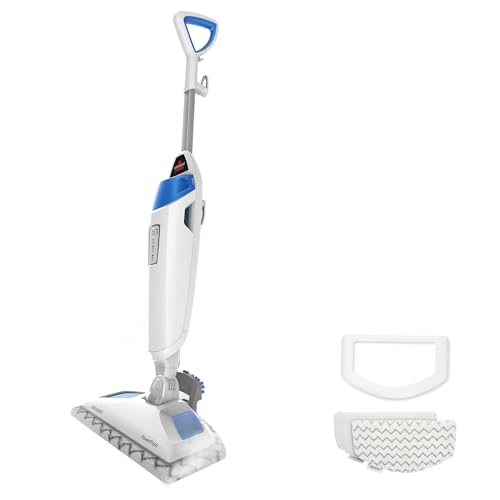
- SANITIZE WITH STEAM, NOT CHEMICALS. KILLS 99.9% OF GERMS, BACTERIA, & VIRUSES WHEN USED AS DIRECTED. Peace of mind for a cleaner home.
- BUILT-IN SCRUBBER FOR TOUGH GRIME. Flip down the Easy Scrubber to break up dried-on messes and grout buildup– no extra pressure required.
Pros & Cons
| ✅ Pros | ❌ Cons |
|---|---|
| Removable water tank — easy to fill and empty | Heavier than Shark models at 6.2 lbs |
| 23-foot cord — rarely need to switch outlets | No auto-pause feature |
| Flip-down scrubber for grout and stuck-on spots | Takes longer to sanitize (hold in one spot ~15–20 sec) |
| Febreze disc tray leaves floors smelling fresh | |
| 3 steam modes (Low / Medium / High) | |
| Heats up in ~30 seconds | |
| Cleaned fresh stains in just 3 passes during testing |
Testing Results
The removable water tank was the first thing that impressed me. Unlike the Shark models where you fill the tank directly on the mop (sometimes awkwardly at the sink), you just pop the BISSELL tank off, fill it up, and click it back in. After a full cleaning session, you can remove it and empty any leftover water just as easily — no tipping the whole mop over.
On tile floors, it cleaned really well. I used the textured scrubber pad over some dried sauce near the stove, and it lifted it without much effort. The flip-down EasyScrubber at the front of the mop head is great for grout lines. I ran it slowly along the tile grout in my bathroom and could see a visible difference.
On hardwood, I kept it on the Low steam setting and had no issues. Floors dried quickly and looked clean.
The Febreze disc tray is a nice bonus — you put a small scented disc inside the pad, and as you mop, it releases a light, fresh scent. It’s not for everyone, but if you like a clean-smelling floor after mopping, it’s a thoughtful touch.
The 23-foot cord is genuinely useful. I cleaned my entire main floor without having to switch outlets once.
My Take
For the money, the BISSELL 1940A is hard to beat. It’s more thoughtfully designed than you’d expect at this price — the removable tank alone makes it worth considering over the Shark S3501. The cleaning performance is solid, the included accessories add real value, and the long cord makes big-room cleaning much more pleasant.
The one thing to know: the BISSELL doesn’t get as hot as the Shark models, so if floor sanitization is your primary goal, you’ll need to go slower and hold the mop in one spot longer. For everyday cleaning and freshening up, though, it does an excellent job and leaves your floors smelling great.
If you’re looking for the best budget steam mop that gives you the most features per dollar, the 1940A is a very strong pick.
Buy now: BISSELL Steam Mop 1940A PowerFresh
Premium Choice: Shark Steam & Scrub (S8001)
The Shark S8001 is the step-up model in this list — it costs a bit more, but it delivers a noticeably different cleaning experience thanks to its rotating scrubbing pads. If you have floors with grease, pet messes, or heavy foot traffic, this is the one worth the extra investment.
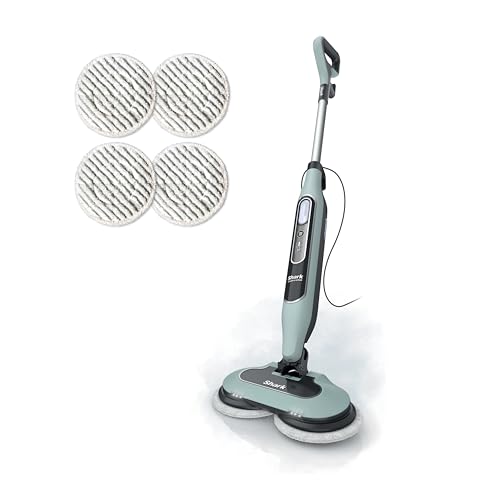
- SCRUBBING AND SANITIZING*: Tough on stains and gentle on floors. *To sanitize floors, be sure to completely follow the product’s directions for use. See sanitization instructions in Owner’s Guide for important details on sanitizing floors. Sanitization studies were conducted under controlled test conditions. See the Owner’s Guide for details on testing.
- 3 STEAM MODES: Light, for quick cleanups; Normal, for everyday use; and Deep, for stuck-on messes and stains.

Pros & Cons
| ✅ Pros | ❌ Cons |
|---|---|
| Rotating pads at 150 scrubs/minute — hands-free scrubbing | Heavier at 6.9 lbs |
| 2X better stuck-on stain removal vs. traditional steam mop | Shorter cord at 18.6 ft |
| 4 washable Dirt Grip Soft Scrub pads included | Pricier than the other picks |
| LED headlights illuminate hidden dust and debris | |
| 3 steam modes (Light / Normal / Deep) | |
| Removable water tank | |
| Works on marble in addition to all other sealed hard floors | |
| Swivel steering |
Testing Results
The rotating pads are what set this mop apart from everything else I tested. Instead of you pushing and pulling to create friction, the S8001’s pads spin automatically as you mop — 150 scrubs per minute. On my tile floors, I could feel the difference immediately. A spot with dried cooking oil that I’d partially cleaned with the other mops lifted completely in a single slow pass.
The LED headlights were a fun surprise. I hadn’t expected to find them genuinely useful, but mopping under the kitchen counter, I could see dust and debris I would have easily missed without them.
On hardwood, I used the Light mode and moved slowly, and the floors came out looking great — no streaks, no excessive moisture.
The smaller water tank does mean more trips to refill during a big cleaning session. For large open-plan floors, I noticed I had to refill once in the middle. Not a dealbreaker, but worth knowing.
My Take
The S8001 is often compared to the Bissell SpinWave SmartSteam, which is its most direct competitor at a similar price point. The SpinWave has more tech features — a digital LED display, an extra-long 23-foot cord — and it cleans well. But I chose the Shark for a few key reasons.
First, the S8001 heats up faster. The SpinWave takes noticeably longer to reach its working temperature, which when you’re trying to clean up a mess quickly, makes a real difference. Second, the Shark is lighter — 6.9 lbs vs. 9.5 lbs for the SpinWave. That might not sound like a lot on paper, but after mopping the whole house, you feel it. And third, the Shark’s design is cleaner and more intuitive. I didn’t need to look at a screen or navigate settings to get started — plug it in, select your steam mode, and go.
The SpinWave’s digital controls feel impressive at first, but they also mean there’s more that can go wrong over time. The Shark keeps it simple and performs just as well on the floor where it counts.
If you have a home with a lot of hard floor and you deal with regular heavy-duty messes, the S8001 is genuinely excellent. It’s my premium pick, and the rotating pads make it feel like a different class of clean.
Buy now: Shark Steam & Scrub Steam Mop
How I Tested
I tested all four steam mops in May 2026 on the mixed hardwood and tile floors in my home. My testing floor is a real-world mix — the kitchen and bathrooms are tile, and the living and dining areas are sealed hardwood. Both surfaces present their own challenges.
My testing process:
- Surface prep: I let a set of common messes sit for a few hours before cleaning — cooking oil, dried coffee, sticky juice spills, and foot traffic grime.
- Heat-up time: I timed how long each mop took to start producing steam from a cold start.
- Steam performance: I tested each steam mode and noted how effective the steam was on both fresh and dried messes.
- Maneuverability: I paid attention to how easy each mop was to steer around furniture, chair legs, and into corners.
- Pad quality: I checked how well the microfiber pads held up after multiple uses and a machine wash.
- Ease of use: I noted how easy each mop was to fill, operate, and store.
What to Consider When Buying a Budget Steam Mop
Not all steam mops are the same, and a few key features can make a big difference in how well one works for your home.
Steam settings. A mop with at least two or three steam levels is much more versatile than one that only has a single setting. Lower settings are gentler on hardwood; higher settings tackle tough grime on tile.
Water tank size and design. A bigger tank means fewer refills. A removable tank is much more convenient than one you have to fill while balancing the whole mop over the sink. The BISSELL 1940A’s removable tank, for example, makes the whole process a lot easier.
Pad type and washability. Always look for machine-washable microfiber pads. Disposable pads get expensive fast. If you have heavily soiled floors, a textured or scrubbing pad will work better than a standard flat microfiber.
Weight. Heavier mops (6–7 lbs and up) can be tiring if you’re cleaning a large home. If you have knee or joint issues, a lighter model like the Shark S2001 or S3501 will be easier to use for longer sessions.
Cord length. A short cord means constantly unplugging and moving to a new outlet. If you have a big open floor plan, look for something with at least a 20-foot cord.
What floors you have. All four mops here work on tile and sealed hardwood. But if you have marble, only the Shark S8001 specifically lists marble as a compatible surface. Always double-check that a steam mop is safe for your specific flooring, especially with hardwood — you want sealed hardwood, not raw or unfinished wood.
Your cleaning habits. If you mop lightly every few days, a basic model like the S3501 is perfectly fine. If you mop once a week and deal with stubborn grease, cooking spills, or pet messes, the S2001 or S8001 will save you a lot of effort.
How to Use a Steam Mop Effectively
Even the best budget steam mop won’t give great results if you’re not using it correctly. Here are a few tips I’ve learned from testing:
1. Sweep or vacuum first. Steam mops are designed to clean and sanitize — not pick up crumbs or pet hair. Always sweep or vacuum before mopping. If you drag large debris around with a steam mop, you’ll end up pushing it into grout lines or scratching the floor surface.
2. Use the right steam setting for your floor. Low or Medium for hardwood; Medium to High for tile. Holding a steam mop on High directly over a hardwood floor for too long can cause moisture damage over time.
3. Move slowly. This is the biggest mistake people make. Moving too fast means the steam doesn’t have enough contact time to loosen grime. A slow, steady pass — especially on stubborn spots — gives much better results.
4. Don’t add cleaning solutions. Most steam mop manufacturers specifically warn against adding vinegar, detergent, or any cleaning solution to the water tank. These can damage the internal components and void your warranty. The steam itself does the cleaning.
5. Use distilled water if possible. Tap water contains minerals that build up inside the tank and steam nozzle over time. Distilled water extends the life of your mop significantly.
6. Let the pad dry between uses. After each session, remove the pad and let it air dry before storing. A damp pad sitting attached to the mop can develop mildew and transfer odors to your floor next time.
7. Empty the tank after every use. Leaving water sitting in the tank — especially hot water — can encourage mineral deposits and mold growth. A quick tip into the sink adds 10 seconds to your cleanup routine and saves you headaches later.
8. For the Steam Blaster (S2001) or similar burst features: Use it sparingly on hardwood and more freely on tile. The concentrated burst is fantastic for grout lines and tile grout.
FAQs
Are steam mops safe for hardwood floors?
Yes, but only for sealed hardwood. If your hardwood is unfinished or waxed, steam can seep into the wood and cause warping or damage the finish. If you’re unsure, do a small test in an inconspicuous corner or check with your floor manufacturer. All four mops in this guide are safe for sealed hardwood when used on the correct steam setting.
Do steam mops really sanitize floors?
They can, but with a caveat. To actually sanitize a surface, the steam needs to make sustained contact for at least 15 seconds in one spot. In practice, most people mop too quickly to reach true sanitization across the whole floor. Steam mops are excellent at killing germs in targeted areas and dramatically reducing bacteria — just don’t expect hospital-grade sanitization from a quick mopping session.
Can I use tap water in a steam mop?
You can, but it’s not ideal. Tap water contains minerals that leave deposits inside the tank and nozzle over time, reducing performance. Distilled water is the better option for long-term maintenance. If you live in an area with hard water, this matters even more.
How often should I wash the mop pads?
After every use is ideal, especially if you’ve been cleaning a heavily soiled floor. At minimum, rinse the pad after each session and machine wash it every two to three uses. Most manufacturers recommend air drying rather than putting pads in the dryer, which can break down the microfiber faster.
How long does it take a steam mop to heat up?
Most modern steam mops heat up in 20–30 seconds. All four models in this guide are in that range. If your mop is taking significantly longer, it may be due to mineral buildup in the heating element — a good sign you need to descale it.
Can I use a steam mop on carpet?
Not directly. However, some steam mops come with a carpet glider attachment that allows you to hover the mop over carpet to freshen and deodorize it. None of the four models in this guide include a carpet glider by default (the BISSELL 1940A does include one), but it’s not a substitute for vacuuming.
Why does my steam mop leave streaks?
Streaking is usually caused by mineral deposits on the pad, a dirty pad, or using the mop on a floor that still has soap residue from a previous cleaning. Make sure your pad is clean, try switching to distilled water, and if your floors were previously mopped with a detergent, give them a plain water rinse before steaming.
What’s the difference between a steam mop and a steam cleaner?
A steam mop is designed specifically for floors. A steam cleaner (or handheld steamer) is more versatile — it can clean countertops, grout, appliances, upholstery, and more. None of the four models here are handheld steam cleaners. If you want a device that does double duty, look for a multi-function model with attachments.
Is the Shark S2001 worth the price difference over the S3501?
Yes, in most cases. The S2001’s auto-pause feature, Steam Blaster technology, and stronger steam output make everyday cleaning noticeably easier and faster. The S3501 is a solid mop, but if your budget allows, the jump in quality with the S2001 is worth it — especially on tougher messes.