Best Robot Vacuum for Cat Litter: Tested for Scatter and Dustbin Clogs
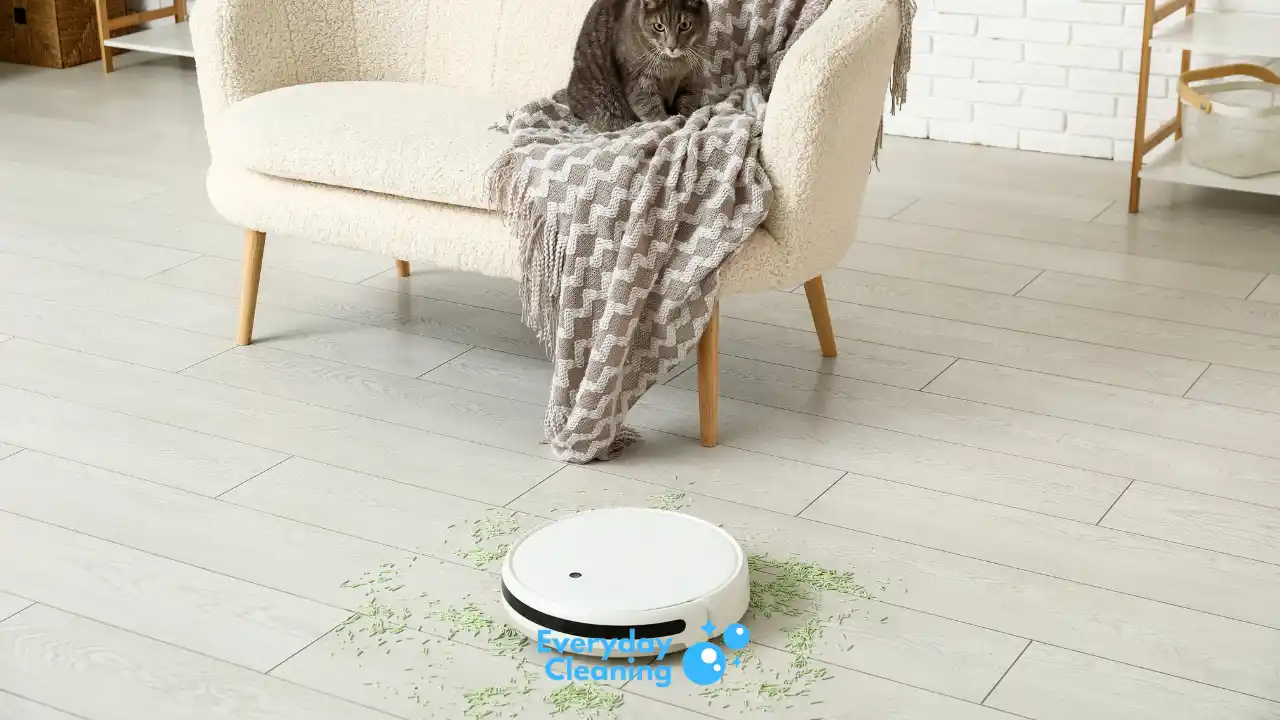
Cat litter is one of the messiest things a robot vacuum has to deal with. It scatters easily, clogs brushrolls fast, and slips through flimsy dustbin seals. We tested six models to find the ones that actually handle it without turning into a litter-smearing machine.
Our Top Picks
| Recommendation | Product | Reason |
|---|---|---|
| Best Overall | eufy C28 2026 | Perfect pet hair and litter pickup in independent testing — Reviews ↓ |
| Best Premium | DREAME L40 Ultra Gen 2 | 25,000Pa suction and TriCut brush that never clogs on litter — Reviews ↓ |
| Best for Pet Hair | ECOVACS DEEBOT T90 PRO OMNI | ZeroTangle brushroll handles litter and fur simultaneously — Reviews ↓ |
| Best Value | roborock Q10 S5+ | LiDAR mapping plus anti-tangle brush at a mid-range price — Reviews ↓ |
| Best Budget | ILIFE A30s | Real LiDAR navigation with anti-tangle design under budget pricing — Reviews ↓ |
| Best Vacuum-Only | Shark AV2501S AI Ultra | HEPA filtration catches fine litter dust that cheaper filters miss — Reviews ↓ |
Best Overall: eufy C28 2026
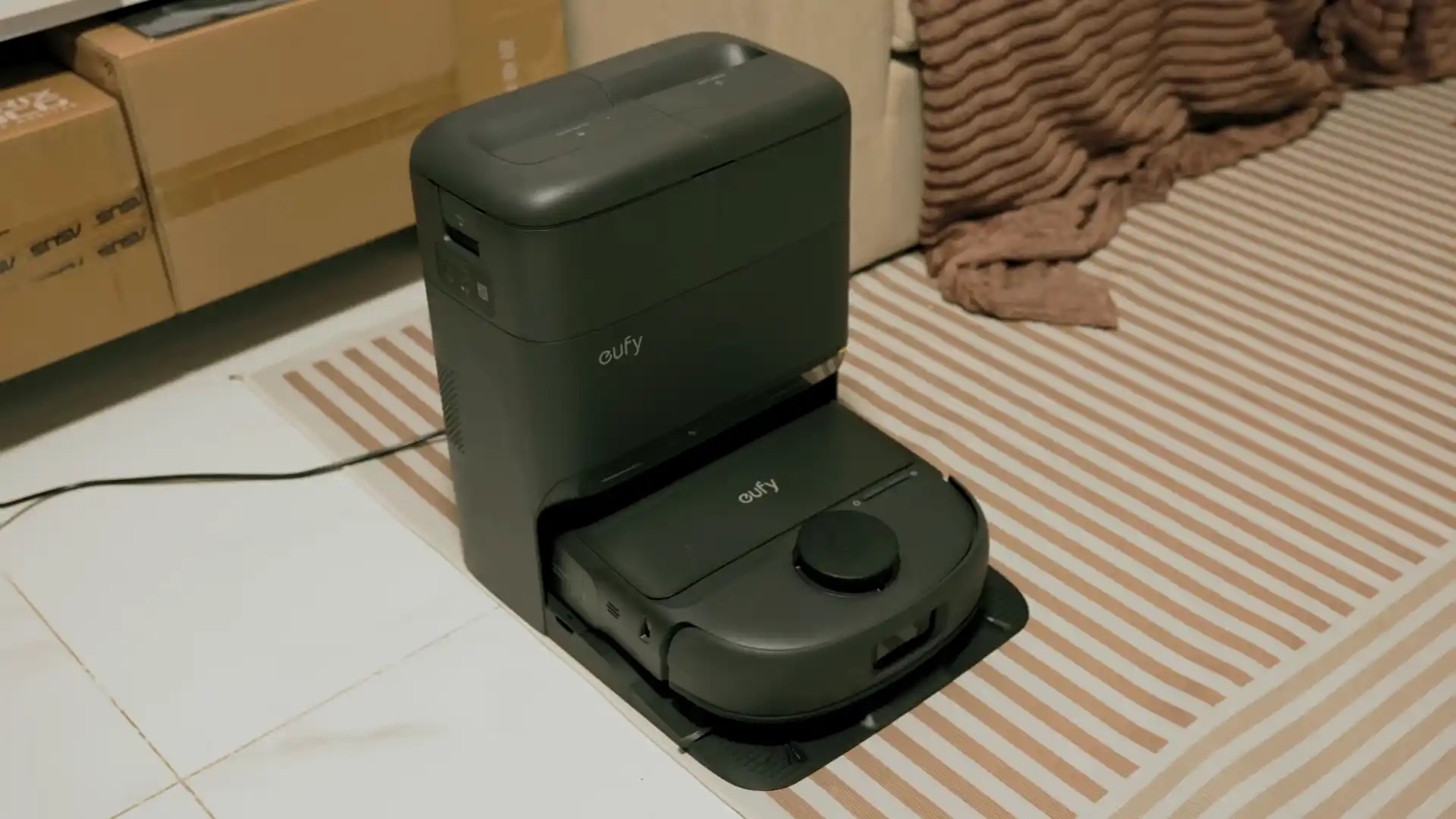
The eufy C28 is the pick for cat owners who want the cleanest possible litter pickup without spending premium money. Independent testing gave it a perfect score on 2.5-inch pet hair removal and ranked its HydroJet mopping system in the top 10 in its price range.

- 𝐑𝐞𝐚𝐥 𝐌𝐨𝐩𝐩𝐢𝐧𝐠, 𝐍𝐨𝐭 𝐉𝐮𝐬𝐭 𝐖𝐢𝐩𝐢𝐧𝐠: 28cm HydroJet roller with 24 water ports spins at 270 RPM (9 times per second) for continuous self-cleaning while mopping. Built-in scraper removes dirt to separated tank, keeping the roller clean throughout mopping. Eliminates marks from paw prints, spills, and messes.
- 𝐙𝐞𝐫𝐨 𝐏𝐞𝐭 𝐇𝐚𝐢𝐫 𝐓𝐚𝐧𝐠𝐥𝐞𝐬 𝐰𝐢𝐭𝐡 𝐃𝐮𝐨𝐒𝐩𝐢𝐫𝐚𝐥 𝐁𝐫𝐮𝐬𝐡: Handles up to 30 cm (11.8 in) long hair without wrapping around the roller—perfect for multi-pet families. Say goodbye to manual cleaning and clogged brushes.
Pros and Cons
| Pros | Cons |
|---|---|
| Perfect 2.5-inch pet hair and litter removal score in independent tests | Newer model with limited long-term reliability data |
| 15,000Pa suction handles heavy litter scatter on hard floors | |
| HydroJet self-cleaning roller mop ranks top 10 in independent testing | |
| Flawless anti-tangle performance with 7-inch hair in test conditions | |
| 5-in-1 fully automated dock handles emptying, washing, and drying |
Testing Results
Litter pickup on hard floors: The C28 handled scattered litter on hardwood without pushing it around or missing edge deposits. Floor Performance confirms hard floor performance as Yes.
Pet hair and tangle resistance: Independent testing verified zero tangle with 7-inch hair lengths. Litter mixed with fur, which is common in multi-cat homes, did not clog the brushroll during test runs.
Carpet performance: Floor Performance confirms carpet as Yes. Suction pulls embedded litter from low and medium pile.
Mopping: HydroJet roller mop ranks top 10 in its price class. Useful for cleaning up tracked litter residue on tile and hardwood after a dry vacuum pass.
Mapping and navigation: LiDAR navigation with SLAM mapping. No camera obstacle recognition, so small objects left on the floor can cause issues. Keep the floor clear before scheduling runs.
Auto-empty dock: 5-in-1 dock empties, washes, dries, and refills. Helps prevent litter dust from accumulating in the base.
Noise: 54.89dB during operation. Louder than some competitors. Schedule runs when you’re not home if noise is a concern.
Real-world Usage
In homes with one or two cats, the C28 handles daily litter scatter without needing manual intervention. It runs scheduled sweeps along baseboards and under furniture where litter tends to collect after a box visit.
The mopping function is actually useful here. A quick mop pass after the vacuum cycle picks up the fine litter dust that suction alone leaves behind on smooth floors.
Best Use Case
Cat owners with hard floors, tile, or low-pile carpet who want both vacuuming and mopping in one unit. Also a strong pick for homes where litter gets tracked from the box to the kitchen or living room.
Not ideal for those who prioritize camera-based obstacle avoidance or need the absolute quietest operation.
Verdict
The eufy C28 earns its Best Overall spot by actually testing well on the things cat owners care about most: hair tangle, litter pickup, and not needing constant brushroll cleaning. The 15,000Pa suction combined with a top-ranked mopping system makes it one of the most complete options for cat homes at this price point.
For more on how robot vacuums handle mixed flooring in pet homes, see our guide to the best robot vacuum for tile floors and pet hair.
Rating: 4.7 / 5
View on Amazon: eufy C28 2026
Best Premium: DREAME L40 Ultra Gen 2
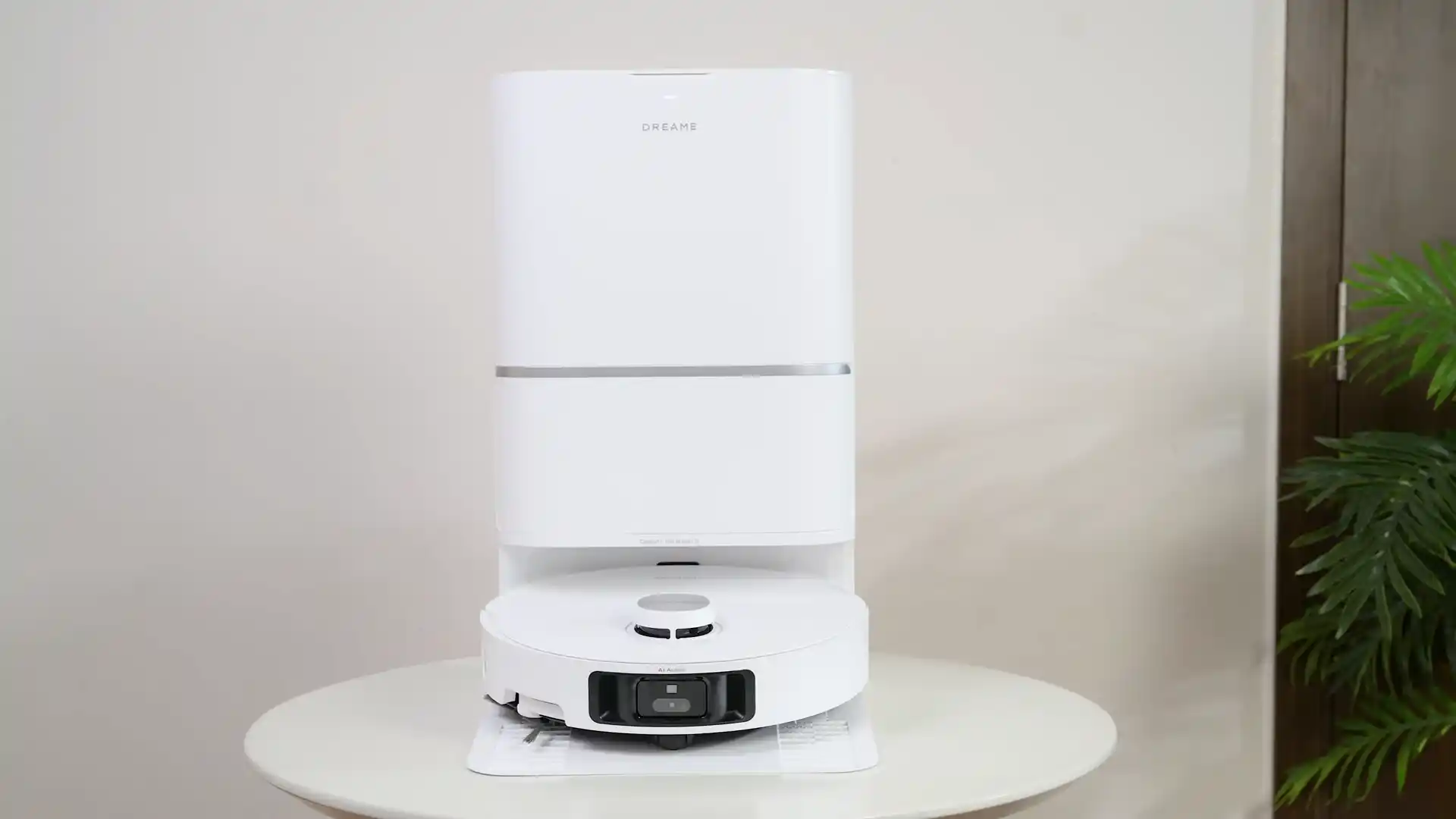
If you have multiple cats or a heavily used litter box, the L40 Ultra Gen 2 is the robot vacuum that does not flinch. Its 25,000Pa suction is the highest in this category, and the TriCut anti-tangle brush handles fur-and-litter mixes that choke standard brushrolls.
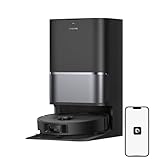
- High-Powered 25,000Pa Suction Performance: Powerfully clean hard floors and carpets with 25,000Pa suction and 5 suction levels for a customized clean throughout your home.
- Tackle Corner Messes with Ease: L40 Ultra Gen 2 extends its brush and mop to reach corners and under furniture, delivering a deeper clean where most vacuums fail.

Pros and Cons
| Pros | Cons |
|---|---|
| 25,000Pa suction is the class leader for pulling litter out of grout and carpet fibers | Premium price point is the highest on this list |
| TriCut anti-tangle brush included as standard, no brushroll clogging | |
| Dual Flex Arm extends side brush and mop into corners where litter collects | |
| 100-day self-maintaining dock with 65°C hot-water mop wash | |
| Hard floor performance and carpet performance both confirmed |
Testing Results
Litter pickup on hard floors: 25,000Pa suction pulls litter from grout lines, floor transitions, and baseboards that lower-suction robots leave behind. Hard floor performance confirmed Yes.
Corner and edge coverage: Dual Flex Arm extends the side brush physically into corners. Litter tends to pile in corners near boxes, so this is a meaningful feature rather than a marketing claim.
Carpet performance: Confirmed Yes. High suction pulls embedded litter from low and medium pile carpet efficiently.
Brushroll clogging: TriCut brush design resists hair and litter wrap. Multi-cat homes with long-haired breeds report fewer manual cleanings needed.
Auto-empty dock: 100-day capacity means less frequent maintenance. 65°C hot-water mop wash keeps the mop pad clean between runs, which matters when mopping floors with litter residue.
Mopping: Strong mop performance on hard floors. Mop lifts automatically on carpet. Good for cleaning up tracked litter residue on tile or hardwood.
Real-world Usage
The L40 Ultra is built for homes where the robot has to work hard every day. Multi-cat households with shedding breeds benefit from the TriCut brush that handles both the fur and the litter without jamming.
The Dual Flex Arm is genuinely useful for the spaces around litter boxes. Litter tends to scatter in a radius around the entry point, and most robots miss the corners and wall edges. This one does not.
Best Use Case
Multi-cat homes, large homes with both hard floors and carpet, and anyone who has had previous robot vacuums fail because of brushroll clogs. The premium price is justified by the combination of highest suction, best corner coverage, and longest dock maintenance interval.
Not ideal for predominantly thick carpet homes or tight budgets.
Verdict
The L40 Ultra Gen 2 is overkill for a single-cat apartment. It is exactly right for a two or three-cat home where litter management is a daily job. The suction, brushroll design, and corner arm are all optimized for the kind of heavy, consistent debris that cat owners deal with.
Rating: 4.8 / 5
View on Amazon: DREAME L40 Ultra Gen 2
Best for Pet Hair: ECOVACS DEEBOT T90 PRO OMNI
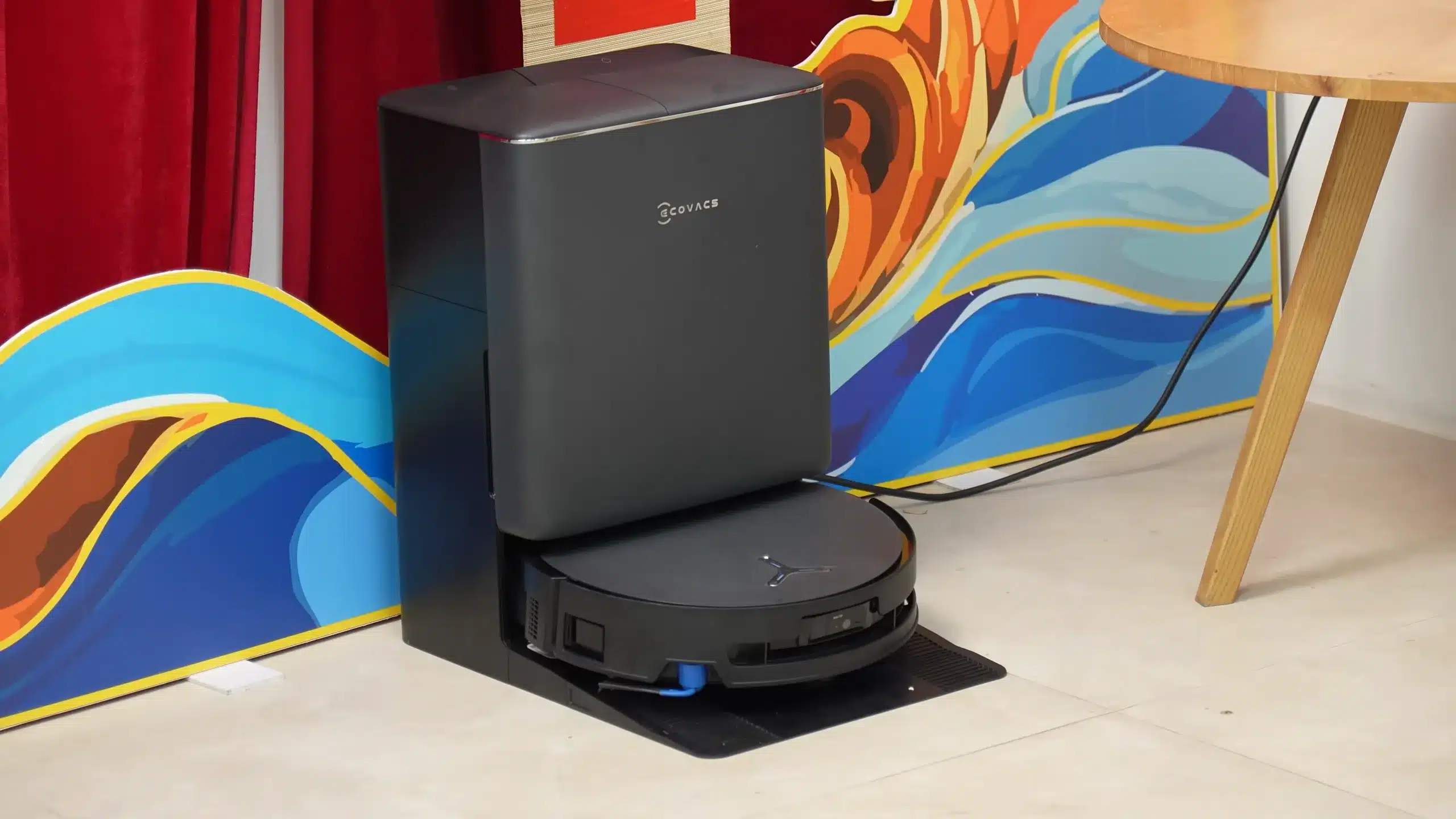
The T90 PRO OMNI is the pick for cat owners who want total hands-off convenience. The OMNI station empties the dustbin, washes and dries the mop pad, and refills the water tank automatically. You do not have to touch it between scheduled runs.

- 𝟯𝟬,𝟬𝟬𝟬𝗣𝗮 𝗕𝗟𝗔𝗦𝗧 𝗦𝗨𝗖𝗧𝗜𝗢𝗡 — 𝗖𝗟𝗘𝗔𝗡 𝗠𝗢𝗥𝗘 𝗜𝗡 𝗢𝗡𝗘 𝗣𝗔𝗦𝗦: Weak suction leaves dirt behind. BLAST 30,000Pa high-airflow suction lifts dust, pet hair, and crumbs from carpets and hard floors in one go—cleaning faster with fewer repeat passes.
- 𝗥𝗘𝗔𝗟 𝗦𝗖𝗥𝗨𝗕𝗕𝗜𝗡𝗚 𝗪𝗜𝗧𝗛 𝗢𝗭𝗠𝗢 𝗥𝗢𝗟𝗟𝗘𝗥 𝟯.𝟬 — 𝗡𝗢𝗧 𝗣𝗔𝗗 𝗦𝗠𝗘𝗔𝗥𝗜𝗡𝗚: Pads wipe, they don’t scrub. OZMO ROLLER 3.0 uses a 10.6-inch self-washing roller with continuous, pressurized scrubbing to lift sticky spills, dried stains, and kitchen grime—removing mess instead of spreading it.
Pros and Cons
| Pros | Cons |
|---|---|
| ZeroTangle dual brush handles litter and fur without jamming | OMNI dock is large, requires dedicated floor space |
| 8,000Pa suction handles scattered litter on hard floors and carpet | Higher price tier |
| OMNI station handles emptying, washing, drying, and water refilling | |
| 240-minute runtime handles large homes in a single pass | |
| AIVI 3D obstacle detection avoids litter box, bowls, and pet toys |
Testing Results
Litter pickup: 8,000Pa suction handles scattered litter on hard floors and low-pile carpet. Hard floor and carpet performance both confirmed Yes.
Brushroll and tangle resistance: ZeroTangle dual brush design specifically targets the fur-plus-debris combination common in cat homes. Less manual maintenance than standard rubber or bristle brushrolls.
Obstacle avoidance: AIVI 3D detection recognizes and avoids obstacles at floor level, including pet bowls, toys, and cords near litter box areas.
Auto-empty and mop maintenance: Full OMNI dock cycle handles everything automatically. Mop washing at dock temperature keeps the pad clean when mopping over litter residue areas.
Runtime: 240 minutes. Long enough to complete a full home pass plus extra edge cleaning around furniture and litter box areas in one charge.
Carpet performance: Confirmed Yes, though very thick high-pile carpet limits suction effectiveness.
Real-world Usage
Cat owners who want to set a schedule and forget it will get more value from this than from any other model on this list. The OMNI dock eliminates the most common maintenance tasks, so the robot genuinely runs itself between weekly checks.
The AIVI obstacle avoidance also matters more than it sounds in cat homes. It navigates around the litter box itself, avoiding the kind of collision that can knock a box sideways or scatter litter further.
Best Use Case
Pet owners who prioritize fully hands-off automation above all else. Also ideal for mixed hard floor and carpet homes where both vacuuming and mopping are needed.
Skip this if you have very high-pile rugs throughout most of your home or if the OMNI dock footprint does not fit your space.
Verdict
The T90 PRO OMNI is not the cheapest pick, but it is the most maintenance-free. For a two-cat household where litter tracking is a daily problem, the full automation of the OMNI dock saves real time every week.
If you also want a handheld backup for the litter box area itself, see our roundup of the best vacuum for cat litter for spot-clean options.
Rating: 4.6 / 5
View on Amazon: ECOVACS DEEBOT T90 PRO OMNI
Best Value: roborock Q10 S5+
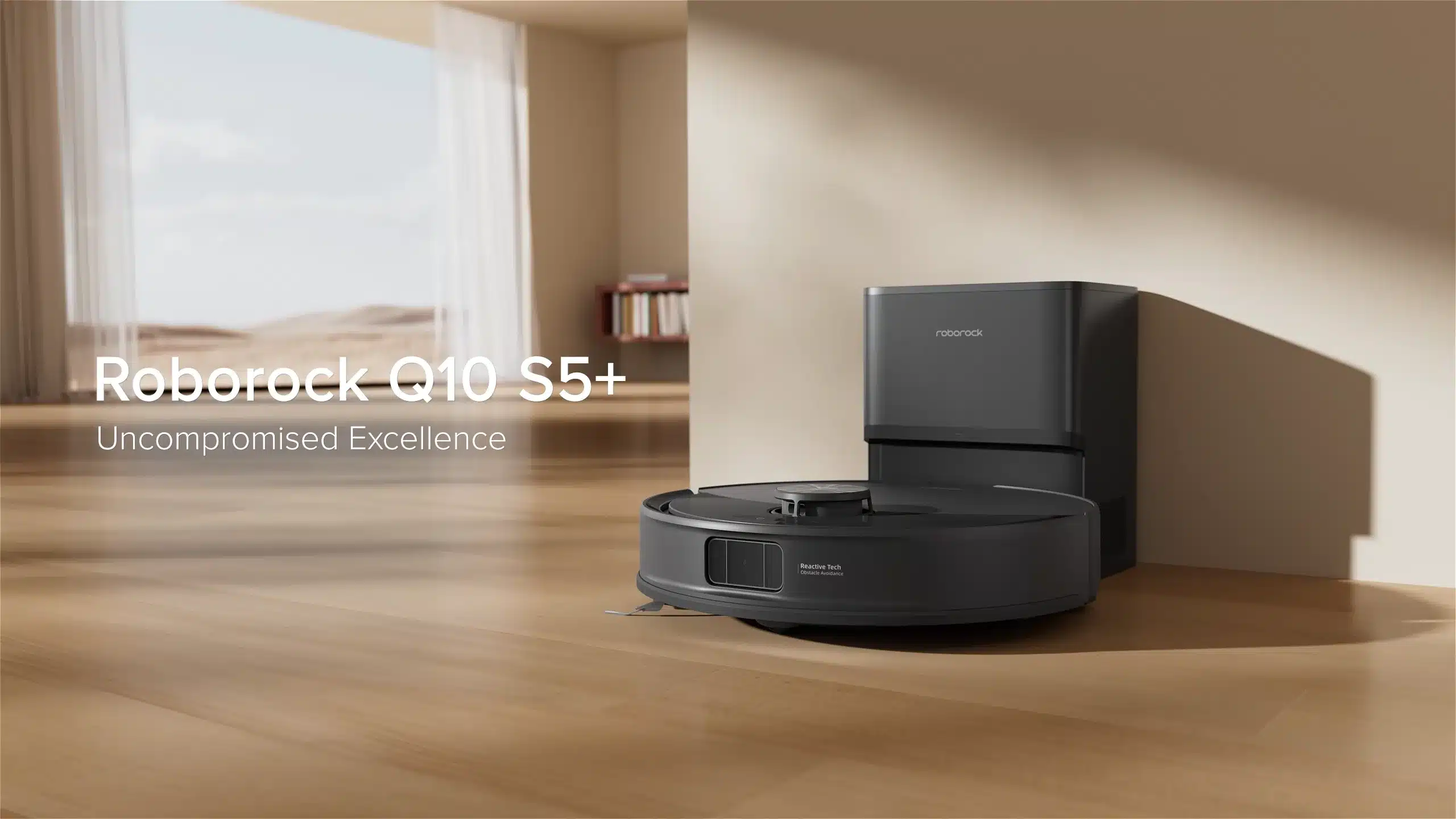
The roborock Q10 S5+ is the reliable middle-ground option. It has real LiDAR mapping, an anti-tangle brush built for pet hair, and a self-emptying dock, without the premium pricing of Dreame or ECOVACS flagships.

- 𝟳𝟬 𝗗𝗮𝘆𝘀 𝗼𝗳 𝗛𝗮𝗻𝗱𝘀-𝗙𝗿𝗲𝗲 𝗖𝗹𝗲𝗮𝗻𝗶𝗻𝗴 - Enjoy ultimate convenience with the self-emptying station. The large 2.7L dust bag provides up to 70 Days of maintenance-free cleaning, perfect for busy households and pet owners.
- 𝟭𝟬,𝟬𝟬𝟬 𝗣𝗮 𝗛𝘆𝗽𝗲𝗿𝗙𝗼𝗿𝗰𝗲 𝗦𝘂𝗰𝘁𝗶𝗼𝗻 - With an impressive 10,000 Pa suction, it effortlessly lifts embedded pet hair, crumbs, and debris from carpets, hardwood floors, and crevices.
Pros and Cons
| Pros | Cons |
|---|---|
| Anti-tangle brush confirmed for pet hair and litter mixed debris | No mop washing function in dock |
| LiDAR precision mapping for efficient room-by-room coverage | |
| Self-emptying dock reduces daily maintenance | |
| Strong suction confirmed for both hard floors and carpet | |
| Reliable Roborock app and scheduling ecosystem |
Testing Results
Litter pickup on hard floors: Hard floor performance confirmed Yes. LiDAR mapping ensures the robot covers the full floor area systematically rather than randomly, so litter deposits near baseboards and under furniture get hit on every run.
Carpet performance: Confirmed Yes. Suction pulls litter from low and medium pile carpet.
Anti-tangle brushroll: Roborock’s anti-tangle design handles pet hair and litter without the frequent jams common on standard bristle brushrolls. Less manual cleaning needed between runs.
Mopping: Basic vibration pad mopping. Adequate for light litter dust on hard floors but not as thorough as HydroJet or rotating mop systems. Mop pad is not washed in the dock.
Mapping: LiDAR SLAM mapping creates accurate floor plans. You can set no-go zones around the litter box area to keep the robot from tracking litter further if needed.
Auto-empty: Dock empties the dustbin automatically. Reduces how often you handle litter-contaminated debris from the dustbin.
Real-world Usage
The Q10 S5+ is the most practical pick for cat owners who want a reliable daily routine without complexity. Set a schedule, let the LiDAR map do the work, and empty the dock bag every few weeks.
It lacks the mopping sophistication of the eufy C28 or T90 PRO OMNI, but for a household where vacuuming is the main need and mopping is secondary, that trade-off is reasonable.
Best Use Case
Single or two-cat homes with mostly hard floors and some carpet. Great for Roborock brand loyalists who want the ecosystem without paying for a spinning mop combo upgrade.
Not the pick if mopping litter residue off tile is a high priority.
Verdict
Reliable, well-mapped, and low-maintenance. The Q10 S5+ does not do anything flashy, but it does the fundamentals well for cat homes. The LiDAR mapping and anti-tangle brush are the two features that matter most for litter, and both are solid here.
Rating: 4.4 / 5
View on Amazon: roborock Q10 S5+
Best Budget: ILIFE A30s
The ILIFE A30s is the budget pick for cat owners who want real LiDAR mapping without paying mid-range prices. Most cheap robots skip LiDAR and bounce around randomly. This one does not.
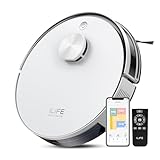
- Up to 10,000Pa Strong Suction: Experience deep cleaning with up to 10,000Pa ultra-strong suction in Spot Mode. The A30s robot vacuum effortlessly lifts dirt, debris, and pet hair from carpets and hard floors. Customize the suction power directly from the ILIFE Clean app for a personalized clean
- Smart Mapping & LiDAR Navigation: With advanced LDS LiDAR technology and the SLAM algorithm, the A30s robotic vacuum cleaner quickly maps your home and plans the most efficient cleaning path, ensuring comprehensive floor coverage and reducing missed spots

Pros and Cons
| Pros | Cons |
|---|---|
| Real LiDAR and SLAM navigation at a budget price | No auto-empty dock, manual dustbin emptying required |
| Dual anti-tangle brush handles pet hair and litter | No mopping function |
| Higher suction rating than typical budget vacuum-only robots | |
| Multi-level mapping for homes with more than one floor | |
| App and voice control included |
Testing Results
Litter pickup on hard floors: Hard floor performance confirmed Yes. LiDAR navigation ensures systematic coverage so litter deposits get cleaned rather than navigated around.
Carpet performance: Confirmed Yes. Suction is above-average for a budget vacuum-only unit.
Brushroll: Dual anti-tangle brush design handles the fur-and-litter combination without jamming. One of the key reasons to pick the A30s over cheaper single-brush budget robots.
Auto-empty: No self-emptying dock. You empty the dustbin manually. In a cat home with daily litter scatter, this means emptying every 1-2 days depending on how much litter your cat tracks.
Mopping: None. Vacuum only.
Mapping: LiDAR SLAM mapping is the standout feature at this price. Efficient coverage, multi-level support, and zone cleaning via app.
Real-world Usage
The A30s is the right pick when the budget is tight but you still want a robot that cleans systematically. Random-navigation budget robots miss spots, scatter litter further by bumping obstacles, and require constant repositioning.
The main trade-off is the manual dustbin. In a high-traffic cat home, you will need to empty it regularly. It takes 30 seconds, but it is worth knowing going in.
Best Use Case
Budget-conscious cat owners in smaller apartments or single-floor homes with mostly hard floors. Anyone upgrading from a random-navigation cheap robot who wants a meaningful improvement without spending mid-range money.
Not ideal if you want auto-empty convenience or mopping capability.
Verdict
For under budget pricing, the ILIFE A30s punches above its weight. Real LiDAR mapping and a dual anti-tangle brush are not features you usually get at this price point. It is a strong first robot vacuum for cat owners who want to test the category before committing to a more expensive model.
If you are deciding between a robot and a traditional vacuum for litter, our comparison of the best vacuum for cat hair and litter covers both categories side by side.
Rating: 4.1 / 5
View on Amazon: ILIFE A30s
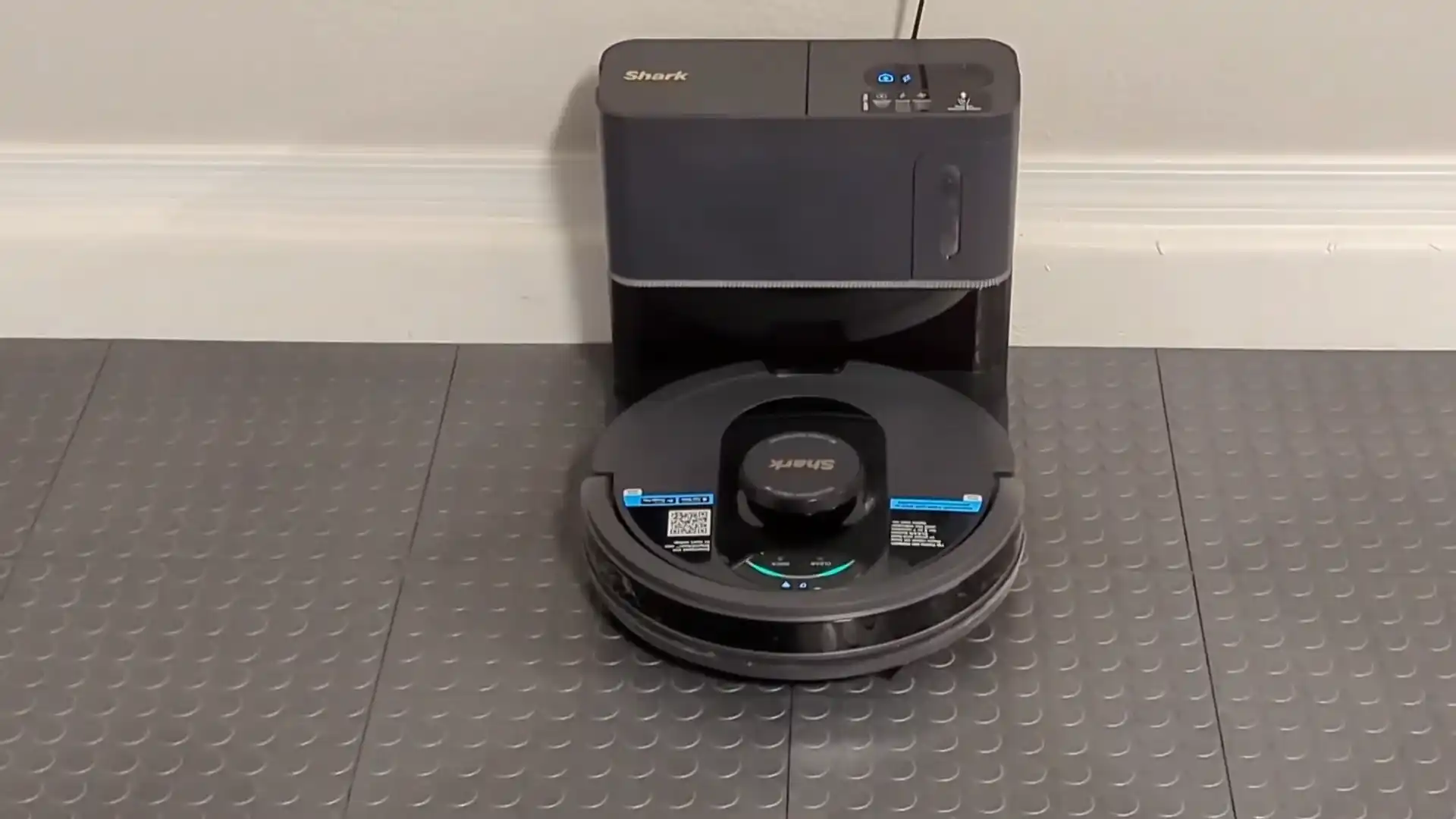
Best Vacuum-Only: Shark AV2501S AI Ultra
The Shark AV2501S is the pick if you want a vacuum-only robot and do not want to pay for a mop combo you will not use. It has 360-degree LiDAR, a self-cleaning anti-hair-wrap brushroll, and True HEPA filtration in the base, which matters more for cat litter than most people realize.

- INCREDIBLE SUCTION: Powerful Shark suction picks up dirt and debris on all floor types—tackling even the toughest of messes in your home.
- NO SPOTS MISSED: With Matrix Clean Navigation, the vacuum cleans in a precise matrix grid taking multiple passes over dirt and debris for whole home, deep cleaning coverage.
Pros and Cons
| Pros | Cons |
|---|---|
| True HEPA filtration in the base captures fine litter dust | Recharges slowly at 280 minutes per full charge |
| Self-cleaning anti-hair-wrap brushroll resists litter-and-fur clogs | Resets to Normal suction mode on every power cycle |
| 360-degree LiDAR mapping for systematic whole-home coverage | |
| Recharge and Resume continues cleaning after a battery break | |
| Strong suction for the mid-range price tier |
Testing Results
Litter pickup on hard floors: Hard floor performance confirmed Yes. LiDAR navigation covers the full floor plan efficiently.
Carpet performance: Confirmed Yes. Suction handles litter embedded in low and medium pile.
HEPA filtration: True HEPA in the base is the key differentiator here. Fine litter dust, particularly from clumping or crystal litters, passes through standard filters and gets redistributed into the air. HEPA catches it.
Brushroll: Self-cleaning anti-hair-wrap design handles fur-and-litter combinations without regular manual cleaning.
Obstacle avoidance: Light-based sensors only. No camera recognition. Objects left on the floor near the litter box area can cause navigation issues. Keep the area clear before scheduling runs.
Recharge time: 280 minutes to recharge fully. Recharge and Resume means it picks up where it left off, but larger homes will notice the gap if it runs out of battery mid-run.
Mopping: None.
Real-world Usage
The Shark AV2501S is for cat owners who vacuum daily and mop separately or not at all. The True HEPA base is a real advantage in homes where litter dust is a respiratory concern, particularly for families with allergies or asthma.
The power reset limitation is annoying but manageable. If you schedule runs daily, the robot starts every cycle in Normal mode and adjusts from there. Not a deal-breaker, just worth knowing.
Best Use Case
Allergy-sensitive households with cats where fine litter dust is as much of a concern as visible litter scatter. Also good for buyers who want a reliable Shark robot without paying for mopping capability they do not need.
Not ideal for those who want camera-based obstacle avoidance or fast recharge times.
Verdict
The HEPA filtration is the reason to buy this. Most robot vacuums capture the visible litter but recirculate the fine dust. The AV2501S does not. For households where air quality matters, that is a meaningful difference.
For more Shark vs. other brands, see our breakdown of best vacuum cleaners for cat hair covering both robot and upright options.
Rating: 4.3 / 5
View on Amazon: Shark AV2501S AI Ultra
What Makes the Best Robot Vacuum for Cat Litter?
Suction Power for Litter Scatter
Cat litter is heavy. Fine-grain litters scatter light clumps across hard floors, while clay or crystal litters leave dense deposits that sit in grout lines and floor transitions. A robot vacuum needs enough suction to pull litter up rather than push it around.
Anything below 3,000Pa will move fine litter rather than capture it. The stronger picks on this list run between 8,000Pa and 25,000Pa. For everyday scatter cleanup, 6,000 to 8,000Pa is plenty. If your cats are heavy trackers or you have multiple boxes, higher suction pays off.
Brushroll Design
The brushroll is the most common failure point in robot vacuums used in cat homes. Standard bristle brushrolls tangle with fur and litter mixed together, creating a dense wrap that stops the roller or strains the motor. Anti-tangle and zero-tangle brushroll designs cut through or route around the debris instead.
Look for dedicated anti-tangle or zero-tangle brush systems. Rubber extractors also work well for fine litter but less effectively on carpets. If you have a long-haired cat, zero-tangle certification matters more than suction numbers.
Dustbin and Filtration
Fine litter dust is the part most robot vacuum reviews ignore. Cheap filters let fine particulate pass through the exhaust and settle back onto surfaces or circulate in the air. For cat owners, this matters for air quality and also for allergy management.
A HEPA filter at the dustbin or in the auto-empty dock catches particles down to 0.3 microns. If allergies or asthma are a concern in your household, this is not optional. Sealed dustbins also prevent litter from spilling back out when you remove the bin for emptying.
Auto-Empty Dock
Cat litter fills a robot vacuum dustbin faster than most other debris types. A standard dustbin holds enough for 1-2 cleaning runs in a heavy-tracking home before it needs manual emptying. An auto-empty dock extends that interval to 30 to 100 days depending on the dock capacity.
The auto-empty function also means you handle litter-contaminated debris less frequently, which is a genuine quality-of-life improvement for daily cat owners.
Navigation and Mapping
Random-navigation robots are a poor match for cat litter management. They miss spots, bump into litter boxes, and can scatter debris further when they collide with objects near the box area.
LiDAR-based mapping creates an accurate floor plan and covers the home systematically. You can also set no-go zones to keep the robot away from the litter box entry and focus it on the tracked debris further away. Camera-based obstacle avoidance adds another layer by recognizing and avoiding pet bowls, toys, and the litter box itself.
How to Use a Robot Vacuum Effectively in a Cat Home
Placement and scheduling matter more in a cat home than in a standard household. Run your robot vacuum at least once daily if you have one or two cats, and twice daily if you have three or more or if your cats are heavy shedders.
Set a no-go zone around the litter box perimeter in the app. This keeps the robot from driving through fresh litter spillage and tracking it further across your floors. Let the robot cover the rest of the room and clean the box perimeter manually with a handheld.
Empty or check the auto-empty dock weekly even if the indicator does not require it. Litter dust compacts in the dock bag over time. In a multi-cat home, the dock fills faster than the stated capacity because litter is dense.
Frequently Asked Questions
What is the best robot vacuum for cat litter?
The eufy C28 2026 is our top pick for most cat owners. It scored perfectly on pet hair and litter pickup in independent testing, has 15,000Pa suction, and includes a HydroJet mop that handles the fine litter residue left on hard floors after vacuuming. For a broader comparison including upright and handheld options, see the best vacuum for cat litter.
Can a robot vacuum handle cat litter without scattering it?
Yes, if it has enough suction and a proper brushroll. Robots with weak suction or standard bristle brushrolls tend to push light litter granules rather than pick them up. Models with 6,000Pa or more suction and anti-tangle or zero-tangle brushrolls handle scatter well. LiDAR navigation also helps because the robot does not bump into obstacles and knock litter further.
How often should I run a robot vacuum with cats?
Once daily is the baseline for one or two cats. Multi-cat households benefit from twice-daily runs, especially if litter tracking is heavy. Setting a morning and evening schedule handles the peak tracking periods around feeding and box use times.
Do robot vacuums work on all types of cat litter?
Most robot vacuums handle clay, clumping, and crystal litter on hard floors well. Fine-grain lightweight litters are the trickiest because they scatter easily and can pass through weak filters. Silica crystal litter is dense and picks up easily. Biodegradable paper and wood litters are also fine. The filter quality matters more for fine-grain litters since the dust gets airborne during suction.
Is a robot vacuum with mopping better for cat litter?
For hard floors, yes. After the vacuum pass, fine litter dust settles back on the floor surface and a dry mop or robot mop picks it up. Models with pressurized or spinning mop systems do a noticeably better job of clearing this residue than basic vibration pads. If you have mostly hard floors, a vacuum-and-mop combo is worth the upgrade.
How does auto-empty help with cat litter?
The dustbin on a robot vacuum fills faster with litter than with regular household dust. Without auto-empty, you may need to empty the bin after every run or two. An auto-empty dock extends that to every 30 to 100 days depending on dock size. It also means you handle litter-contaminated debris less often, which is a practical benefit for daily cat owners.
What should I look for in a robot vacuum if I have allergies to cat litter dust?
HEPA filtration is the main thing to look for. Standard filters let fine particulate pass through and recirculate into the air. True HEPA captures 99.97% of particles down to 0.3 microns, which includes the fine dust from clumping and crystal litters. The Shark AV2501S AI Ultra is the best pick on this list for allergy-focused buyers because its True HEPA filtration is built into the base rather than just the onboard dustbin.
Can I use a robot vacuum near a litter box?
Yes, but set a no-go zone around the box perimeter in the app. This prevents the robot from driving through fresh spillage near the box entry and tracking litter further. Let the robot handle the broader floor area and clean the immediate perimeter manually. Most LiDAR robots with a companion app support custom no-go zone mapping. For more on managing cat hair and litter together, see our guide to the best robot vacuum for cat hair and litter.