
The Complete Carpet Cleaning Checklist: Your Season-by-Season Guide

Table of Contents
A proper carpet cleaning checklist helps you maintain fresh, healthy floors without missing important steps. This guide breaks down everything you need—from daily maintenance to deep seasonal cleaning—so you can tackle carpet care confidently and keep your home looking its best.
Why You Need a Carpet Cleaning Checklist
Carpets trap dirt, allergens, pet dander, and bacteria deep within their fibers. Without a systematic approach, you might miss critical areas or forget essential maintenance tasks. A well-organized carpet cleaning checklist ensures you cover every corner, extend your carpet’s lifespan, and create a healthier living environment for your family.
Regular cleaning also prevents stubborn stains from setting in and saves you money on professional services or early carpet replacement.
Your Complete Carpet Cleaning Checklist
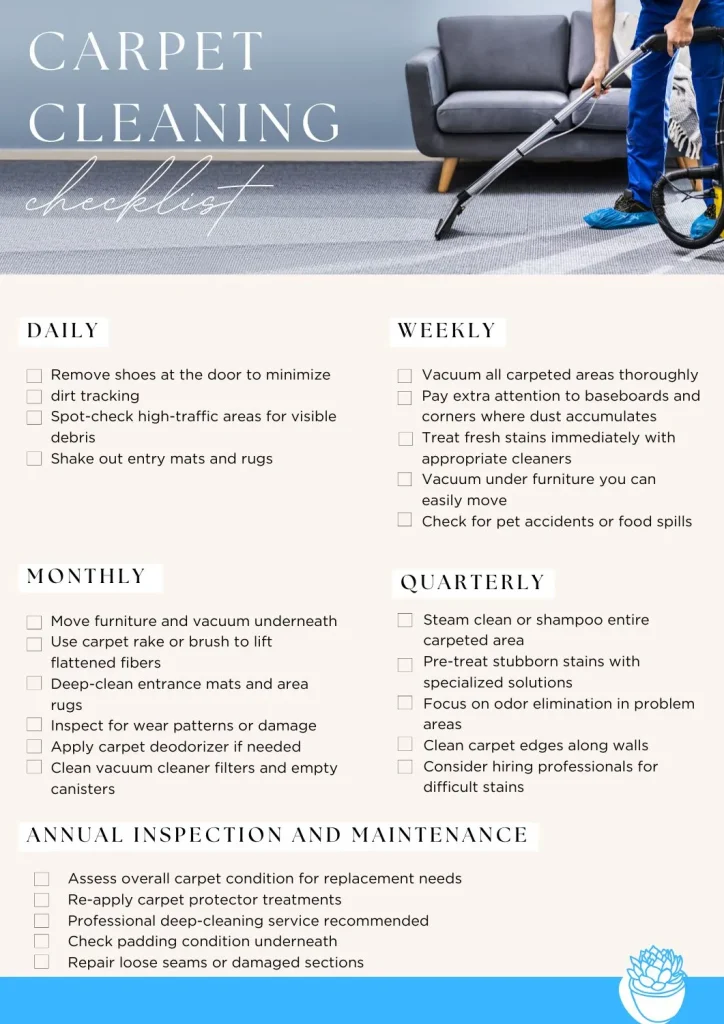
Daily and Weekly Maintenance
Daily Tasks:
- Remove shoes at the door to minimize dirt tracking
- Spot-check high-traffic areas for visible debris
- Shake out entry mats and rugs
Weekly Tasks:
- Vacuum all carpeted areas thoroughly (at least twice for high-traffic zones)
- Pay extra attention to baseboards and corners where dust accumulates
- Treat fresh stains immediately with appropriate cleaners
- Vacuum under furniture you can easily move
- Check for pet accidents or food spills
Monthly Deep-Cleaning Tasks
- Move furniture and vacuum underneath
- Use carpet rake or brush to lift flattened fibers
- Deep-clean entrance mats and area rugs
- Inspect for wear patterns or damage
- Apply carpet deodorizer if needed
- Clean vacuum cleaner filters and empty canisters
Quarterly Professional-Level Cleaning
- Steam clean or shampoo entire carpeted area
- Pre-treat stubborn stains with specialized solutions
- Focus on odor elimination in problem areas
- Clean carpet edges along walls
- Consider hiring professionals for difficult stains
Annual Inspection and Maintenance
- Assess overall carpet condition for replacement needs
- Re-apply carpet protector treatments
- Professional deep-cleaning service recommended
- Check padding condition underneath
- Repair loose seams or damaged sections
Seasonal Carpet Cleaning Checklist
Different seasons bring unique challenges for carpet maintenance. Here’s how to adjust your carpet cleaning checklist throughout the year.
Spring Carpet Cleaning Checklist

Spring cleaning means tackling the winter buildup of salt, mud, and indoor allergens.
- Deep vacuum entire home, including under all furniture
- Steam clean to remove salt stains from winter boots
- Open windows while cleaning for better ventilation
- Wash or replace entry mats
- Treat mold or mildew in damp areas
- Apply stain protector after deep cleaning
- Check for water damage from snow melt
- Remove pet hair accumulated over winter months
- Air out carpets on sunny days if possible
- Sanitize high-traffic areas with appropriate cleaner
Summer Carpet Cleaning Checklist
Summer brings outdoor dirt, grass stains, and increased foot traffic from kids and guests.
- Vacuum more frequently due to increased activity
- Treat grass and mud stains promptly
- Focus on entryways where dirt enters
- Use doormats both inside and outside
- Spot-clean spills from summer entertaining
- Address pet odors that intensify in heat
- Keep humidity levels controlled to prevent mold
- Clean under area rugs that trap summer dust
- Remove shoes to minimize outdoor debris
- Consider professional cleaning mid-summer for heavy-use homes
Fall Carpet Cleaning Checklist
Fall preparation helps you transition from outdoor summer activities to cozy indoor living.
- Deep clean before holiday season begins
- Remove leaf debris tracked indoors
- Prepare for increased indoor time with thorough vacuuming
- Check carpet for summer wear and tear
- Apply protector before wet winter weather
- Clean and store summer area rugs
- Set up seasonal entry mats for rain and mud
- Address any lingering summer stains
- Vacuum twice weekly as leaves fall
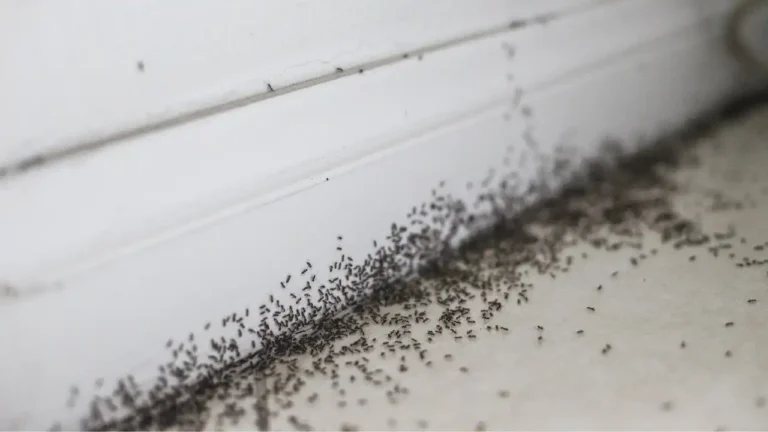
- Inspect for signs of pest activity
Winter Carpet Cleaning Checklist
Winter demands extra attention to salt stains, moisture, and indoor allergens from closed windows.
- Place absorbent mats at all entrances
- Vacuum salt and snow residue daily in entryways
- Blot wet spots immediately to prevent staining
- Use vinegar solution for salt stain removal
- Keep humidity levels balanced to avoid mold
- Vacuum more frequently despite less visible dirt
- Clean carpets before holiday gatherings
- Address static electricity with humidifiers
- Groom carpet fibers flattened by furniture
- Schedule professional cleaning after holiday season
Essential Carpet Cleaning Tools and Supplies
| Tool/Supply | Purpose | Frequency of Use |
| Vacuum cleaner | Remove dirt, dust, allergens | Daily to weekly |
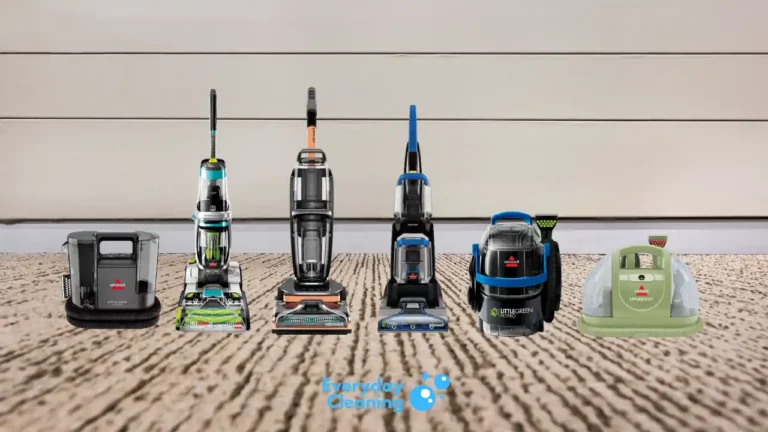
| Carpet shampooer | Deep cleaning | Monthly to quarterly |
| Stain remover spray | Spot treatment | As needed |
| White vinegar | Natural cleaning, deodorizing | Weekly to monthly |
| Baking soda | Odor absorption | Weekly to monthly |
| Carpet rake/brush | Lift matted fibers | Monthly |
| Microfiber cloths | Blotting and spot cleaning | As needed |
| Spray bottles | Applying cleaning solutions | As needed |
Step-by-Step Guide to Using Your Carpet Cleaning Checklist
Step 1: Prepare the Area Clear the room of small items, toys, and lightweight furniture. This gives you full access to the entire carpeted surface. For larger furniture, you can clean around it first and move it later for monthly deep cleaning.
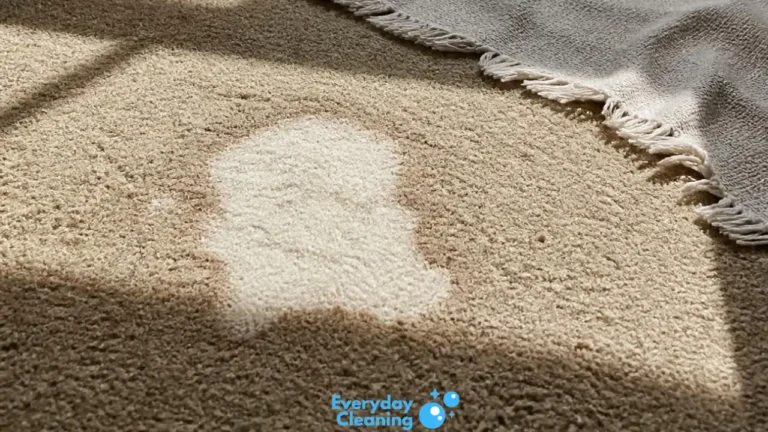
Step 2: Pre-Treat Stains Before any vacuuming or deep cleaning, identify and pre-treat visible stains. Blot (don’t rub) fresh stains with a clean cloth, then apply your chosen stain remover. Let it sit for the recommended time—usually 5-10 minutes.
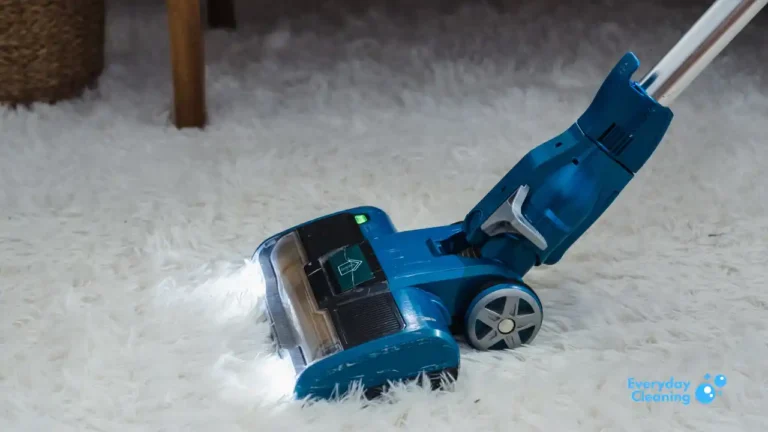
Step 3: Vacuum Thoroughly Start from the farthest corner and work your way toward the door. Use slow, overlapping strokes to pick up embedded dirt. Go over high-traffic areas multiple times. Don’t forget edges, corners, and under furniture.
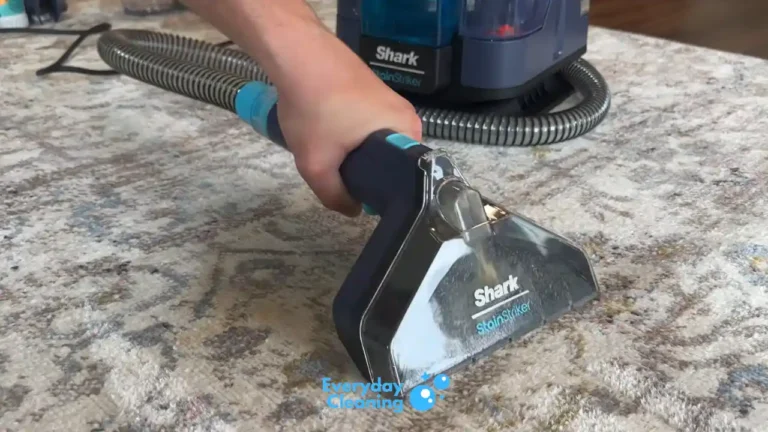
Step 4: Deep Clean For monthly or seasonal deep cleaning, use a carpet shampooer or steam cleaner. Follow the manufacturer’s instructions carefully. Work in small sections, making one pass with cleaning solution and one with clean water to rinse.
Step 5: Deodorize Sprinkle baking soda over the entire carpet and let it sit for at least 15-30 minutes (or overnight for strong odors). Vacuum thoroughly to remove all residue.
Step 6: Groom and Protect Use a carpet rake to lift fibers and restore texture. If you’ve done a deep clean, consider applying a carpet protector to help repel future stains.
Step 7: Dry Completely Open windows, turn on fans, or use a dehumidifier to speed drying time. Walk on carpets minimally until completely dry—usually 6-12 hours for steam cleaning.
Common Carpet Cleaning Mistakes to Avoid
Over-wetting: Using too much water or cleaning solution leads to mold growth and longer drying times. Always follow product instructions and don’t saturate your carpet.
Rubbing stains: This pushes the stain deeper into fibers and can damage carpet texture. Always blot from the outside toward the center.
Using wrong cleaning products: Harsh chemicals or inappropriate cleaners can discolor or damage carpet fibers. Test any new product on a hidden area first.
Skipping regular vacuuming: Waiting too long between vacuuming sessions allows dirt to embed deeper, making it harder to remove and wearing down fibers faster.
Not addressing spills immediately: The longer a stain sits, the harder it becomes to remove. Keep cleaning supplies accessible for quick action.
Tips for Maintaining Your Carpet Between Deep Cleans
Place washable rugs in high-traffic areas to protect carpet underneath. These are much easier to clean and can be thrown in the washing machine regularly.
Rotate furniture periodically to prevent permanent indentations and wear patterns. Even shifting a sofa a few inches helps distribute weight differently.
Use carpet-safe ice cubes on furniture dents. Place an ice cube in the indentation, let it melt overnight, then fluff the fibers with a fork or spoon in the morning.
Implement a strict no-shoes policy indoors. This single habit dramatically reduces the amount of dirt, bacteria, and outdoor chemicals tracked onto your carpets.
Keep cleaning supplies in multiple locations throughout your home for quick access when spills happen. A caddy under the kitchen sink and one in the laundry room ensures you can react immediately.
FAQ
How often should I vacuum my carpets?
High-traffic areas need vacuuming 2-3 times per week, while less-used rooms can be done once weekly. Homes with pets or allergies should vacuum daily in main living areas.
Can I make my own carpet cleaning solution?
Yes! Mix one cup of white vinegar with one cup of water and a tablespoon of dish soap. This works well for spot cleaning and deodorizing. For tougher stains, make a paste with baking soda and water.
How long should carpets take to dry after cleaning?
Steam cleaning typically requires 6-12 hours for complete drying. Improve drying time by increasing air circulation with fans, opening windows, or running your HVAC system. Avoid walking on damp carpets to prevent re-soiling.
What’s the best way to remove pet odors from carpet?
Sprinkle baking soda liberally over the affected area and let it sit for several hours or overnight. Vacuum thoroughly, then treat with an enzyme-based pet odor eliminator designed to break down organic compounds. For persistent odors, you may need professional treatment.
Do I need to hire professionals or can I clean carpets myself?
You can handle most routine maintenance yourself with a good vacuum and occasional rental steam cleaner. However, professional cleaning once or twice a year reaches deeper dirt, applies protectants properly, and extends carpet life. Professionals are also recommended for tough stains, water damage, or before moving out of a rental.
Should I clean carpets before or after moving furniture?
Clean high-traffic areas first with furniture in place, then move pieces to clean underneath during your monthly or seasonal deep cleaning. This prevents you from having to move everything every time while still ensuring thorough coverage periodically.

One Comment
Comments are closed.