DIY Carpet Deodorizer: 5 Simple Homemade Recipes That Actually Work

Table of Contents
Is your carpet giving off that musty smell, food odors, or that distinctive “pet perfume”? You want to tackle those smells immediately but feel hesitant about chemical-laden commercial products filling your home?
Good news—you don’t need fancy store-bought sprays to refresh your carpets. This guide shares tried-and-true homemade recipes using everyday ingredients you probably already have in your pantry.
The best part? These DIY carpet deodorizer solutions are safe around children and pets, incredibly budget-friendly, and use simple, natural ingredients you can pronounce.
Quick Answer: The most popular homemade carpet deodorizer recipe is mixing 1 cup of baking soda with 10-15 drops of your favorite essential oil. Sprinkle the mixture evenly over your carpet, let it sit for 30 minutes, then vacuum thoroughly.
Why Choose a DIY Carpet Deodorizer?
Before we dive into the recipes, let’s talk about why making your own carpet freshener makes sense.
Safe for Your Family & Furry Friends
Commercial carpet fresheners often contain synthetic fragrances, VOCs (volatile organic compounds), and other chemicals that can trigger allergies or respiratory issues. When you make a DIY carpet deodorizer at home, you control every ingredient that goes into it. No mystery chemicals, no unpronounceable additives—just simple, natural ingredients you’d trust around your kids and pets.
Seriously Budget-Friendly
Let’s do some quick math. A store-bought carpet powder typically costs $5-10 for a 16-ounce container. Meanwhile, a box of baking soda runs about $1, and you can make several batches from it. Add a $10 bottle of essential oil that’ll last you months, and you’re looking at pennies per application versus dollars. Most ingredients are already sitting in your kitchen cupboard anyway.
Better for the Planet
Making your own carpet freshener means less plastic packaging ending up in landfills. You’re also not washing harsh chemicals down into the water system every time you clean your carpets. It’s a small change that adds up when you think about how often carpets need refreshing.
Customize Your Scents
Hate artificial “spring breeze” or “mountain rain” fragrances? When you create your own DIY carpet deodorizer, you’re the boss of what it smells like. Love lavender? Go for it. Prefer citrus? You got it. Your home, your signature scent.
5 Proven Recipes for Homemade Carpet Deodorizer
Here’s where the magic happens. These five recipes cover everything from everyday freshening to tackling those stubborn pet odors.
1. The Classic: Baking Soda and Essential Oils
This is your go-to, reliable recipe that works for most everyday carpet odors.

What You’ll Need:
- 1 cup baking soda (250g)
- 10-20 drops of essential oil (lavender, lemon, or eucalyptus work beautifully)
- A glass jar with a shaker lid (or repurpose a parmesan cheese shaker)
How to Make It:
- Pour the baking soda into your glass jar
- Add your chosen essential oil drops
- Close the lid tightly and shake vigorously for 30 seconds to distribute the oil
- Let it sit overnight so the scent fully absorbs into the powder
- Give it another good shake before each use
Perfect For: Regular carpet maintenance, light odors, and general freshening between deep cleans.
How to Use: Sprinkle generously over your carpet, focusing on high-traffic areas. Let it sit for at least 30 minutes (longer for stronger odors—even overnight if you can). Vacuum thoroughly, making several passes to pick up all the powder.
2. The Pet Parent’s Power Formula
If you share your home with dogs or cats, you need something with extra oomph.

What You’ll Need:
- 1 cup baking soda (250g)
- ½ cup cornstarch (125g)
- 15-20 drops of pet-safe essential oil (citrus oils like sweet orange work well)
How to Make It:
- Combine baking soda and cornstarch in a bowl
- Mix thoroughly with a fork to break up any lumps
- Add essential oils drop by drop while stirring
- Keep mixing until oils are evenly distributed
- Transfer to your shaker container
The cornstarch is your secret weapon here—it absorbs moisture and oils from pet fur and dander that regular baking soda might miss.
Important Note: Not all essential oils are pet-safe. Avoid tea tree, pennyroyal, and other oils known to be toxic to cats and dogs. When in doubt, stick with citrus or skip the oils entirely—the powder still works.
How to Use: Apply liberally to areas where your pets spend time. For best results, let it sit for 1-2 hours before vacuuming. For accident spots, use this formula after you’ve cleaned and dried the area completely.
3. The Herbal Garden Blend
For folks who prefer gentle, natural fragrances over concentrated essential oils.
What You’ll Need:
- 1 cup baking soda (250g)
- 2-3 tablespoons dried herbs, finely ground (lavender flowers, rosemary, or cinnamon work wonderfully)
- Optional: 5 drops of complementary essential oil
How to Make It:
- Grind your dried herbs in a coffee grinder or mortar and pestle until they’re powder-fine
- Mix the ground herbs with baking soda
- Add essential oil if using (this boosts the scent)
- Stir everything together thoroughly
- Store in an airtight jar
Perfect For: Anyone who loves soft, natural scents without the intensity of essential oils. The herbal route gives you a subtler, more sophisticated fragrance.
How to Use: Apply the same way as the classic recipe. The herbal particles are tiny enough to vacuum up easily, but you might want to do an extra pass just to be sure.
4. The Convenient Spray Formula
Sometimes you need to spot-treat or prefer a liquid application.
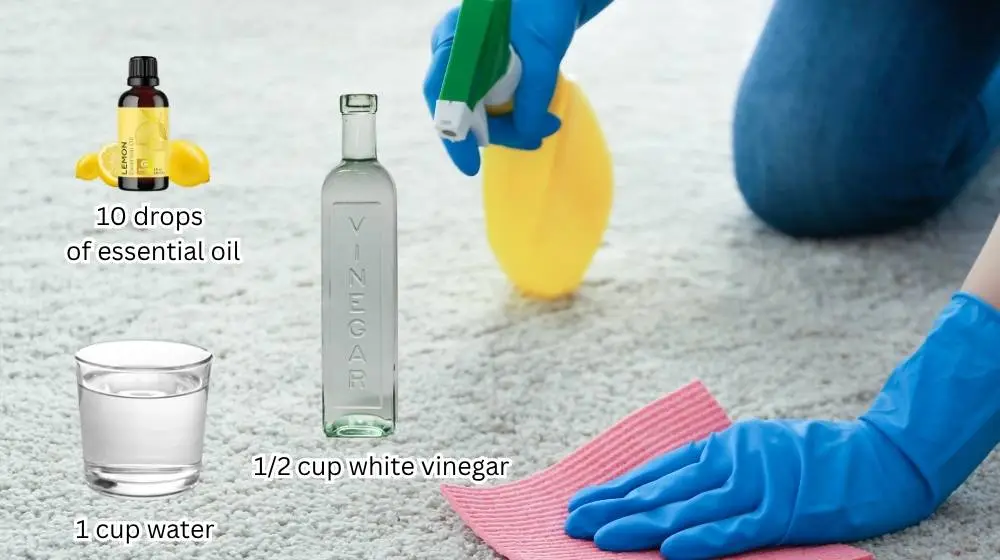
What You’ll Need:
- 1 cup distilled water
- ½ cup white vinegar
- 10 drops essential oil
- Spray bottle
How to Make It:
- Pour distilled water and vinegar into your spray bottle
- Add essential oils
- Shake well before each use (oil and water separate naturally)
How to Use: Lightly mist over carpet surfaces—don’t soak them. The vinegar smell might be strong initially, but it evaporates quickly and takes odors with it. Test a small hidden area first to ensure it doesn’t affect your carpet’s color.
Pro Tip: This spray version of a DIY carpet deodorizer works great for quick refreshes and spot treatments between deeper cleaning sessions.
5. The Emergency Recipe: Salt and Essential Oils
Out of baking soda? Regular table salt can pinch-hit in a pinch.
What You’ll Need:
- 1 cup fine table salt (not coarse sea salt)
- 10-12 drops essential oil
How to Make It:
- Mix salt and essential oil in a bowl
- Stir until oil is evenly distributed
- Transfer to shaker container
Important Warning: Only use this on completely dry carpets. Salt naturally attracts moisture, which could leave your carpet feeling damp. This works best as a temporary solution until you can grab baking soda from the store.
How to Use: Apply sparingly—salt is grittier than baking soda. Leave on for 20-30 minutes maximum, then vacuum thoroughly.
Tips for Getting the Best Results
Want your DIY carpet deodorizer to work even better? Keep these tricks in mind:
Vacuum First: Always vacuum before applying any powder. You want the deodorizer touching carpet fibers, not sitting on top of dirt and debris.
Give It Time: Patience pays off. The longer you let the powder sit, the more odors it absorbs. If you can leave it overnight, do it.
Go Heavy on Problem Areas: Don’t be shy with application around pet beds, entryways, or anywhere that sees lots of foot traffic.
Vacuum Thoroughly: Make multiple passes in different directions. Any powder left behind can create a gritty feeling underfoot.
Refresh Your Vacuum: After using a DIY carpet deodorizer, your vacuum bag or canister will smell amazing too. Bonus!
Common Questions About Homemade Carpet Fresheners
Can I use these recipes on all carpet types?
These DIY carpet deodorizer formulas work on most synthetic carpets. For wool, silk, or specialty fibers, test in an inconspicuous spot first. The powder recipes are generally safer than the spray version for delicate materials.
How often should I deodorize my carpets?
For regular maintenance, once every 2-3 weeks keeps things fresh. High-traffic areas or pet zones might need weekly attention. Trust your nose—if you smell it, treat it.
Will baking soda damage my vacuum cleaner?
Not if you use it correctly. Let the powder sit for the recommended time so it can absorb odors rather than just sitting on the surface. Make sure you’re using a vacuum with good suction and clean or replace filters regularly.
Can I make large batches ahead of time?
Absolutely. These recipes store beautifully for months in airtight containers. Just give them a good shake before using since the essential oils can settle.
Why does my carpet still smell after using the deodorizer?
If odors persist after trying a DIY carpet deodorizer, the smell might be coming from deep in the carpet pad or subfloor. Surface treatments can only do so much. You might need professional deep cleaning or, in extreme cases, carpet replacement.
Which essential oils work best for carpet deodorizing?
Lavender, lemon, eucalyptus, and sweet orange are top performers. They’re pleasant without being overwhelming and have natural antimicrobial properties. Avoid oils that can stain (like cinnamon or darker oils) and those toxic to pets.
When DIY Solutions Aren’t Enough
Let’s be real—homemade carpet fresheners are fantastic for regular maintenance and mild to moderate odors. But sometimes you’re dealing with issues beyond their scope.
Consider calling in professional help when:
- Water damage or flooding has occurred. Mold and mildew require professional remediation, not DIY carpet deodorizer treatments.
- Pet urine has soaked through to the padding. Surface treatments can’t reach contamination that deep.
- The carpet is old and worn. Sometimes the smell isn’t coming from dirt—it’s from the breakdown of the carpet itself.
- You’ve tried everything and nothing works. Don’t waste more time and money. A professional assessment can identify problems you can’t see.
Professional steam cleaning paired with enzymatic treatments can handle what homemade solutions can’t. It’s not admitting defeat—it’s being smart about when to bring in the big guns.