
How to Dry Carpet Quickly After Cleaning: Expert Guide for Faster Results

Table of Contents
Ever finished cleaning your carpet only to wait forever for it to dry? A damp carpet isn’t just inconvenient—it’s a breeding ground for mold, mildew, and those musty odors nobody wants in their home. Learning how to dry carpet quickly after cleaning can save you time, and keep your living space fresh and healthy.
You don’t need expensive equipment or professional help. With the right techniques and a bit of know-how, you can cut drying time significantly and get back to enjoying your clean, dry carpet much sooner than you’d think.
How Long Does Carpet Normally Take to Dry?
Under typical conditions, a freshly cleaned carpet takes anywhere from 8 to 12 hours to dry completely. Some thicker carpets or those in humid environments might need up to 24 hours. Several factors influence this timeline: carpet thickness, room temperature, humidity levels, airflow, and how much water was used during cleaning.
Step-by-Step Guide: How to Dry Carpet Quickly After Cleaning
Follow these steps, and you’ll dramatically reduce drying time compared to just letting your carpet air dry naturally. If you can’t do every step below, do as many as you can—even a few will make a noticeable difference.
1. Extract as Much Water as Possible

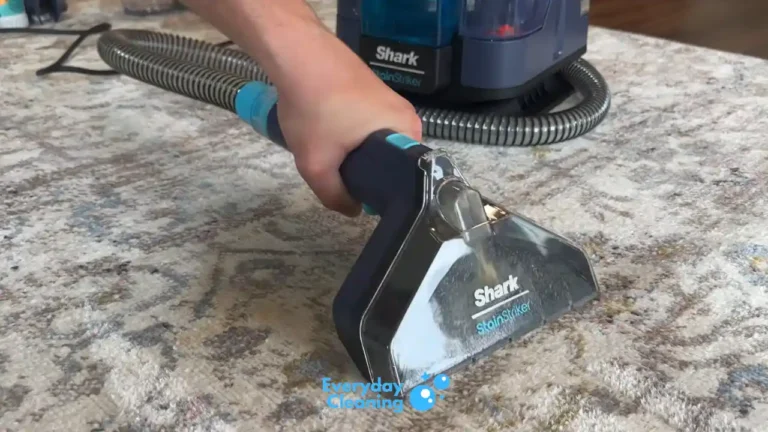
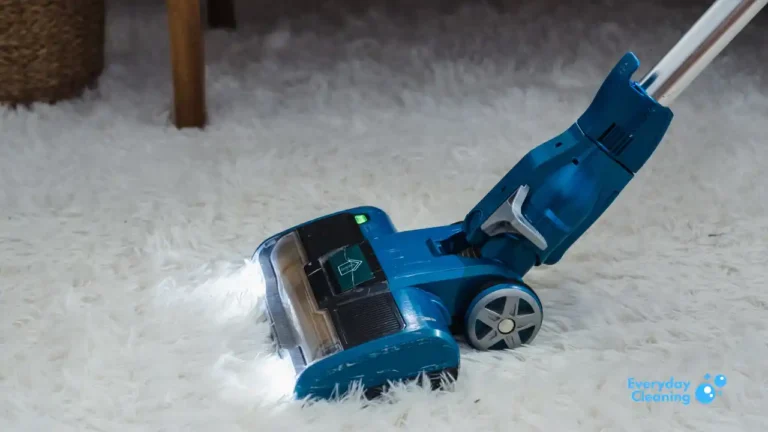
Before anything else, remove excess moisture from your carpet. If you used a carpet cleaner with an extraction function, make several slow passes over each area. The slower you move, the more water gets pulled out.
For hand-washed areas, press clean, dry towels firmly onto the carpet and apply pressure with your feet. You can even stand on the towels to push water up into them. Replace the towels as they become saturated and repeat until you’re not absorbing much moisture anymore.
2. Increase Air Circulation
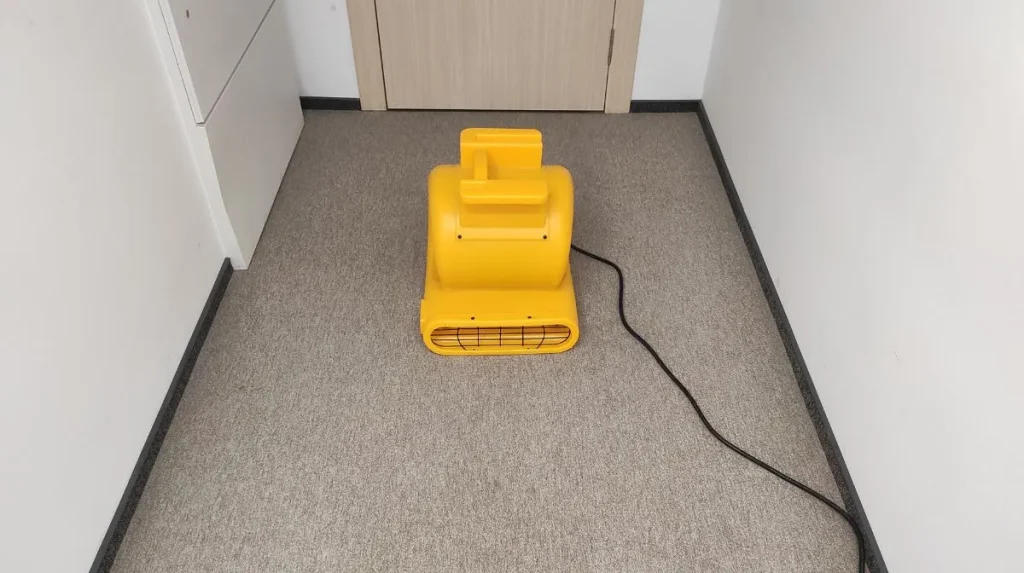
Airflow is your best friend when drying carpet. Open windows and doors to create cross-ventilation if weather permits. Position fans strategically around the room—ceiling fans should run counterclockwise, and floor fans should point directly at the wet carpet.
If you have box fans, place them near windows to pull humid air out of the room. The more air movement you create, the faster moisture evaporates from carpet fibers.
3. Turn on Your HVAC System
Your heating or air conditioning system does more than regulate temperature—it circulates air throughout your home. Turn it on and adjust the temperature slightly warmer than usual. Warm air holds more moisture, which speeds up evaporation.
If you have a dehumidifier function on your HVAC or a standalone dehumidifier, run it simultaneously. Removing humidity from the air helps it absorb more moisture from your carpet.
4. Use a Dehumidifier
A dehumidifier is one of the most effective tools for how to dry carpet quickly after cleaning, especially in humid climates or during damp seasons. Place it in the center of the room and let it run continuously until the carpet is completely dry.
You’ll be amazed at how much water collects in the reservoir. Empty it regularly to maintain efficiency, and position it where air can circulate freely around the unit.
5. Apply Baking Soda
Sprinkle a generous layer of baking soda evenly across your damp carpet. This household staple absorbs moisture while neutralizing odors—a double win. Let it sit for at least 2-3 hours, or overnight for best results.
Once the carpet feels dry, vacuum thoroughly to remove all the baking soda. You’ll notice your carpet not only dried faster but also smells fresher.
6. Try the Towel and Iron Method (for Small Areas)
For stubborn damp spots or small sections, place a clean, dry towel over the area. Press a warm (not hot) iron on top of the towel for 10-15 seconds at a time. The heat transfers moisture from the carpet into the towel.
Lift the iron and move the towel to a dry section, then repeat. Check the carpet frequently to avoid overheating, and never place the iron directly on carpet fibers.
7. Keep Traffic Off the Carpet
This might seem obvious, but it’s crucial. Walking on damp carpet pushes dirt deeper into fibers and slows drying by compressing the pile. Block off the area with furniture or tape, and warn family members to stay away until everything’s completely dry.
If you absolutely must walk across it, wear clean socks or place towels as stepping stones.
Common Mistakes to Avoid When Drying Carpet
Using too much water during cleaning. The more water you use, the longer drying takes. Always use the minimum amount necessary to get carpets clean.
Closing windows and doors. Unless it’s extremely humid outside, trapping moisture indoors is counterproductive. Fresh air helps moisture escape faster.
Not checking underneath for moisture. Sometimes the carpet surface feels dry while the padding underneath remains soaked. Press down firmly to check, and continue drying if you feel dampness.
Replacing furniture too soon. Heavy furniture on damp carpet can leave permanent indentations and trap moisture, creating mold risks. Wait until everything is bone dry—usually 24 hours minimum—before moving items back.
Drying Carpet in Winter or High Humidity Conditions
Winter and humid seasons present unique challenges. Cold, damp air doesn’t absorb moisture well, and opening windows might actually make things worse.
During these conditions, rely heavily on indoor heating and dehumidifiers. Set your thermostat a few degrees higher than normal and run your dehumidifier continuously. If you have space heaters, position them safely in the room (never directly touching carpet) to create a warmer, drier environment.
Fans become even more important when you can’t ventilate naturally. Run multiple fans pointing at different angles across the carpet surface to keep air moving constantly.
In extremely humid conditions, consider renting a commercial-grade dehumidifier or carpet dryer from a home improvement store. These powerful units can make a dramatic difference when household methods aren’t enough.
Frequently Asked Questions
How do I know when my carpet is completely dry?
Press your hand firmly into the carpet pile and hold for 10-15 seconds. If your hand feels any dampness or coolness, keep drying. Also check the padding underneath by pressing down firmly.
Can I use a hairdryer to dry carpet faster?
For very small spots, yes, but it’s impractical for large areas and wastes energy. Fans and dehumidifiers are much more efficient.
Should I turn off my air conditioner to dry carpet faster?
No—air conditioning removes humidity from the air, which actually helps carpet dry faster. Keep it running along with fans for best results.
What if my carpet still smells musty after drying?
This indicates the carpet wasn’t fully dry before you stopped the process, or moisture reached the padding. You may need to deep clean again using less water, or have professionals inspect for mold in the padding.
Why does my carpet feel crunchy after quick-drying it?
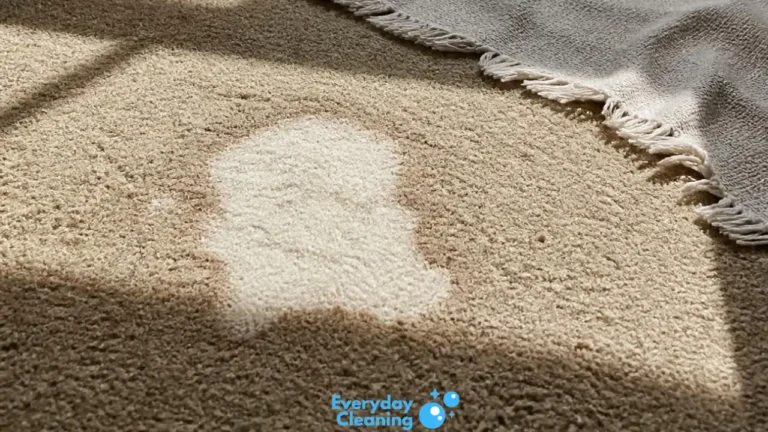
That crusty texture means cleaning solution residue got left behind and crystallized as it dried. You didn’t rinse thoroughly enough. Run a rinse-only cycle with plain water, or go over it again with a damp (not soaking) microfiber mop to remove residue.
Will putting my carpet in direct sunlight damage it?
Direct sunlight dries carpet incredibly fast, but UV rays will fade colors—especially reds, blues, and darker shades. For area rugs, flip them over so the backing faces the sun. For wall-to-wall carpet, use sunlight sparingly and draw curtains once it’s 80% dry.

One Comment
Comments are closed.