
How to Clean Cloudy Marks on Induction Hob: Easy Fix
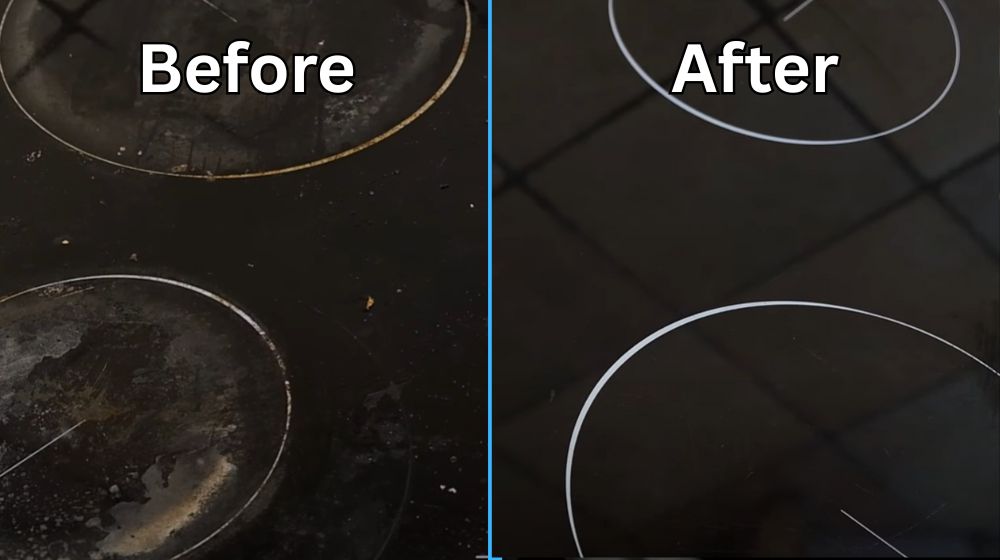
Table of Contents
If you’ve noticed white, hazy spots on your induction cooktop that just won’t budge with regular wiping, you’re dealing with cloudy marks. These frustrating stains make your beautiful black cooktop look dull and dirty, even when it’s technically clean.
The good news? With a few common household items and the right technique, you can remove those cloudy marks and get your induction hob looking brand new again.
What Causes Cloudy Marks on Your Induction Hob?
Those cloudy, white marks on your induction cooktop usually come from two main culprits:
Hard water deposits are the number one cause. When you place wet pots and pans on the hot cooktop, the water evaporates quickly but leaves behind mineral deposits—calcium and lime. Over time, these build up into those stubborn cloudy patches that regular dish soap can’t touch.
Burnt-on food residue is the second offender. We’ve all had that moment when something boils over during cooking. If you don’t wipe it up immediately while the cooktop is still warm, those food particles bake onto the glass surface. Mix in some moisture, and you’ve got yourself a cloudy mess that seems permanent.
What You’ll Need to Get Started
For the cleaning solution:
- Baking soda (2-3 tablespoons)
- Dish soap (just a few drops)
- Warm water
- Weiman Cooktop Cleaner (#ad) or similar glass cooktop cleaner
For the scrubbing and scraping:
- A razor blade scraper
- Soft sponge
- Clean, dry towels
Safety note: Make sure your cooktop is completely cool before you begin.
How to Clean Cloudy Marks on Induction Hob
Step 1: Make and Apply Your Cleaning Paste

Mix about 2-3 tablespoons of baking soda with a few drops of dish soap and just enough warm water to create a spreadable paste—think toothpaste consistency.
Spread this mixture generously over all the cloudy areas. The baking soda is mildly abrasive, while the dish soap helps cut through any greasy residue. Let it sit for about 10 minutes. This waiting time is important—it gives the paste time to soften the burnt-on food and start breaking down those mineral deposits.
Step 2: Scrape Away Burnt Residue

Hold your razor blade scraper at a 45-degree angle to the cooktop surface, never straight up and down. Using smooth, even strokes, gently scrape across the cloudy areas. You’ll likely see burnt food particles and hardened residue lifting right off.
Keep the surface wet while you’re scraping. If the paste starts drying out, add a little more or spritz with water. The moisture acts as a lubricant and prevents scratching.
Work in sections, and wipe away the loosened gunk as you go with a damp cloth. You’ll be amazed at what comes off with this method.
Step 3: Apply Specialized Cooktop Cleaner

Apply your glass cooktop cleaner (I used Weiman Glass cook top) directly to the hazy areas. These cleaners are specifically formulated to dissolve mineral deposits and restore shine.
Use a soft sponge or microfiber cloth to work the cleaner into the surface using circular motions. You’ll need a bit of elbow grease here. Focus extra attention on the cloudiest spots. The cleaner will start breaking down those calcium and lime deposits that regular dish soap couldn’t touch.
Step 4: Buff to a Streak-Free Shine
Grab a clean, dry microfiber cloth or towel and wipe away all the cleaner.
Check your cooktop from different angles in good light. See any remaining hazy spots? Apply a little more specialized cleaner just to those areas and buff again.
When you’re done, your induction hob should look glossy and clear—like the day you brought it home.

Cleaning my cooktop has become so much easier since I started using Weiman’s product set. One purchase lasts me an entire year
How to Prevent Cloudy Marks from Coming Back
Now that your cooktop is sparkling clean, let’s keep it that way. Prevention is always easier than deep cleaning.
Always dry the bottoms of your pots and pans before placing them on the induction hob. Those water droplets are the main source of hard water deposits. Just a quick wipe with a kitchen towel before cooking can make a huge difference.
Clean up spills immediately while the cooktop is still warm (but not hot). When food splatters or boils over, it’s much easier to wipe away in the moment than after it’s baked on through multiple cooking sessions. Keep a damp cloth nearby when you’re cooking.
Do a quick daily wipe-down after cooking. Use a soft cloth with a little dish soap and water, then dry thoroughly. This 30-second habit prevents buildup from ever starting. Think of it like wiping your kitchen counters—just part of your routine.
Use a cooktop cleaner weekly for maintenance. Even if you don’t see cloudy marks, a weekly application of specialized cleaner keeps mineral deposits from building up. It takes just a few minutes and saves you from heavy scrubbing sessions later.
Consider a water softener if you have very hard water in your area. This is a bigger investment, but it prevents hard water problems throughout your entire home—not just on your cooktop.
FAQ
Can I use vinegar instead of specialized cooktop cleaner?
Yes, white vinegar can work for light cloudy marks caused by hard water, but it’s not as effective for heavy buildup or burnt-on residue. If you want to try it, mix equal parts vinegar and water in a spray bottle, apply it to the cloudy areas, let it sit for 5-10 minutes, then wipe clean.
Will scraping with a razor blade scratch my induction hob?
Not if you use the right technique. Always use a razor blade scraper designed for glass cooktops, keep the blade at a 45-degree angle, and make sure the surface stays wet while scraping. Never use old, rusty, or damaged blades, and never scrape with the blade perpendicular to the surface. The glass on induction cooktops is very hard, and proper scraping technique won’t damage it.
How often should I deep clean my induction hob?
It depends on how much you cook and how hard your water is. Most people need to deep clean (with the full baking soda paste and scraping process) every 1-3 months. If you do daily maintenance wipes and weekly cleaner applications, you might only need deep cleaning once or twice a year. Watch for cloudy marks starting to appear—that’s your signal it’s time for a deeper clean.
My cloudy marks won’t come off even after following these steps. What now?
Some extremely stubborn stains—especially if they’ve been there for years—might need repeated treatments. Try the full cleaning process 2-3 times over a few days. If marks still persist, you might be dealing with actual etching or damage to the glass surface rather than just deposits. In that case, unfortunately, the marks may be permanent. This is rare but can happen with very acidic spills left on the surface for extended periods.
Is it safe to use steel wool or abrasive scrubbers on induction cooktops?
No, absolutely avoid steel wool, abrasive scrubbing pads, or harsh scouring powders. These will scratch the glass surface of your induction hob, creating permanent damage that makes cleaning even harder in the future. Stick with soft sponges, microfiber cloths, and the baking soda paste method when you need gentle abrasion.