How to Deep Clean Carpet with a Vacuum (The Right Way)
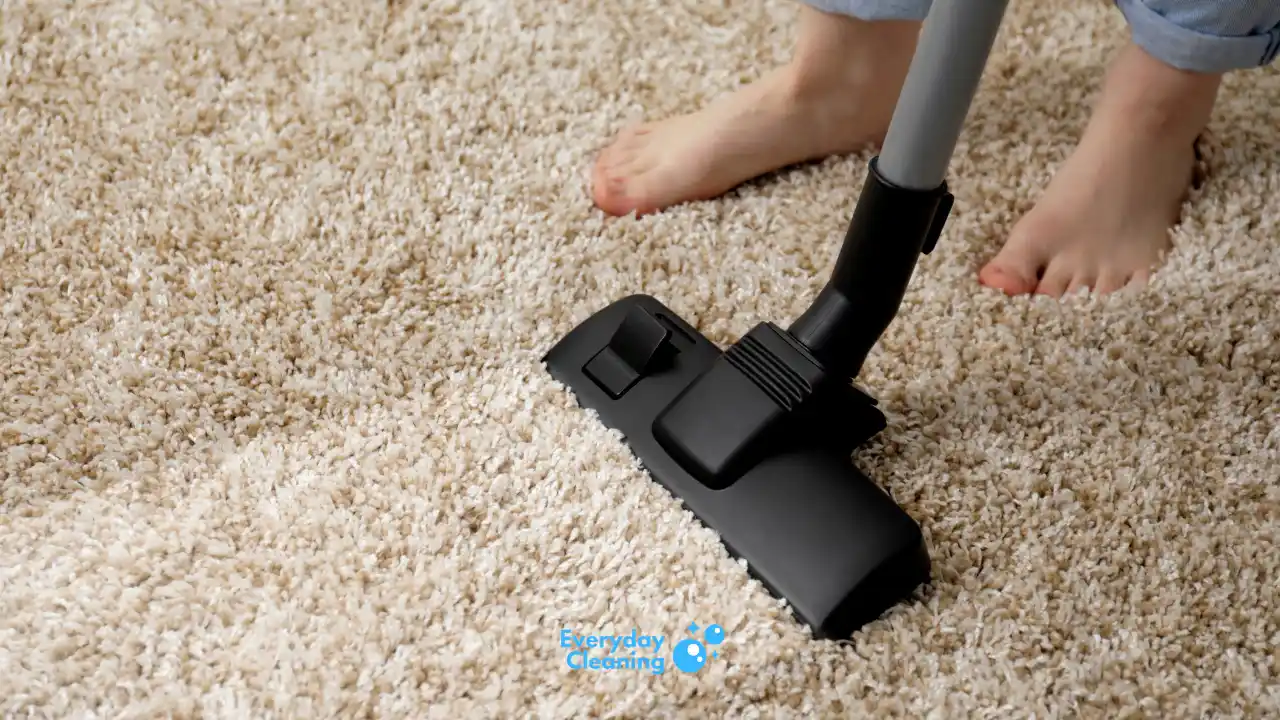
Regular vacuuming picks up surface debris. Deep cleaning pulls out what’s been grinding into the fibers for weeks. You can do a proper deep clean with just your vacuum if you follow the right steps.
What You’ll Need
- An upright or canister vacuum with strong suction
- A crevice tool and upholstery attachment
- Baking soda (optional, for odor treatment)
A good HEPA-filtered vacuum makes a real difference during deep cleaning. Fine dust, dander, and allergens get disturbed when you vacuum aggressively, and a sealed system keeps them from being blown back into the room. If allergies are a factor in your home, look at vacuums built for dust mite allergies before your next deep clean session.
Step 1: Clear and Prep the Room
Move furniture off the carpet. Chairs, side tables, anything you can shift. Deep cleaning only works on surfaces you can actually reach.
If you have rugs layered over carpet, take the rugs outside and shake them out separately. Leaving them in place just traps debris underneath.
Pick up any small objects on the floor. Deep cleaning involves slower, more deliberate passes, and having to stop and move things constantly breaks your momentum.
Step 2: Pre-Treat with Baking Soda (Optional but Effective)
Sprinkle a thin, even layer of baking soda across the carpet before you vacuum. This is especially useful in areas with pet odors, cooking smells, or musty buildup.
Let it sit for at least 15 minutes. Longer is better. An hour is fine. The baking soda works into the fibers and neutralizes odors at the source rather than just masking them.
Do not use baking soda on wool carpet. It can affect the natural pH of the fibers. For wool, skip this step entirely.
Step 3: Loosen Embedded Dirt First
This is the step most people skip, and it makes the biggest difference.
Use a stiff-bristle brush or carpet rake to agitate the fibers before vacuuming. Work it against the grain in short strokes. This loosens dirt, pet hair, and debris that have been packed down by foot traffic and brought them closer to the surface where your vacuum can actually reach them.
If you don’t have a carpet rake, you can use the upholstery attachment from your vacuum to do a dry pass by hand in heavily soiled areas. The direct contact picks up more than the floor head in tight spots.
Step 4: Vacuum in Multiple Directions
For a deep clean, one direction is not enough.
Start by vacuuming with the grain of the carpet. Then do a second pass perpendicular to the first. The cross-direction pass lifts fibers that got flattened by the first pass and exposes debris that was sitting in the gaps between them.
In high-traffic areas like hallways, stairs, and in front of sofas, do three passes: with the grain, against the grain, and diagonal. It sounds like a lot, but these are the spots that accumulate the most embedded grime.
Step 5: Slow Down Your Passes
The most common deep cleaning mistake is moving the vacuum too fast.
A fast pass at regular speed only picks up surface debris. For a true deep clean, push the vacuum forward slowly, about half the speed you’d use for a routine session. Let the suction work. Then pull it back slowly over the same strip before moving to the next one.
This is especially important for thick or high-pile carpet where debris sinks deep into the fibers. If your carpet feels softer and looks more uniform after vacuuming, you’re doing it right.
Step 6: Use the Crevice Tool on Edges and Corners
The main floor head leaves a gap of 2 to 3 inches along every wall, under baseboards, and in corners. Switch to the crevice tool and run it carefully along all the perimeter edges of the room.
This is where pet hair and fine dust accumulate most. If you have pets, you’ll likely pull out a surprising amount from the baseboard edges even on a carpet that looks clean. For ongoing pet hair management, the guide on how to keep carpet clean with pets covers a good maintenance routine to follow between deep clean sessions.
Step 7: Address Problem Areas Separately
High-traffic zones, spots near entryways, and areas under furniture legs need extra attention.
For entryway carpet, do three or four slow passes. This is where outdoor grit gets tracked in and grinds into the pile the hardest. The entry is usually the dirtiest part of any carpeted home.
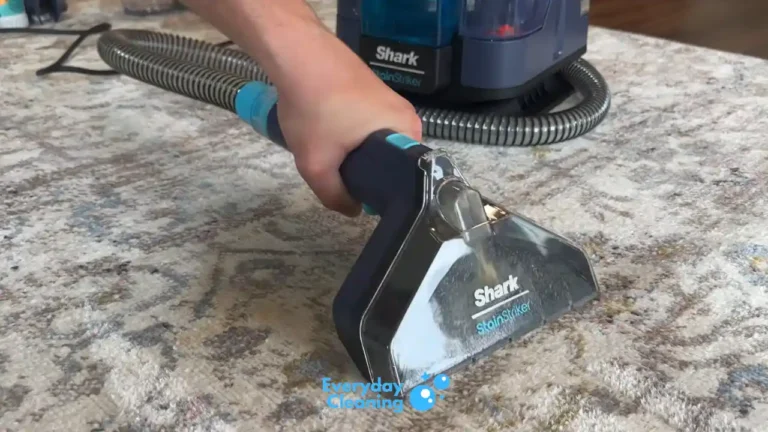
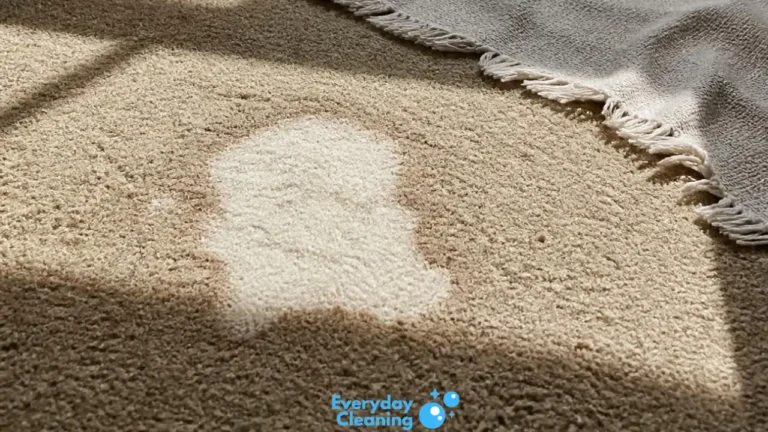
For staining or embedded dirt that vacuuming won’t fully resolve, a wet treatment may be necessary after the vacuuming session. A homemade carpet cleaning solution works well for spot treatment after you’ve loosened as much as possible with the vacuum first.
Step 8: Do a Final Pass at Lower Suction
Once you’ve finished the aggressive passes, do one final light pass at a lower suction setting.
This smooths out the fibers and picks up any baking soda residue or loose debris disturbed during the earlier passes. It also leaves the carpet looking more even and presentable when you’re done.
How Often Should You Deep Clean Carpet with a Vacuum?
For most households, a proper vacuum deep clean once a month is the right target. Regular vacuuming two to three times per week handles surface maintenance between sessions.
Bump the frequency if you have pets, kids, or allergies. For pet owners especially, monthly deep cleans help manage dander and embedded fur that routine vacuuming misses. The complete carpet cleaning checklist breaks down a practical season-by-season schedule worth following.
When Vacuuming Isn’t Enough
A deep vacuum clean handles dirt and debris well. It does not handle moisture damage, mold, or deeply set stains.
If your carpet smells musty even after a thorough vacuum deep clean, there may be moisture trapped underneath. That’s a different problem. Check for signs of mold under carpet if the musty smell persists after cleaning.
For stubborn stains, vacuum the area thoroughly first, then follow with a targeted wet treatment. Deep cleaning with a vacuum first makes wet treatments more effective because it removes the loose debris layer and lets the cleaning solution reach the actual stain.
Common Mistakes to Avoid
Vacuuming too fast. Speed is the main reason deep cleaning sessions don’t work. Slow, deliberate passes are what separate a real deep clean from a routine pass.
Skipping the pre-agitation step. If you go straight to vacuuming without loosening the fibers first, you’re only cleaning the top layer. A carpet rake or stiff brush makes a noticeable difference in what comes up.
Ignoring the edges. The perimeter of every room collects more debris than the center. Always finish with the crevice tool along baseboards.
Not letting baking soda sit long enough. Five minutes does almost nothing. Give it at least 15, ideally an hour. The longer it sits, the more odors it neutralizes.
Expecting a vacuum to fix moisture or staining. Vacuuming excels at dry debris. For wet issues, deep stains, or heavy soiling, a carpet cleaner machine or professional cleaning may be the right next step.
Frequently Asked Questions
Can deep cleaning carpet with a vacuum replace a carpet cleaner machine?
For dry debris, dirt, and odor treatment, yes. A thorough vacuum deep clean is effective and does not risk over-wetting the carpet. But for heavy staining, embedded pet urine, or carpets that haven’t been cleaned in years, a wet carpet cleaner gives results a vacuum alone can’t match. Learn more about the difference in how to clean a carpet at home.
How do I know if my carpet needs a deep clean vs. regular vacuuming?
If the carpet looks dull or matted even after a normal vacuum pass, if there’s a lingering odor that routine cleaning doesn’t fix, or if you notice the fibers aren’t bouncing back the way they used to, it’s time for a deep clean.
Does baking soda damage vacuum filters?
Fine baking soda particles can clog filters faster than regular dust. After using baking soda, check and clean your filter. If you have a washable filter, rinse it within a day or two of a baking soda session. Avoid using baking soda frequently if your vacuum uses a paper bag, as it can reduce bag life.
Is it better to vacuum carpet before or after steam cleaning?
Always vacuum first. Steam cleaning on a carpet with loose surface debris just turns that debris into wet mud and spreads it around. A thorough vacuum session before any wet treatment, whether steam or carpet cleaner, is the correct order.
Can I deep clean high-pile or shag carpet with just a vacuum?
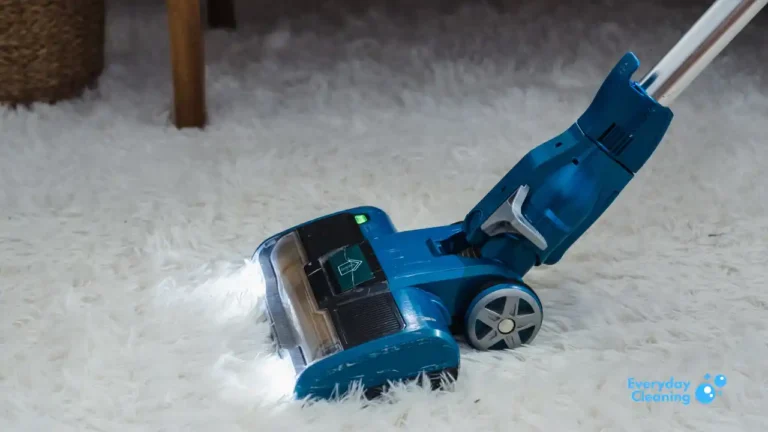
Yes, but with care. Use the lowest suction setting to avoid matting the fibers further, and agitate gently with a carpet rake instead of a stiff brush. For shag and high-pile carpet, the cross-direction vacuum pass is especially important since debris sinks deep and needs multiple angles to dislodge.