How to Fix Bleach Stains on Carpet (What Actually Works)
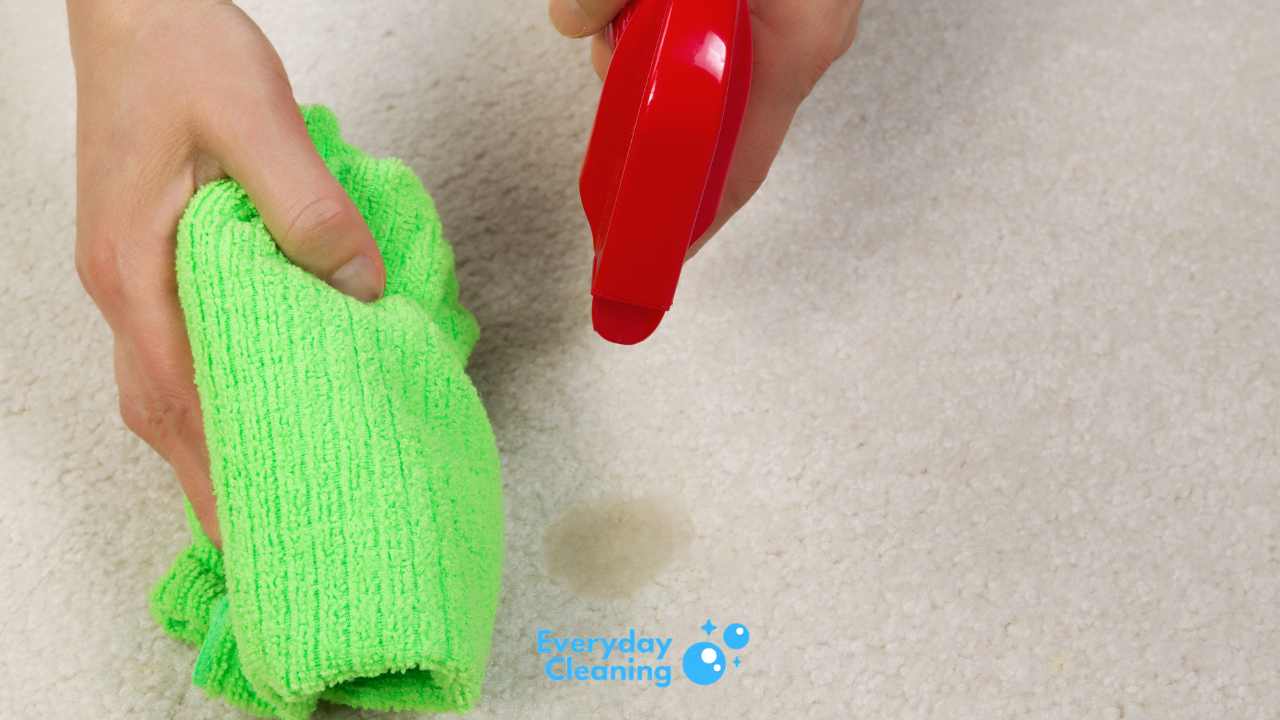
Bleach stains on carpet are not like other stains. You are not removing something — you are dealing with color that is permanently gone. Here is what you can actually do about it.
Step 1: Stop the Bleach First
If the bleach spill just happened, neutralize it before anything else. Blot up as much liquid as possible with paper towels. Press firmly and lift straight up without rubbing.
Then mix one tablespoon of white vinegar with two cups of cold water. Apply to the area with a clean cloth and blot. Vinegar neutralizes bleach and stops it from spreading further into surrounding fibers.
Rinse with cold water, blot dry. Now look at the actual damage. A small, contained spot is very fixable. A large bleached area that has already spread is harder to disguise.
Method 1: Carpet Dye or Color Repair Pen (Best Fix for Most Cases)
Carpet dye is the closest thing to a real repair. You are putting color back into the fibers, which is the actual problem. Done well, a color match is nearly invisible.
What You Need
- Carpet dye kit (available at hardware stores and online)
- White cloth
- Cold water
- Small brush or foam applicator
How to Do It
1. Let the area dry completely before applying any dye. Dye on damp fibers spreads unevenly and gives a blotchy result.
2. Match the color carefully. This is the hardest part. If you have leftover carpet from installation, bring a small sample to the hardware store. If not, photograph the carpet in natural light and compare it to dye color swatches. Going slightly darker is safer than going lighter. A match that is 90% right is almost invisible from standing height.
3. Test in a hidden spot first. Under furniture, in a closet, inside a doorway. Apply a small amount of dye and let it dry for 10 minutes. Check the color match in natural light before committing to the bleach spot.
4. Apply the dye in thin layers. Start with less than you think you need. Use a small brush or the pen applicator to work dye into the fibers from the base up. Let each layer dry before adding another.
5. Blend the edges. Feather the dye outward from the center of the bleached spot. A hard edge between dyed and undyed carpet is what makes repairs look obvious. Blending makes it invisible.
6. Let it dry and assess. Dye lightens slightly as it dries. What looks too dark wet often looks right once dry. Wait fully before deciding if another layer is needed.
For nylon carpets, which hold dye well, this method works particularly effectively. Cleaning nylon carpet has more on how nylon fiber behaves differently from polyester and wool.
Method 2: Fabric Crayon or Permanent Marker (Quick Fix for Small Spots)
For a very small bleach spot( the size of a coin or smaller), a fabric crayon or permanent marker in a matching color is a fast, decent fix. It is not as durable as dye, but it works well for small damage on low-traffic areas.
What You Need
- Fabric crayons (sold at craft stores) or permanent markers in a color close to your carpet
- White cloth
- Hair dryer (optional)
How to Do It
1. Make sure the area is completely dry.
2. Test the color match in a hidden spot. Most fabric crayons come in sets with several color options. Blend two colors together on scrap paper or a white cloth to mix a closer match if needed.
3. Color in the bleached fibers using light strokes from the base of the fiber upward. Do not press hard. Work with the direction of the carpet pile.
4. Use a hair dryer on low heat to set the color into the fibers. Hold it about 6 inches away for 30 seconds.
5. Brush lightly with a soft cloth to blend the color through the fibers and remove any waxy buildup on the surface.
This method is honest about what it is: a coverup, not a repair. The color may fade with vacuuming and foot traffic over time. Touch up as needed. For high-traffic areas, carpet dye from Method 1 holds much longer.
Method 3: Cold Tea or Coffee (For Beige and Tan Carpets Only)
This is the oldest trick in the book and it actually works on light-colored carpets. Cold brewed black tea or strong coffee contains tannins that stain fabric a warm beige or tan color — close to the natural tone of many carpets.
This only works on beige, cream, sand, or light tan carpets. On darker carpets or carpets with any significant color, tea does nothing useful.
What You Need
- 2 to 3 tea bags (plain black tea) or 2 tablespoons of ground coffee
- 1 cup of cold water
- Clean white cloth
How to Do It
1. Brew the tea or coffee strong and let it cool completely. Room temperature or cold only. Hot liquid on carpet fibers risks setting other stains or damaging delicate fibers.
2. Test on a hidden area first. The tannin color varies by brand and brew strength. Always check the shade before applying to the visible spot.
3. Apply with a cloth using light blotting strokes. Do not soak the carpet. Work gradually, building up color in thin layers.
4. Let it dry and check the color. Tea color lightens as it dries. You will usually need two or three applications to get it close to the surrounding carpet.
5. Seal with a small amount of hair spray (optional). A light mist of hair spray once dry helps lock the tannin color into the fibers and slows fading. It is not permanent, but it extends the result by weeks.
The tea method wears off with cleaning and time. It is best for low-traffic spots where the repair does not need to last indefinitely.
When the Damage Is Too Large to Fix Yourself
A bleach stain larger than a few inches, or one that sits in the middle of a visible room, is difficult to repair invisibly at home. The color matching gets harder as the area grows and the transition between dyed and original fiber becomes more visible.
At that point, two real options exist:
Patch replacement. A carpet professional cuts out the bleached section and replaces it with a piece from a hidden area (inside a closet, under a large piece of furniture). Done well, this is nearly invisible. It is worth getting a quote if the stain is in a prominent spot.
Area rug. Sometimes the most practical fix is covering the spot with a rug. It sounds like giving up, but on a large or central bleach stain, it is often the cleanest-looking outcome. It also preserves the option of a professional repair later if needed.
What Does Not Work on Bleach Stains
A few things to save you wasted time and product:
- Stain removers do nothing. There is no stain to remove.
- OxiClean and hydrogen peroxide can actually lighten surrounding carpet if used near a bleach spot, making the damage larger.
- White vinegar alone will not restore color. It only stops active bleach from spreading.
- Scrubbing can damage the fibers and spread the bleached area into surrounding carpet.
Frequently Asked Questions
Can bleach stains on carpet be permanently fixed?
The color lost to bleach cannot be restored by cleaning. The only real fix is adding color back in, either with carpet dye, a color repair pen, or a professional patch. Done carefully, carpet dye repairs are nearly invisible on small spots.
What is the best carpet dye for bleach stains?
Fiber-reactive dyes made specifically for carpet (brands like Rit Dye More for synthetic fibers, or dedicated carpet dye kits) give the best results. Avoid general fabric dye as a first choice as the bond to carpet fibers varies. Carpet color repair pens sold at hardware stores are convenient for small spots.
Will hydrogen peroxide fix a bleach stain on carpet?
No. Hydrogen peroxide is a mild bleaching agent itself. Applying it near a bleach stain risks making the bleached area larger. Stick to dedicated carpet dye for color repair.
How do I match carpet color for a bleach stain repair?
Take a photo of the carpet in natural daylight and compare it to dye color options in-store. If you have leftover carpet from installation, bring a small piece as a reference. Matching in artificial light is unreliable as most store lighting shifts color significantly.
Can I use hair dye to fix carpet bleach stains?
Some people do, and it can work on wool or natural fiber carpets because the chemistry is similar to how wool takes dye. On synthetic carpets like nylon or polyester, hair dye does not bond well and fades quickly. Carpet-specific dye is the more reliable option for synthetics. For understanding how different carpet fibers respond to color treatments, the carpet fibers comparison guide is worth a look.
Is it worth calling a professional for a carpet bleach stain
For a small spot, no. Home repair with carpet dye is genuinely effective and much cheaper. For a stain larger than 3 to 4 inches in a visible area, a professional patch replacement is worth the cost. A good patch is nearly undetectable and keeps the carpet looking right without needing an area rug.