How to Get Baby Formula Out of Carpet: Fast and Effective

Table of Contents
Spilled baby formula on the carpet? It happens to every parent. The good news: it’s very cleanable, as long as you know what you’re doing.
Baby formula contains protein and fat, and that combination is what makes it tricky. Protein bonds to carpet fibers when it dries, and fat leaves behind a greasy residue that plain water won’t touch. So the key is to break down both components before they set.
My Pick: For a reliable, all-in-one solution, I always reach for Rocco & Roxie Oxy Stain Remover.
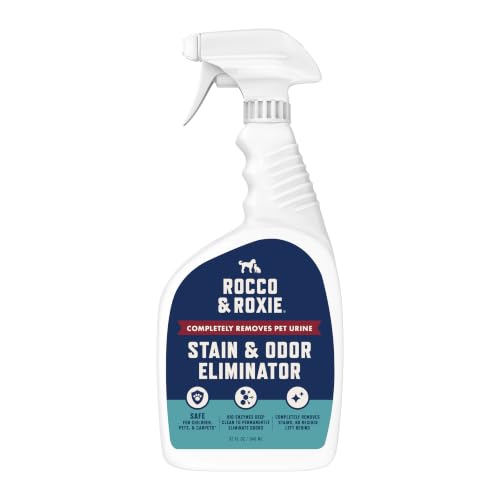
- Certified Gentle & Safe Pet Carpet Cleaner Solution: Chlorine free, color safe, no hazardous propellants or residue; safe to use around pets and children; certified safe for all carpets with a Seal of Approval by the Carpet and Rug Institute (CRI)
It’s enzyme-based, baby-safe, and works on both the protein and fat in formula without bleaching or damaging carpet fibers.
What to Do Immediately (Fresh Stain)
Speed matters here. The faster you act, the less the protein has time to bond to the fibers.
Step 1: Blot, don’t rub
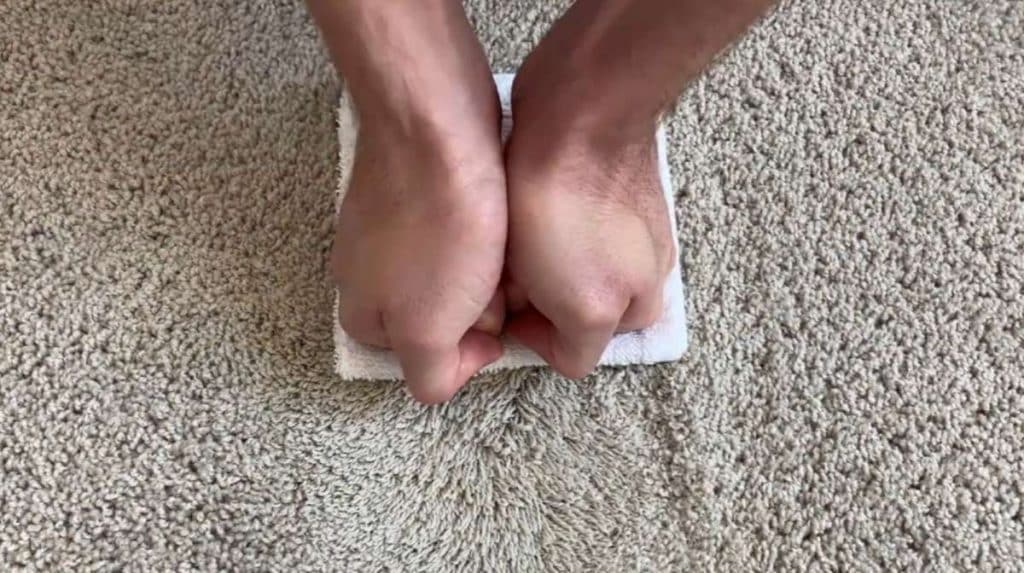
Rubbing pushes the formula deeper into the carpet pile and can fray the fibers. Blotting lifts it out.
Grab a clean white cloth or paper towel and blot up as much of the formula as possible. Always blot from the outside edge inward, so you don’t spread the stain further.
Step 2: Rinse with cold water
Pour a small amount of cold water over the stain, then blot again. Cold water is important here. Hot water will actually cook the protein and lock it into the fibers permanently, making removal much harder.
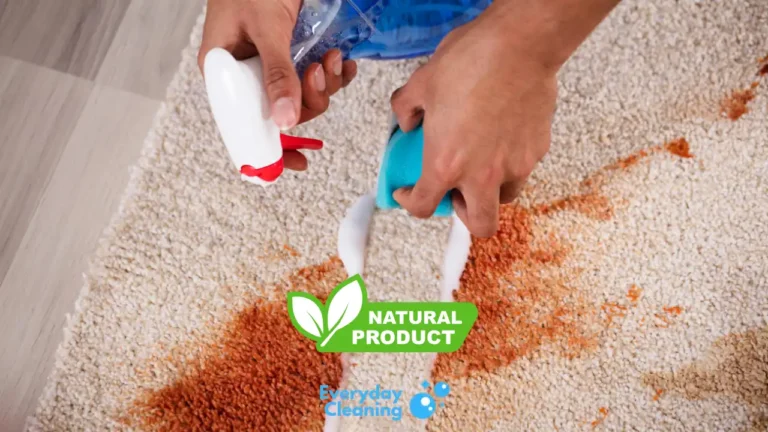
Step 3: Apply a cleaning solution
You have a few options depending on what you have on hand:
- Dish soap + cold water: Mix 1 teaspoon of liquid dish soap (like Dawn) with 1 cup of cold water. The dish soap works on the fat content in the formula.
- White vinegar solution: Mix equal parts white vinegar and cold water. Vinegar helps neutralize the protein and any odor.
- Enzyme cleaner (best option): Apply Rocco & Roxie Oxy Stain Remover directly to the stain. Enzyme cleaners are specifically designed to break down protein-based stains at a molecular level, which is exactly what formula is. This is the most thorough option and the one I trust most around baby stuff.
Apply your chosen solution, let it sit for 3 to 5 minutes, then blot dry.
Step 4: Rinse and dry
Blot the area with clean water to remove any soap residue (leftover soap attracts dirt). Then press a dry towel over the spot and let it air dry completely. You can place a heavy book on the towel to help absorb more moisture.
How to Remove Dried Baby Formula Stains
Dried formula is tougher because the protein has already bonded to the fibers, but it’s still very doable.

Step 1: Loosen the dried residue
Scrape off any crusty or dried bits gently with a spoon or dull knife. Then vacuum up the loose particles. Don’t skip this step, you want to remove as much dry material as possible before adding any liquid.
Step 2: Rehydrate the stain
Dampen the stain with cold water and let it sit for a few minutes. This softens the dried protein and makes it easier to lift.
Step 3: Use an enzyme-based cleaner
This is where enzyme cleaners really shine. For dried stains especially, I go straight to Rocco & Roxie Oxy Stain Remover. The enzymes actively digest the protein molecules that have bonded to the fibers, which is something a general household cleaner simply can’t do as effectively.
Apply it generously, let it sit for 10 to 15 minutes (longer for older stains), then blot dry.
- Certified Gentle & Safe Pet Carpet Cleaner Solution: Chlorine free, color safe, no hazardous propellants or residue; safe to use around pets and children; certified safe for all carpets with a Seal of Approval by the Carpet and Rug Institute (CRI)
Step 4: Treat lingering grease
If there’s still a faint greasy mark after cleaning, sprinkle a small amount of baking soda over the area. Let it sit for 15 minutes to absorb the residue, then vacuum it up. Baking soda is a natural absorbent and deodorizer.
Step 5: Final rinse and dry
Blot with clean cold water, then dry thoroughly. Use a fan or open a window to speed up drying and prevent any mildew smell.
Quick Comparison: Cleaning Methods for Baby Formula Stains
| Method | Best For | Tackles Protein | Tackles Fat | Baby-Safe |
|---|---|---|---|---|
| Dish soap + cold water | Fresh stains | Partial | Yes | Yes |
| White vinegar solution | Fresh stains + odor | Yes | Partial | Yes |
| Enzyme cleaner (Rocco & Roxie) | Fresh and dried stains | Yes | Yes | Yes |
| Baking soda | Greasy residue + odor | No | Yes (absorbs) | Yes |
FAQ
Will baby formula stain carpet permanently?
Not if you treat it properly. Fresh stains are easy to remove. Even dried stains can be lifted with an enzyme cleaner and a little patience. The only time formula causes lasting damage is if it’s left untreated for a long time or cleaned with hot water, which sets the protein.
Can I use hot water to clean baby formula out of carpet?
No. Always use cold water. Hot water denatures the protein in formula and bonds it to the carpet fibers, making the stain much harder to remove.
What if the smell stays after cleaning?
Formula can leave a sour smell, especially if it wasn’t fully removed. An enzyme cleaner like Rocco & Roxie handles odor at the source by breaking down the organic material causing it. You can also sprinkle baking soda, leave it overnight, and vacuum the next morning.
Is it safe to use enzyme cleaners on carpet around babies?
Yes. Enzyme-based cleaners are generally considered safer than solvent-based or bleach-based products. Rocco & Roxie is a popular choice among parents specifically because it’s free of harsh chemicals. Just make sure the carpet is fully dry before letting babies back on it.
Does this method work on other formula stains like on fabric or upholstery?
The same principles apply. Blot fast, use cold water, and reach for an enzyme cleaner for stubborn or dried stains. Just check the care label on upholstery before applying any solution.