How to Get Grease Out of Carpet (Fresh, Dried Stains)

Table of Contents
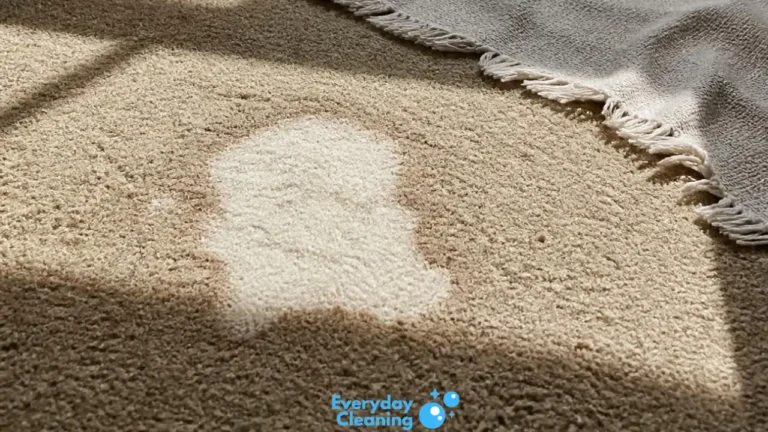
Grease stains are stubborn by nature. Grease is hydrophobic, meaning it actively repels water. Scrubbing with a wet cloth doesn’t dissolve it, it just spreads it wider and pushes it deeper into the pile. The method matters a lot here, and getting it wrong usually means the stain sets permanently.
I’ve tested a lot of approaches on grease over the years, from DIY fixes like dish soap and baking soda to commercial carpet cleaners. The one I come back to consistently is FOLEX Instant Carpet Spot Remover. It works faster, leaves no residue, and at its price point nothing else I’ve tried comes close. More on that as we go.
How to Remove Fresh Grease from Carpet
Speed matters. Fresh grease sits on top of the fibers at first. The longer you wait, the deeper it migrates.
Step 1: Blot, never rub
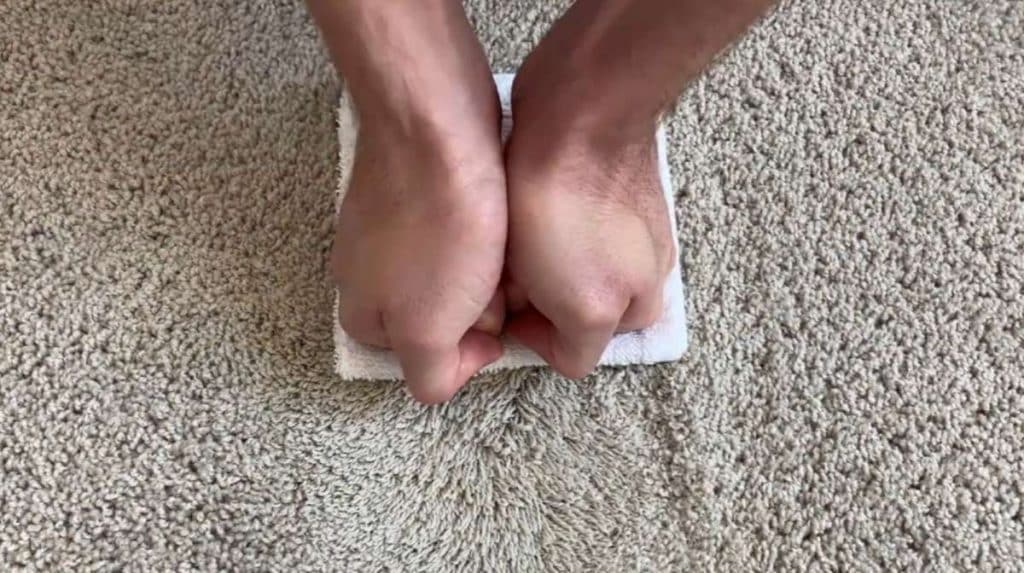
Lay a clean white cloth over the area and press firmly. Rubbing spreads the stain and damages the pile. You’re just lifting at this stage.
Step 2: Apply FOLEX

Apply FOLEX Instant Carpet Spot Remover directly onto the stain. Work it gently into the fibers with your fingers. No rinsing needed, no mixing, no waiting around. FOLEX breaks down the grease at a molecular level and releases it from the fibers without leaving any soapy residue behind that could attract new dirt.


- WORKS ACROSS MANY SURFACES – It safely lifts stains from upholstery, carpets, rugs, and other water-safe, colorfast materials. The formula is water based, non-flammable, and odor free for worry-free cleaning anywhere in your home.
No FOLEX on hand? Apply 1-2 drops of dish soap with a few drops of cold water, work it in gently, let it sit 3-5 minutes, then blot clean. Important: rinse the area thoroughly with cold water after, since leftover soap residue will keep pulling in dirt and make the spot look dirty again within days.
Step 3: Blot clean and dry
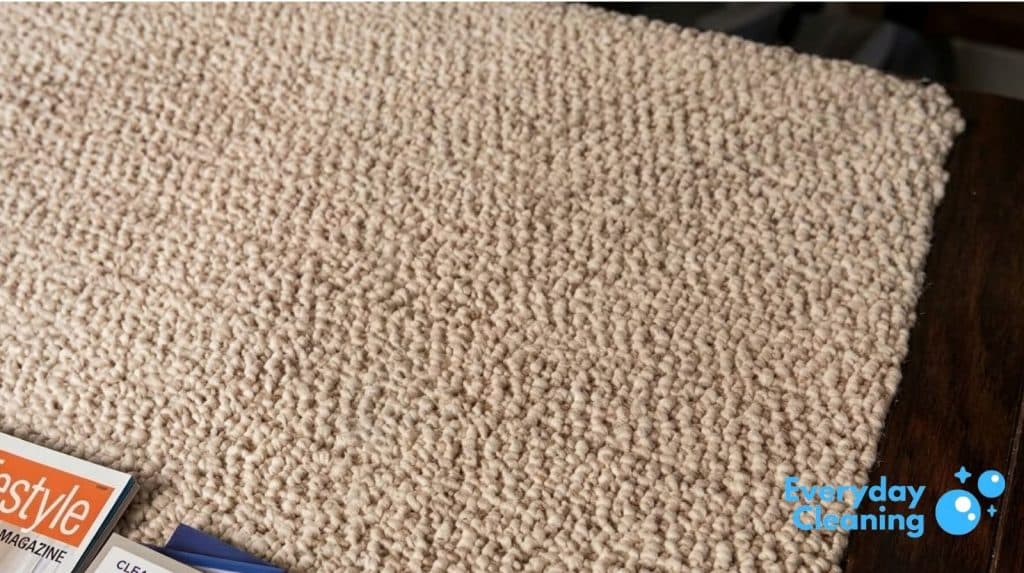
Using a fresh damp cloth, blot from the outside of the stain inward until nothing more transfers. Press a dry towel over the spot and leave it to dry fully. Fluff the fibers back up once dry.
How to Remove Dried Grease Stains from Carpet
Dried grease is harder but not impossible. The fat has had time to bond more firmly with the fibers, so you need to loosen it before cleaning.
Step 1: Break up the surface residue
Use a stiff brush or the back of a spoon to gently scrape any hardened grease off the surface. Vacuum up the loosened bits.
Step 2: Re-hydrate the stain with a solvent

Apply a small amount of rubbing alcohol to a clean cloth and dab it onto the stain. Alcohol acts as a solvent that helps dissolve hardened fat, making it easier to lift. Let it sit for 2-3 minutes. Note: always test rubbing alcohol in a hidden area first since it can affect some carpet dyes.
Step 3: Apply FOLEX and blot

Once the stain is loosened, apply FOLEX directly and work it in with your fingers. For older or thicker stains, let it sit for a minute before blotting. Repeat the application if needed. Because FOLEX works on both fresh and set stains, it handles this stage well without needing multiple different products.
- WORKS ACROSS MANY SURFACES – It safely lifts stains from upholstery, carpets, rugs, and other water-safe, colorfast materials. The formula is water based, non-flammable, and odor free for worry-free cleaning anywhere in your home.
No FOLEX? After the alcohol step, use the dish soap method: a small amount diluted with cold water, gentle agitation, blot clean, rinse well.
Step 4: Dry completely
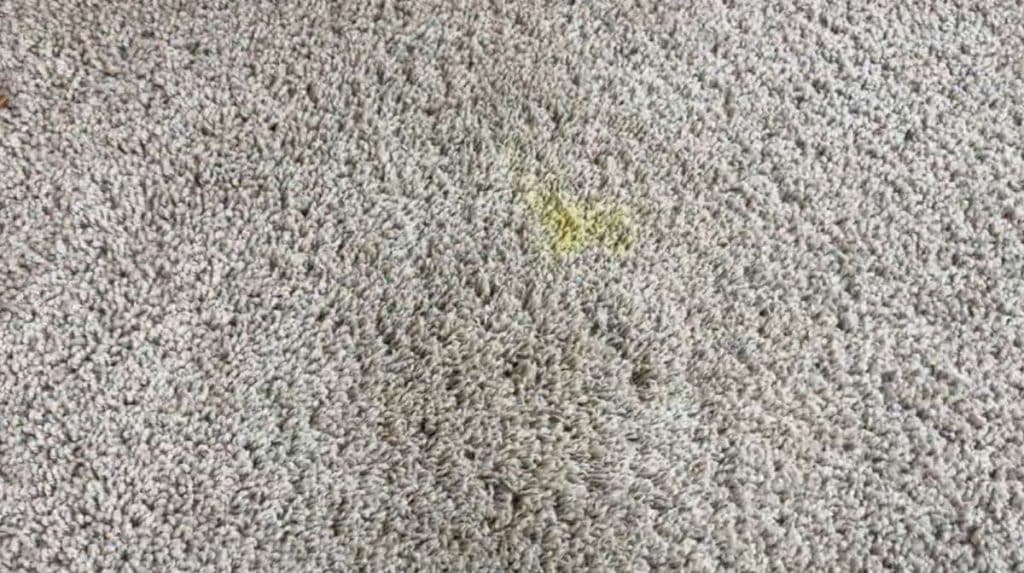
Press a dry towel over the area and let it air dry fully before walking on it.
Removing Heavy Grease Stains (Motor Oil and Thick Residue)
Motor oil, axle grease, and cooking oil tracked in from outside are a different level of challenge. These are dense, thick, and often contain additional compounds that make them harder to shift.
Step 1: Scrape and absorb aggressively
Use a spoon or dull knife to remove as much surface grease as possible. Then apply a thick layer of baking soda or cornstarch, press it lightly into the stain, and leave it for at least 30 minutes, or overnight for really heavy deposits. The longer it sits, the more grease it draws out. Vacuum thoroughly.
Step 2: Apply a degreaser
For heavy grease, a dedicated degreaser outperforms dish soap. A small amount of WD-40 applied to the stain sounds counterintuitive but actually works by displacing the thicker grease and making it easier to lift, since like dissolves like. Apply, let sit for 5 minutes, then blot away.
Follow immediately with the next step to clean up the WD-40 residue.
Step 3: Apply FOLEX to clean and finish
This is where FOLEX earns its place in the process. After the degreaser step, apply FOLEX to the area to clean up both the original grease and any degreaser residue in one go. Work it in, blot clean. Because it leaves no residue itself, you end up with a genuinely clean spot rather than just a lighter stain.
For motor oil specifically, you may need two rounds of FOLEX application. That’s normal given the density of the stain.
- WORKS ACROSS MANY SURFACES – It safely lifts stains from upholstery, carpets, rugs, and other water-safe, colorfast materials. The formula is water based, non-flammable, and odor free for worry-free cleaning anywhere in your home.
Step 4: Rinse lightly and dry
If you used WD-40 or any solvent in the prior step, a light cold water rinse followed by thorough blotting is worth doing before the final dry. Then press a towel down and let the area dry completely.
A Note on Why I Use FOLEX for Grease
I’ve worked through a lot of carpet cleaners for oil-based stains over the years, commercial sprays, enzyme cleaners, DIY dish soap solutions, you name it. Some worked okay on light grease. Most left a residue that made the spot look grubby again within a week. A few did basically nothing on thicker stains.
FOLEX is what I keep coming back to. It works fast, requires zero rinsing, and a single bottle goes a long way since you don’t need much per application. For the price, it genuinely outperforms products that cost two or three times as much.
FAQ
Can I use dish soap alone to remove grease from carpet?
It can work on light, fresh grease if you use it sparingly and rinse thoroughly. The main risk is leftover soap residue attracting new dirt and making the spot reappear. FOLEX avoids this problem entirely since it leaves no residue.
Does baking soda actually remove grease or just absorb it?
Baking soda absorbs surface grease and pulls some of it out of the fibers, but it doesn’t dissolve or fully remove it on its own. Think of it as a prep step before your actual cleaner, not the cleaner itself.
Will rubbing alcohol damage my carpet?
It can affect certain dyes, particularly on wool or natural fiber rugs. Always test on a hidden area first. For delicate carpets, skip it and go straight to FOLEX, which is pH-neutral and safe for most fiber types.
Why does the grease stain come back after cleaning?
Usually this is soap residue that wasn’t fully rinsed out, which keeps pulling in dirt from foot traffic. It can also mean grease deeper in the pile wasn’t fully lifted. Re-clean with FOLEX, which leaves no residue, and the problem typically doesn’t repeat.
Can I use a steam cleaner on grease stains?
Not as a first step. Heat can set grease into fibers and make stains much harder to remove. Always treat the stain with a cleaner first and let it dry before any heat is applied.
Is FOLEX safe for all carpet types?
FOLEX is water-based, pH-neutral, and free of bleach and harsh solvents, making it safe for most carpet types including wool and natural fiber rugs. It’s one of the reasons I prefer it over solvent-based cleaners for everyday use.