How to Remove Dust from Upholstery (The Right Way)
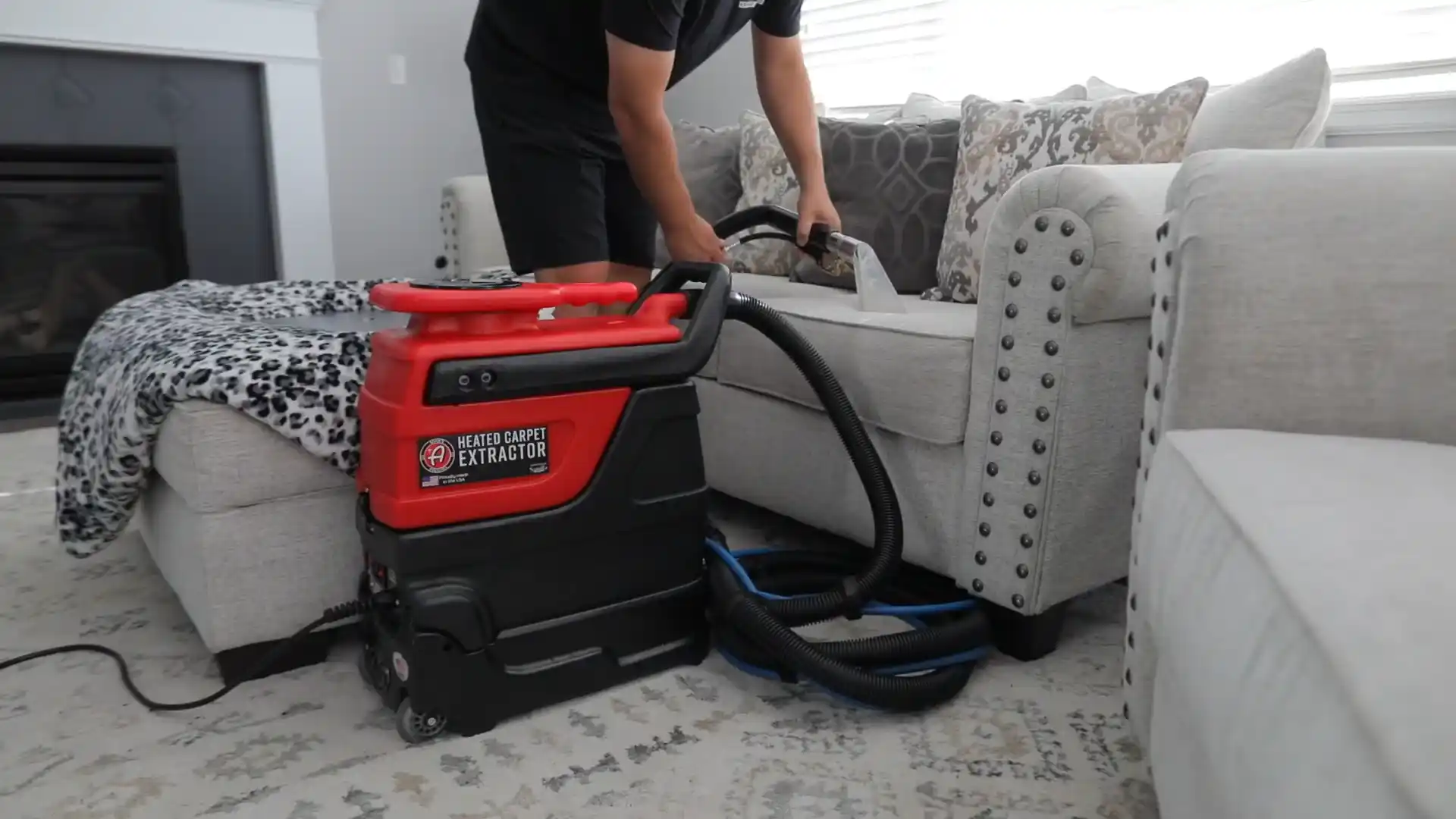
Dusting upholstery is one of those tasks most people do wrong, not because it is complicated, but because fabric holds dust differently than a hard surface. Here is what actually works.
Why Upholstery Collects So Much Dust
Fabric weaves trap fine particles that a quick wipe cannot reach. Every time you sit down, you push dust deeper into the material. Over time it builds up in the cushion fill, along seams, and inside tufted areas where air movement barely reaches.
This is also why vacuuming the surface alone is not enough. The dust that causes allergy symptoms is mostly the stuff sitting below the visible layer.
What You Need
You do not need anything fancy. Most of what works is already at home or costs very little:
- Vacuum with an upholstery attachment
- Soft-bristle brush
- Lint roller
- Baking soda (optional, for odor)
If you have a handheld vacuum with good suction, that is the most useful single tool here. A full-size vacuum with a soft brush attachment works just as well.
Step 1: Check the Fabric Care Tag
Before doing anything, find the tag on your sofa or chair. It will have a letter code:
- W — water-safe. You can use slightly damp methods if needed.
- S — solvent only. Dry cleaning methods only. No water.
- W/S — both are fine.
- X — vacuum only. No liquid, no solvent.
For dust removal specifically, you are mostly working dry, so this matters less than for stain removal. But it is worth knowing before you reach for anything wet.
Step 2: Loosen the Dust First
Do not go straight to the vacuum. Loose dust sitting deep in the fabric will not lift out with suction alone if it has compacted over time.
Use a dry soft-bristle brush or the back of a clean rubber glove and brush the surface in short strokes. Work against the grain of the fabric first, then with it. This agitates the particles and brings them to the surface where the vacuum can actually reach them.
For tufted sofas or cushions with piping and seams, use a dry paintbrush to work into those crevices before vacuuming.
Step 3: Vacuum Thoroughly
This is the core step. Use the upholstery attachment on your vacuum, not the hard floor head. The soft brush attachment lifts fibers gently while pulling dust through.
Work in overlapping passes, moving slowly. Fast passes miss a lot. Go over each section at least twice, once in each direction.
Pay attention to:
- Seams and piping — dust accumulates here and the attachment often skips over it. Press lightly into the seam as you pass.
- Under cushions — remove cushions completely and vacuum the base beneath them. This area collects as much dust as the seat surface.
- The back and sides — easy to skip, but dust settles on vertical surfaces too.
- Cushion edges and zips — run the attachment slowly along every edge.
If you do not have an upholstery attachment, a handheld vacuum works well for this. For a focused tool for this kind of job, see our picks for best handheld vacuum cleaners.
Step 4: Use a Lint Roller or Rubber Glove for Fine Particles
After vacuuming, fine dust and short fibers often remain on the surface. A lint roller picks these up quickly. A damp rubber glove dragged across the fabric does the same thing and works especially well on microfiber.
This step takes two minutes and makes a visible difference, especially on darker fabrics where fine dust shows up as a gray film.
Step 5: Optional Baking Soda Treatment
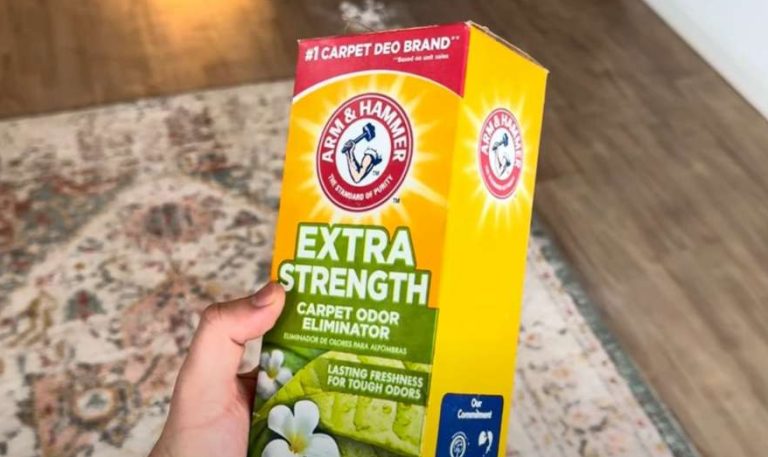
If the upholstery smells musty or has not been cleaned in a while, sprinkle a light layer of baking soda over the surface after brushing. Let it sit for 15 to 20 minutes. The baking soda absorbs odors and helps lift fine dust particles to the surface.
Vacuum it off thoroughly. Make sure to get all of it out or it leaves a faint white residue on darker fabrics.
This works well on sofas and fabric chairs. Skip it on velvet or delicate weaves where the powder can get trapped in the pile.
How Often Should You Dust Upholstery?
A quick vacuum once a week keeps dust from compacting. A full clean with the brush-then-vacuum method once a month is enough for most households.
If you have pets, vacuum twice a week minimum. Pet dander and hair act as a carrier for dust and allergens. It builds up much faster than in a pet-free home. For that situation, a vacuum with proper filtration makes a real difference. See best vacuum cleaners with HEPA filters for options that actually capture fine particles instead of recirculating them.
Special Situations
Velvet and Delicate Fabrics
Do not brush velvet against the pile direction. It crushes the fibers and leaves marks. Use a soft attachment only, and move with the pile direction. Skip the baking soda entirely.
For antique or fragile upholstery, the safest method is low-suction vacuuming with a soft brush attachment only. No agitation.
Heavily Dusty Upholstery (After Renovations or Long Storage)
If furniture has been in storage or in a dusty space after renovation work, start by taking cushions outside and beating them against a wall or railing to knock out the bulk of the dust first. Then bring them back in for the full brush-and-vacuum treatment.
Doing this indoors just redistributes the dust into the air and onto surrounding surfaces.
Pet Hair Mixed with Dust
Pet hair makes the job harder because it tangles in fabric fibers and resists the vacuum. Use a rubber glove or rubber brush first to pull the hair into clumps, then vacuum. Trying to vacuum pet hair directly off fabric without this step is slow and often ineffective.
For dedicated tools for this problem, see our roundup of the best vacuum for pet hair on couch.
When to Use a Steam Cleaner Instead
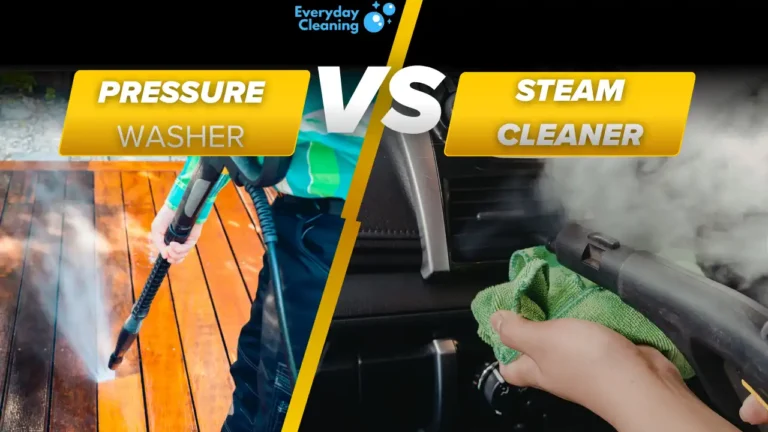
Steam cleaning is not a dust removal method. It is for sanitizing and lifting stains. For general dust, vacuuming is faster, safer for the fabric, and more effective at pulling particles out rather than pushing moisture in.
That said, if your upholstery needs a deeper refresh after dusting, a handheld steam cleaner used after vacuuming can sanitize the surface and kill dust mites. Check the fabric tag first. W or W/S coded fabrics handle steam well. S or X coded fabrics do not.
For steam options suited to upholstery, see best handheld steam cleaner for upholstery.
Frequently Asked Questions
Can I use a regular vacuum without an upholstery attachment?
You can, but results are worse. The hard floor head or carpet head does not conform to the fabric surface well and can snag on loose threads. If you vacuum upholstery regularly, a dedicated soft brush attachment is worth having. Most vacuums include one. If yours did not, universal attachments are cheap and widely available.
Does baking soda damage upholstery?
Not on most fabrics, but it can get stuck in deep pile or velvet and is hard to fully remove. Use it lightly and vacuum thoroughly. On fabric coded W or W/S, it is generally safe. On delicate or X-coded materials, skip it.
How do I get dust out of a fabric sofa without a vacuum?
A dry rubber glove dragged across the surface picks up surface dust and fine particles reasonably well. A lint roller works for the top layer. A stiff dry brush can loosen deeper dust. None of these are as effective as vacuuming, but they work in a pinch.
Why does my upholstery still look dusty after vacuuming?
Usually because the dust was not agitated before vacuuming. Compacted dust below the surface does not lift with suction alone. Try the brush step first, then vacuum. Also check that your vacuum’s filter is clean. A clogged filter cuts suction significantly, and fine dust is the first thing to suffer.
How do I remove dust from cushion fill, not just the surface?
You cannot reach it directly. The goal is consistent surface cleaning so dust does not work its way deeper over time. Washing removable cushion covers every few months helps. For non-removable cushions, the baking soda and thorough vacuuming method is as deep as you can practically go without professional cleaning.
Is dusting upholstery important for allergy sufferers?
Yes, significantly. Upholstered furniture is one of the highest concentrations of dust mites in most homes. Regular vacuuming with a HEPA-filtered machine reduces allergen levels noticeably over time. If allergies are a real concern, also look at best handheld vacuum for fine dust for tools built specifically for this problem.