How to Remove Orange Juice Stains from Carpet

Table of Contents
Spilling orange juice on your carpet happens to the best of us. But here’s what most people don’t realize: the real problem isn’t the orange color—it’s the sticky sugar residue left behind. This sugary film acts like a magnet for dirt and dust, making your stain darker and more noticeable over time if you don’t handle it properly.
The First 60 Seconds Matter
If the juice just spilled, you’ve got a golden opportunity to remove it completely. Here’s what to do right now:
Grab a clean white cloth or paper towel and blot from the outside edges toward the center of the stain. Never rub or scrub—this pushes the juice deeper into the carpet fibers. Dampen another clean cloth with cold water and gently press it onto the stain to dilute the juice. Then blot dry with a fresh towel. Repeat this dampening and blotting process 2-3 times. You should see the orange color transferring to your cloth.
How to Remove Orange Juice Stains While They’re Still Wet
Step 1: Blot Up Excess Liquid
Use clean white cloths or paper towels to absorb as much juice as possible. Work from the outer edges inward to prevent the stain from spreading. Keep blotting until your towel comes away nearly dry.
Step 2: Apply a Cleaning Solution
Method 1: White Vinegar + Dish Soap (Most Effective for Fresh Stains)

I’ve tested several approaches for removing orange juice stains, and this homemade solution consistently delivers the best results. The vinegar breaks down the sugar while the dish soap lifts the stain.
What You’ll Need:
- 1 cup warm water
- 1 tablespoon white vinegar
- 1/2 teaspoon liquid dish soap (Dawn works great)
- Clean white cloths
- Spray bottle (optional)
Step-by-Step Instructions:
- Mix the warm water, vinegar, and dish soap in a bowl or spray bottle.
- Dampen a clean cloth with the solution—don’t soak it.
- Blot the stained area gently, working from the outside in.
- Let the solution sit for 3-5 minutes to break down the sugar.
- Blot with a dry cloth to absorb the solution and dissolved stain.
- Repeat until the orange color is gone.
Method 2: Club Soda
If you don’t have the ingredients for Method 1, club soda works surprisingly well for fresh orange juice stains.
What You’ll Need:
- Club soda (must be fizzy)
- Clean white cloths
Instructions:
- Pour a small amount of club soda directly onto the stain.
- Let it fizz for 30 seconds.
- Blot thoroughly with a clean cloth.
- Repeat 2-3 times until the stain lightens significantly.
Step 3: The Crucial Rinsing Step—Don’t Skip This!
This is where most people make a critical mistake. After using vinegar or soap, you MUST rinse away all residue. If you skip this, the leftover sugar and cleaning solution will attract dirt like a magnet, creating a dark, dingy spot that reappears within days.
How to Rinse Properly:
- Fill a spray bottle with plain cold water (or dampen a clean cloth).
- Lightly mist or blot the cleaned area with fresh water.
- Immediately blot dry with clean towels.
- Repeat this water-rinse-and-blot process 3-4 times.
- Press dry towels firmly into the carpet to absorb as much moisture as possible.
- Let the area air dry completely, or speed up drying with a fan.
How to Remove Orange Juice Stains That Have Dried or Set In
Dried orange juice stains are tougher because the sugar has crystallized and the pigment has bonded with your carpet fibers. But don’t worry—they’re not permanent. I’ve tested both store-bought products and DIY methods, and I’m sharing them in order from most to least effective.
Step 1: Reactivate the Stain
You need to soften the dried sugar before you can remove it.
- Mix equal parts warm water and white vinegar in a spray bottle.
- Lightly spray the dried stain—don’t drench it.
- Let it sit for 10-15 minutes to loosen the sugar and pigment.
- Blot with a clean cloth to remove loosened residue.
Step 2: Apply a Heavy-Duty Cleaning Solution
Method 1: Folex Instant Carpet Spot Remover (Most Effective for Set-In Stains)

I’ve tested countless carpet cleaning products, and Folex consistently outperforms everything else for stubborn stains like dried orange juice. It breaks down the sugar and pigment from within the fibers, requires no rinsing, and works on most carpet types. This is the fastest, easiest route.

- WORKS ACROSS MANY SURFACES – It safely lifts stains from upholstery, carpets, rugs, and other water-safe, colorfast materials. The formula is water based, non-flammable, and odor free for worry-free cleaning anywhere in your home.
What You’ll Need:
- Folex Instant Carpet Spot Remover
- Clean white cloths
- Soft brush (optional)
Instructions:
- Shake the Folex bottle well.
- Saturate the dried stain completely—don’t be shy with the product.
- Agitate gently with a soft brush or cloth to work it into the fibers.
- Let it sit for 3-5 minutes.
- Blot thoroughly with a clean, dry cloth.
- For stubborn stains, repeat the process.
- No rinsing needed—the formula is designed to dry clean.
Method 2: Hydrogen Peroxide + Baking Soda (Powerful DIY Option)
This homemade solution rivals commercial products in effectiveness. Hydrogen peroxide acts as a mild bleach that breaks down the orange pigment, while baking soda absorbs odors and helps lift the stain.
What You’ll Need:
- 1/2 cup 3% hydrogen peroxide
- 2 tablespoons baking soda
- 1/2 teaspoon liquid dish soap
- Clean cloths
- Soft brush
Instructions:
- Mix the hydrogen peroxide, baking soda, and dish soap in a bowl. It will fizz—that’s normal.
- Test this solution in a hidden area of your carpet first (see warning below).
- Apply the mixture to the dried stain using a cloth or spray bottle.
- Gently work it into the fibers with a soft brush.
- Let it sit for 10-15 minutes. You may see bubbling as it works.
- Blot thoroughly with a damp cloth to remove the solution.
- Rinse the area with plain water (as described in Step 3 above).
- Blot dry and let air dry completely.
⚠️ WARNING: Hydrogen peroxide is a mild bleach that can lighten carpet colors. ALWAYS spot-test in an inconspicuous area first. DO NOT use on wool or silk carpets.
Method 3: Ammonia Solution (For Extremely Stubborn Stains)
This is the nuclear option for orange juice stains that won’t budge. Ammonia is excellent at breaking down sugar-based stains and lifting set-in pigments.
What You’ll Need:
- 1 tablespoon clear ammonia (not sudsy)
- 1 cup warm water
- Clean white cloths
- Rubber gloves
Instructions:
- Open windows for ventilation—ammonia has strong fumes.
- Wear rubber gloves.
- Mix the ammonia and warm water in a bowl.
- Dampen a cloth with the solution (don’t oversaturate).
- Blot the stain, working from the edges inward.
- Let sit for 5 minutes.
- Blot with a clean, damp cloth.
- Rinse thoroughly with plain water (multiple times).
- Blot dry and air out the room.
⚠️ NEVER mix ammonia with bleach or products containing bleach—this creates toxic fumes.
Frequently Asked Questions
Can I use hot water to remove orange juice stains?
No, stick with cold or lukewarm water. Hot water can actually set the stain by bonding the sugars and pigments more firmly to your carpet fibers. Always start with cold water for the initial blotting.
Why does my orange juice stain keep coming back?
This happens when sugar residue remains in the carpet. The sticky sugar attracts dirt and dust, which darken the area over time. Make sure you thoroughly rinse the area with plain water after using any cleaning solution to remove all sugar and soap residue.
Will orange juice permanently stain my carpet?
Not if you treat it properly. Fresh orange juice stains are highly removable. Even dried stains can be eliminated with the right approach, though they require more effort. The key is addressing both the pigment and the sugar.
Can I use a carpet cleaner machine?
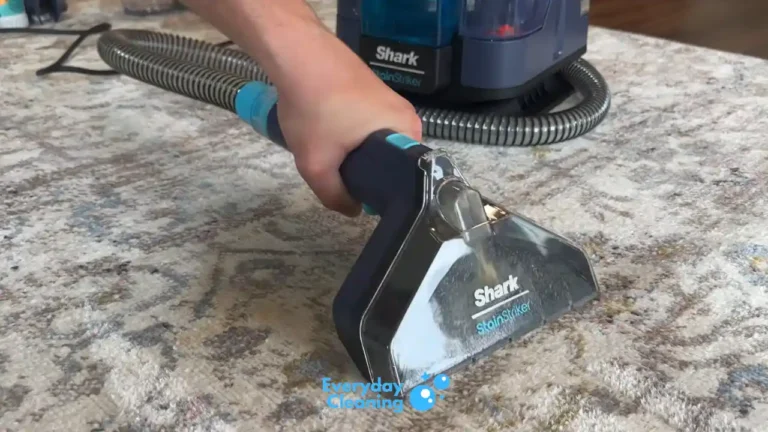
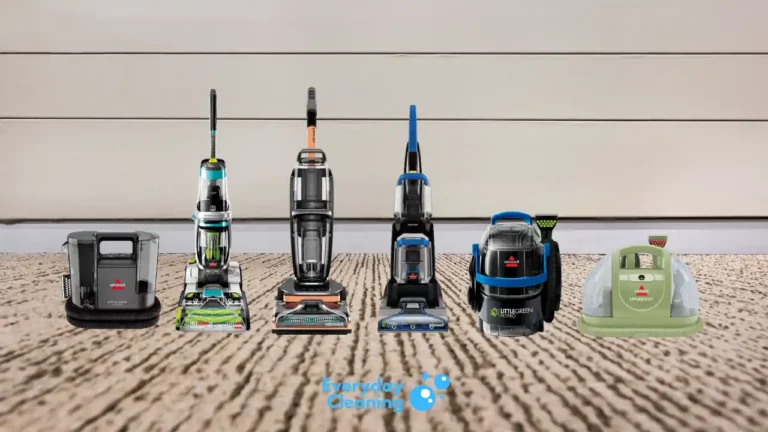
Yes, a carpet cleaning machine can be very effective, especially for large spills or multiple stains. Use it after you’ve pre-treated the stain with one of the methods above. Make sure to use clean water for the final rinse cycle to remove all sugar residue.
Is baking soda alone enough to remove orange juice stains?
Baking soda can help absorb moisture and odors, but it won’t effectively remove the stain or sugar on its own. It works best when combined with hydrogen peroxide or used as part of a complete cleaning solution.