How to Vacuum a Mattress (The Right Way, Step by Step)
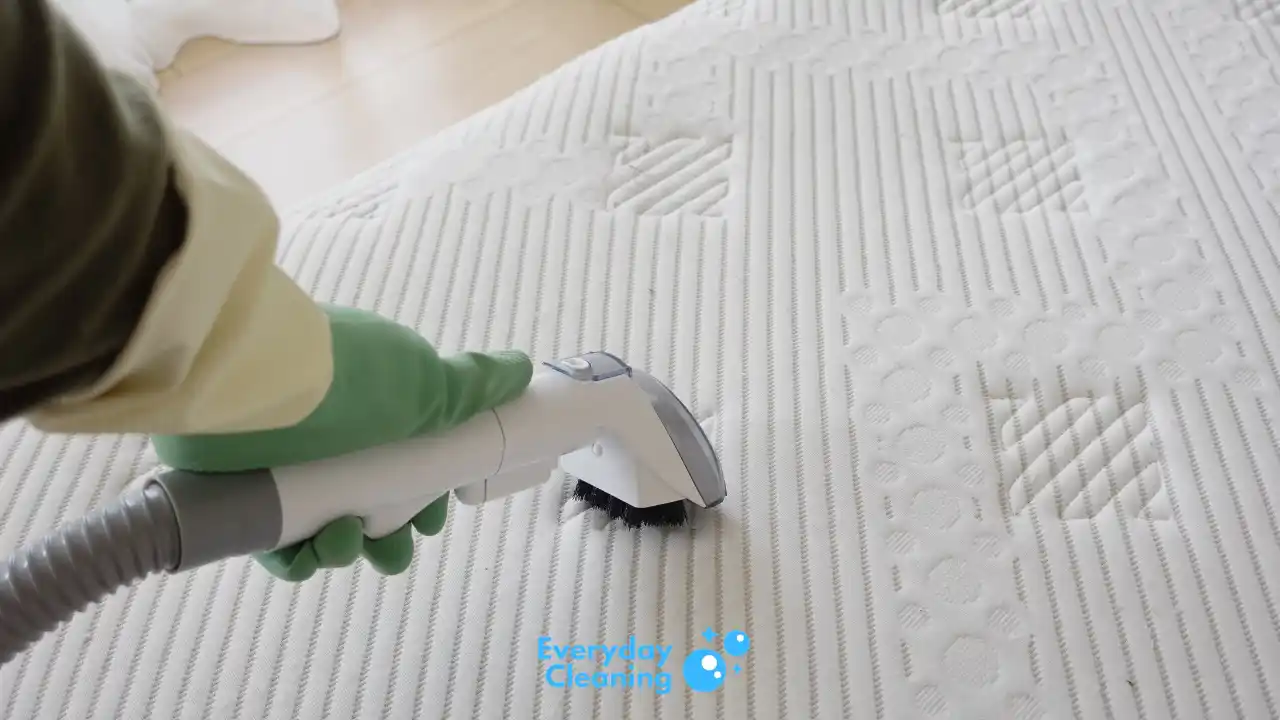
Your mattress collects dead skin cells, dust mites, pet dander, and allergens every single night. Vacuuming it regularly is one of the easiest ways to cut down on what you’re breathing in while you sleep.
What You’ll Need
You do not need any special equipment. A regular upright or canister vacuum works fine, as long as you have the right attachments on hand.
Here is what to grab before you start:
- Your vacuum with an upholstery attachment or a wide brush tool
- A crevice tool for the seams and edges
- Baking soda (optional, for odor)
The upholstery attachment is the most important piece here. It is wide, flat, and gentle on fabric. The bristles help loosen debris without pulling at the mattress surface. Do not try to vacuum a mattress with just the floor head. You will miss half of what you are trying to remove.
If you deal with pet hair regularly, a handheld vacuum for fine dust can also work well for spot-cleaning the top surface before you go over it with the full vacuum.
How to Vacuum a Mattress: Step by Step
Step 1: Strip the Bed Completely
Pull off the sheets, pillowcases, mattress pad, and any protector. Toss them in the wash while you work.
This is not just for access. Washing your bedding at the same time as you vacuum the mattress means you are not putting dusty sheets back on a freshly cleaned surface.
Step 2: Let the Mattress Air Out
Give it five to ten minutes before you start vacuuming. If you can open a window, do it.
Airing it out helps surface dust settle and makes it easier to pull up. It also helps with any trapped odors. If your mattress smells stale, sprinkle a light, even layer of baking soda over the top surface and let it sit for 15 to 30 minutes before vacuuming.
Step 3: Vacuum the Top Surface First
Attach the upholstery tool and start at the top of the mattress. Work in slow, overlapping rows from one side to the other.
Go slowly. A fast pass picks up loose surface dust. A slow pass has enough dwell time to pull up the finer particles sitting deeper in the fabric. Think of it like vacuuming carpet. Speed matters less than contact time. Overlap each row by an inch or two so you do not leave strips.
If you sprinkled baking soda earlier, this step will pull it up along with the odors it absorbed.
Step 4: Pay Attention to the Seams and Edges
Switch to the crevice tool for the border of the mattress and the stitched seams along the top.
Dust mites, skin flakes, and pet hair pile up in the seams. They get pressed in and are impossible to reach with a flat attachment. Run the crevice tool along every seam slowly. Go around all four sides of the mattress top before you move on.
Step 5: Vacuum the Sides
A lot of people stop at the top and call it done. The sides of the mattress collect just as much debris, especially if pets sleep on the bed or you sit on the edge often.
Use the upholstery tool again and work down each side in slow vertical strokes. Do the foot of the bed and the head of the bed as well.
Step 6: Flip or Rotate If Applicable
If your mattress is double-sided (flippable), flip it and repeat steps 3 through 5 on the other side.
Most modern memory foam and hybrid mattresses are one-sided. Check your mattress tag if you are not sure. Even if you cannot flip it, rotate it 180 degrees every three months so you are sleeping on different sections over time.
Step 7: Let Everything Dry Before Making the Bed
If you used baking soda, make sure you vacuumed it all up. Run a hand over the surface. Nothing should feel gritty.
Let the mattress sit uncovered for another five minutes while your sheets are still in the wash. Then put everything back on fresh.
How Often Should You Vacuum a Mattress?
Once a month is a solid target for most households. If you have pets that sleep in the bed, every two to three weeks is better.
If anyone in your home has allergies or asthma, monthly vacuuming makes a real difference. Dust mites are a major allergy trigger and they live in mattresses. Regular vacuuming does not eliminate them completely, but it cuts down the population significantly. If allergies are a concern, it is also worth looking at what vacuum you are using. Our guide to the best vacuums for pet hair on couches covers several models with strong upholstery suction that work just as well on mattresses.
What Vacuum Attachments Work Best?
Upholstery Attachment
This is your primary tool for the mattress surface. It is wide, flat, and designed for fabric. Most vacuums include one. If yours does not, a basic universal upholstery tool fits most brands and costs under $15.
Crevice Tool
Essential for the seams. Nothing else reaches into the stitched borders the way a crevice tool does. Use it on every seam, edge, and side border.
Motorized Brush Roll Attachment
Some vacuums come with a small motorized brush head designed for upholstery. If yours has one, this is the best option for the top surface. The spinning brush loosens embedded debris before the suction pulls it up. Especially useful for pet hair that is worked into the fabric.
Brush Tool (Soft)
The soft round brush attachment works well for the sides of the mattress. It is gentler than the crevice tool and covers more surface area quickly.
Tips for Better Results
Vacuum in two directions. After your first pass going left to right, do a second pass going top to bottom. This cross-hatching technique catches debris that your first pass pressed down or missed.
Go over problem areas twice. If you can see visible debris, dust, or pet hair on the surface, go over that section a second time before moving on.
Use strong suction. If your vacuum has adjustable suction, use a higher setting for the mattress. The surface is fabric over foam, not delicate. High suction pulls more out.
Change your vacuum filter first. If your filter is clogged, suction drops. A clean filter means better performance on every surface, including your mattress. If you have a HEPA filter, tap it out or replace it before you start.
Do not use a wet attachment. Moisture is bad for mattresses. Stick to dry vacuuming. If there is a stain to deal with, that is a separate job involving a spot cleaner, not the vacuum.
Should You Use a Handheld Vacuum?
A handheld vacuum is a good option for quick in-between cleanings. If you notice pet hair or visible debris on the mattress and do not have time for a full session, a handheld gets you most of the way there in two minutes.
It is not a substitute for a full vacuum with the upholstery attachment. A handheld does not have the suction or the attachment range to clean the seams or sides properly. But for weekly spot-cleaning between monthly deep sessions, it works well. If you are looking for options, our roundup of the best handheld vacuums for stairs includes compact models with strong suction that handle upholstery just as well.
Does Vacuuming Remove Dust Mites?
Vacuuming reduces the dust mite population in your mattress but does not eliminate it. Dust mites are tiny and live deep in the fabric. Regular vacuuming removes a significant portion of them along with their waste, which is the actual allergen.
If you want to go further, a UV-C vacuum attachment kills mites on contact. These are sold separately and designed specifically for mattresses and upholstery. They are worth considering if anyone in your home has severe allergies. Combined with regular vacuuming, they are the most effective non-chemical approach.
Washing your bedding weekly at 130 degrees Fahrenheit or higher also kills dust mites. Vacuuming the mattress and hot-washing the sheets together is the most effective routine.
Frequently Asked Questions
Can I vacuum a memory foam mattress?
Yes. Memory foam is fine to vacuum with an upholstery attachment. Just do not press hard or use a brush with stiff bristles. Light pressure and a flat attachment work well. Memory foam is more delicate than innerspring, so skip any rotating brush heads on the surface.
How long does it take to vacuum a mattress?
A full vacuum session including the top, seams, and sides takes about 10 to 15 minutes for a queen size mattress. If you are using baking soda first, add another 15 to 30 minutes for it to sit before you start.
Do I need a HEPA filter vacuum to remove dust mites?
A HEPA filter helps by trapping the fine particles your vacuum pulls up, including mite waste, instead of blowing them back into the air. It is a worthwhile feature if allergies are a concern. If your vacuum does not have one, vacuuming still helps. You are just not capturing everything at the finest level.
Can I vacuum a wet mattress?
No. Vacuuming a wet or damp mattress with a regular vacuum can damage the motor and spread moisture further into the foam. If your mattress got wet, absorb as much as possible with dry towels first, then let it air dry completely before vacuuming. A wet/dry shop vac is the right tool for moisture removal, not a household vacuum.
How do I get pet hair off a mattress before vacuuming?
A rubber glove or a lint roller picks up pet hair before you vacuum, which makes the job much easier. Rub the glove across the surface with a little static, and the hair clumps up. Then vacuum over it all. Pet hair that is embedded in the fabric is harder to remove. A motorized brush attachment handles it better than a flat upholstery tool. Our guide on vacuuming pet hair from couches covers this in more detail, and most of those tips apply to mattresses as well.
Is it worth buying a separate mattress vacuum?
Dedicated mattress vacuums exist and they are good. They typically combine UV-C light, a motorized brush head, and strong suction specifically sized for mattresses. If you or someone in your home has serious allergies, a dedicated mattress vacuum is worth looking at. For most people, a good upright or canister with an upholstery attachment does the job fine.
How do I know if my mattress needs vacuuming more often?
Visible debris, a dusty smell when you change the sheets, or increased allergy symptoms at night are all signs you need to vacuum more frequently. If pets sleep on the bed, a two-week schedule makes more sense than monthly. You can also run your hand across the mattress surface. If you see or feel dust, it is time.