How to Vacuum a Couch the Right Way (Step by Step)
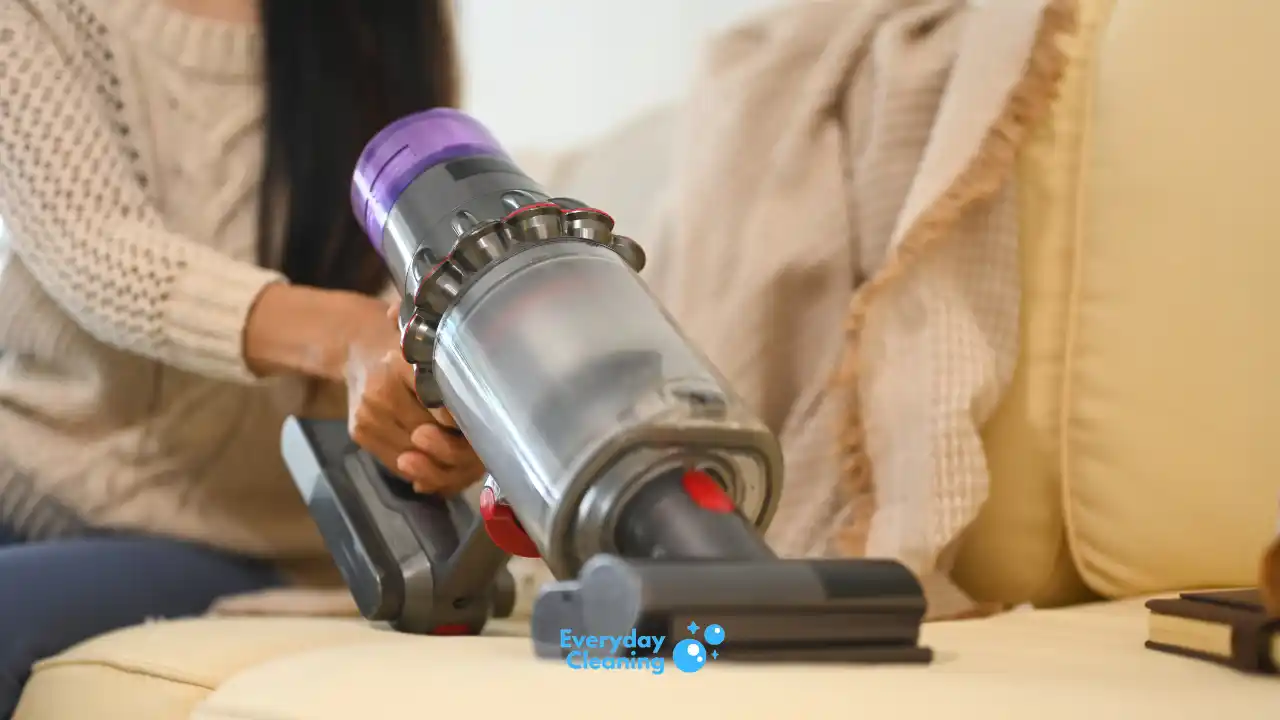
Your couch collects crumbs, pet hair, dust, skin cells, and allergens faster than almost any other piece of furniture in your home. Vacuuming it regularly is the single most effective maintenance step you can take.
What You Need Before You Start
You do not need anything special. A regular vacuum with a couple of attachments handles the job well.
Here is what to grab:
- Vacuum with an upholstery attachment (wide, flat brush head)
- Crevice tool for seams and between cushions
- Soft brush attachment for delicate fabrics
- Lint roller or rubber glove (optional, for pet hair pre-treatment)
- Baking soda (optional, for odor)
The upholstery attachment is the most important piece. It is flat, wide, and gentle on fabric. Do not try to vacuum a couch with just the floor head. You will not get good coverage and the bristles on a floor brush can snag fabric.
How to Vacuum a Couch: Step by Step
Step 1: Check the Fabric Care Tag
Before you start, look for the care label on your couch. It is usually tucked under a cushion or on the frame underneath.
The codes tell you what cleaning methods are safe:
- W = Water-based cleaning safe
- S = Solvent only (dry cleaning)
- W/S = Either method is fine
- X = Vacuum only, no liquids
For vacuuming, this mostly matters if you plan to follow up with any kind of spot cleaning. The vacuuming itself is safe on any code. Good to know before you start.
Step 2: Remove All Cushions
Pull off every removable cushion and set them aside. This gives you full access to the frame underneath.
Loose cushions get vacuumed separately. The frame, base, and crevices under where the cushions sit are usually the dirtiest parts of the whole couch. Crumbs, hair, and debris fall through constantly and sit down there untouched.
Step 3: Vacuum the Frame and Base First
Start with the parts people skip. Use the crevice tool and run it along every seam where the base meets the sides, the back corners, and the fold where the cushion platform meets the back.
Go slowly. These areas pack in debris that has been building up for months. If you have pets, this is where the majority of their hair ends up. Switch to the upholstery attachment and vacuum the flat surfaces of the base and back of the frame in slow, overlapping strokes.
If you deal with a lot of pet hair on upholstered furniture, our roundup of the best vacuums for dog hair on couch covers which models handle embedded fur the best.
Step 4: Vacuum Each Cushion Separately
Take each cushion one at a time. Vacuum the top surface first, working in slow overlapping rows with the upholstery attachment. Then do the sides and the bottom.
Flip cushions that are double-sided and vacuum the other face too. Pay attention to the edges and piping. A lot of debris clings along seams. Use the crevice tool to run along every stitched seam on each cushion before you move on.
Step 5: Use the Crevice Tool on All Seams
This step is worth doing twice. Go back over every seam on the cushions and frame with the crevice tool.
The crevice tool reaches places the flat attachment cannot. The stitched borders around cushions, the zip area on removable covers, and the gap between the armrests and the seat base all collect a surprising amount of material. Take your time here.
Step 6: Vacuum the Back and Arms
The back of the couch and the armrests get vacuumed less often but collect plenty of dust, oils from skin contact, and pet hair.
Use the upholstery attachment and work top to bottom on the back. For the armrests, go in the direction of the fabric weave if it has a visible grain. On microfiber, work against the nap slightly and then smooth it back down with the attachment on a final pass.
Step 7: Baking Soda for Odor (Optional)
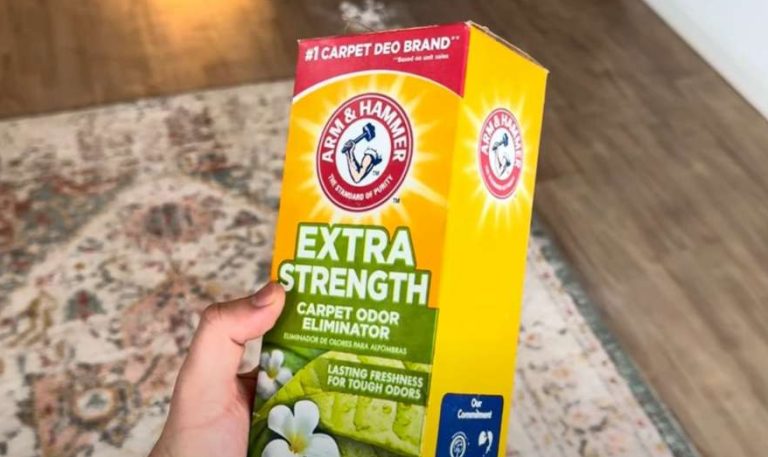
If your couch smells stale or like pets, sprinkle a light, even layer of baking soda over the cushions and frame before you start vacuuming. Let it sit for 15 to 20 minutes.
The baking soda absorbs odors that sit in the fabric. You then vacuum it all up in the steps above. Do not skip vacuuming it fully. Leftover baking soda leaves a powdery residue that feels gritty.
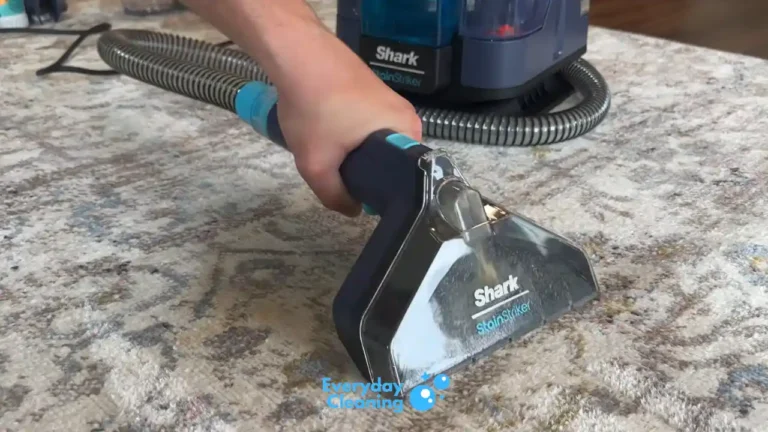
For deeper odor or hygiene issues, steam cleaning is more effective than baking soda. Our guide to how to clean a couch with a steam cleaner covers which fabrics are safe and how to do it without leaving water marks.
Fabric-Specific Tips
Microfiber
Microfiber holds onto pet hair and fine dust. The upholstery attachment works well here. After vacuuming, the fabric may look slightly matted. A soft brush or a clean dry cloth rubbed in circular motions brings the nap back up.
Do not press too hard with the vacuum. Microfiber compresses easily and you want the suction to do the work, not the pressure.
Velvet and Velour
Velvet requires a gentle touch. Use your softest brush attachment and keep suction on the lower side if your vacuum has adjustable settings.
Always vacuum in the direction of the nap. Going against it can crush the pile and leave marks that are hard to fix. Check after the first pass and adjust direction if you see streaks.
Linen and Cotton
These fabrics are more forgiving. The upholstery attachment at medium suction works fine. Watch for loose weave areas that might pull. If the fabric feels like it is being stretched by the suction, reduce the power.
Leather and Faux Leather
Leather does not need vacuuming the same way fabric does. Use a soft brush attachment on low suction for the surface, focusing on crevices and seams where dust and crumbs collect.
Do not use stiff bristle attachments on leather. Scratches happen fast. Stick to the softest attachment you have.
How Often Should You Vacuum a Couch?
Every one to two weeks is the right target for most households. If pets sleep on the couch, weekly is better.
Once a month is the minimum to prevent buildup that becomes hard to remove. Dust mites thrive in fabric furniture just like they do in mattresses. Regular vacuuming reduces their population significantly. If allergies are a concern at home, more frequent vacuuming helps. If you are dealing with dust mites specifically, it is worth reading about steam cleaners for dust mites as a complement to regular vacuuming.
The Best Vacuum Attachments for a Couch
Upholstery Attachment
Your primary tool. Wide, flat, and designed for fabric. Covers the most surface area per pass and is gentle enough for most materials.
Crevice Tool
Non-negotiable for seams and cushion gaps. Nothing else reaches into the tight areas where debris packs in. Use it on every seam before you consider the job done.
Motorized Mini Brush
Some vacuums include a small motorized turbo brush for upholstery. If yours has one, this is better than the flat upholstery tool for picking up pet hair. The spinning brush loosens embedded fur before the suction pulls it up. Worth using on fabric and microfiber.
Soft Round Brush
Good for delicate fabrics and leather. Lower contact pressure and softer bristles than the upholstery tool. Useful for velvet and velour.
Getting Pet Hair Off First
If your couch has a heavy coat of pet hair, vacuum it second. Pre-treat it first.
A rubber glove rubbed across the fabric creates static that clumps pet hair into removable clumps. Pick up the clumps by hand and toss them. Then vacuum normally. This order makes a big difference. Trying to vacuum heavy pet hair without pre-treating just moves it around. The upholstery attachment gets clogged faster and the suction drops.
A lint roller works for surface hair on smaller sections. A rubber brush with short stiff bristles also works well on microfiber and woven fabric. Our guide to the best vacuums for pet hair on couch goes into more detail on this if pet hair is a regular problem.
Handheld Vacuum vs. Full Vacuum
A handheld vacuum is great for quick daily maintenance between full sessions. If you spot pet hair or crumbs and want it gone in 60 seconds, a handheld gets it done.
It is not a substitute for a full vacuum session with the frame exposed. A handheld does not have the suction or attachment range to clean seams, the base, or under the cushions properly. Use it for spot-cleaning. Use the full vacuum for the monthly deep session.
Frequently Asked Questions
Can I vacuum a couch with a regular vacuum cleaner?
Yes, as long as you have the right attachments. The upholstery tool and crevice tool are what make a regular vacuum effective on a couch. Without them, you are just running the wrong head across fabric and missing most of the debris.
How do I vacuum a couch without spreading dust around?
Empty or replace your vacuum bag or canister before you start. A full bag or dusty filter blows particles back into the air instead of capturing them. A clean HEPA filter helps keep the exhaust clean. Work from top to bottom so any dislodged dust falls to lower surfaces you have not cleaned yet.
Can I use a steam cleaner instead of vacuuming?
Steam cleaning is not a replacement for vacuuming. It does not pick up dry debris like crumbs, hair, or dust. The right order is vacuum first, then steam clean if needed. Steam is better for sanitizing and stain removal. Vacuuming is better for debris removal. Together they cover everything.
How do I get a musty smell out of my couch after vacuuming?
Baking soda handles mild odor. Sprinkle it on, let it sit 20 to 30 minutes, then vacuum it up. For stronger or persistent smells, steam cleaning penetrates deeper into the fabric and neutralizes odors more effectively. If the smell is from pet accidents, you need an enzyme cleaner applied to the affected area before you do anything else.
Is it safe to vacuum a velvet couch?
Yes, with the right attachment and technique. Use the softest brush on low suction, and always vacuum in the direction of the nap. Going against it can crush the pile and leave visible marks. If you are unsure, test a small hidden area first.
How do I vacuum under the couch cushions without missing spots?
Baking soda handles mild odor. Sprinkle it on, let it sit 20 to 30 minutes, then vacuum it up. For stronger or persistent smells, steam cleaning penetrates deeper into the fabric and neutralizes odors more effectively. If the smell is from pet accidents, you need an enzyme cleaner applied to the affected area before you do anything else.
What if my vacuum loses suction halfway through?
Check the canister or bag first. Even if it is not full, built-up debris around the inlet can restrict airflow. Check the filter as well. A clogged filter drops suction quickly. Tap it out or rinse it (if washable) and let it dry before continuing. A blocked hose or attachment is the other common cause.