Is a Steam Mop Worth It? Steam vs. Traditional Mop Compared
Steam mops promise chemical-free cleaning and built-in sanitizing. I put one to the test against a traditional spin bucket mop to see if they actually hold up.
Table of Contents
What I Tested
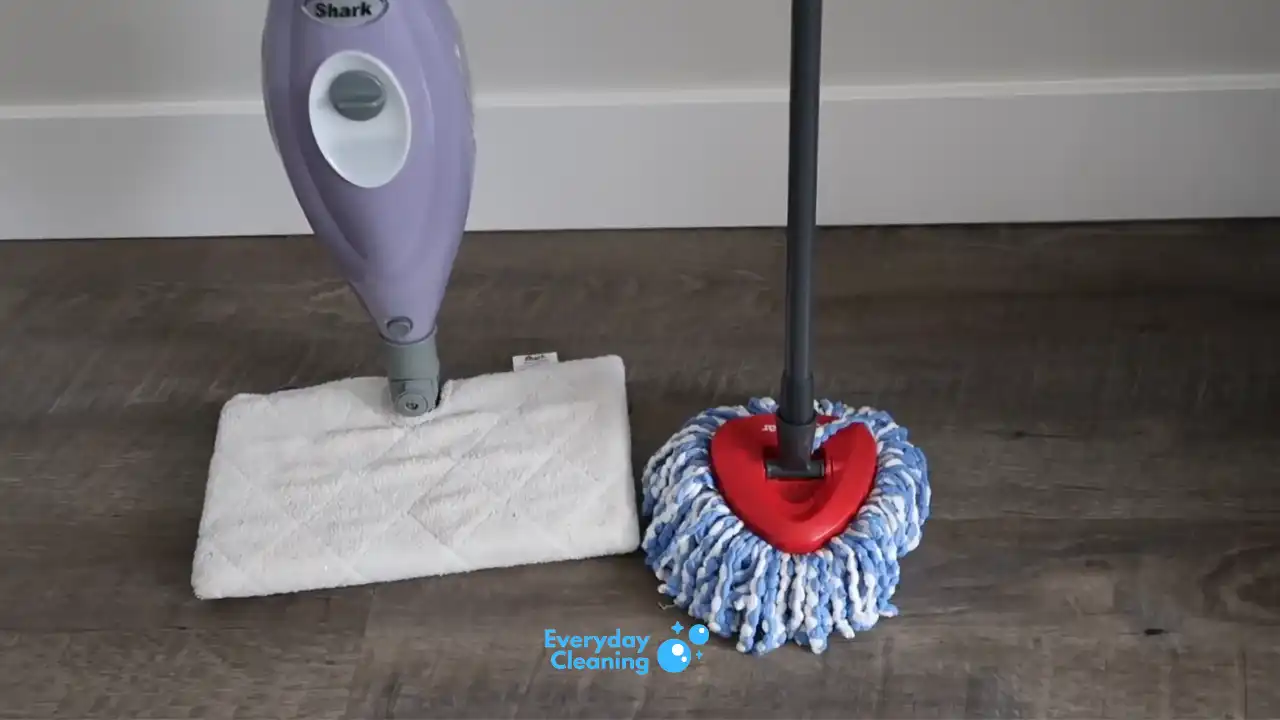
I used the Shark steam mop and the O-Cedar spin bucket mop side by side on the same LVP laundry room floor. The floor hadn’t been mopped in about a month and a half since we moved in. Just dusted, never fully mopped.
I split the floor down the middle. Left side for the steam mop, right side for the spin mop. First round was a standard clean. Second round I poured honey on both sides to see how each system handles sticky residue.
How Each System Works
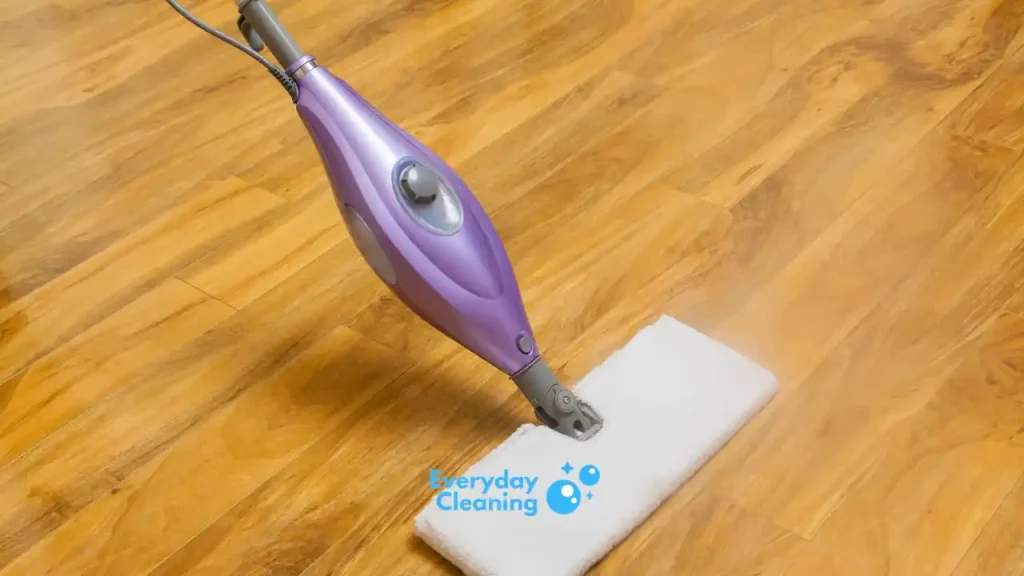
The Shark steam mop is corded and uses a cloth pad over a swivel head. You fill the water chamber, plug it in, and press down on the handle to release steam. I like to wet the cloth before I start. Dry steaming alone felt less effective on the floor surface.
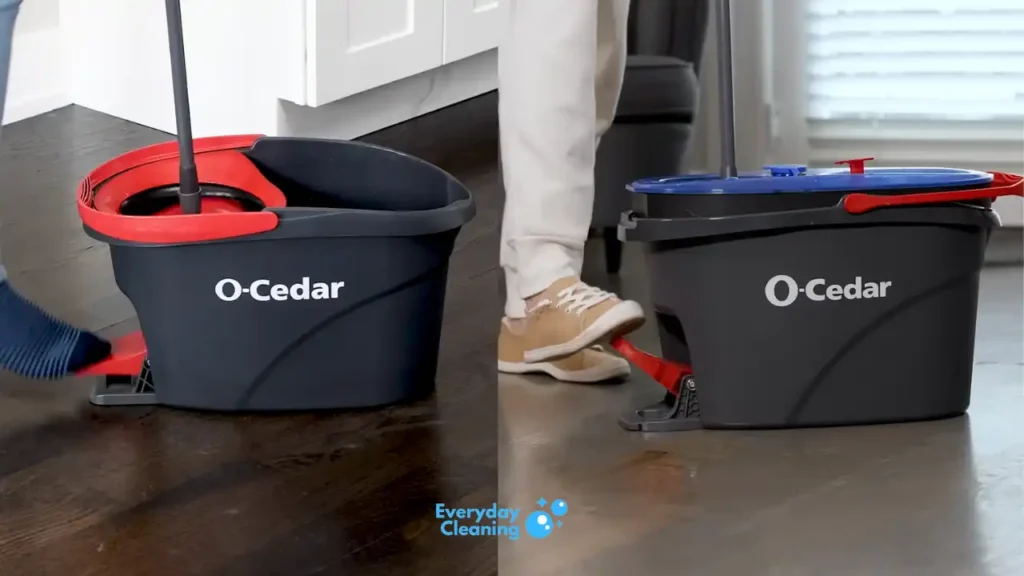
The O-Cedar spin bucket mop works the way most people expect. Fill the bucket with hot water, add a splash of cleaning solution, wring out the mop head using the foot pedal, and mop. Simple and straightforward.
General Cleaning Results
After mopping both sides, I let everything dry completely and wiped each area with a wet paper towel to check what was left behind.
Both sides came back clean. The paper towels looked nearly identical. No residue, no streaks. On a standard dirty floor, both systems do the job.
Sticky Residue Test (Honey)
This is where things got more interesting.
The steam mop had a little resistance on the first pass. By the second pass, the steam started breaking down the honey and it came up well. The floor looked clean to the eye.
The spin mop handled it similarly on the first push. Because I used warm water, the honey melted faster and wiped up a little easier. I also felt like I had more control with the spin mop head. I could press harder on stubborn spots, which you can’t really do with a steam mop.
After both sides dried, the steam mop side had a slight stickiness left behind. The spin mop side came up cleaner. Not a huge difference, but noticeable. One extra pass with the steam mop would have fixed it.
Steam Mop: What I Liked
The biggest selling point is clean water every time. You’re not mopping with a bucket of dirty water that gets grimier with every pass. The pad goes in the wash when you’re done. That’s it.
No cleaning chemicals needed. If you’re sensitive to fragrances or trying to keep synthetic cleaners out of your home, this is a real advantage. The steam does a solid job on its own.
It’s also lightweight and easy to glide. On LVP and hardwood floors, it leaves surfaces just slightly damp, not wet. Dries fast.
Steam Mop: What I Didn’t Like
The mop head is wide and a little awkward in tight spaces. Getting behind or around a toilet, or into small corners, is harder than with a traditional mop.
The corded design limits your range. You’re working around a plug the whole time. If that’s a dealbreaker, there are solid cordless steam mop options that cost more but give you full freedom of movement.
The sanitizing claim is something I’m skeptical about. The steam comes out hot, but by the time it passes through the cloth pad and hits the floor, the surface felt cool to the touch. I don’t think the temperature at floor level is high enough to do much bacteria killing. The floor still gets clean, but I wouldn’t count on it for true sanitizing. If allergies are a concern, a purpose-built steam disinfectant cleaner may be a better fit.
It’s also slightly heavier than the spin mop. Your arm gets tired on larger areas.
Spin Bucket Mop: What I Liked
Lightweight and completely cordless. You can take it anywhere in the house without thinking about outlets.
You get full control over your cleaning solution. Use whatever you like. Lemon, eucalyptus, Lysol, plain hot water. The customization is simple and satisfying.
The foot pedal wring system gives you control over moisture. Wring it out more for hardwood, leave it a little wetter for tile. If the floor ends up too wet, that’s on the user, not the mop.
The mop head also lets you apply more pressure in stubborn areas. That extra control matters on sticky or grimy spots.
Mop head detaches and goes straight in the wash. Easy to maintain.
Spin Bucket Mop: What I Didn’t Like
You’re working with a bucket of water that cools down as you go. Start with hot water, and by the 20-minute mark you may be mopping with lukewarm or cool water. The steam mop stays consistently warm throughout the session.
At the end of every session, you need to dump the dirty water, rinse the bucket, and wring out the mop head. A few extra steps compared to tossing a pad in the laundry.
Is a Steam Mop Worth It?
It depends on what matters most to you.
If you want to cut out cleaning chemicals completely, the steam mop is worth the investment. It cleans well, leaves floors barely damp, and keeps your routine simple. The lack of cords is the main frustration, but cordless versions are available if that’s a dealbreaker.
If you want a lightweight, versatile everyday mop that gives you full control over your cleaning solution and lets you get into tight spaces, the spin bucket mop is hard to beat. It cleaned just as well on general dirt, and slightly better on the honey test.
Both systems work. Neither is a clear winner for every home. The right choice comes down to whether you’re prioritizing chemical-free cleaning or flexible, traditional mopping.
What Makes a Good Mop for LVP Floors?
Moisture Control
LVP flooring is water-resistant, but standing water can still seep into seams over time. A good mop for LVP should leave floors damp, not wet. Both the steam mop and the spin mop handle this well when used correctly. With the spin mop, wring it out thoroughly. With the steam mop, the output is light enough that this usually isn’t an issue.
Cleaning Power on Sticky Messes
Light dirt and dust come up easily with either system. The real test is sticky residue, grease, or tracked-in grime. Hot water helps both systems. The spin mop has a slight edge because you can press harder. The steam mop needs an extra pass on stubborn spots.
Ease of Use Over a Large Area
For small rooms, both are comfortable. For a full home or large open floor plan, the steam mop’s cord and slightly heavier handle become more noticeable. The spin mop is easier to move quickly across a large area.
Frequently Asked Questions
Is a steam mop worth it for everyday cleaning?
For everyday maintenance cleaning, yes. It’s quick to set up, lightweight, and you don’t need to mix any cleaning solution. If you have kids, pets, or just prefer a chemical-free approach, it earns its place. For deep cleaning or heavy grime, you may still want a traditional mop with a cleaning solution for extra scrubbing power.
Does a steam mop really sanitize floors? Manufacturers claim steam kills 99.9% of
Can you use a steam mop on LVP or vinyl floors?
Most steam mops are safe for sealed LVP when used correctly. Keep the mop moving and don’t hold it in one spot. The key is minimal moisture, which steam mops generally deliver. For a more detailed breakdown, check out can you use a steam mop on vinyl plank flooring before using one on your floors. Always verify with your flooring manufacturer, as some warranties may be affected by steam cleaning.
Which is better for large homes: a steam mop or a spin mop?
For large homes, the spin mop is easier to manage. It’s lighter, cordless, and you can cover more ground without stopping. The steam mop’s cord becomes a real inconvenience in bigger spaces, and your arm can tire out faster. If you go with steam, a cordless model is worth considering for larger areas.
How do you clean a steam mop pad?
Remove the cloth pad after each use and toss it in the washing machine. Most pads are machine washable on a regular or gentle cycle. Let it air dry or tumble dry on low. Always reattach a clean pad before your next session. Running steam through a dirty pad just pushes grime back onto your floor. The same applies to spin mop heads; there’s a full guide on how to clean a mop head if yours needs a deeper clean between washes.
Is the O-Cedar spin mop good for hardwood floors?
Yes, with one condition: wring it out well before mopping. The foot pedal gives you full control over moisture. A damp mop works fine on sealed hardwood. A wet one can cause damage over time. If you want the full technique, how to mop hardwood floors covers exactly what to avoid. If you’re careful with moisture levels, the O-Cedar spin mop works well on hardwood and engineered wood floors.