Can You Use a Steam Mop on Vinyl Plank Flooring? Here’s What You Need to Know
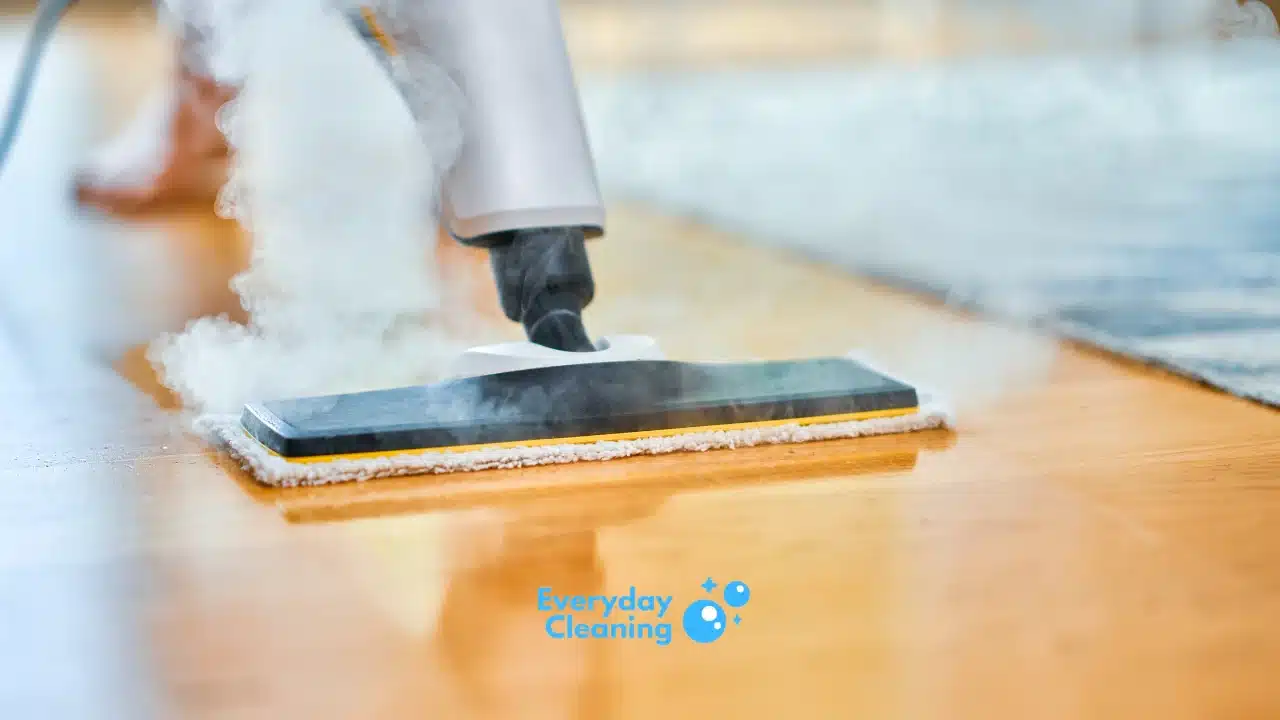
So you’ve got vinyl plank flooring and a steam mop, and you’re wondering if it’s safe to use one on the other. Honestly, the answer isn’t a simple yes or no. It depends on your specific floor, your steam mop settings, and how you use it. Let’s break it all down so you can clean your floors confidently without accidentally damaging them.
Table of Contents
LVP vs. Sheet Vinyl: Does It Matter?
Yes, it actually does. Vinyl plank flooring (often called LVP, or luxury vinyl plank) and old-school sheet vinyl are both vinyl products, but they’re built quite differently — and that matters when it comes to steam cleaning.
Sheet vinyl is one continuous piece. It’s flexible, thinner, and more prone to moisture seeping underneath through the seams along the edges. Older sheet vinyl, especially if it’s been down for years, can warp or lift when exposed to heat and steam.
LVP, on the other hand, is thicker and more rigid. It’s made of multiple layers — a wear layer on top, a printed design layer in the middle, and a core layer at the bottom (often WPC or SPC). Those layers give it more stability, but they’re also held together with adhesives and heat-bonded materials that don’t always love high temperatures.
So while LVP is generally more durable than sheet vinyl, it’s not automatically steam-mop-friendly. The type and quality of your specific LVP brand matters a lot here.
Heat Tolerance of Vinyl Plank Flooring
Here’s the core issue with steam mops and vinyl plank floors: heat.
Steam mops typically generate steam at temperatures between 200°F and 250°F (about 93°C to 121°C). That’s pretty hot. And vinyl, while durable under normal conditions, doesn’t handle prolonged heat exposure all that well.
When steam sits on LVP — especially if you move the mop slowly or go over the same spot multiple times — that heat can:
Soften the adhesive holding the planks or layers together
Cause the planks to warp, buckle, or cup at the edges
Break down the wear layer over time, making it look dull or cloudy
Cause the locking joints between planks to loosen
The damage doesn’t always show up right away. Sometimes it’s gradual, which makes it tricky to connect the cause and effect. You might notice your floors looking a little off after months of regular steam mopping, without realizing that’s what caused it.
When Steam Mops Are and Aren’t Safe for LVP
When It Might Be Okay
There are situations where using a steam mop on vinyl plank flooring carries less risk:
- You use the lowest steam setting available
- You keep the mop moving at all times — no lingering in one spot
- Your LVP is a high-end, thick brand (6mm or more with a strong wear layer)
- You use a thick microfiber pad that buffers some of the direct heat
- You only steam mop occasionally, not as your regular cleaning routine
Some newer, commercial-grade LVP products are designed with heat-resistant cores. If your floor falls into that category and the manufacturer specifically says steam mopping is okay, then you’re likely in good shape with the precautions above.
When You Should Absolutely Avoid It
There are clear situations where steam mopping vinyl plank floors is a bad idea:
- Your LVP warranty says steam cleaning voids coverage (very common)
- Your floors are a thinner budget LVP (under 4mm)
- The planks already show signs of lifting, gapping, or buckling
- Your floor is glued down rather than floating — adhesive and steam don’t mix
- You have an older installation where the locking joints may already be worn
If any of these apply to your floors, it’s better to skip the steam mop entirely and use one of the safer cleaning methods we’ll cover in a bit.
What Most Manufacturers Say About Steam Mops on LVP
This is the part that surprises a lot of people. If you go digging through the care instructions for most major LVP brands, you’ll find that steam mopping is either not recommended or outright prohibited.
Here’s a quick look at what some well-known brands say:
| Brand | Steam Mop Policy | Notes |
|---|---|---|
| Shaw Floors | Not recommended | Steam can void warranty |
| Pergo | Not recommended | Advises damp mopping only |
| LifeProof (Home Depot) | Not recommended | Steam may damage wear layer |
| COREtec | Not recommended | Suggests pH-neutral cleaner instead |
| Armstrong | Not recommended | May cause delamination over time |
| Karndean | Not recommended | Stick to recommended cleaning products |
Notice a pattern? Most manufacturers land in the same place: don’t steam mop your LVP. It’s worth checking your specific brand’s care guide before using any steam equipment on your floors. The last thing you want is to find out your warranty is void right when you need it.
If you’re already using a steam mop on other floor types in your home and love it, you might want to check out which steam cleaners actually work well on vinyl surfaces before committing to a routine.
Safe Steam Mopping Settings and Pad Types (If You Still Want to Try)
If your manufacturer allows it, or if you’ve decided to proceed carefully on a high-quality LVP floor, here’s how to do it as safely as possible.
Steam Settings
Always use the lowest steam output setting on your mop. Many steam mops have a dial or button that lets you reduce steam intensity. For vinyl plank floors, you want the minimum amount of steam needed to loosen dirt — not a full blast.
Some mops have a specific “delicate” or “low” mode that reduces both temperature and moisture output. That’s the setting you want.
Pad Type Matters More Than You Think
The pad you attach to your steam mop acts as a buffer between the steam and your floor. A thick, high-quality microfiber pad will absorb and disperse the steam more evenly, reducing the risk of concentrated heat hitting one spot.
Avoid thin or worn-out pads. If your mop came with a basic cloth pad that’s already been washed dozens of times, it’s probably too thin to offer much protection. Invest in a fresh, thick microfiber replacement pad before using it on LVP.
Technique Tips
- Keep moving. Never let the steam mop sit still on vinyl plank flooring.
- Work in sections. Do a small area, let it dry briefly, then move on.
- One pass is usually enough. Going over the same plank multiple times increases heat exposure significantly.
- Don’t mop against the grain or joints. Move the mop parallel to the plank direction to reduce steam from pushing into the seams.
Can You Use a Steam Mop on Vinyl Plank Flooring Every Week?
Even if you’re using it carefully and your floors seem fine so far, frequent steam mopping is risky for LVP long-term. The damage from repeated heat exposure tends to be cumulative. You might not notice it for months, but over time the wear layer degrades, the planks may shift subtly, and the floor starts to look tired before its time.
If you really love steam cleaning, consider reserving it for occasional deep cleans (maybe once a month at most) rather than your weekly floor routine. For regular maintenance, damp mopping is a much safer choice for vinyl plank floors.
That said, if you’re also dealing with tile floors elsewhere in your home, steam mops can be fantastic for those. There’s a reason so many people look for a great steam mop that handles tile and grout well — because on the right surface, they really do make a difference.
Best Ways to Clean Vinyl Plank Floors
Good news: vinyl plank floors are actually really low-maintenance when you use the right approach. Here’s what works best for everyday cleaning and deeper cleans.
Daily and Weekly Cleaning
For day-to-day dirt and dust, a dry microfiber mop or a soft-bristle broom is all you need. Vinyl plank floors show dust and pet hair easily, so a quick sweep or dry mop every few days keeps them looking fresh.
For light mopping, use a spray bottle with warm water and a few drops of dish soap, or a pH-neutral floor cleaner. Spray a small section, then mop with a barely damp microfiber mop. The key word is barely damp — you don’t want puddles sitting on the floor.
Deeper Cleaning (Without Steam)
For a more thorough clean, here’s a simple process that’s safe for LVP:
- Sweep or vacuum first. Remove all loose debris, dust, and pet hair. Use a vacuum on the hard floor setting (no beater bar) to get into the seams
- Mix your cleaning solution. Use warm water with a pH-neutral vinyl floor cleaner or a tiny splash of white vinegar (diluted — about half a cup per gallon of water). Avoid anything with wax, oil, or harsh chemicals.
- Dampen your mop. Wring it out thoroughly. If water is dripping from the mop, it’s too wet. The goal is a lightly damp surface, not a wet one.
- Mop in sections. Work from one end of the room to the other, mopping with the grain of the planks. Don’t let water pool near the seams or edges.
- Dry as you go. If needed, follow behind with a dry microfiber cloth or towel for any wet spots, especially near walls and transitions.
- Let it air dry fully. Give the floor 15 to 20 minutes to fully air dry before walking on it with socks or bare feet.
Tackling Stubborn Spots
- For sticky spots, scuff marks, or dried-on messes, a little rubbing alcohol on a microfiber cloth works really well. Dab it directly on the spot, let it sit for 30 seconds, then wipe clean. It evaporates quickly and won’t leave residue.
- For grease spots (common in kitchens), a drop of dish soap on a damp cloth, worked in gently, usually does the trick.
Avoid abrasive scrubbers, steel wool, or anything with bleach on vinyl plank. These can scratch the wear layer or dull the finish.
What About Steam Cleaners vs. Steam Mops?
One thing worth clarifying: steam mops and handheld steam cleaners are not quite the same thing, and people sometimes use them interchangeably. A steam mop is designed to clean floors and typically applies steam downward and outward across a pad. A handheld steam cleaner is more focused and can direct high-pressure steam into specific spots.
For vinyl plank floors, handheld steam cleaners can actually be riskier than steam mops because the steam is more concentrated. Using one to spot-clean a stain on LVP means directing a lot of heat onto a very small area, which can cause localized warping or discoloration.
If you’re someone who likes using steam tools around the house for different tasks, it’s worth understanding what each type is best suited for. A good all-around home steam cleaner can handle grout, upholstery, appliances, and more — you just want to be selective about using it on LVP.
Protecting Your Vinyl Plank Floors Long-Term
Beyond cleaning, a few simple habits go a long way toward keeping LVP looking great for years:
- Use felt pads under furniture legs. Hard furniture feet can scratch or dent vinyl plank over time, especially when you shift things around.
- Put down entry mats. Catching dirt, grit, and moisture at the door means less of it ends up on your floors. Grit is actually one of the biggest culprits for wear layer damage on LVP.
- Keep pet nails trimmed. This one’s easy to overlook, but pet nails can leave fine scratches in the wear layer over time.
- Avoid direct sunlight for long periods. Prolonged UV exposure can cause vinyl plank to fade or discolor. Use blinds or curtains during peak sun hours if your floors get a lot of direct light.
- Maintain consistent indoor temperature. Vinyl plank, especially floating installations, can expand and contract with temperature swings. Keeping your home at a relatively stable temperature protects the planks and their locking joints.
If you have laminate floors in other parts of your home and are curious how the cleaning rules compare, it’s worth knowing that steam mopping laminate comes with its own set of cautions — similar to LVP in many ways.
And if you’re still shopping for a steam mop for other surfaces in your home and want to make sure you’re getting good value, there are some solid affordable options that perform really well without spending a fortune.