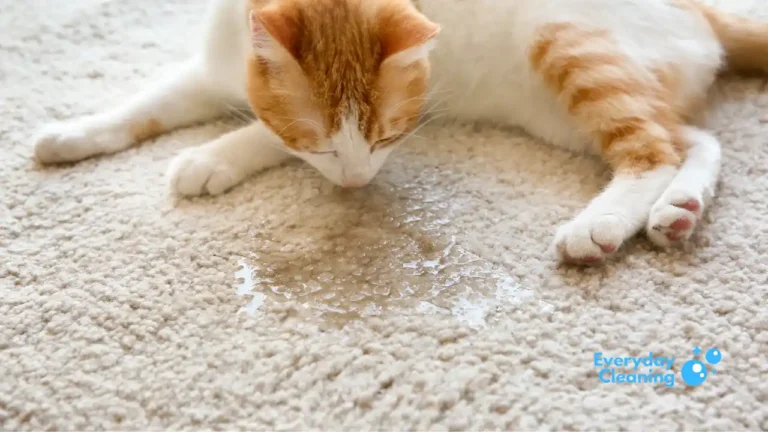
How to Clean a Flooded Carpet: Emergency Action Plan to Save Your Flooring

Table of Contents
Dealing with a flooded carpet is one of those home emergencies that sends your stress levels through the roof. I’ve been there—standing in my living room with water soaking into my favorite rug, wondering if I’d lost it forever. But here’s the good news: with quick action and the right approach, you can often save your carpet and prevent serious damage to your home.
CRITICAL SAFETY WARNING: Before you do anything else, shut off all electrical power in the flooded area. Water and electricity are a deadly combination, and no carpet is worth risking your life.
This guide will walk you through everything—from assessing whether your carpet can be saved, to the complete drying and cleaning process, and knowing when it’s time to call in the professionals. Let’s get your home back to normal.
Quick Answer
To clean a flooded carpet, start by cutting power to the area, then remove as much water as possible using a wet/dry vacuum. Remove the carpet and padding, clean and disinfect both the carpet and subfloor, and thoroughly dry everything using fans and dehumidifiers. The key is acting within 48 hours to prevent mold growth.
Assessing the Situation – Can Your Carpet Be Saved?
Before you invest hours of backbreaking work, you need to make an honest assessment. Not all flooded carpets are worth saving, and sometimes the smartest move is to cut your losses early.
The Type of Water That Caused the Flood
This is the single most important factor in determining your carpet’s fate. Water damage falls into three categories:
Clean Water (Category 1): This comes from broken supply lines, overflowing sinks with clean water. Your carpet has the best chance of survival here. I once dealt with a burst pipe in my upstairs bathroom—caught it within 2 hours, and the carpet downstairs was completely salvageable.
Gray Water (Category 2): This includes discharge from washing machines, dishwashers, or toilet bowls. It contains some contaminants but isn’t immediately dangerous. You can save these carpets, but you’ll need to be thorough with cleaning and disinfection. Think of it as the middle ground—doable, but requiring extra care.
Black Water (Category 3): This is the nightmare scenario. Sewage backups, flooding from rivers or streams, or any water that’s been sitting stagnant for days. This water is loaded with bacteria, viruses, and potentially toxic chemicals. In most cases, you need to throw the carpet away. The only exception? If you can quickly remove the entire carpet, take it outside, power wash it thoroughly, and dry it completely in direct, hot sunlight within a few hours. Even then, it’s risky. Trust me, your family’s health isn’t worth gambling on.
How Long the Carpet Has Been Wet

Time is absolutely critical when learning how to clean a flooded carpet:
Under 48 Hours: You’re in the safe zone. Act fast, and you’ve got a real shot at saving your carpet without mold issues. The clock is ticking, but you’re still in control.
Over 48 Hours: Mold spores love moisture, and after two days, they’ve had a party in your carpet padding and fibers. Even if you can’t see visible mold yet, it’s likely already growing. At this point, saving the carpet becomes extremely difficult and potentially unhealthy. If you notice any musty smell or see signs of mold under carpet, it’s probably time to let it go.
I learned this the hard way after a vacation—came home to discover a slow leak had been soaking my office carpet for nearly a week. Despite my best efforts, I had to rip it out. The mold smell never fully went away, even after professional cleaning.
Emergency Response: First 24 Hours Matter Most
Step 1: Remove Standing Water Immediately
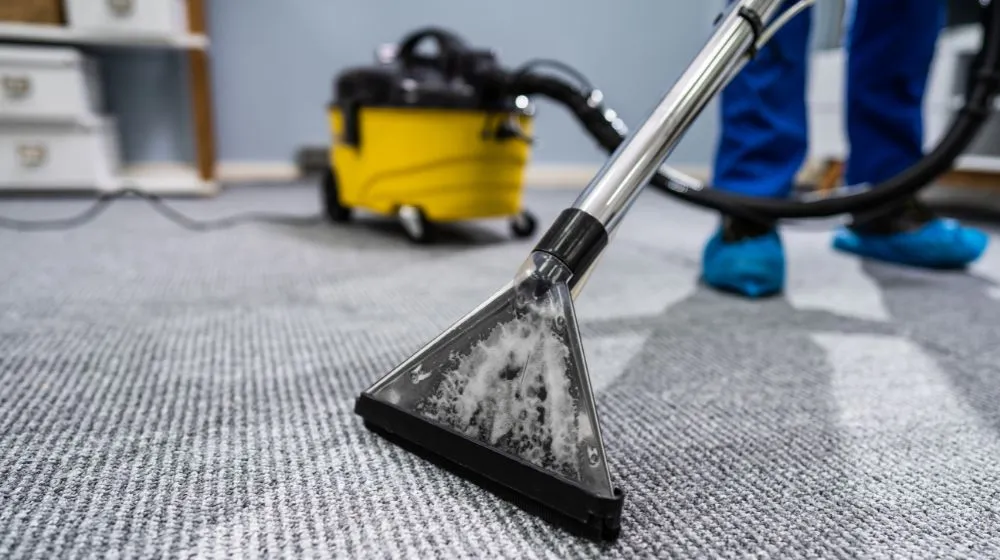
Every minute counts here. Grab a wet/dry shop vacuum (not your regular household vacuum—you’ll destroy it) and start extracting water. Work systematically across the entire carpet, going over each section multiple times.
If you don’t own a shop vac, you can rent one from most hardware stores. In a pinch, I’ve used a squeegee to push water toward a drain or doorway, then soaked up the remainder with every towel in the house. It’s exhausting, but it works.
For seriously flooded areas, consider renting a submersible pump if standing water is more than an inch deep. You need to get that water out before it has more time to soak into the padding and subfloor.
Step 2: Pull Up the Carpet and Remove Padding
Here’s where you need to get physical. Most carpet is held down by tack strips around the edges. Wearing heavy gloves (those tack strips are vicious), carefully pull the carpet away from the edges. You might need pliers to grip it properly.
Once you’ve freed the edges, pull the entire carpet back to expose the padding underneath. The padding is like a sponge—it’s absolutely soaked and needs to come out. Roll it up and haul it outside. In most flood situations, the padding is a lost cause anyway. It’s cheap to replace compared to the carpet itself, so don’t stress about saving it.
With everything pulled up, check your subfloor. If it’s concrete, you’re in luck—it’ll dry relatively quickly. Wood subfloors need more attention. Look for warping, discoloration, or soft spots. If the wood feels spongy when you press on it, you might have bigger structural issues that need professional assessment.
Step 3: Clean and Disinfect Everything
Now that you can access both sides of your carpet, it’s time to clean. This is crucial when you’re figuring out how to clean a flooded carpet because just drying dirty water into your carpet means you’re locking in contaminants.
Mix a solution of mild detergent and water, and use a stiff brush to scrub the carpet backing. For gray or black water situations, add a disinfectant. I use a solution of 1 cup bleach to 1 gallon of water (but only on light-colored carpets—test in an inconspicuous spot first). For darker carpets, pine oil or phenolic disinfectants work better without causing discoloration.
Don’t forget the subfloor. Scrub it down with the same disinfectant solution, paying extra attention to corners and seams where water likes to hide. Let it sit for at least 10 minutes before wiping down with clean water.
Step 4: The Critical Drying Phase
This is where most DIY flood recovery efforts succeed or fail. You need serious airflow and dehumidification.
Position fans strategically—I like to place them at angles to create cross-ventilation. Point some directly at the carpet, others at the subfloor. If you can, prop the carpet up on sawhorses or over a fence outside (assuming the weather cooperates and you have clean water damage).
Open every window and door to increase air circulation. Run your air conditioning or heating system to help control humidity. If possible, rent or buy a commercial dehumidifier. These are game-changers. A regular household dehumidifier might pull out a few pints per day; a commercial unit can extract 50+ pints daily.
Check the carpet every few hours. Feel deep into the fibers and backing—it needs to be completely dry to the touch, not just surface dry. This usually takes 48-72 hours minimum with proper equipment.
Boosting Your Drying Success and Preventing Mold
Here’s a pro tip that most guides don’t mention: the drying phase determines whether you’ll be dealing with mold issues down the road. Even if your carpet feels dry on the surface, moisture trapped in the fibers or backing can still cause problems.
To give yourself the best chance at truly clean, mold-free results when you clean a flooded carpet, consider using a moisture-absorbing treatment. I’ve had great success with powdered limestone or specialized products like Arm & Hammer Baking Soda (the extra-large boxes).
Here’s what you do: Once you’ve removed the bulk of the water and cleaned the carpet, generously sprinkle the powder across the entire surface. Use about 1 pound per 10 square feet. Let it sit for 4-6 hours—it’ll actively pull moisture out of the carpet fibers. Then vacuum it up thoroughly with your shop vac.
I discovered this trick after a basement flood in my rental property. Even with fans running, I was worried about lingering moisture. The baking soda made a huge difference—the carpet dried noticeably faster, and we never had any musty smell develop. For serious situations, you can repeat this process twice before the final drying phase.
When You Absolutely Must Call a Professional
Look, I’m all about DIY solutions—that’s why you’re reading this site. But some situations are beyond our capabilities, and knowing when to call in the pros can save you money and heartache in the long run.
Call a professional restoration company if:
- You’re dealing with black water (sewage or outdoor flooding)
- The affected area is larger than 200 square feet
- Water has been standing for more than 48 hours
- You smell mold or see visible mold growth
- The carpet is glued down (not just tack strips)
- Your subfloor is severely damaged or warped
- You have expensive wool or silk carpets
- Anyone in your household has respiratory issues or compromised immunity
Professional restoration companies have commercial-grade extraction equipment, thermal imaging to detect hidden moisture, and industrial dryers that far exceed what you can rent. Yes, it costs more upfront (usually $1,500-$4,000 depending on the extent), but it might save you from a $10,000 mold remediation bill later.
I called in pros after a major storm flooded my finished basement. They brought equipment I didn’t even know existed—truck-mounted extractors that pulled out ten times more water than my shop vac, and they had everything dry in two days instead of the week it would’ve taken me. Sometimes paying for expertise is the smartest DIY decision you can make.
Making the Final Decision: Keep or Replace?
After you’ve done all the work to clean a flooded carpet, you need to make a final call. Here’s my honest assessment framework:
Keep the carpet if:
- It was clean water and you acted within 48 hours
- There’s absolutely no musty smell after complete drying
- No visible staining or discoloration remains
- The carpet pile bounces back normally when pressed
- You’ve used a moisture meter to confirm under 10% moisture content
Replace the carpet if:
- Any persistent odor remains (that’s bacteria or mold)
- Stains won’t come out despite thorough cleaning
- The carpet feels stiff or crunchy when dry
- You see any signs of mold growth
- The backing is delaminating (separating from the carpet fibers)
- Your household has anyone with allergies or respiratory conditions
When in doubt, err on the side of caution. You can find affordable carpet options, but you can’t put a price on your family’s health. I’ve made the tough call to replace carpet twice in my homeowning life, and both times I was glad I did instead of spending months second-guessing whether lingering moisture would cause problems.
FAQ
How long does a flooded carpet take to dry?
With proper equipment (fans, dehumidifiers, and good ventilation), a flooded carpet typically takes 48-72 hours to dry completely. However, this assumes you’ve removed the padding and elevated the carpet for air circulation on both sides. Thick carpets or humid conditions can extend this to 4-5 days. Never reinstall carpet that feels even slightly damp.
Will a flooded carpet always develop mold?
Not if you act within 48 hours and dry it thoroughly. Mold needs sustained moisture over 48+ hours to establish colonies. If you extract water quickly, clean properly, and ensure complete drying with dehumidifiers and fans, your carpet can be mold-free. This is why time is your most valuable asset when learning how to clean a flooded carpet.
Is it safe to clean sewage-contaminated carpet myself?
I strongly advise against it. Sewage contains dangerous bacteria (E. coli, salmonella), viruses, and parasites that pose serious health risks. If you absolutely must handle sewage-contaminated materials, wear a respirator (not just a dust mask), waterproof gloves, boots, and protective clothing. However, professional remediation is the safer and smarter choice for black water situations.
Should I use a carpet cleaner machine after flood damage?
Not immediately. Carpet cleaning machines (like Rug Doctors) add more water to the carpet, which is the opposite of what you need after a flood. First, extract all water, remove padding, dry everything completely, and disinfect. Only then—if the carpet is salvageable—might you use a carpet cleaner for final deep cleaning, followed by another thorough drying session.