Best Type of Carpet for Dogs: Expert Guide for Pet-Friendly Homes

Table of Contents
If you’re a dog owner struggling with carpet choices, you’re not alone. The good news? Modern carpets are specifically designed to tackle pet-related challenges like scratching, staining, and odor absorption. Finding the best type of carpet for dogs doesn’t mean sacrificing style or comfort, it means choosing materials and constructions that can handle your furry friend’s lifestyle while keeping your home looking great.
3 Best Carpet Choices for Dog Owners
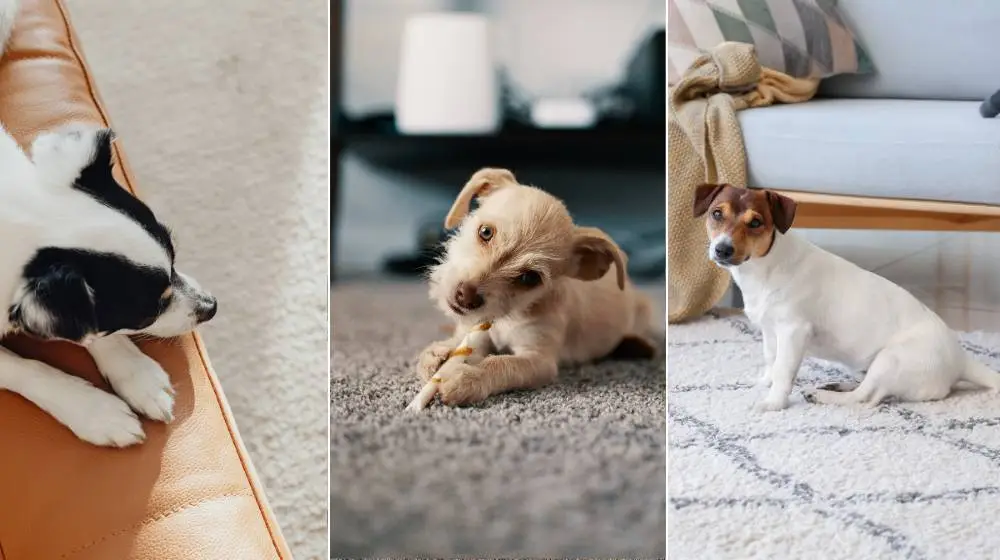
Here are the top three options that actually work in homes with dogs:
1. Best Overall Value: Solution-Dyed Nylon, Low-Pile
Perfect for: Most dog owners who want durability without breaking the bank.
This is your go-to option if you have medium to large dogs or multiple pets. Solution-dyed nylon resists stains at the molecular level, meaning the color goes all the way through each fiber. When accidents happen (and they will), you’re not left with permanent marks. The low-pile construction means less space for dirt and fur to hide, making cleanup a breeze.
2. Best Budget-Friendly: Polyester Berber or Loop-Pile
Perfect for: Small dog owners or those with well-trained pets on a tight budget.
If your dog is on the smaller side and you’re watching your wallet, polyester loop-pile carpets offer decent stain resistance and easy maintenance. They’re not as durable as nylon under heavy traffic, but for a guest room or low-traffic area where your pup hangs out, they’ll do the job without emptying your savings.
3. Best Premium Choice: SmartStrand or Triexta Fiber
Perfect for: Pet owners who want the ultimate in stain and odor resistance.
This is the splurge option that pays off if you deal with frequent accidents or have a puppy in training. Triexta (sold under brand names like SmartStrand) combines the stain resistance of nylon with built-in protection against moisture and odors. It’s also made from renewable resources, so you’re being kinder to the planet while protecting your floors.
Quick Bottom Line: For most households with dogs, solution-dyed nylon low-pile carpet hits the sweet spot between performance and price. But if accidents are your biggest worry and budget isn’t an issue, triexta fiber is worth every penny. I’ll break down exactly why these choices work in the sections below.
3 Key Factors That Make a Carpet Dog-Friendly
Stain Resistance Matters More Than You Think
Dogs and carpets don’t always mix well because of one simple truth: accidents happen. Whether it’s muddy paws, upset stomachs, or the occasional indoor bathroom incident, your carpet will face challenges. The best type of carpet for dogs features built-in stain protection that doesn’t wear off after a few cleanings.
Look for solution-dyed fibers where the color is embedded during manufacturing, not applied afterward. This means even if the surface gets damaged, you won’t see lighter spots underneath.
Durability Against Scratching and Digging
Some dogs love to dig or scratch at carpets before lying down. This natural behavior can quickly destroy soft, delicate fibers. You need a carpet that can take this abuse without showing bald spots or fraying within months.
Tightly woven, low-pile carpets resist this type of damage much better than plush, high-pile options. The shorter fibers give dogs less to grab onto and pull out.
Easy Cleaning and Odor Control
Let’s be honest—dog odors can get trapped in carpet fibers if you’re not careful. The best carpets for dog owners feature tight weaves that prevent liquids from soaking deep into the padding. They should also work well with enzyme cleaners, which break down organic matter and eliminate smells rather than just masking them.
Carpets with antimicrobial treatments add an extra layer of protection, preventing bacteria growth that causes lingering odors.
Carpet Material Comparison for Pet Owners
| Material | Description | Pros for Dog Owners | Cons for Dog Owners |
|---|---|---|---|
| Nylon | Synthetic fiber known for resilience and durability | Excellent durability against scratching, resists matting and crushing, easy to clean, long-lasting even with active dogs | Higher price point, can absorb moisture if not treated, may show wear in very high-traffic areas |
| Triexta | Newer synthetic fiber made from renewable corn glucose | Superior stain and moisture resistance, built-in odor protection, very soft underfoot, eco-friendly option | Most expensive option, limited style and color choices, relatively new so long-term durability still being proven |
| Polyester | Synthetic fiber offering good stain resistance | Budget-friendly, good stain resistance, soft texture, available in many colors | Less durable than nylon, can mat down with heavy traffic, not ideal for large or active dogs, may absorb oils from paws |
| Wool | Natural fiber with luxurious feel | Naturally stain-resistant, absorbs moisture without feeling wet, beautiful appearance, long-lasting when maintained | Very expensive, requires professional cleaning, can absorb odors, not recommended for frequent accidents, may trigger allergies in some dogs |
| Olefin | Synthetic fiber with moisture resistance | Most affordable option, excellent moisture resistance, naturally stain-resistant, mildew-resistant | Least durable option, mats and crushes easily, can look cheap, attracts oils from paws |
Budget Breakdown: What to Expect
Understanding costs helps you make a realistic choice for the best type of carpet for dogs in your home:
Budget-Friendly ($1-3 per square foot): Polyester or basic olefin carpets. These work fine for small dogs or low-traffic pet areas. Expect to replace them in 5-7 years with pets.
Mid-Range ($3-6 per square foot): Quality nylon carpets with stain treatments. This price point offers the best balance for most dog owners. Plan on 8-12 years of life with proper care.
Premium ($6-10+ per square foot): Triexta fiber or high-grade wool carpets. These are investments that can last 12-15+ years even with pets, thanks to superior stain and odor resistance.
Don’t forget installation costs (typically $1-2 per square foot) and quality padding, which adds cushioning and another layer of protection against accidents.
Carpet Construction Comparison
| Construction Type | Best for Dogs? | Why |
| Low-Pile | Excellent | Easiest to clean, fur doesn’t embed deeply, resists scratching damage, fast drying after accidents |
| Loop-Pile | Caution | Dogs with long nails can snag loops and create runs, but tight loops resist staining well and hide dirt |
| Cut-Pile | Good | Comfortable for dogs, won’t snag nails, easier to clean than high-pile though not as easy as low-pile |
| Shag | Avoid | Traps dirt, fur, and odors deep in fibers, very difficult to clean thoroughly, shows stains easily |
| Textured | Fair | Medium difficulty to clean, can show footprints and pet traffic patterns, better for low-activity dogs |
| Pattern | Good | Hides dirt and stains well due to pattern variation, relatively easy to maintain |
Important Factors to Consider When Choosing
Pile Height and Density
The shorter and denser, the better for dogs. Low-pile carpets (under 1/2 inch) prevent fur from working its way deep into the fibers. They also dry faster after cleaning or accidents. Dense carpets with more fibers per square inch resist matting from your dog’s favorite sleeping spots.
Color and Pattern Strategy
Dark solid colors show every bit of fur and dust. Light colors show every stain. Your best bet? Medium tones with subtle patterns or flecks. Multi-tonal carpets in tans, grays, or browns camouflage normal pet-related wear and tear. Patterns break up the visual impact of the occasional stain while you’re waiting for cleaning day.
Padding Makes a Difference
Quality padding under your carpet acts as a moisture barrier and adds years to your carpet’s life. For dog owners, look for moisture-barrier padding or padding with antimicrobial properties. This prevents liquids from accidents from soaking into your subfloor and creating permanent odor problems. The padding should be firm rather than super-soft, as firmer padding provides better support and resists compression in high-traffic dog areas.
Warranty and Treatment Options
Many manufacturers offer pet-specific warranties, but read the fine print. Some warranties void if you don’t use professional cleaning services at specified intervals. Scotchgard or similar stain treatments can be applied during or after installation, adding an extra layer of protection. However, solution-dyed fibers are always better than surface treatments that wash away over time.
Carpets to Avoid with Dogs
Some carpets look beautiful in the showroom but spell disaster in a home with dogs:
High-Pile or Shag Carpets: These are fur magnets and nearly impossible to keep clean with shedding dogs. Liquids soak deep into the long fibers, making thorough cleaning extremely difficult.
Berber with Large Loops: Dogs with longer nails will snag these loops and create pulls or runs that spread across the carpet. Small, tight loops are okay, but large decorative loops are trouble.
Wool in High-Accident Areas: While wool resists stains surprisingly well, it absorbs odors and requires expensive professional cleaning. If you’re house-training a puppy or have an elderly dog with bladder control issues, wool isn’t practical.
Olefin in High-Traffic Areas: The cheapest carpet option crushes and mats quickly under regular dog activity. It might work for a spare room your dog rarely enters, but it won’t hold up in living areas.
Light-Colored Solid Carpets: Unless you have a very small, non-shedding dog and enjoy constant carpet maintenance, avoid white, cream, or very light beige solid colors. They’ll show every paw print and stain.
Step-by-Step Process for Choosing the Right Carpet
Step 1: Identify the Area
Think about where the carpet will go. High-traffic areas like living rooms and hallways need the most durable options (nylon or triexta, low-pile). Bedrooms where your dog sleeps can use slightly softer options. Areas where accidents are more likely (near doors, puppy training zones) demand maximum stain and moisture resistance.
Step 2: Determine Your Priority Factors
What matters most to you? Rank these factors: durability, stain resistance, budget, comfort, appearance, and ease of cleaning. If you have a young, energetic dog, durability and stain resistance should top your list. If you have an older, well-trained dog, you might prioritize comfort and appearance.
Step 3: Choose Your Fiber
Based on your budget and priorities from the comparison table above, select your fiber type. For most situations, solution-dyed nylon provides the best performance-to-cost ratio. If budget allows and accidents are frequent, upgrade to triexta.
Step 4: Select Construction and Thickness
Go with low-pile or short cut-pile construction. Avoid loop-pile if your dog has long nails. Choose a pile height under 1/2 inch for easiest maintenance. The carpet should feel dense when you press your hand into it—more fibers means better durability.
Step 5: Pick Quality Padding
Don’t cheap out here. Get moisture-barrier padding with antimicrobial treatment. The padding should be at least 6-7 pounds density for residential use with pets. This protects your subfloor and extends your carpet’s life significantly.
Step 6: Choose Color and Pattern
Select medium-toned colors with subtle patterns or textures. Avoid solid light colors and solid dark colors. Test samples at home in different lighting conditions and place your dog’s fur on them to see how visible it is.
If you’re also considering carpet for other areas of your home, you might want to check out guidance on selecting the right carpet for your specific needs and explore how to maintain carpets in high-traffic areas to ensure your investment lasts.
Frequently Asked Questions
What is the most stain-resistant carpet for dogs?
Triexta fiber (SmartStrand) offers the highest stain resistance for dog owners, with permanent protection built into the fiber itself. Solution-dyed nylon comes in a close second at a lower price point. Both resist stains much better than polyester or treated fibers.
Can I use carpet in a home with large dogs?
Absolutely. Choose low-pile nylon or triexta carpets in medium tones with patterns. Large dogs need durable fibers that resist matting and crushing. Avoid high-pile carpets and prioritize density over softness.
How do I prevent dog urine from ruining carpet?
Act fast when accidents happen—blot immediately with paper towels, then use an enzyme cleaner designed for pet stains. Install moisture-barrier padding under your carpet, and choose solution-dyed fibers that resist permanent staining. For chronic issues, consider waterproof carpet tiles in problem areas.
What carpet color hides dog hair best?
Medium tones that match your dog’s fur color work best. If you have a golden retriever, choose warm tans or browns. For dark-coated dogs, select medium grays or charcoals. Multi-tonal or slightly patterned carpets hide hair better than solid colors.
Is carpet or hardwood better for dogs?
Both have pros and cons. Carpet provides cushioning for older dogs with joint issues and offers better traction. Hardwood is easier to clean and doesn’t trap odors, but it can get scratched by nails. Many dog owners use the best type of carpet for dogs in bedrooms and living areas, with hardwood in kitchens and entryways where accidents are more likely.
How often should I clean carpets with dogs?
Vacuum high-traffic areas 2-3 times weekly and whole-house at least once weekly. Deep clean with a carpet cleaner or hire professionals every 3-6 months, more often if you have multiple dogs or shedding breeds. Regular maintenance prevents odor buildup and extends carpet life.
Do I need special padding for dog-friendly carpet?
Yes, moisture-barrier padding with antimicrobial properties is essential. This prevents liquids from accidents from reaching your subfloor, stops odor-causing bacteria, and protects your investment. It costs slightly more but saves you from expensive subfloor repairs later.