Steam Mop vs Vacuum Mop: Which One Actually Cleans Better?
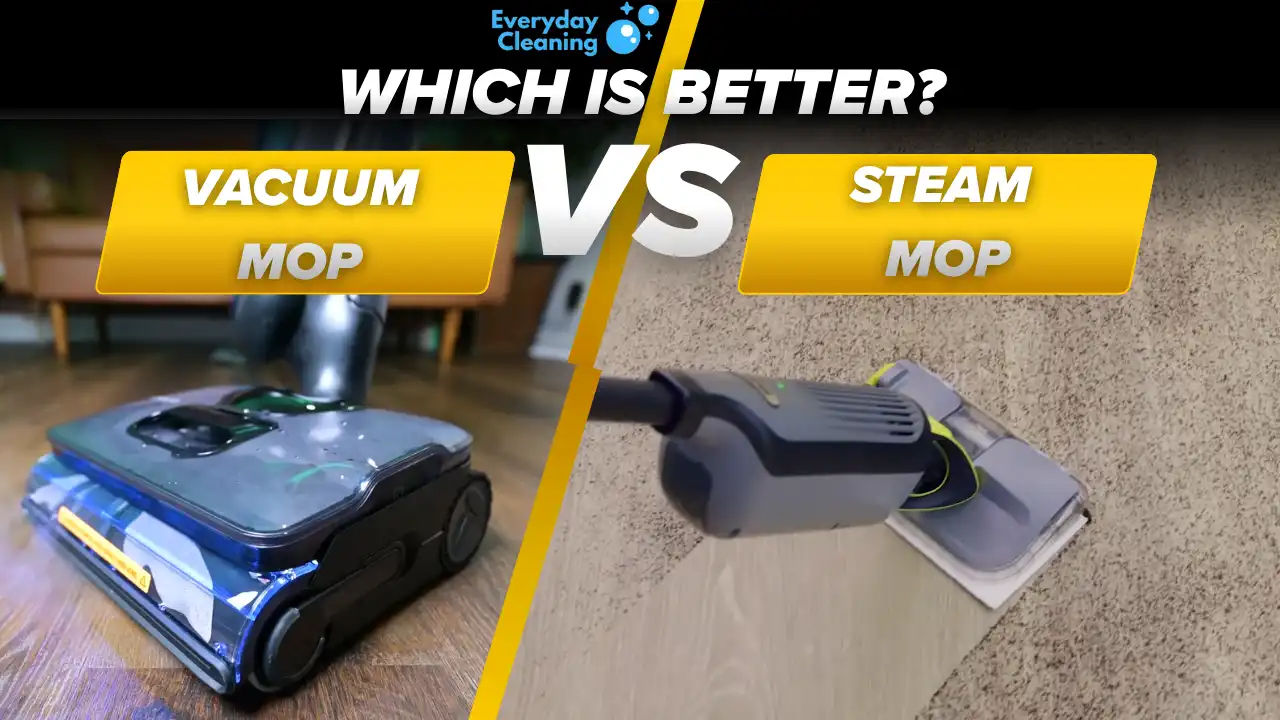
Most people shopping for a floor cleaner get tripped up by one thing: steam mop and vacuum mop sound similar, but they work completely differently. Get this wrong and you end up with the wrong tool for your floors.
What Is a Steam Mop?
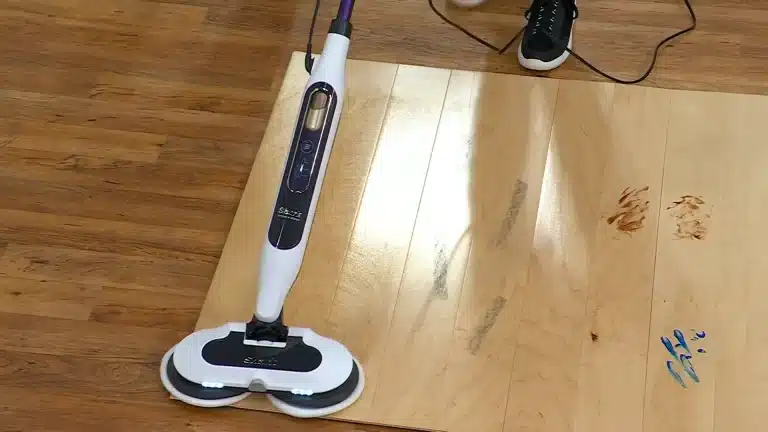
A steam mop heats water to produce steam, then pushes that steam through a microfiber pad pressed against your floor. The heat does the cleaning work. No chemicals needed.
The steam kills bacteria, loosens grime, and sanitizes the surface. You just push it back and forth like a regular mop, but faster and without a bucket of dirty water.
Most steam mops are built for sealed hard floors: tile, sealed hardwood, vinyl, and laminate (with caution). They are not built to vacuum. Debris sitting on the floor gets pushed around unless you sweep or vacuum first.
What Is a Vacuum Mop?
A vacuum mop combo does two things at once: it vacuums up dry debris and mops the floor in the same pass. These are sometimes called wet-dry vacuum mops or floor washer vacuums.
Popular examples include the Bissell CrossWave, Tineco Floor One S5, and similar all-in-one machines. They use a spinning brush roll, clean water from an onboard tank, and suck up the dirty water separately. No steam involved.
The appeal is obvious. You skip the sweep-first step entirely. One machine handles the whole job.
Steam Mop vs Vacuum Mop: The Core Difference
Here is the thing most comparison articles miss: these tools do not compete on the same job.
A steam mop is a sanitizing tool. High heat, targeted steam, no chemical residue. It excels at killing germs and cutting through stuck-on grime.
A vacuum mop combo is a daily maintenance tool. Fast, convenient, handles both dry and wet messes in one pass. But it does not produce steam and does not sanitize the same way.
If you want deep sanitation, a steam mop wins. If you want a quick daily clean without switching tools, a vacuum mop combo wins.
Head-to-Head Comparison
| Feature | Steam Mop | Vacuum Mop Combo |
|---|---|---|
| Sanitizes with heat | Yes | No |
| Vacuums dry debris | No (sweep first) | Yes |
| Chemical-free cleaning | Yes | Partial (some use solution) |
| Best floor types | Tile, sealed hardwood, vinyl | Hardwood, tile, LVP |
| Works on carpet | Limited (with attachment) | No |
| Ease of daily use | Moderate | High |
| Upfront cost | Lower | Higher |
| Drying time | Quick | Very quick |
Which Floors Does Each Work Best On?
Steam mops perform best on tile and grout. The high heat gets into grout lines and lifts grime that regular mopping leaves behind. If you have a lot of tile in your kitchen or bathroom, a steam mop is hard to beat.
On sealed hardwood, you can use a steam mop carefully. The key word is “sealed.” Unfinished or old hardwood can warp from moisture. Always check the manufacturer’s floor guidelines before you buy. For more detail, see can you use a steam cleaner on hardwood floors.
On laminate, both tools require caution. Laminate is moisture-sensitive. Low steam settings and fast passes help with a steam mop. A vacuum mop with minimal water is generally safer. Read through can you use a steam cleaner on laminate floors before committing.
Vacuum mop combos shine on luxury vinyl plank (LVP), everyday hardwood, and tile when the goal is speed over sanitization. They handle a mix of crumbs, dust, and light sticky messes in one pass without any pre-sweep.
Cleaning Power: Which Gets Floors Cleaner?
For everyday surface dirt, both do a solid job. Where they diverge is on stuck-on grime.
Steam wins on dried spills, grease, and anything that needs heat to break down. The concentrated steam softens residue so the pad can lift it. A vacuum mop with cold water and a brush roll has to scrub harder and does not always get there.
On the flip side, a vacuum mop is better at picking up actual debris: pet hair clumps, crumbs, dry dust. A steam mop just pushes that stuff around. You have to sweep first or you are mopping dirt back into the floor.
The honest take: for deep cleaning, steam mop is the better tool. For daily maintenance, vacuum mop combo is easier and faster.
Sanitization: Does It Matter?
Steam mops reach temperatures high enough to kill most bacteria and germs on contact. If you have kids who play on the floor, pets, or anyone with allergies, that level of sanitation matters.
Vacuum mop combos clean the floor but do not sanitize the same way. Some models allow a cleaning solution in the water tank, which adds some disinfecting action, but it is not the same as sustained heat.
If sanitization is a priority in your home, a steam mop has the edge. For a broader look at what steam cleaning can do, how to use a steam cleaner on carpet gives a good overview of what high heat actually accomplishes.
Convenience and Daily Usability
A vacuum mop combo is simply easier to live with day-to-day. You pick it up, fill the tank, and go. No sweeping first. No waiting for steam to build up. Most sessions are done in 10 to 15 minutes.
A steam mop requires a bit more setup: sweep or vacuum the floor first, fill the water tank, let it heat up (usually 30 seconds to a couple of minutes), then mop. It is not complicated, but it is a few extra steps.
If your schedule is tight and you need floors done fast, the vacuum mop wins on convenience. If you clean less often but want a thorough deep clean when you do, the steam mop is the better fit.
Cost Comparison
Steam mops start around $30 to $40 on the budget end and go up to $150 to $200 for premium models with multiple attachments. Very accessible for most budgets.
Vacuum mop combos cost more. Entry-level models start around $100, and the well-reviewed all-in-one machines from Bissell and Tineco typically run $150 to $300. The self-cleaning function on higher-end models adds to the price.
For tile floors specifically, a mid-range steam mop offers more cleaning power per dollar than a budget vacuum mop combo. If you want a deep-dive into steam mop options, best steam mop for tile floors and grout covers the top picks.
Maintenance and Upkeep
Steam mops are low-maintenance. Replace or wash the microfiber pads regularly. Descale the water tank every few months if you use tap water. That is about it.
Vacuum mop combos need more attention. The brush roll picks up hair and debris that wraps around it. The dirty water tank needs rinsing after every use. Self-cleaning models simplify this, but you still need to keep up with it. Neglect the dirty tank for a few sessions and the smell gets bad fast.
The Honest Verdict
A steam mop is the better tool for sanitization, deep cleaning tile and grout, and getting stuck-on messes without chemicals. The trade-off is that you need to sweep first.
A vacuum mop combo is the better tool for daily convenience, handling dry and wet messes in one pass, and quick maintenance cleans. It does not sanitize as deeply and costs more.
If you have a home with a lot of tile or you care about chemical-free sanitization, get a steam mop. If your floors are mostly hardwood or LVP and you want a fast one-and-done clean every day or two, a vacuum mop combo makes more sense.
The real answer for many households is both. A decent steam mop for deep cleans once a week, and a vacuum mop combo for quick daily maintenance. The two tools complement each other more than they compete.
How to Choose the Right One for Your Home
Look at Your Floor Types First
Tile-heavy home: steam mop is the stronger choice. The heat and steam work particularly well on grout lines and ceramic surfaces.
Mostly hardwood or LVP: a vacuum mop combo is safer and more practical for daily use. Steam can be risky on wood if you are not careful with moisture.
Mixed floors: consider whether you mostly need daily upkeep or periodic deep cleans, then choose accordingly.
Consider How Often You Clean
If you clean every day or every other day, convenience matters more. A vacuum mop combo removes the pre-sweep step and cuts your total cleaning time.
If you clean once a week or less, a steam mop makes more sense. The deeper clean it delivers is worth the extra setup time when you are not doing it every day.
Think About Who Is Using Your Floors
Homes with babies, toddlers, or pets on the floor often benefit from the sanitization a steam mop provides. Killing bacteria without chemicals is a genuine advantage.
For general adult households without specific hygiene concerns, a vacuum mop combo’s everyday convenience often wins out.
Factor in Your Budget
Under $80: a decent steam mop is available. A good vacuum mop combo at this price is harder to find.
$100 to $150: you can get a solid mid-range steam mop or an entry-level vacuum mop combo. The steam mop will outclean the vacuum mop combo at this price point.
$200 and up: the best vacuum mop combos sit here. They are genuinely good all-in-one tools if daily convenience is the priority.
Frequently Asked Questions
Do I still need to vacuum if I have a steam mop?
Yes. A steam mop cannot pick up dry debris like crumbs, pet hair, or dust. If you push the steam mop over loose debris, you spread it around. Always sweep or vacuum before you steam mop. A vacuum mop combo skips this step since it handles both.
Is a vacuum mop combo good enough for a deep clean?
For everyday surface dirt, yes. For stuck-on grime, grease, or bacteria that needs heat to kill, a steam mop does a better job. A vacuum mop combo is excellent at maintenance cleaning but is not a substitute for occasional deep cleaning on hard floors.
Can a steam mop replace a regular vacuum?
No. Steam mops do not pick up debris. They clean and sanitize hard floor surfaces, but they need a clean, swept floor to work properly. You still need a separate vacuum or broom.
Which is better for pet owners?
Both have uses. A vacuum mop combo is better for picking up pet hair and dander daily. A steam mop is better for sanitizing floors and killing bacteria from pet accidents. Many pet owners use one of each. For more options, best steam mop for hardwood floors includes picks well-suited for homes with pets.
What is the difference between a steam mop and a steam cleaner?
A steam mop is floor-specific. A steam cleaner is more versatile and can clean counters, upholstery, grout, and more beyond the floor. For a full breakdown, steam mop vs steam cleaner explains the differences clearly.