
Best PSI for Pressure Washer: What You Actually Need by Job Type
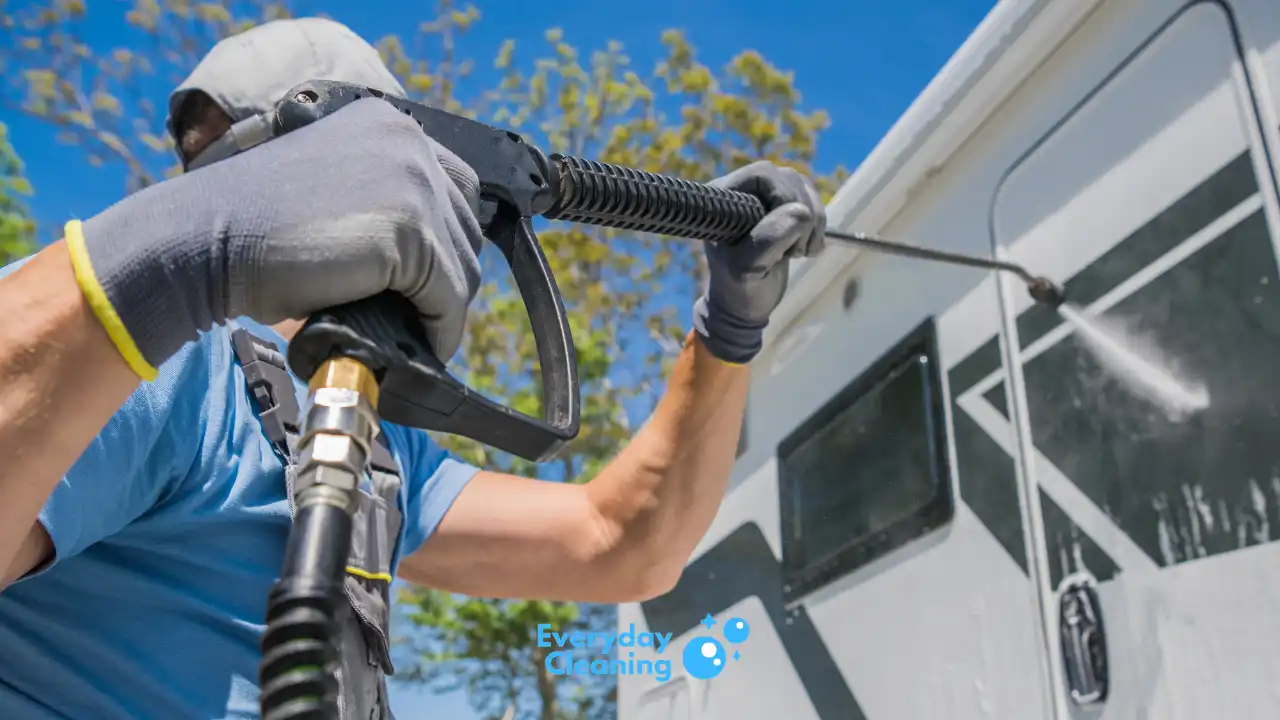
Picking the wrong PSI is one of the most common pressure washer mistakes. Too low and you’re wasting your time scrubbing anyway. Too high and you’ll strip paint, etch concrete, or blow holes in wood siding.
This guide breaks down exactly what PSI you need for each cleaning job, and explains the marketing tricks manufacturers use to make machines sound more powerful than they really are.
What PSI Actually Means
PSI stands for pounds per square inch. It measures how hard the water hits the surface.
Higher PSI means more force. That’s useful for stripping grease off concrete. It’s a problem when you’re washing your car or rinsing patio furniture.
PSI works together with GPM (gallons per minute), which measures water flow. Multiply the two and you get “cleaning units” (PSI x GPM = CU). A machine with 2,000 PSI and 1.5 GPM cleans faster than a 3,000 PSI machine with only 0.8 GPM. Most people focus only on PSI and ignore GPM entirely. That’s a mistake.
Best PSI for Every Common Job
This is where most buyers need to start. Match your main task to the PSI range, and you’ll know immediately which machine fits.
Washing Your Car: 1,200 to 1,900 PSI
Car paint is sensitive. Even a small scratch from high pressure can damage a clear coat and create rust over time.
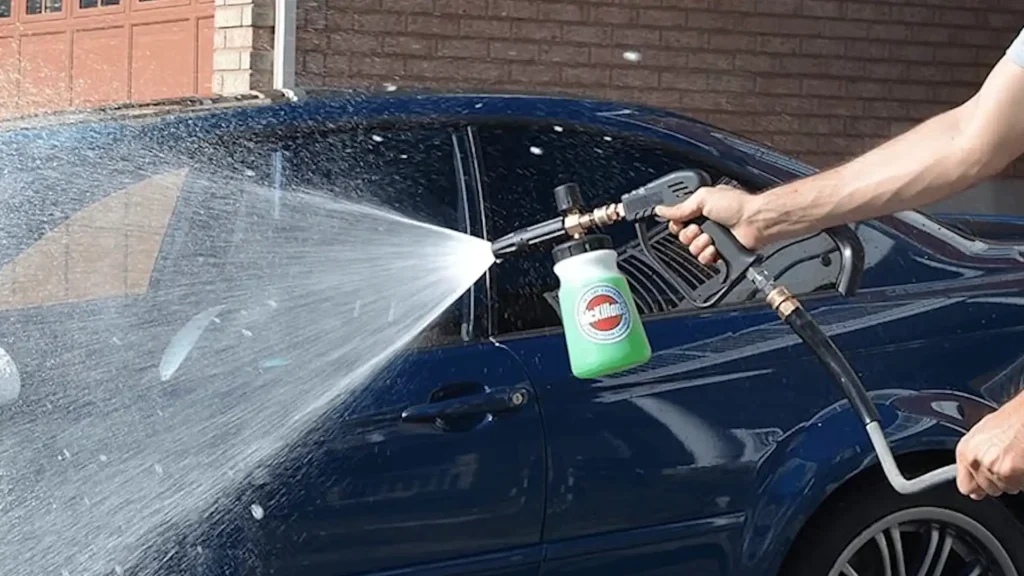
Stay under 2,000 PSI for any vehicle. Use a wide-angle nozzle (40-degree white tip) and keep the wand at least 12 inches from the surface. If you’re detailing wheels or undercarriages, a portable pressure washer with adjustable PSI gives you more control than a fixed-output machine.
Cleaning Patio Furniture and Cushions: 1,200 to 1,800 PSI
Most outdoor furniture is plastic, wicker, or aluminum. None of it needs heavy force to clean.
This is a light job. A compact electric washer handles it easily. Avoid anything over 2,000 PSI here or you risk cracking plastic welds or forcing water into cushion fabric. Check out the full guide on how to clean patio furniture for more detail on technique.
Washing House Siding: 1,500 to 2,500 PSI
Vinyl siding is the most common, and it does fine at 1,500 to 2,000 PSI. Wood siding is trickier.
For wood, keep pressure at or below 1,500 PSI and always spray with the grain, not across it. Going too aggressive strips paint and drives water behind the boards, which creates mold. If you’re dealing with mildew or algae buildup, here’s a step-by-step guide on how to remove mildew from siding that explains safe technique.
Cleaning Decks and Fences: 1,500 to 2,500 PSI
Wood decking requires some care. Softwoods like pine can splinter or furrow at anything above 1,500 PSI. Hardwood and composite decking can take up to 2,500 PSI without issue.
Always test a small hidden section first. Hold the nozzle farther back than you think you need to. Pressure washers make it easy to overdo it on wood surfaces.
Driveways, Concrete, and Brick: 2,500 to 3,500 PSI
This is the job that actually needs real pressure. Concrete absorbs oil, grease, tire marks, and algae deep into the surface. Light machines won’t cut through it.
A 3,000 PSI electric pressure washer is the sweet spot for most driveways. If you’re dealing with serious grease stains or older, heavily soiled concrete, gas-powered machines in the 3,000 to 3,500 PSI range work better. The best pressure washer for driveways roundup covers the top picks if you’re shopping for this specific job.
Heavy Grease, Paint Stripping, or Commercial Use: 3,500 PSI and Up
This is contractor territory. You won’t need this for routine home cleaning.
If you’re removing old deck stain before refinishing, stripping paint from concrete, or running a property maintenance business, machines above 3,500 PSI (usually gas-powered) are the right tool. For most homeowners, they’re overkill and harder to control safely.
PSI Quick Reference by Task
| Job | Recommended PSI | Notes |
|---|---|---|
| Car wash | 1,200 to 1,900 | Wide nozzle, keep distance |
| Patio furniture | 1,200 to 1,800 | Low force needed |
| Wood siding | 1,500 to 2,000 | Spray with the grain |
| Vinyl siding | 1,500 to 2,500 | Check for gaps first |
| Wood deck | 1,500 to 2,000 | Test on hidden area first |
| Composite deck | 2,000 to 2,500 | More forgiving than wood |
| Concrete driveway | 2,500 to 3,500 | GPM matters as much as PSI |
| Heavy grease or paint | 3,500+ | Gas machines recommended |
The PSI Marketing Problem
Here’s where things get dishonest.
Manufacturers list “max PSI” on the box. That number is almost always measured at zero flow, meaning no water running through the machine. The moment you actually use the washer, PSI drops significantly.
A machine advertised as 3,200 PSI might only deliver 2,200 to 2,500 PSI under real operating conditions. That’s still a capable machine. But it’s not what the box says.
What to Look for Instead
Look for machines that carry PWMA (Pressure Washer Manufacturers Association) or CETA (Cleaning Equipment Trade Association) certification. These organizations require manufacturers to test and certify their machines at actual operating conditions, not peak theoretical output.
A PWMA-certified 2,000 PSI machine is genuinely delivering 2,000 PSI. An uncertified “3,000 PSI” machine might only deliver 1,800 PSI when you’re actually using it.
This matters most in the mid-range price bracket, where pressure washer marketing gets most aggressive. Budget brands with inflated PSI numbers are very common.
The GPM Factor
Many buyers look only at PSI and ignore GPM. This is a mistake.
A machine with 2,500 PSI and 2.0 GPM cleans faster and more effectively than a 3,000 PSI machine with only 1.0 GPM. The higher flow rate keeps dirt moving and rinsed away instead of just pushing it around the surface.
For most home jobs, aim for at least 1.5 GPM. Driveway and concrete cleaning gets noticeably faster at 2.0 GPM and above.
Do You Need Electric or Gas?
PSI requirements also help you decide between electric and gas.
Electric pressure washers top out around 2,000 to 3,200 PSI in consumer models. They’re quieter, easier to maintain, and fine for cars, siding, furniture, and most decks. A good electric pressure washer handles 90% of home cleaning jobs without any hassle.
Gas-powered machines start around 2,500 PSI and can push 4,000 PSI and beyond. They’re the right choice for heavily soiled driveways, commercial work, or jobs where you need to move a lot of water fast. They’re louder, require more maintenance, and aren’t practical for light cleaning tasks.
Battery-powered models exist too. Most stay under 1,000 PSI, which is fine for rinsing jobs but won’t cut through grime the way corded electric or gas machines do.
Frequently Asked Questions
Is 2,000 PSI enough for a driveway?
For lightly soiled concrete or asphalt with everyday dirt and some algae, 2,000 PSI can work. For oil stains, tire marks, or concrete that hasn’t been washed in years, you’ll want 2,500 to 3,000 PSI. The low end is fine for maintenance cleaning, not for deep restoration. If you’re trying to remove oil stains from your driveway, more pressure will save you a lot of time.
Can too much PSI damage concrete?
Very high PSI can etch concrete surfaces, especially newer or lower-grade concrete. Staying at or below 3,500 PSI and using a surface cleaner attachment rather than a pinpoint nozzle reduces the risk significantly. Never use a zero-degree (red tip) nozzle on concrete at close range.
What PSI is safe for washing a car?
Stay under 2,000 PSI and use a 40-degree wide nozzle. Keep at least 12 inches of distance from the paint. Touchless car washes use around 1,000 to 1,200 PSI. Going higher risks scratching clear coat, especially on older vehicles.
Should I trust the PSI number on the box?
Not entirely. Most manufacturers list maximum PSI measured at zero flow. The real-world PSI under normal use is lower. Look for PWMA or CETA-certified machines if you want accurate specs. Checking whether a machine is certified takes two minutes and can save you from buying an overpowered machine that actually underperforms.
One Comment
Comments are closed.