How to Fix a Steam Mop – Easy DIY
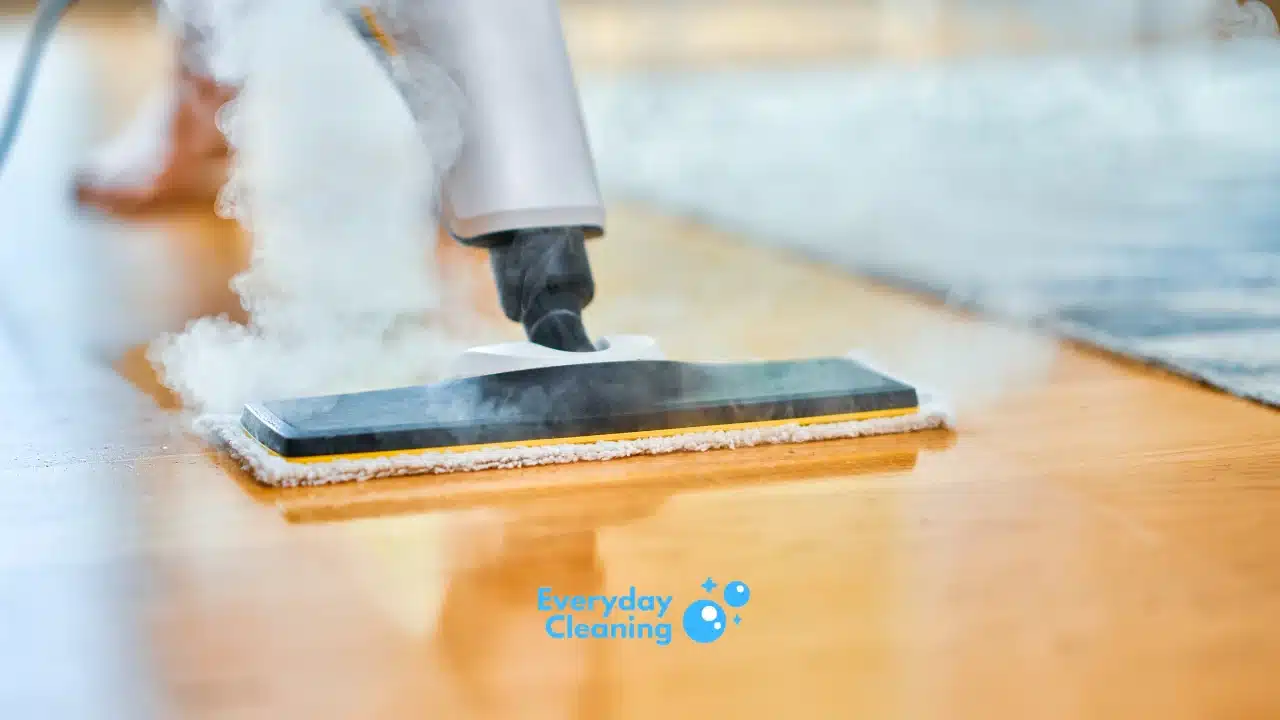
My steam mop quit on me. It heated up, gurgled loudly, and gave me no steam at all. I almost bought a new one, but one look at the price changed my mind.
So I tried cleaning vinegar, the same trick I use to descale my coffee maker. About 2 minutes after I hit the steam button, it was blasting steam again.
Here is exactly what I did. It costs a few dollars and takes about 30 minutes.
Why Your Steam Mop Stopped Making Steam?
Hard water is the usual culprit. Tap water carries minerals, and those minerals build up inside the heating chamber over time. Eventually the steam has no way out.
The sign is easy to spot. The mop makes a loud gurgling sound as it heats up, but nothing comes out of the pad. If that sounds familiar, scale is most likely the problem.
I had the same issue with my own mop. I almost bought a replacement, then decided to try a descale first. It worked.
If your problem is a bit different, our guide on a steam cleaner not producing steam covers other causes too.
What You’ll Need
Nothing fancy here. Most of this is probably already in your house.
- Cleaning vinegar
- Water
- A sponge or scrub pad
- A heavy-duty cleaner for the mop head (optional)
- Distilled water for refilling
- A clean mop pad
Cleaning vinegar is stronger than the regular white vinegar in your pantry. It works faster on mineral buildup. That is why I use it here.
How to Fix a Steam Mop Step by Step
Always unplug the mop and let it cool before you fill or empty the tank. Steam and hot water burn fast. Take a quick look at your manual too, since some brands say not to use vinegar.
Step 1: Confirm the Problem
Fill the tank with plain water, plug it in, and set it to high. Wait a minute or two.
If you hear gurgling and get no steam, keep going. If the mop does not make any sound at all, check the outlet and the cord first.
Step 2: Empty the Tank
Unplug the mop. Pour out all the old water.
Do not skip this. You want the vinegar mix to reach the buildup, not get watered down.
Step 3: Mix Vinegar and Water 50/50
Fill the tank halfway with water. Top it off with cleaning vinegar.
That is a 50/50 mix. Put the cap back on and make sure it is seated tight.
Step 4: Heat It Up and Let It Sit
Plug the mop in and let it heat up. This lets the vinegar start working inside the heating chamber.
Then walk away for about 10 minutes. I do this because it works for my coffee maker. I am not sure it is required, but it does not hurt.
Step 5: Hit the High Steam Button
After 10 minutes, press the high steam button. Listen closely.
The gurgling got louder for me, and that gave me hope. It took about 2 minutes, then the steam started to flow.
That moment feels great. You just saved yourself a new mop.
Step 6: Run the Vinegar Through
Now let the mop push the vinegar and water out. Do this over a tile floor, a tray, or a stack of old towels.
Do not do it on hardwood. Hot vinegar water is not what you want sitting on a wood finish. Our guide on using a steam mop on hardwood floors explains why.
Flip the pad from one side to the other as you go. This cleans both sides with vinegar. When one side gets dirty, flip to the other before you swap to a fresh pad.
If your mop has a steam blast feature, tilt it down and use it. Mine shoots a strong jet of steam from the front nozzle. It also loosens stuck-on spots on the floor.
You will notice the steam comes in bursts. It slows down, then picks up as the water reheats. That is normal.
Step 7: Keep Going Until the Tank Is Empty
Run the mop until the water and vinegar are almost gone. It does not take long.
Watch the steam as the tank empties. It should stay strong. Mine was the best it has been in a long time.
Step 8: Look at What Came Out
Unplug the mop once the tank is dry. Lift it and check the tray or towel underneath.
You may see a white, gritty material that feels like sand. That is the mineral scale. It is also how you know the fix actually worked.
Step 9: Rinse Out the Vinegar
Fill the tank with fresh water and let it drain. Repeat once or twice.
Some people skip this with a steam mop. I do not. I do not want my floors smelling like vinegar.
Step 10: Clean the Mop Head
Take a look at the bottom of the mop head. Hard water scale often hangs on there too.
I spray it with a heavy-duty cleaner, scrub it with a sponge, and rinse it off. I like Greased Lightning, which you can find at Home Depot. A dirty pad also hurts performance, so our guide on how to clean a mop head is worth a look.
How to Keep Your Steam Mop From Clogging Again
Fixing the mop once is easy. Keeping it fixed is even easier.
Use Distilled Water
This is the biggest thing you can do. Distilled water has the minerals removed, so there is nothing to build up.
You can use other filtered water if you have to. Distilled is the best option. It costs about a dollar a gallon at most stores.
Empty the Tank After Every Use
Do not leave water sitting in the tank. Pour it out when you finish mopping.
Standing water is how scale gets a head start. It also keeps the inside of the mop fresher.
Descale Every Few Months
If you have hard water and use tap water, repeat the vinegar flush every few months. If you use distilled water, you will need it much less often.
Do it before the mop stops working, not after. It is a lot easier to maintain than to rescue.
Do Not Add Random Cleaners to the Tank
Stick to water unless your manual says otherwise. Floor cleaners and scents can leave residue inside the heating chamber.
We have a full breakdown on whether you can put cleaner in a steam mop if you want the details. For most mops, the answer is to keep it simple.
Still No Steam? What to Do Next
Sometimes one flush is not enough. If you have a lot of buildup, a second round can help.
Run the same steps again with a fresh 50/50 mix. Let it sit a little longer before you hit the steam button.
If there is still no steam after two rounds, the pump or heating element may be dead. At that point, repair usually costs more than it is worth. Check out our picks for the best steam mops for home use if it is time to replace it.
On a tight budget, our best budget steam mop list has solid options that do not cost much. And if you are new to these machines, what a steam mop is and how it works is a good place to start.
Frequently Asked Questions
Can you use vinegar in a steam mop?
Many people do it to descale, and it worked well for me with a 50/50 mix. But some manufacturers say not to use it, and it may affect your warranty. Check your manual first.
What is the difference between cleaning vinegar and white vinegar?
Cleaning vinegar is stronger, so it breaks down mineral buildup faster. Regular white vinegar can work, but it may take longer or need a second round. For more uses around the house, see our guide to DIY vinegar cleaning.
Why does my steam mop gurgle but not make steam?
Mineral scale is blocking the steam path in the heating chamber. The water heats up and bubbles, but the steam cannot get out. A vinegar flush usually clears it.
How often should I descale my steam mop?
Every few months is a good rule if you use tap water. If you always use distilled water, you will rarely need to. Do it right away if steam output starts to drop.
Do I have to rinse the tank after using vinegar?
It is not strictly required, but I recommend it. Fill it with fresh water and drain it a couple of times. It keeps your floors from smelling like vinegar.
Is it worth fixing a steam mop or should I buy a new one?
Try the vinegar flush first. It costs almost nothing and fixes a clog caused by scale. If it does not work after two rounds, replace it.