How to Clean Carpet Pad Without Removing Carpet (5 Steps That Work)
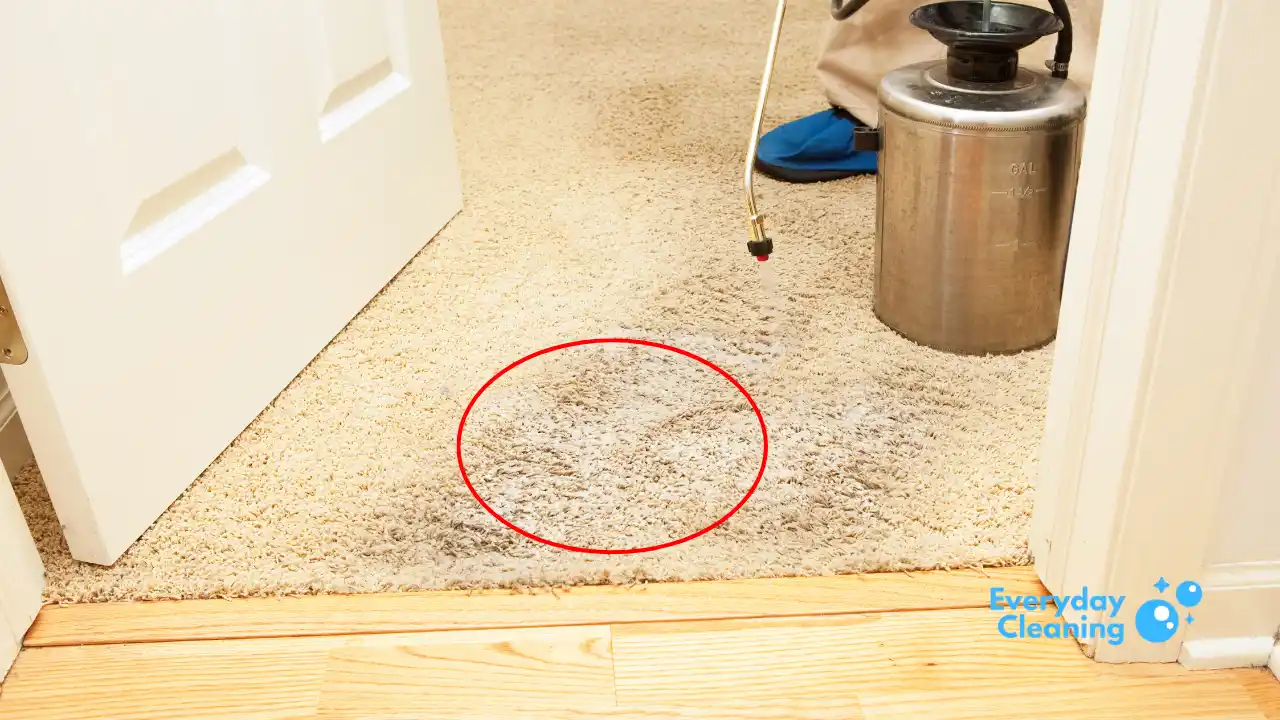
Spilled something big, or your dog peed in the same spot again, and you know it soaked through to the pad. Pulling up the whole carpet costs real money and wrecks your week, so here is how to clean carpet pad without removing carpet. Done right, a carpet cleaner at home can fix about 80% of these problems. I’ll also tell you straight where it stops working.
Why Is a Carpet Pad So Hard to Clean?
Picture three layers. The carpet fibers sit on top, a backing layer sits under them, and the pad sits below that like a thick sponge. Liquid goes through all three in seconds.
Getting it back out is the hard part. When you pull suction from the top, the backing fights you. It blocks airflow, so the water at the bottom of the pad barely moves.
A thick pad makes it worse. The more cushion you have, the more liquid it holds, and the longer it takes to dry. That is also why a spill on a plush carpet can look small on top and still be the size of a dinner plate underneath.
That is why a quick pass with a machine often leaves the pad wet and still smelly. The carpet feels dry in a few hours. The pad underneath can stay damp for days.
Here is the thing. Spraying more water is the wrong fix. Extra water goes straight down into the pad, and a damp pad is exactly where mildew starts.
So the goal is not to flush the pad. The goal is to treat it, pull out as much liquid as you can, and dry everything fast.
What You’ll Need
Nothing fancy. You probably own most of this already.
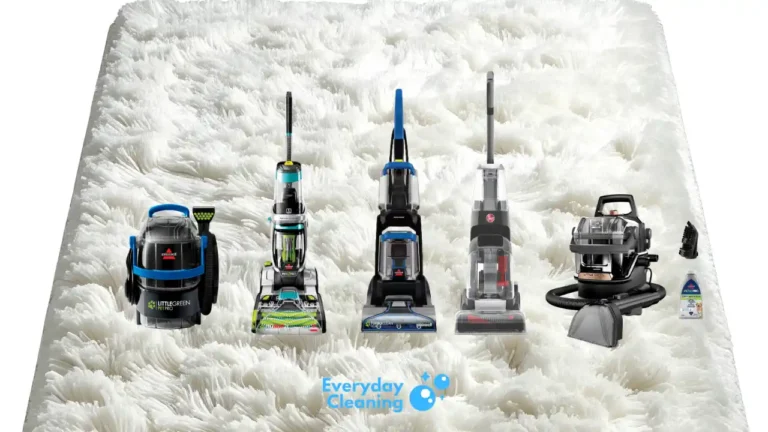
- A carpet cleaner with strong suction (I use a Bissell HydroSteam)
- An enzyme cleaner if the spill was pet urine, food, or anything organic
- Clean white towels or a wet/dry shop vac
- A few fans, and a dehumidifier if you have one
- Distilled white vinegar and baking soda for odor
Skip the heavy foaming shampoos. They leave residue and make the next spill worse.

- EVERY PURCHASE SAVES PETS. BISSELL proudly supports BISSELL Pet Foundation and its mission to help save homeless pets.
- HYDROSTEAM TECHNOLOGY. The ONLY carpet cleaner with the power of HydroSteam Technology.

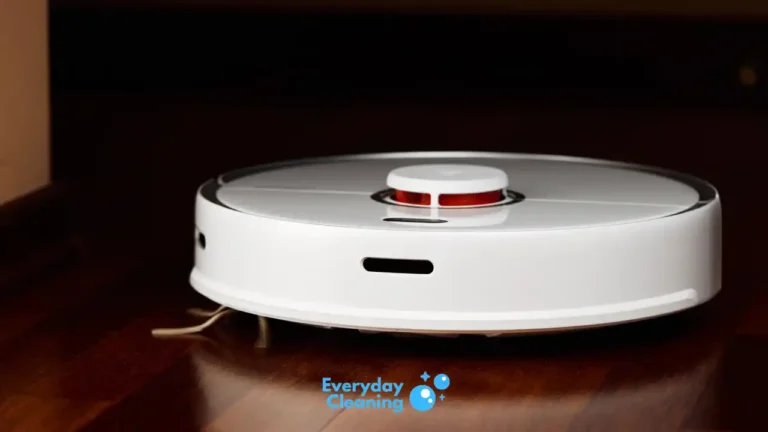
The Bissell HydroSteam has a pre-treat step before the brushes start, and that helps with set-in messes. It also has dual brushes and a large dirty tank. At the premium price tier, it is not cheap. If you want a more detailed look at models like this, our pet steam cleaner tests cover four Bissell options.
How to Clean Carpet Pad Without Removing Carpet in 5 Steps
Work in small sections, about 2 by 2 feet. Do the whole job in one afternoon so the pad has time to dry before bedtime.
Step 1: Blot and Extract the Excess
Start with whatever is still wet. Press clean white towels onto the spot and stand on them. Swap towels until they come up mostly dry.

If you have a wet/dry shop vac, use it now. The more liquid you pull out first, the less your carpet cleaner has to fight later.
Do not scrub. Scrubbing pushes the liquid deeper and frays the fibers.
Step 2: Treat the Spot Before You Run the Machine
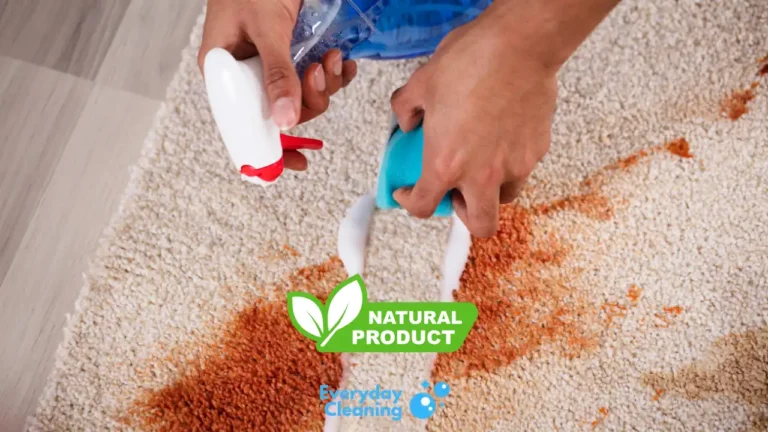
Match the treatment to the mess. For pet urine, food, or milk, use an enzyme cleaner. Enzymes break down the organic stuff that causes the smell.
Pour it on lightly. You want the carpet damp, not soaked. Let it sit for 10 to 15 minutes, or follow the label.

If you want to make your own mix for the machine, our homemade carpet cleaner recipes are a safe place to start. Stay away from anything that foams heavily.
Sugary drinks like soda and juice need a different approach. Sugar turns sticky as it dries and attracts dirt, so a plain warm water rinse in the machine works better than a strong cleaner. Coffee and tea respond well to a little white vinegar mixed with water.
For old pet accidents, our guide on cleaning old dog pee from carpet goes deeper on the enzyme step.
Step 3: Run the Steam Carpet Cleaner Slowly
Fill the clean tank with hot tap water and the cleaning formula. Use the pre-treat or steam feature if your machine has one. On the Bissell, that is the HydroSteam setting.

Now go slow. Push forward while you spray, then pull back with the trigger released so only suction runs. One slow wet pass and two or three dry passes is a good rhythm.
Here is where most people go wrong. They keep spraying because the spot still looks dirty. Every extra spray sends more water toward the pad.
Watch the dirty tank. If the water coming back is still brown, keep extracting. If it runs clear, stop.
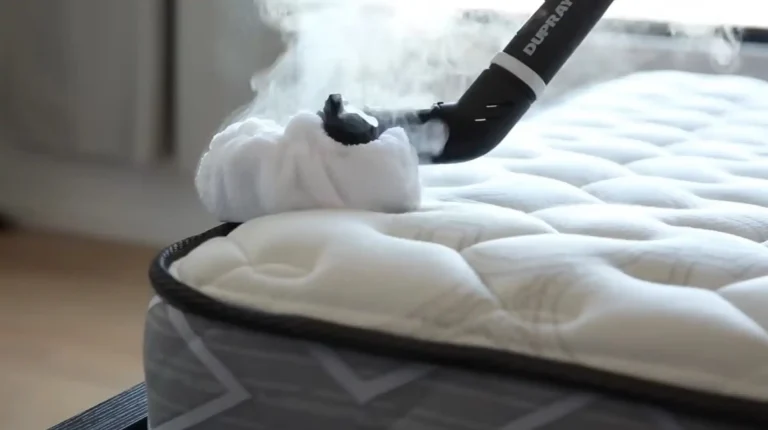
Use hot tap water, not boiling. Water that is too hot can set some stains and may damage certain backings. Check your carpet’s care label if you are not sure.
Let the brushes do the work. Pressing hard does not clean better, and it can roughen the pile. Smooth, steady passes beat fast ones every time.
Step 4: Extract Again With Dry Passes Only
This step feels boring, and it matters most. Turn off the spray and make dry passes only. Go over each section until you see almost no water in the hose.
Press down on the tool a little. Better contact means better suction. You are trying to pull moisture up through the backing from the pad.
Do this in two directions, like mowing a lawn. First pass north to south, second pass east to west.
If you have a wet/dry shop vac, finish with that. It often pulls a bit more out.
Step 5: Dry Fast and Check the Pad
Speed matters here. Mildew can start in as little as 24 to 48 hours in a damp pad.
Aim fans at the carpet from a low angle. Run the dehumidifier or air conditioner and keep windows open if the air outside is dry. Our guide on drying carpet quickly after cleaning has a full setup.
After about 6 hours, press a dry towel flat on the spot and put some weight on it. If the towel comes up damp, the pad is still wet. Keep the fans running.
If you can reach an edge, there is a better test. Near a wall or a doorway, you can often lift a small corner of carpet from the tack strip and feel the pad directly. Use a flashlight to look for dark, damp patches, and sniff the pad. Press the carpet back down when you are done, and call a pro if you are not comfortable doing it.
Most carpets feel dry on top in a few hours. The pad often takes longer. Plan on 24 hours before you move furniture back.
Sprinkle baking soda on the dry carpet, wait a few hours, then vacuum it up. It helps with leftover odor.
Wicking: Why the Stain Comes Back
You cleaned it. It looked perfect. Three days later the brown spot is back.
That is wicking. Moisture from the pad rises up through the carpet as it dries, and it carries dirt and urine salts with it. The stain shows up on the surface again.
Spills with sugar or pet urine wick the most. Sugar and urine salts stay behind in the pad, and they ride the moisture right back up to the top. Plain water spills almost never do this.
It is annoying, but it does not always mean you failed. It usually means some contamination is still sitting in the pad or the backing.
How to Handle Wicking
First, wait until the spot is fully dry. Cleaning a wet stain just spreads the problem.
Then blot the spot with a damp white towel and a little enzyme cleaner. Do not soak it. Put a dry towel on top, weigh it down with a heavy book, and leave it overnight.
The towel pulls moisture up and out instead of letting it go into the fibers. Replace the towel the next day if it is still picking up color.
Repeat the process two or three times if you need to. Each round pulls out a little more.
If the stain keeps coming back after three tries, the pad is holding too much contamination. That leads to the next section.
A Quick Word on Odor
A smell that comes back on humid days usually means urine is still in the pad. The humidity wakes it up. An enzyme cleaner and a second extraction pass helps. If the smell keeps returning, see the limits below.
When This Won’t Work (and What to Do Instead)
I told you this method fixes about 80% of pad problems. The other 20% is real, and you should know what it looks like before you waste a weekend.
This method has limits. A machine from the top cannot fully clean a pad that is badly soaked or heavily contaminated. Here is when to stop and move to Plan B.
- Repeated pet accidents in the same spot. Urine soaks deep into the pad and dries into crystals. Surface cleaning does not reach all of it.
- A smell that returns after two full rounds. The source is still in the pad.
- Flooding or a burst pipe. Standing water in a pad needs professional drying equipment, fast.
- Visible mold, or a musty smell with no clear source. Read our guide on the warning signs of mold under carpet before you go any further.
- Black water or sewage. Do not DIY this. Call a professional.
In those cases, the real fix is cutting out that section of carpet, replacing the pad, and putting the carpet back. A carpet installer can do a patch repair for much less than a full re-carpet. Some jobs take only an hour or two.
Also check what machine you actually own. A true carpet extractor is different from a basic steam unit, and the difference matters for pad work. Our comparison of steam cleaner vs carpet cleaner explains which does what. If you want a machine built for pet messes, see our picks for the best carpet cleaners for dog urine.
For a typical spill, a one time accident, or a fresh pet mess, this 5 step method works. Be honest about the spot. If it has been soaked for weeks or keeps coming back, plan on replacing that piece of pad.