How to Clean Matte Walls Without Removing Paint

Matte walls create a sophisticated, elegant look in any home, but they come with their own unique cleaning challenges. Unlike their glossy counterparts, matte finishes are more delicate and require special care to maintain their beautiful appearance.
The good news is that with the right techniques and gentle approach, you can keep your matte walls looking fresh and clean without compromising the paint finish. This comprehensive guide will walk you through everything you need to know about safely cleaning matte walls, from understanding why they’re different to mastering the gentle cleaning methods that protect your investment.
Understanding Matte Paint and Why It Requires Special Care
Before diving into cleaning methods, it’s essential to understand what makes matte paint different from other finishes. Matte paint, also known as flat paint, has a porous surface texture that creates its signature non-reflective appearance. This porous quality is what gives matte walls their elegant, velvety look, but it also makes them more susceptible to damage from aggressive cleaning methods.
The microscopic texture of matte paint can trap dirt, dust, and stains more easily than glossy surfaces. However, this same texture also means that harsh scrubbing or strong cleaning chemicals can permanently damage the finish, leaving you with patchy, worn-looking walls that require complete repainting.
Essential Supplies for Safe Matte Wall Cleaning
Having the right tools and cleaning solutions is half the battle when it comes to cleaning matte walls effectively. Here’s what you’ll need to gather before you begin:
Cleaning Tools:
- – Microfiber cloths (several clean ones)
- – Soft-bristled vacuum brush attachment
- – Clean, dry towels for drying
- – Spray bottles for cleaning solutions
- – Step ladder (if needed for high areas)

Gentle Cleaning Solutions:
- – Warm water
- – Mild dish soap (like Dawn or similar gentle formulas)
- – White vinegar
- – Baking soda (for stubborn stains)
- – Commercial matte paint cleaners (optional)
The key to success lies in using the gentlest methods first and gradually increasing intensity only if necessary. Always test any cleaning solution on an inconspicuous area first to ensure it won’t damage or discolor your matte finish.
Step-by-Step Guide
Step 1: Dust Removal – The Foundation of Matte Wall Care
Start every cleaning session by removing loose dust and debris from your walls. Use a soft-bristled vacuum brush attachment set to low suction, or gently wipe the walls with a clean, dry microfiber cloth. Work from top to bottom in long, smooth strokes, paying special attention to corners, baseboards, and areas around light switches and outlets where dust tends to accumulate.
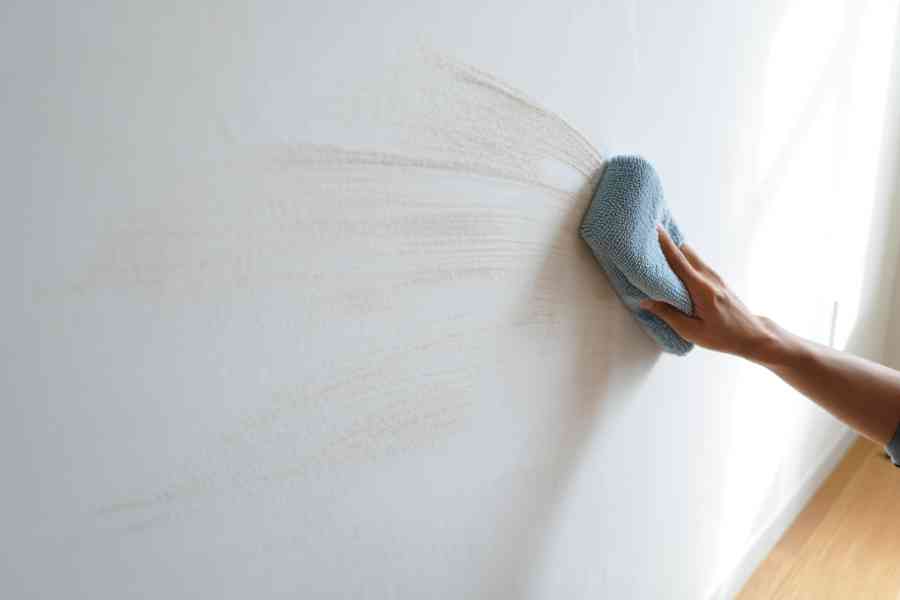
This preliminary step is crucial because attempting to clean over dust and debris can create muddy streaks or scratch the delicate matte surface. Take your time with this process – it’s much easier to remove dust when it’s dry than after it’s been mixed with cleaning solution.
Step 2: Prepare Your Gentle Cleaning Solution
For most general cleaning needs, create a mild solution by mixing one teaspoon of gentle dish soap with one quart of warm water. This ratio provides enough cleaning power to remove most dirt and light stains while remaining gentle enough for matte surfaces.
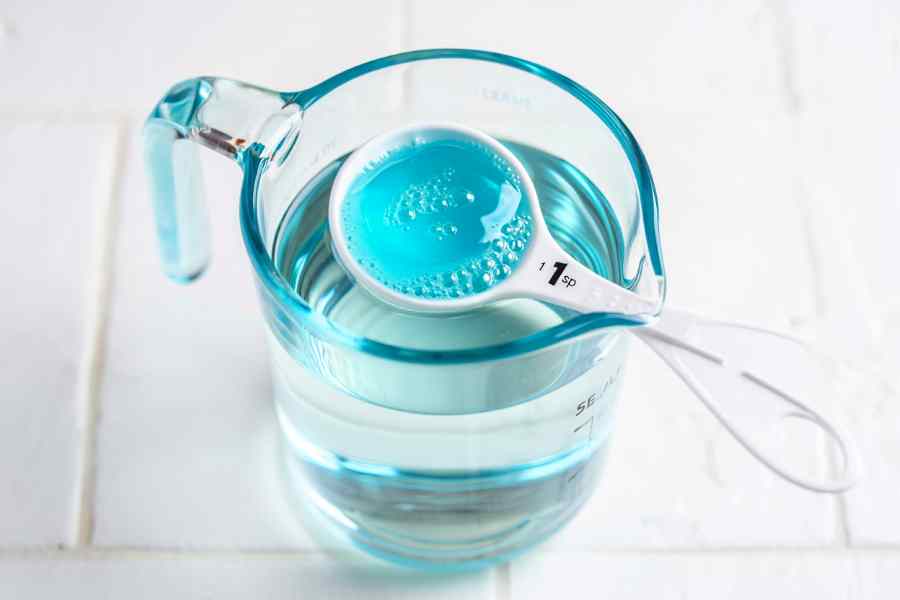
For slightly more challenging cleaning tasks, you can create a vinegar solution by mixing one part white vinegar with three parts warm water. This natural cleaning solution is excellent for removing fingerprints, light scuffs, and general soil without damaging the paint finish.
Step 3: The Gentle Cleaning Technique
Dip a clean microfiber cloth into your chosen cleaning solution and wring it out thoroughly – it should be damp but not dripping wet. Excess moisture can seep into the porous matte surface and potentially cause damage or discoloration.
Working in small sections of about three feet square, gently wipe the wall using light, circular motions. Avoid applying pressure or scrubbing motions, which can burnish the matte finish and create permanent shiny spots. Instead, let the cleaning solution do the work while you provide gentle guidance with your cloth.
After cleaning each section, immediately follow up with a clean, damp cloth to remove any soap residue, then dry the area with a soft, clean towel. This three-step process – clean, rinse, dry – ensures that no cleaning residue remains on the wall to attract more dirt or create streaks.
Step 4: Addressing Stubborn Stains and Marks
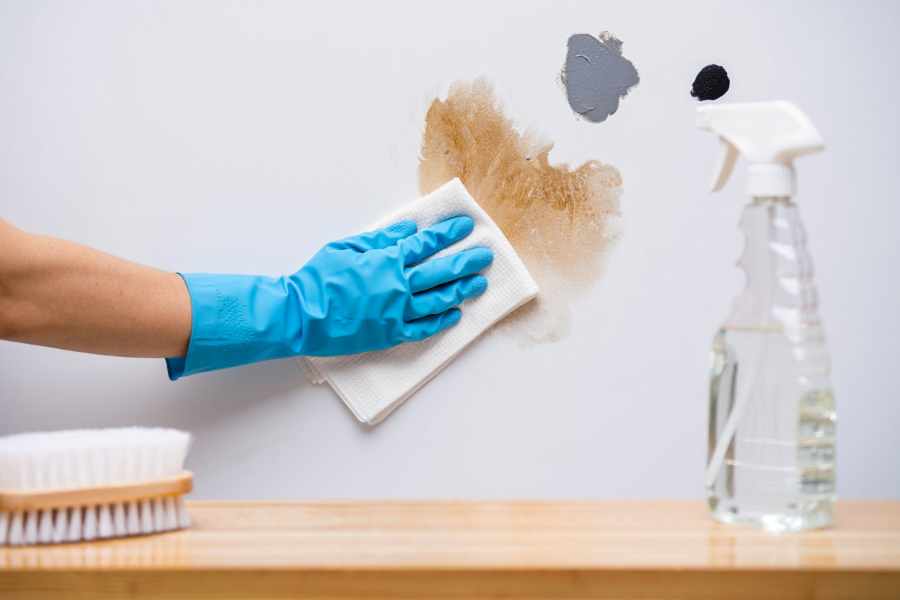
For more challenging stains or marks, resist the urge to scrub harder. Instead, try these gentle approaches:
For grease stains or fingerprints: Create a paste using baking soda and a small amount of water. Gently apply the paste to the stain using a soft cloth, let it sit for a few minutes, then carefully wipe away with a damp cloth. The mild abrasive action of baking soda can help lift stains without damaging the matte finish.
For crayon marks or scuffs: Try using a slightly damp cloth with a tiny amount of toothpaste (the non-gel variety). The mild abrasives in toothpaste can help remove marks while being gentle enough for matte surfaces.
For persistent stains: Sometimes, patience is your best tool. Apply your cleaning solution to the stain and let it sit for several minutes before gently wiping away. Repeat this process several times if necessary, rather than increasing pressure or using stronger chemicals.
Advanced Techniques for Challenging Cleaning Situations
Dealing with Water Stains and Discoloration
Water stains on matte walls require special attention because they often involve discoloration that has penetrated the paint surface. For these situations, create a solution of equal parts white vinegar and water. Apply the solution sparingly to the stained area and allow it to work for several minutes before gently blotting – never rubbing – with a clean cloth.
If the water stain persists, you may need to use a commercial stain-blocking primer followed by touch-up paint. Sometimes, despite our best efforts to clean matte walls without removing paint, certain stains require more intensive treatment.
Removing Adhesive Residue Safely
Adhesive residue from tape, stickers, or wall decals can be particularly challenging on matte surfaces. Start by gently warming the adhesive with a hair dryer set on low heat, which can help soften the residue. Then, use a plastic scraper or old credit card to carefully lift away the softened adhesive.
For any remaining residue, apply a small amount of coconut oil or olive oil to a soft cloth and gently work it into the adhesive. The oil helps break down the sticky residue without damaging the paint. Follow up with your standard cleaning solution to remove any oil residue.
Comparison of Cleaning Methods for Matte Walls
| Cleaning Method | Effectiveness | Safety for Matte Paint | Time Required | Best For |
|---|---|---|---|---|
| Dry dusting | Good for surface dirt | Very safe | 5-10 minutes | Regular maintenance |
| Mild soap solution | Excellent for general cleaning | Safe when properly diluted | 15-20 minutes | Weekly cleaning |
| Vinegar solution | Good for stains and fingerprints | Safe in proper ratios | 15-25 minutes | Deep cleaning |
| Baking soda paste | Excellent for stubborn stains | Safe with gentle application | 20-30 minutes | Spot treatment |
| Commercial cleaners | Variable | Requires testing | 10-15 minutes | Specific stains |
Professional Tips for Maintaining Matte Walls
Industry professionals recommend establishing a regular cleaning routine to prevent dirt and stains from building up on matte surfaces. Weekly dusting with a microfiber cloth and monthly gentle cleaning with mild soap solution can keep your walls looking their best while minimizing the need for more intensive cleaning methods.
Regular maintenance cleaning is significantly more effective at preserving paint finish integrity than periodic deep cleaning sessions.This finding supports the gentle, consistent approach we’ve outlined for how to clean matte walls without removing paint.
Professional painters also recommend keeping touch-up paint on hand for areas that may need spot treatment. Sometimes, despite careful cleaning, certain stains or damage may require a small amount of paint touch-up to restore the wall’s appearance completely.
Common Mistakes to Avoid When Cleaning Matte Walls
Understanding what not to do is just as important as knowing the correct techniques. Here are the most common mistakes homeowners make when cleaning matte walls:
Using too much water: Oversaturating the cleaning cloth can cause water to seep into the paint’s porous surface, potentially causing discoloration or damage. Always wring out your cleaning cloth thoroughly before use.
Scrubbing too aggressively: The temptation to scrub away stubborn stains can be strong, but aggressive scrubbing will burnish the matte finish, creating permanent shiny spots that can only be fixed with repainting.
Using harsh chemicals: Bleach, ammonia-based cleaners, and other strong chemicals can permanently damage matte paint. Stick to gentle, pH-neutral cleaning solutions.
Forgetting to test first: Always test your cleaning solution on an inconspicuous area before cleaning the entire wall. What works on one type of matte paint may not work on another.
Skipping the drying step: Allowing walls to air dry can leave water spots or streaks on matte surfaces. Always dry cleaned areas immediately with a soft, clean towel.
Preventive Measures to Keep Matte Walls Cleaner Longer
The best approach to maintaining matte walls is preventing them from getting heavily soiled in the first place. Install adequate ventilation in kitchens and bathrooms to reduce moisture and grease buildup. Use door mats and encourage family members to wash hands regularly to reduce the transfer of oils and dirt to walls.
Consider applying a clear, matte protective coating in high-traffic areas or rooms where children spend time. These products can provide an additional barrier against stains while maintaining the matte appearance you love.
Regular maintenance is key – dust walls weekly with a microfiber cloth, address spills and marks immediately while they’re fresh, and perform gentle monthly cleaning to prevent buildup that requires more aggressive treatment.
Conclusion
Learning how to clean matte walls without removing paint doesn’t have to be complicated or stressful. With the gentle techniques, proper supplies, and patient approach outlined in this guide, you can maintain the beautiful appearance of your matte walls for years to come. Remember that consistency and gentleness are your best friends when it comes to matte wall care – regular light cleaning is far more effective and safer than occasional intensive scrubbing. By following these proven methods and avoiding common mistakes, you’ll keep your matte walls looking fresh and elegant while protecting your investment in quality paint finishes.