
How to Clean a Carpet at Home
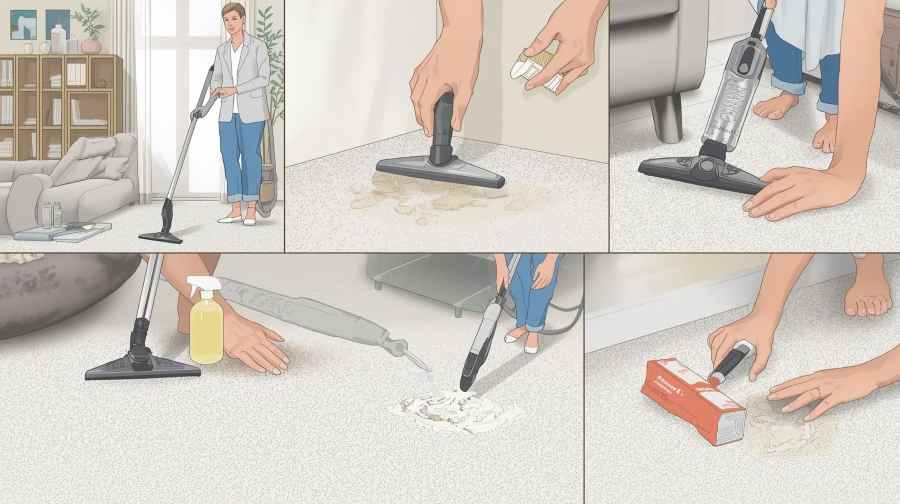
Keeping your carpets clean isn’t just about appearances—it’s about creating a healthier home environment for you and your family. Whether you’re dealing with everyday dirt, stubborn stains, or just want to give your carpets that fresh, deep-clean feel, this guide will walk you through everything you need to know about how to clean a carpet properly.
Many homeowners put off carpet cleaning because they think it’s complicated or expensive. The truth is, with the right approach and tools, you can maintain beautiful carpets without breaking the bank or spending entire weekends on the task.
Table of Contents
Understanding Your Carpet Type
Before diving into cleaning methods, it’s crucial to identify what type of carpet you’re working with. Different materials require different approaches, and using the wrong method can actually damage your carpet fibers.

| Carpet Type | Key Characteristics | Detailed Guide |
| Synthetic Carpet (Nylon, Polyester, Olefin) | They handle most cleaning solutions well and dry relatively quickly. Synthetic carpets are forgiving and work well with both DIY and professional cleaning methods. | How to Clean Synthetic Carpet |
| Wool Carpets | Avoid harsh chemicals and excessive moisture, as wool can shrink or develop water spots. Always test cleaning solutions in an inconspicuous area first. | How to Clean Wool Carpet |
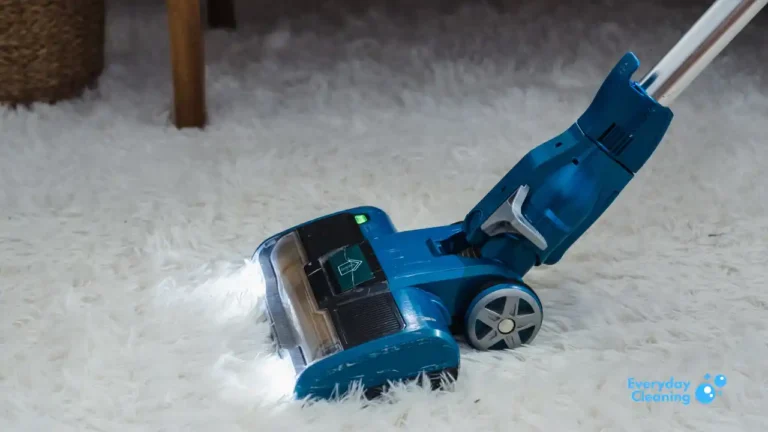
| Shag Carpets | Use a rake or special shag brush instead of aggressive vacuuming. Cleaning solutions can get trapped in the deep pile, so thorough rinsing is essential. | How to Clean Shag Carpet |
| Berber Carpets | These loop-pile carpets can snag easily. Be gentle with brushes and avoid anything that might catch the loops. Steam cleaning typically works best for berber styles. | How to Clean Berber Carpet |
Understanding your carpet type helps you choose the right cleaning frequency and methods, preventing damage while achieving the best results.
Regular Carpet Maintenance (Daily & Weekly Care)
The foundation of knowing how to clean a carpet effectively starts with consistent maintenance. Think of it like brushing your teeth—a little effort every day prevents bigger problems down the road.
Proper Vacuuming Technique: Most people vacuum too quickly and in random patterns. For the best results, vacuum slowly in overlapping strokes, first in one direction, then perpendicular to that. This ensures you pick up dirt from all angles. High-traffic areas need daily vacuuming, while other areas can be done 2-3 times per week.
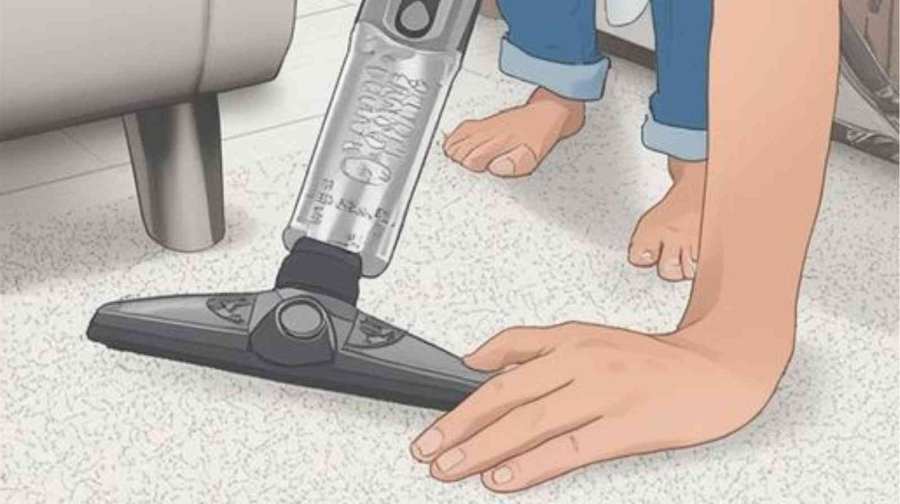
Dealing with Pet Hair and Debris: If you have pets, a rubber squeegee works wonders for pulling embedded fur from carpet fibers before vacuuming. For stubborn pet hair, try dampening a rubber glove and running your hand over the carpet—the hair will stick to the glove.
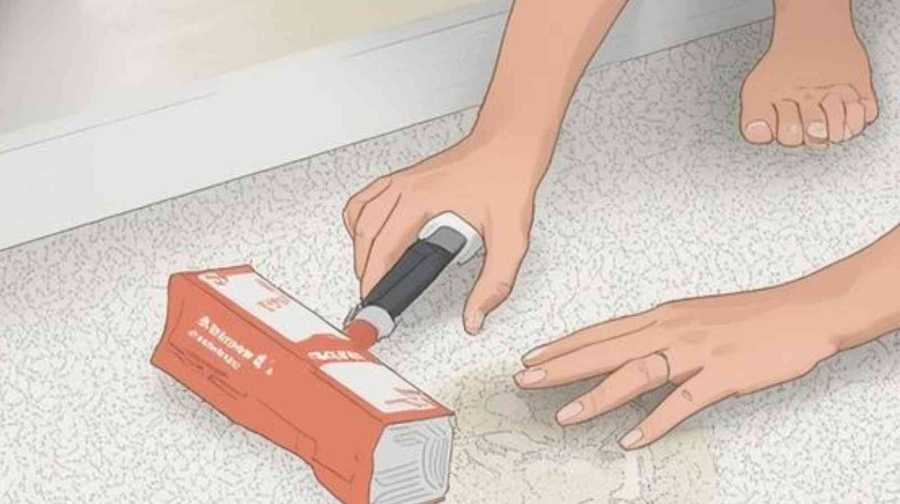
Prevention Strategies: Place high-quality doormats both inside and outside entrances to reduce the amount of dirt tracked onto carpets. Consider implementing a “no shoes” policy indoors, or at least provide designated areas for shoe removal.
Regular maintenance also includes addressing spills immediately. The longer a stain sits, the harder it becomes to remove, so quick action is your carpet’s best friend.
How to Treat Carpet Stains Immediately
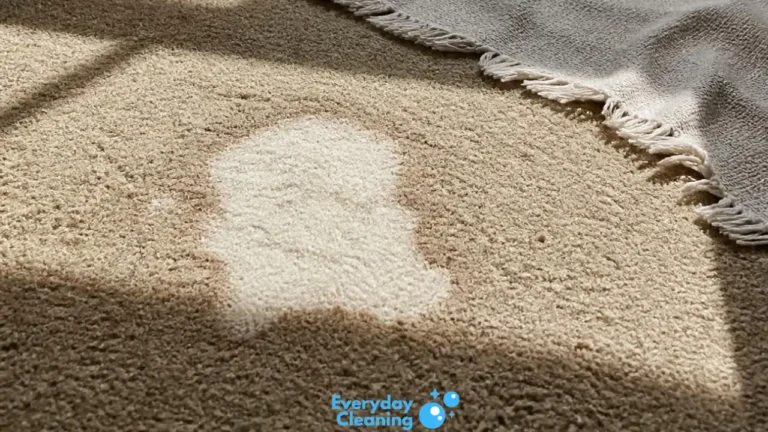
When accidents happen, knowing how to clean a carpet stain quickly can mean the difference between a minor inconvenience and permanent damage. The key to successful spot cleaning is acting fast and using the right technique for each type of stain. Here’s your detailed guide for handling the most common household carpet stains:
Coffee, Tea, and Wine Stains
These liquid stains are among the most common and can be particularly stubborn if not treated immediately.

Step 1: Act Within Minutes As soon as the spill happens, grab clean white cloths or paper towels. Avoid colored towels as dyes can transfer to your carpet. Blot the stain gently—never rub or scrub, as this pushes the liquid deeper into carpet fibers and spreads the stain.
Step 2: Remove Excess Liquid Continue blotting from the outside of the stain toward the center. This prevents the stain from spreading outward. Keep blotting until no more liquid transfers to your cloth. For wine spills, you might need several cloths.
Step 3: Prepare Your Cleaning Solution Mix one tablespoon of white vinegar with one tablespoon of liquid dish soap (preferably clear or white) and two cups of warm water. The vinegar helps neutralize the stain while the soap breaks down any oils or proteins.
Step 4: Apply and Let Work Using a spray bottle or clean cloth, apply the solution generously to the stained area. Make sure you cover slightly beyond the visible stain boundaries. Let the solution sit for 5-10 minutes to penetrate the fibers and break down the stain.
Step 5: Blot and Rinse Blot the area with a clean, damp cloth to remove the cleaning solution and loosened stain particles. Then rinse with plain water and blot again to remove any soap residue. Soap residue attracts dirt, so thorough rinsing is crucial.
Step 6: Speed Dry Place clean, dry towels over the area and weigh them down with books or other heavy objects. This helps absorb remaining moisture. You can also use a fan to speed drying and prevent mold growth.
Food Grease and Oil Stains
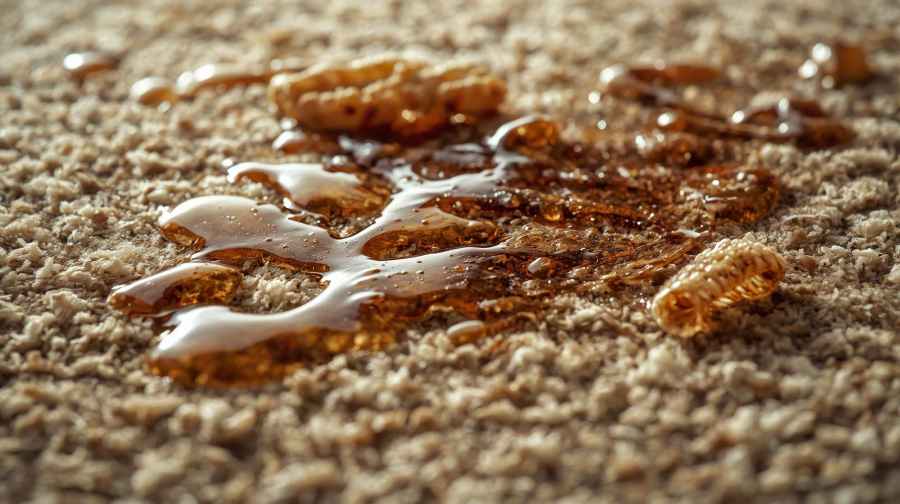
Greasy stains require a different approach because oil and water don’t mix. Here’s how to tackle them effectively:
Step 1: Absorb the Oil First Immediately sprinkle a generous amount of baking soda, cornstarch, or even salt over the entire greasy area. These powders will absorb the oil and prevent it from spreading deeper into the carpet. Don’t press down—just let the powder sit naturally on the surface.
Step 2: Wait and Vacuum Let the absorbent powder sit for at least 15-20 minutes. For older or larger grease stains, you can leave it for several hours or even overnight. The longer you wait, the more oil it will absorb. Then vacuum up all the powder using your regular vacuum cleaner.
Step 3: Treat Remaining Stain Mix one teaspoon of clear liquid dish soap (designed to cut grease) with one cup of warm water. Dish soap is specifically formulated to break down oils and fats, making it perfect for this type of stain.
Step 4: Gentle Scrubbing Apply the soapy solution to the remaining stain and let it sit for 5 minutes. Using a soft-bristled brush or clean cloth, gently work the solution into the carpet fibers with circular motions. Be gentle—aggressive scrubbing can damage carpet fibers.
Step 5: Rinse Thoroughly Rinse the area with clean water and blot dry. Grease stains often require multiple treatments, so don’t be discouraged if you need to repeat the process. Each treatment will lift more of the stain.
Pet Urine and Odor
Pet accidents require special attention because regular cleaners won’t eliminate the odor-causing bacteria and proteins.

Step 1: Immediate Damage Control If you catch the accident fresh, blot up as much urine as possible using paper towels or cloth. Press down firmly to absorb liquid from deep in the carpet padding. Continue until no more liquid transfers to your towels.
Step 2: Rinse with Water Pour a small amount of clean water over the area to dilute any remaining urine in the carpet padding. Blot this up immediately. This step is crucial for preventing odor from setting in the padding beneath your carpet.
Step 3: Apply Enzyme Cleaner Enzyme cleaners contain special bacteria that actually “eat” the proteins in urine that cause odors. Apply the enzyme cleaner generously, covering an area slightly larger than the visible stain. The cleaner needs to reach everywhere the urine spread, including the padding underneath.
Step 4: Follow Product Instructions Most enzyme cleaners need to stay damp to work effectively. Cover the treated area with a damp cloth and let it sit for the recommended time—usually 10-15 minutes for fresh stains, longer for old ones.
Step 5: Natural Drying Allow the area to air dry completely. Don’t use heat or fans with enzyme cleaners, as this can deactivate the beneficial bacteria. The area might smell worse initially as the enzymes work—this is normal and will disappear as it dries.
Important Note: Never use steam cleaners or carpet shampooers on pet urine stains. Heat can permanently set the proteins, making the odor impossible to remove.
Ink Stains
Ink stains can be tricky because different types of ink require different approaches.
Step 1: Identify the Ink Type Ballpoint pen ink responds well to rubbing alcohol. Permanent marker may need specialized solvents. Water-based ink (like from fountain pens) can often be treated with water and mild soap.
Step 2: Test Your Approach Before treating the visible stain, test your chosen method on a hidden area of carpet to ensure it won’t cause color loss or damage.
Step 3: Work from Outside In Using a cotton ball or swab dampened with rubbing alcohol (for ballpoint ink), gently dab the stain starting from the outer edges and working toward the center. This prevents the stain from spreading.
Step 4: Blot and Replace As the cotton ball picks up ink, replace it with a clean one. Continue until no more ink transfers to the cotton ball. Be patient—this process can take several applications.
Step 5: Clean and Rinse Once you’ve removed as much ink as possible, clean the area with mild soap and water to remove any alcohol residue. Rinse thoroughly and blot dry.
Mud Stains
Mud stains are unique because treating them wet can actually make them worse.
Step 1: Let It Dry Completely This might be the hardest step—resist the urge to clean wet mud. Let it dry completely, which usually takes 2-4 hours depending on how thick the mud is.
Step 2: Vacuum Thoroughly Once dry, vacuum up as much dried mud as possible. Use brush attachments to work loose particles from carpet fibers. Most of the mud should come up at this stage.
Step 3: Treat Remaining Stain Mix one tablespoon of liquid dish soap with two cups of warm water. Apply this solution to any remaining brown stain and let it sit for 10 minutes.
Step 4: Gentle Agitation Using a soft brush, gently work the solution into the remaining stain. The soap will help break down clay particles and organic matter in the mud.
Step 5: Rinse and Dry Rinse thoroughly with clean water and blot dry. Mud stains rarely require more than one treatment when handled this way.
Universal DIY Stain Remover Recipe
For stains you’re not sure how to classify, this gentle, all-purpose cleaner works on most common carpet stains:
Ingredients:
- 1/4 cup white vinegar
- 1 tablespoon clear liquid dish soap
- 1/4 cup baking soda
- 2 cups warm water
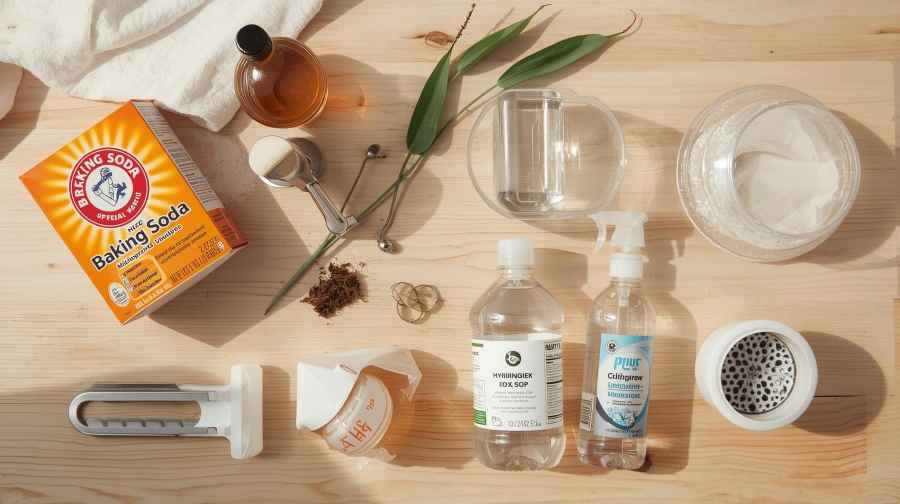
Mixing Instructions: Add ingredients to a spray bottle in this order: water first, then vinegar, then dish soap, and finally baking soda (add slowly to prevent excessive fizzing). Shake gently to combine.
Application: Spray the solution on the stain, let sit for 5-10 minutes, then blot clean with a damp cloth. Always test in an inconspicuous area first, as some carpet dyes may react to vinegar.
This solution is particularly effective because it combines the stain-fighting power of vinegar, the grease-cutting ability of dish soap, and the odor-absorbing properties of baking soda.
Deep Cleaning Methods
When regular maintenance isn’t enough, it’s time for a thorough deep clean. Understanding how to clean a carpet with professional-grade methods at home can save you hundreds of dollars while achieving results that rival professional services. Here are the most effective methods, with detailed step-by-step instructions:
Steam Cleaning (Hot Water Extraction)
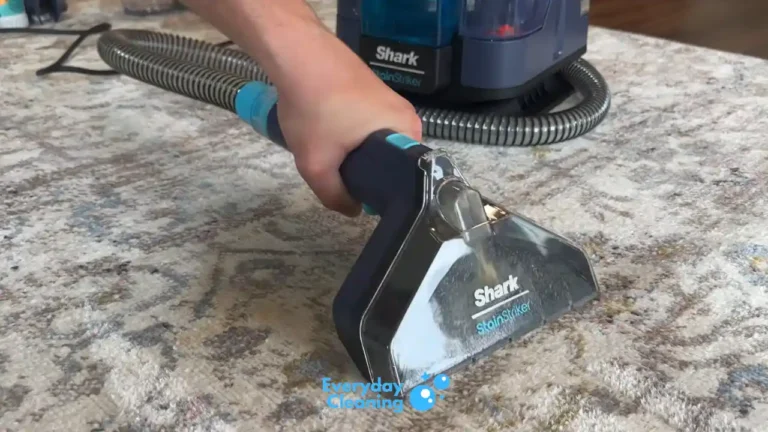
Steam cleaning is considered the gold standard for carpet cleaning because it provides the deepest clean possible. This method uses hot water and cleaning solution injected deep into carpet fibers, then immediately extracted along with dirt, allergens, and debris.
Why Steam Cleaning Works Best: The combination of hot water (usually 150-200°F), cleaning chemicals, and powerful suction removes up to 97% of dirt and bacteria from carpet fibers. Most carpet manufacturers recommend this method because it’s the only one that can remove dirt from the carpet backing and padding without leaving chemical residues.
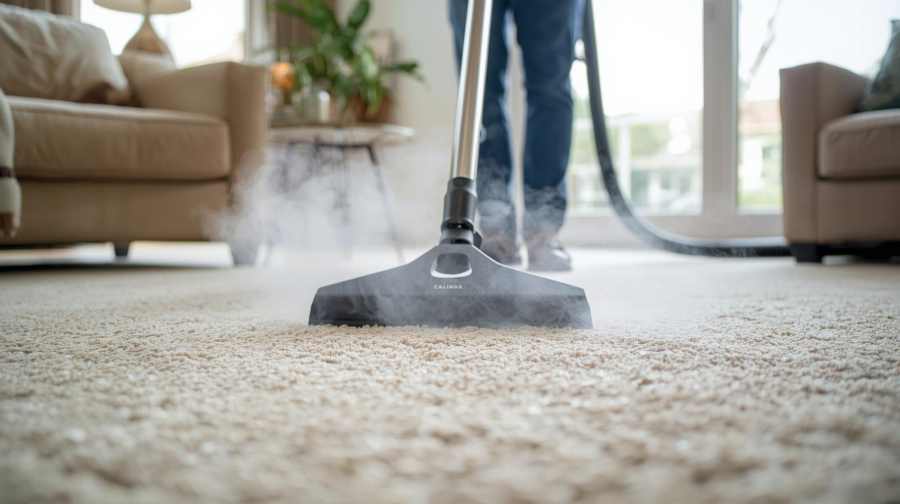
Detailed Steam Cleaning Steps:
Step 1: Thorough Pre-Cleaning Preparation (30-45 minutes) Start by removing all furniture from the room or placing aluminum foil or plastic blocks under furniture legs to prevent staining and rust marks. Vacuum the entire carpet thoroughly using slow, overlapping strokes. Pay extra attention to corners and edges where dirt accumulates. This step is crucial because any loose dirt left behind will turn to mud when mixed with the cleaning solution.
Step 2: Pre-Treat Problem Areas (15-20 minutes) Identify heavily soiled areas and stains that need extra attention. Apply a pre-treatment solution to these spots and let it work for 10-15 minutes. For homemade pre-treatment, mix 1/4 cup white vinegar with 3/4 cup warm water in a spray bottle. For commercial pre-treatments, follow the manufacturer’s instructions exactly.
Step 3: Prepare Your Steam Cleaner Fill the machine’s clean water tank with hot tap water (as hot as your tap produces). Add the recommended amount of carpet cleaning solution—never use more than directed, as excess soap creates residue that attracts dirt. If using a rental machine, familiarize yourself with the controls before starting.
Step 4: Test in an Inconspicuous Area Before cleaning the entire room, test your machine and cleaning solution in a closet or behind a door. This ensures your carpet won’t react negatively to the heat or chemicals.
Step 5: Begin Steam Cleaning Process Start in the corner farthest from the exit and work your way toward the door. Turn on the machine and slowly push it forward while holding the trigger to release cleaning solution. Move at about 1 foot per second—any faster and the solution won’t have time to work effectively.
Step 6: The Critical Extraction Pass Release the trigger and pull the machine back over the same area slowly, allowing the suction to extract the dirty water. This extraction pass is crucial—spend twice as long pulling back as you did pushing forward. Overlap each pass by about 2 inches to ensure complete coverage.
Step 7: Double-Pass Technique for Heavy Soil In high-traffic areas, make a second cleaning pass. Push forward with solution, pull back to extract, then immediately push forward again without solution and pull back to extract remaining moisture and soap residue.
Step 8: Final Rinse (Critical Step) After cleaning the entire room, fill your machine with clean water only (no cleaning solution) and make additional passes over the entire carpet. This rinse step removes soap residue that would otherwise attract dirt and make your carpets get dirty faster.
Step 9: Post-Cleaning Setup Open windows, turn on fans, and run dehumidifiers to speed drying. Place clean white towels in high-traffic areas to absorb moisture and prevent re-soiling. Avoid walking on the carpet until completely dry (6-24 hours depending on humidity and carpet thickness).
Dry Carpet Cleaning (Powder Method)
This method uses specialized absorbent powder that attracts and encapsulates dirt, which is then vacuumed away. It’s perfect when you need carpets ready to use quickly.
Best For: Commercial spaces, homes with high humidity, carpets that can’t handle moisture, or when you need immediate use of the room.
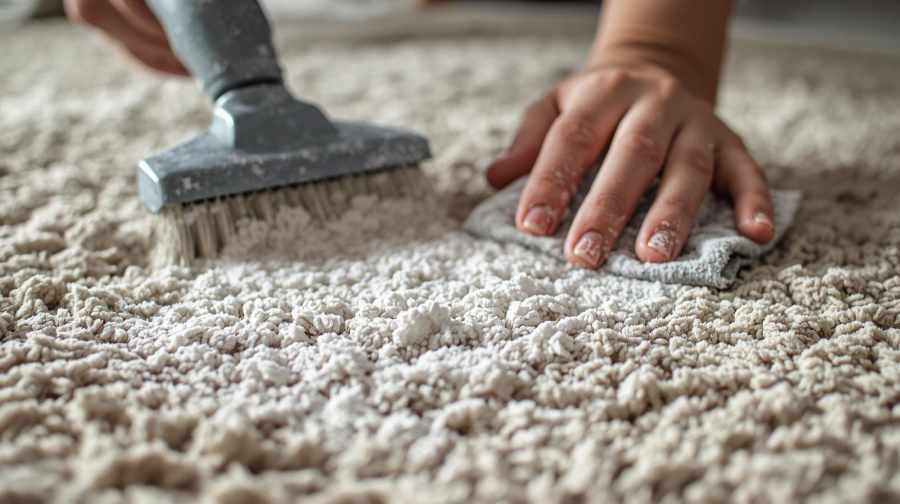
Complete Dry Cleaning Process:
Step 1: Comprehensive Pre-Vacuuming (20-30 minutes) Vacuum the entire area more thoroughly than usual. Use crevice tools along baseboards and upholstery attachments for stairs. The cleaner the carpet before applying powder, the better your results will be.
Step 2: Choose the Right Powder Commercial dry cleaning powders contain absorbent materials and cleaning agents. Popular brands include Capture, Host, and Chemspec. Read labels carefully—some are designed for specific carpet types or soil levels.
Step 3: Even Powder Distribution Working in 4×4 foot sections, sprinkle the cleaning powder evenly across the carpet. Use approximately 1 pound of powder per 100 square feet of carpet. Don’t dump large amounts in one spot—even distribution is key to consistent cleaning.
Step 4: Work the Powder Deep Using a stiff-bristled brush or carpet rake, work the powder into the carpet fibers using overlapping circular motions. The powder needs to reach the base of the carpet fibers to attract embedded dirt. This step takes physical effort but is essential for good results.
Step 5: Dwell Time (30-60 minutes) Allow the powder to sit according to package directions. During this time, the absorbent materials are attracting and encapsulating dirt particles. Longer dwell times (up to 2 hours) can improve results on heavily soiled carpets.
Step 6: Thorough Extraction Vacuuming Using a powerful vacuum with a clean bag or empty canister, vacuum the entire area slowly and thoroughly. Make multiple passes in different directions to ensure all powder is removed. You should see the powder-dirt mixture being sucked up—this is the soil being removed from your carpet.
Step 7: Final Inspection and Touch-Up Check for any remaining powder residue, especially in corners and along baseboards. Vacuum these areas again if needed. The carpet should feel clean and free of any gritty texture.
Carpet Shampooing
Traditional shampooing involves applying foamy cleaning solution and working it into carpet fibers with rotating brushes. While not as effective as steam cleaning, it’s useful for specific situations.
When to Use Shampooing: Best for carpets with surface-level dirt and light staining, older carpets that might be damaged by hot water extraction, or when you want to add protective treatments that work better with shampooing methods.
Complete Shampooing Process:
Step 1: Room and Carpet Preparation Remove furniture and vacuum thoroughly, just as with steam cleaning. Pre-treat any stains with appropriate spot cleaners and allow them to work while you prepare your equipment.
Step 2: Mix Cleaning Solution Correctly Follow manufacturer instructions exactly for dilution ratios. Too much concentrate creates excessive foam and residue, while too little won’t clean effectively. Most shampoos require mixing with warm water in specific ratios.
You might also like: Best Carpet Stain Remover
Step 3: Test and Begin Application Test in an inconspicuous area first. Starting from the farthest corner, apply shampoo solution using your machine’s applicator or a pump sprayer. Work in 4×4 foot sections to maintain control over the process.
Step 4: Brush Agitation Process Using the machine’s rotating brushes or a stiff carpet brush, work the shampoo into the carpet fibers using overlapping strokes. The mechanical action helps break up dirt and work the cleaning agents deep into the pile.
Step 5: Foam Development and Dwell Time Allow the shampoo to foam and work for the recommended time (usually 10-15 minutes). The foam helps lift dirt particles and suspend them for removal.
Step 6: Extraction Phase If your machine has extraction capability, remove the foam and suspended dirt. If not, you’ll need to make additional passes with clean water to remove as much residue as possible.
Step 7: Residue Removal (Critical) This is where shampooing often fails—inadequate residue removal. Make multiple passes with clean water to rinse away soap residue. Consider following up with a steam cleaner using only water for the best residue removal.
Step 8: Proper Drying Setup Shampooed carpets can take longer to dry than steam-cleaned ones because of potential soap residue. Use fans, dehumidifiers, and open windows to promote air circulation and prevent mold growth.
Comparison of Deep Cleaning Methods
| Method | Drying Time | Effectiveness | Cost | Best For |
|---|---|---|---|---|
| Steam Cleaning | 6-24 hours | Excellent | Medium | Annual deep cleaning, heavily soiled carpets |
| Dry Cleaning | 1-2 hours | Good | Low-Medium | Quick cleaning, maintenance |
| Shampooing | 4-8 hours | Fair-Good | Low | Light soiling, older carpets |
Essential Tools and Products for Carpet Cleaning
Having the right tools makes learning how to clean a carpet much easier and more effective.
Must-Have Equipment: A quality vacuum with adjustable height settings, carpet cleaning machine (rental or purchased), soft-bristled brush for working in solutions, clean white cloths for blotting, and spray bottles for applying solutions.
Cleaning Products: Carpet-specific shampoo or cleaning solution, enzyme cleaner for organic stains, white vinegar for natural cleaning, baking soda for odor absorption, and dish soap for general stain removal.
Natural Alternatives: Many homeowners prefer natural solutions. White vinegar mixed with water works as a mild cleaner and deodorizer. Baking soda is excellent for absorbing odors—sprinkle it on, let sit overnight, then vacuum. Hydrogen peroxide can help with tough stains but test first as it may lighten some carpets.
When shopping for products, avoid anything with harsh chemicals like bleach, which can damage carpet fibers and create toxic fumes when mixed with other cleaners.
Preventive Carpet Care
The best way to keep carpets clean is to prevent them from getting dirty in the first place. Strategic prevention reduces the need for aggressive cleaning and extends carpet life significantly.
Entry Point Management: High-quality door mats inside and outside every entrance can reduce tracked-in dirt by up to 80%. Replace or clean mats regularly—a dirty mat doesn’t help much.
Furniture Protection: Use furniture pads under heavy pieces to prevent crushing and indentations. Rotate furniture occasionally to prevent permanent marks and allow crushed areas to recover.
Professional Stain Protection: Consider having carpets treated with protective coatings after cleaning. These treatments help repel spills and make future cleaning easier.
Air Quality: Good ventilation and air filtration reduce the amount of airborne particles that settle into carpet fibers. Change HVAC filters regularly and consider air purifiers in high-use rooms.
Frequently Asked Questions
How often should I clean my carpet?
Vacuum high-traffic areas daily and other areas 2-3 times per week. Deep clean carpets every 6-12 months, or more frequently with pets or allergies.
Can vinegar damage my carpet?
White vinegar is generally safe for most carpets when diluted properly (1:1 with water). However, always test first, especially on wool or delicate fibers.
Is professional carpet cleaning worth the cost?
For annual deep cleaning, yes. Professionals have equipment and expertise that remove dirt and allergens DIY methods can’t reach, potentially extending your carpet’s life by years.
How long does it take for carpet to dry after cleaning?
Steam cleaning: 6-24 hours depending on humidity, airflow, and carpet thickness. Dry cleaning methods: 1-2 hours. Speed drying with fans and dehumidifiers.
What’s the best method for pet odors?
Enzyme cleaners specifically designed for pet odors work best. They break down the proteins that cause smells rather than just masking them.
Should I vacuum before or after carpet cleaning?
Always vacuum thoroughly before any deep cleaning method. This removes surface dirt and debris, allowing cleaning solutions to work more effectively on embedded dirt.
Can I use dish soap to clean my carpet?
Yes, but use only a tiny amount (1 tablespoon per 2 cups water) as too much soap creates hard-to-rinse residue that attracts dirt.
Why do my carpets look dirty again so quickly after cleaning?
This usually indicates soap residue was left behind, which acts like a magnet for dirt. Ensure thorough rinsing or consider switching cleaning methods.
How often should I clean my carpet?
Vacuum high-traffic areas daily and other areas 2-3 times per week. Deep clean carpets every 6-12 months, or more frequently with pets or allergies.
Can vinegar damage my carpet?
White vinegar is generally safe for most carpets when diluted properly (1:1 with water). However, always test first, especially on wool or delicate fibers.
Is professional carpet cleaning worth the cost?
For annual deep cleaning, yes. Professionals have equipment and expertise that remove dirt and allergens DIY methods can’t reach, potentially extending your carpet’s life by years.
How long does it take for carpet to dry after cleaning?
Steam cleaning: 6-24 hours depending on humidity, airflow, and carpet thickness. Dry cleaning methods: 1-2 hours. Speed drying with fans and dehumidifiers.
What’s the best method for pet odors?
Enzyme cleaners specifically designed for pet odors work best. They break down the proteins that cause smells rather than just masking them.
Should I vacuum before or after carpet cleaning?
Always vacuum thoroughly before any deep cleaning method. This removes surface dirt and debris, allowing cleaning solutions to work more effectively on embedded dirt.
Can I use dish soap to clean my carpet?
Yes, but use only a tiny amount (1 tablespoon per 2 cups water) as too much soap creates hard-to-rinse residue that attracts dirt.
Why do my carpets look dirty again so quickly after cleaning?
This usually indicates soap residue was left behind, which acts like a magnet for dirt. Ensure thorough rinsing or consider switching cleaning methods.


3 Comments
Comments are closed.