Pressure Washer vs Steam Cleaner: Which One Do You Actually Need?
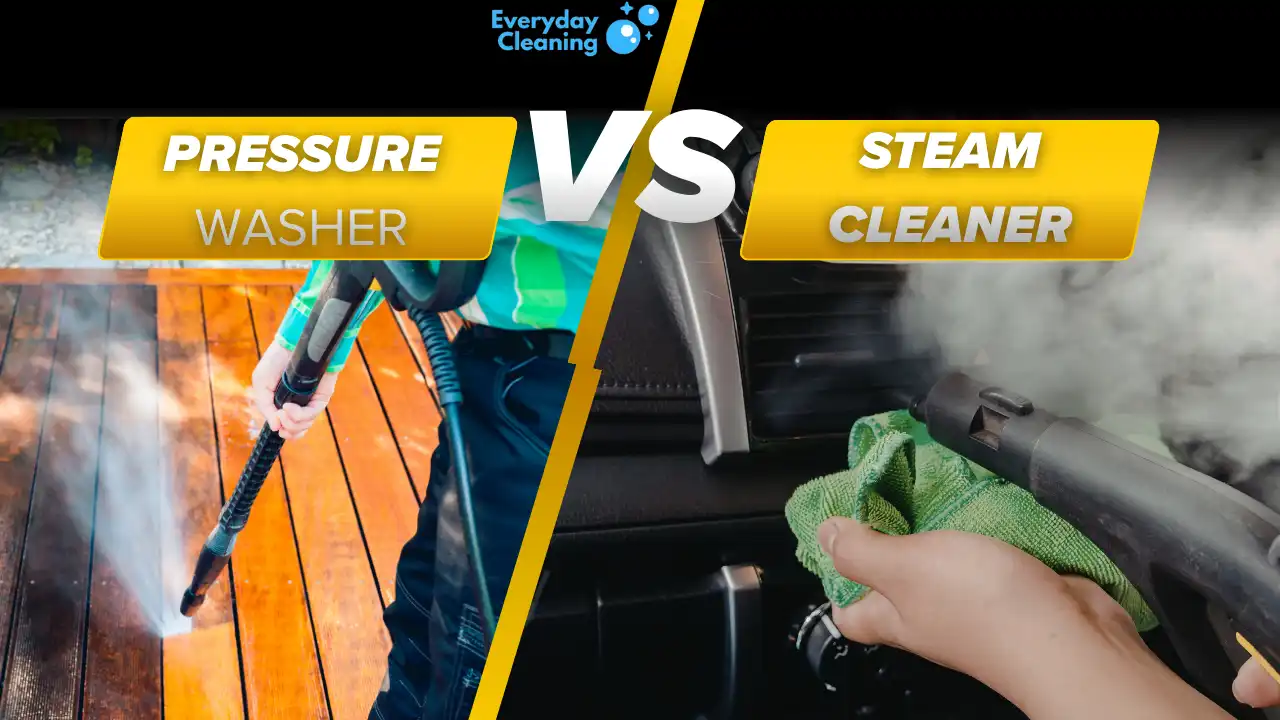
If you are trying to decide between a pressure washer and a steam cleaner, the answer is usually simpler than people think. These two tools solve different problems. Buy the wrong one and you will either under-clean or damage whatever you are trying to clean.
What Is a Pressure Washer?
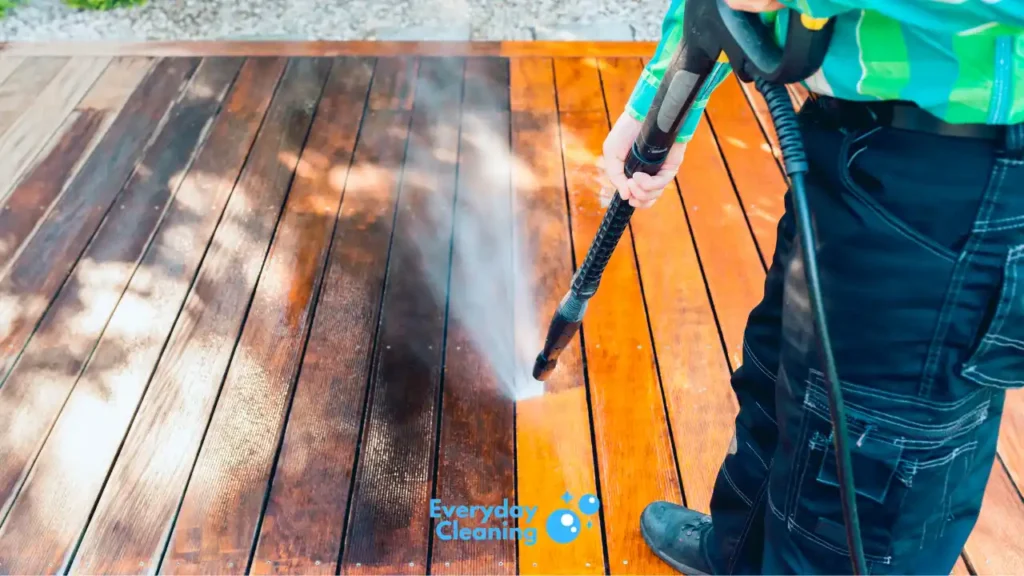
A pressure washer forces water through a narrow nozzle at high velocity. That pressure is what does the work. It blasts away dirt, grime, moss, mildew, and stuck-on residue from outdoor surfaces.
Most residential models run between 1,500 and 3,000 PSI. The higher the PSI, the more force the water hits with. You can adjust pressure with different nozzles and you can add detergent through a soap tank for heavier cleaning jobs.
Pressure washers are outdoor tools. Driveways, patios, decks, siding, fences, cars. Surfaces that can handle a blast of water and where the runoff goes somewhere safe.
What Is a Steam Cleaner?
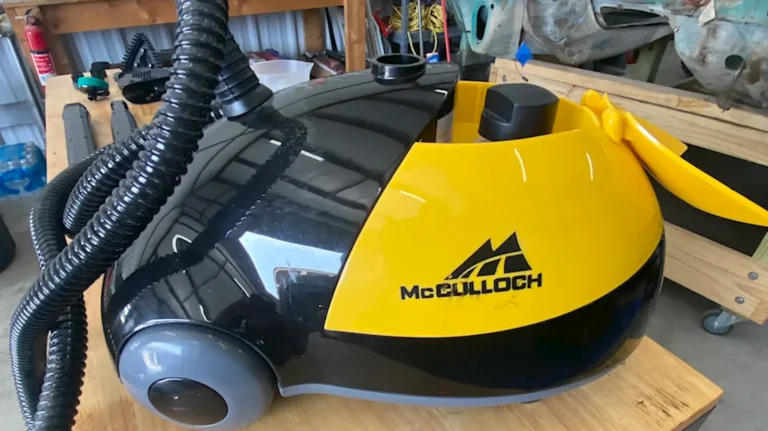
A steam cleaner heats water past boiling point and releases pressurized steam through a nozzle or attachment. The heat is what does the cleaning work, not the force.
Steam penetrates surfaces, loosens grime, and kills bacteria without chemicals. Most residential steam cleaners operate between 212°F and 250°F at the nozzle. Lower pressure, much higher temperature.
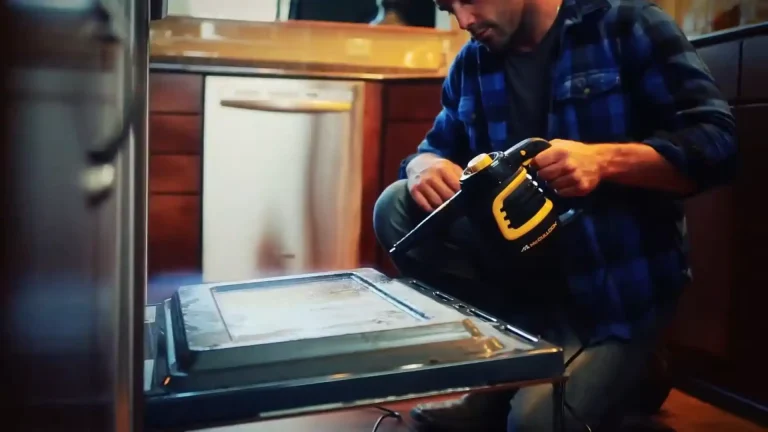
Steam cleaners are indoor-first tools. Tile grout, kitchen appliances, bathroom fixtures, upholstery, carpet, sealed floors. Surfaces that need sanitization more than raw cleaning force.

Pressure Washer vs Steam Cleaner: The Core Difference
A pressure washer relies on physical force. Water at high velocity knocks dirt loose. It does not sanitize and it does not need heat to work. A cold-water pressure washer cleans just as effectively as a hot-water one for most jobs.
A steam cleaner relies on heat. The steam breaks down grease, kills germs, and loosens grime chemically. The pressure involved is relatively low. You could never use a steam cleaner to blast mildew off a concrete driveway.
The short version: pressure washer = outdoor force cleaning. Steam cleaner = indoor heat sanitizing. They rarely compete for the same job.
Head-to-Head Comparison
| Feature | Pressure Washer | Steam Cleaner |
|---|---|---|
| Primary cleaning method | Water pressure (force) | Steam heat |
| Sanitizes surfaces | No | Yes |
| Chemical-free cleaning | Partial | Yes |
| Best for outdoor use | Yes | No |
| Best for indoor use | No | Yes |
| Works on carpet/upholstery | No | Yes |
| Works on driveways/concrete | Yes | No (too weak) |
| Water usage | High | Very low |
| Risk of surface damage | High if misused | Low to moderate |
| Upfront cost | $80 to $400+ | $50 to $300+ |
What Each Tool Is Actually Good At
Where a Pressure Washer Wins
Outdoor hard surfaces are where pressure washers have no real competition. Concrete, brick, pavers, asphalt, stone, wood decking. Anything with years of built-up grime, mold, algae, or staining.
A steam cleaner cannot generate enough force to clean a driveway. Even the best steam cleaner at 80 PSI cannot touch what a 2,000 PSI pressure washer handles in minutes.
Pressure washers also work well on vehicles, outdoor furniture, gutters, and house siding. Anywhere you need volume and force, not heat.
For specific outdoor jobs, how to pressure wash a driveway and how to pressure wash a deck walk through the technique in detail.
Where a Steam Cleaner Wins
Indoors, a steam cleaner is the better tool. Bathroom grout, kitchen stovetops, inside appliances, tile floors, mattresses, couches, car interiors. Anything that needs heat to break down grease or bacteria.
A pressure washer indoors is never a good idea. The water volume, pressure, and mess make it impractical in any indoor setting. You would flood the room before the surface got clean.
Steam cleaners are also much gentler. You can use them on grout without etching the tile, on upholstery without soaking the fabric, and on surfaces where a pressure blast would cause damage.
For grout cleaning specifically, a steam cleaner paired with the right attachment makes a noticeable difference. The best steam cleaner for grout roundup covers the models that work best for that job.
Sanitization: A Real Difference
This is where people often miss something important. A standard cold-water pressure washer does not sanitize. It removes visible dirt and surface contamination, but the water temperature is not high enough to kill bacteria or mold spores at a meaningful level.
A steam cleaner running at 212°F and above does kill bacteria, dust mites, mold spores, and most surface pathogens. No chemicals required.
If sanitization matters to you, whether that is because of allergies, pets, kids, or just preference for chemical-free cleaning, a steam cleaner is the only tool here that delivers it.
For homes where allergen control matters, the best steam cleaner for dust mites is worth a look.
Surface Safety: What Can Get Damaged
Pressure washers can damage surfaces if you use too much PSI or the wrong nozzle angle. Soft wood can splinter. Brick mortar can erode. Window seals can crack. Car paint can scratch at close range. New users tend to underestimate the force involved.
Steam cleaners are gentler but not risk-free. Too much steam on unfinished wood can cause warping. Steam on unsealed grout can work its way underneath the tile over time. And most steam cleaner manufacturers advise against using them on laminate floors because of moisture sensitivity.
The rule for both tools: know your surface before you clean it.
Water and Chemical Usage
A pressure washer uses a lot of water. A typical residential unit runs through 1.5 to 2.5 gallons per minute. A one-hour cleaning session can use over 100 gallons. You also add detergent for heavy jobs, which means chemical runoff to manage.
A steam cleaner uses almost no water. Most units have a 1 to 1.5 liter tank that lasts 30 to 45 minutes of cleaning. No chemicals needed. The environmental footprint is much smaller.
For anyone concerned about water usage, chemical runoff, or cleaning around gardens and plants, the steam cleaner has a clear edge.
Cost and Ongoing Expenses
Budget pressure washers start around $80 to $100 for basic electric models. Mid-range electric units run $150 to $250. Gas-powered models start at $300 and go well above $500 for professional-grade equipment.
Ongoing costs include detergent, pump maintenance oil, and nozzle replacements over time. Gas models also require fuel and more regular maintenance.
Steam cleaners start around $50 for basic handheld units and $100 to $150 for full-size canister models. Premium units with multiple attachments run $200 to $300. Ongoing costs are minimal. Just water.
For pressure washer options across different budgets, best pressure washer for home use and best budget pressure washer are good starting points. For steam cleaners, best steam cleaner for home covers the top picks.
How to Choose the Right One for Your Home
Start With Where You Need to Clean
If most of your dirty surfaces are outside, a pressure washer is the right call. Driveway, patio, deck, siding, fences. These jobs need force, not heat.
If most of your problem areas are inside, a steam cleaner makes more sense. Bathroom grout, kitchen grime, upholstery, tile floors, mattresses. These jobs need heat and gentle precision.
Think About What Kind of Dirt You Are Dealing With
Old grease and baked-on kitchen residue: steam cleaner. It breaks down grease without scrubbing.
Algae, moss, or mildew on concrete: pressure washer. Steam cannot generate enough force to shift embedded biological growth on outdoor surfaces.
General bacteria and surface germs: steam cleaner. Heat kills what pressure alone cannot.
Heavy mud, tire marks, paint residue on outdoor surfaces: pressure washer.
Consider Your Setup
Pressure washers need an outdoor water hookup, a place to direct runoff, and space to work. They are not apartment-friendly tools.
Steam cleaners need a power outlet and a small amount of distilled or tap water. They work in any room and store easily in a closet.
Do You Need Both?
Plenty of homeowners end up with both tools, and for good reason. They do not overlap much. A pressure washer handles the outdoor work once or twice a year. A steam cleaner handles indoor deep cleaning throughout the year. Together they cover nearly every hard cleaning job in a home.
If budget allows, buying both is not a bad decision. If you can only pick one, let your most pressing cleaning problem make the call.
Frequently Asked Questions
Can a steam cleaner replace a pressure washer for outdoor cleaning?
No. Steam cleaners do not generate enough pressure to clean driveways, concrete, brick, or siding the way a pressure washer does. For outdoor hard surfaces with heavy buildup, a pressure washer is the right tool.
Can a pressure washer be used indoors?
Not practically. The volume of water, the mess, and the risk of water damage make pressure washers unsuitable for indoor use. Steam cleaners are the indoor equivalent for deep cleaning.
Which is better for mold removal?
It depends on where the mold is. Outdoor concrete or siding mold: pressure washer, ideally with a mold-killing detergent. Indoor grout or tile mold: steam cleaner. The heat kills mold spores without chemicals. For outdoor mold, how to remove mold from concrete covers the process in full.
Is a steam cleaner worth it if I already own a pressure washer?
Yes, if you have indoor cleaning jobs that need more than a regular mop or scrub brush. The two tools cover completely different areas of the home.
What PSI pressure washer do I need for home use?
For most residential jobs like driveways, patios, and siding, 1,500 to 2,500 PSI is enough. Higher PSI is harder to control and increases the risk of surface damage. For a detailed breakdown, best PSI for pressure washer explains what different jobs actually need.