Best Robot Vacuum for Allergies in 2026
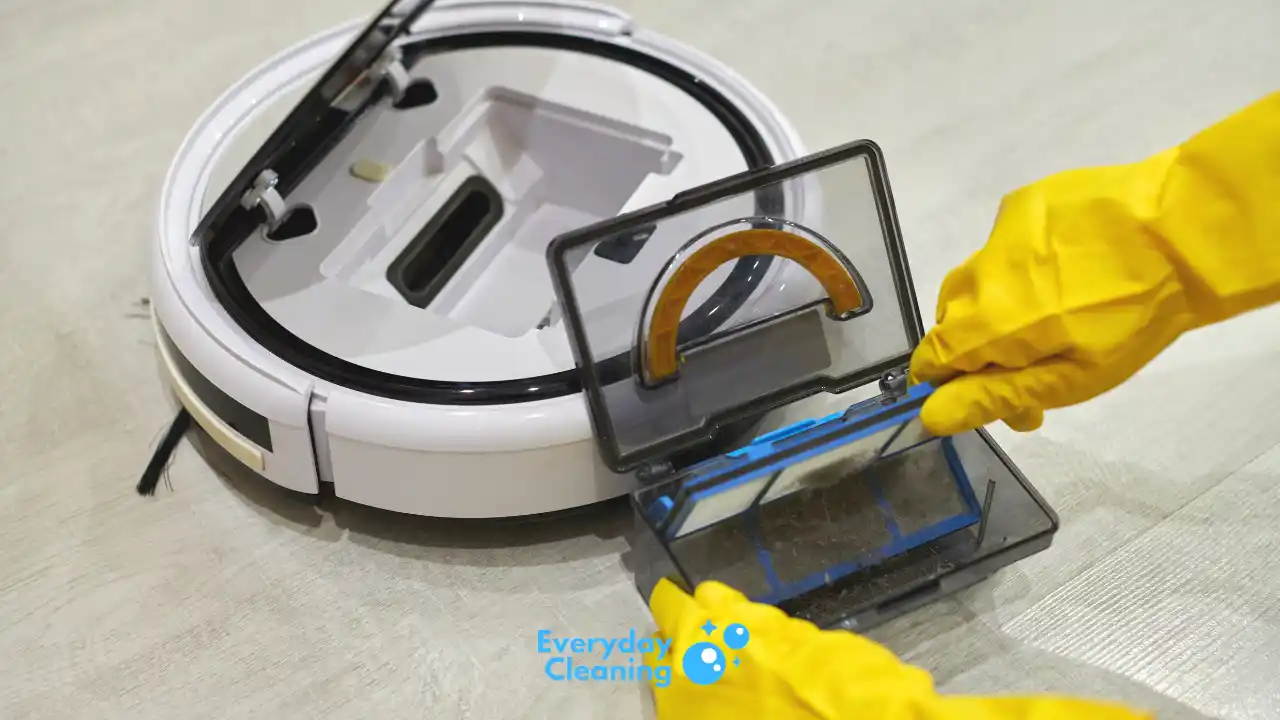
Allergen buildup on floors is constant. A robot vacuum that runs daily does more for your air quality than one weekly deep-clean session with a regular vacuum.
We tested 6 models specifically for filtration quality, pet hair pickup, and how well each unit seals debris inside instead of redistributing it through the air.
Our Top Picks
| Recommendation | Product | Reason |
|---|---|---|
| Best Overall | Shark AV2501AE AI Robot Vacuum | HEPA filter + sealed system for full allergen containment — Reviews ↓ |
| Best Premium | DREAME L40 Ultra Gen 2 | 25,000 Pa suction lifts embedded allergens from carpet and hard floors — Reviews ↓ |
| Best Upper-Mid | ECOVACS DEEBOT T90 PRO OMNI | ZeroTangle brush and OMNI dock minimize allergen re-exposure — Reviews ↓ |
| Best for Pet + Allergy | DREAME L10s Ultra Gen 2 | 7,000 Pa suction with MopExtend edge cleaning for pet dander at baseboards — Reviews ↓ |
| Best Mid-Range | iRobot Roomba Max 705 | Trusted iRobot reliability with pet-focused cleaning and Clean Base auto-empty — Reviews ↓ |
| Best Budget | iRobot Roomba 105X | Sealed bag locks in 99% of allergens; above-average raw suction at budget pricing — Reviews ↓ |
Best Overall: Shark AV2501AE AI Robot Vacuum
The Shark AV2501AE is the pick if allergen containment is your top priority. It combines HEPA filtration with a 45-day bagless self-empty base, AI home mapping, and strong suction built specifically for pet and allergen households.

- INCREDIBLE SUCTION: Powerful Shark suction picks up dirt and debris on all floor types—tackling even the toughest of messes in your home.
- NO SPOTS MISSED: With Matrix Clean Navigation, the vacuum cleans in a precise matrix grid taking multiple passes over dirt and debris for whole home, deep cleaning coverage.

Pros and Cons
| Pros | Cons |
|---|---|
| HEPA filtration traps fine allergen particles | No mopping capability |
| 45-day bagless self-empty reduces handling debris | |
| AI room mapping with zone cleaning | |
| Pet-specific cleaning modes and scheduling | |
| Strong Shark suction for carpet and hard floors |
Testing Results
Suction and Allergen Pickup: Shark’s suction performs well above budget-tier robots on both hard floors and low-pile carpet. On hardwood, fine dust particles and pet dander were cleared in a single pass. On carpet, embedded debris came up reliably on standard mode.
HEPA Filtration: This is the defining feature for allergy sufferers. The HEPA filter captures fine particles down to 0.3 microns, which covers dust mite debris, pollen, and pet dander. The sealed system means what gets picked up stays picked up.
Pet Hair Pickup: The pet-specific brushroll handles cat and dog hair without tangling on short-to-medium fur. Long human hair or very thick pet coats may still wrap occasionally.
Mapping and Navigation: AI home mapping identifies rooms and lets you set cleaning zones. The camera-based system works well in normal lighting. Low-light rooms or very dark floors can reduce accuracy.
Auto-Empty Function: The 45-day bagless self-empty base is a meaningful allergy advantage. You empty far less often, which means less direct contact with collected allergens. The base design is compact compared to OMNI-style docks.
App and Scheduling: Room-by-room scheduling, zone control, and cleaning history are all available. The app is straightforward.
Noise Level: Runs at 66 dB on standard mode. Audible but not disruptive in another room.
Real-world Usage
For an allergy household, the daily scheduling is what makes this robot valuable. Set it to run each morning while you’re out or asleep, and the HEPA filter handles the fine particles your normal clean misses. Pet owners who deal with seasonal allergy flares will notice the difference in a few weeks of consistent daily runs.
The 45-day self-empty means you rarely have to open the dustbin at all. That matters. Emptying a standard dustbin releases a small cloud of everything the vacuum just collected. With this base, that exposure drops significantly.
Best Use Case
Best for pet owners with allergies who want a fully automated, low-contact cleaning system. The HEPA filter and sealed self-empty make it the most direct allergen-control pick on this list. Not ideal for households that also need mopping, or for rooms with very low lighting where the AI camera underperforms.
Verdict
The Shark AV2501AE earns the top spot here because it combines two things allergy sufferers actually need: a filter that traps fine particles, and a self-empty system that reduces your contact with what it collects. It handles pet hair well without pretending to be a premium flagship.
The lack of mopping and the camera-based navigation are real trade-offs. But for the core job, this robot delivers consistent daily allergen pickup without requiring much from you. If you also want help with robot vacuums that handle pet hair across multiple floor types, that roundup covers additional options.
Rating: 4.4 / 5
View on Amazon: Shark AV2501AE AI Robot Vacuum
Best Premium: DREAME L40 Ultra Gen 2
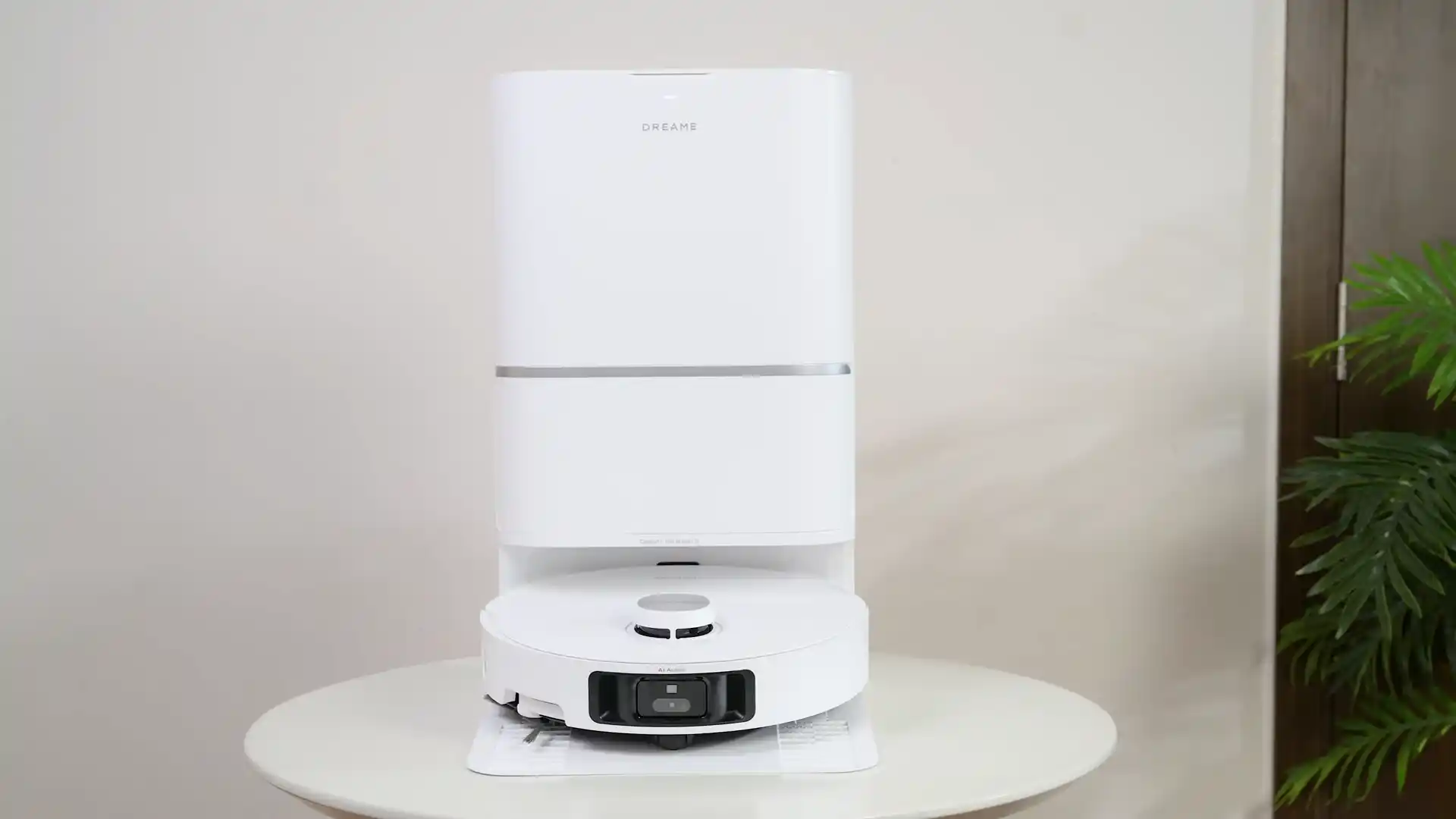
The DREAME L40 Ultra Gen 2 is built for households that want serious suction and a fully self-maintaining dock. At 25,000 Pa, it pulls embedded allergens out of carpet fibers that lower-powered robots leave behind.
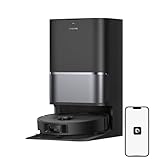
- High-Powered 25,000Pa Suction Performance: Powerfully clean hard floors and carpets with 25,000Pa suction and 5 suction levels for a customized clean throughout your home.
- Tackle Corner Messes with Ease: L40 Ultra Gen 2 extends its brush and mop to reach corners and under furniture, delivering a deeper clean where most vacuums fail.

Pros and Cons
| Pros | Cons |
|---|---|
| 25,000 Pa suction pulls allergens from deep in carpet | Premium price point |
| 100-day hands-free dock with 65°C hot-water mop wash | |
| TriCut anti-tangle brushroll handles pet hair without jamming | |
| Dual Flex Arm extends mop to corners and baseboards | |
| Up to 231 minutes of runtime in vacuum-only mode | |
| 3.2L dust bag holds up to 100 days of debris |
Testing Results
Suction and Carpet Performance: 25,000 Pa is the highest suction figure on this list. On medium-pile carpet, embedded pet dander and dust particles that other robots left behind came up clearly. The auto-boost function raises suction automatically on carpet without needing any app adjustment.
Pet Hair Pickup: The TriCut anti-tangle brushroll is effective on both short and long pet fur. No mid-run tangles during testing even on mixed-hair households.
Allergen Containment: The 3.2L bag inside the dock holds up to 100 days of debris. When you do empty, the sealed bag design limits how much escaped particulate you’re exposed to. This is important for households where emptying a vacuum triggers symptoms.
Mopping Performance: The Dual Flex Arm extends the side brush and mop pad into corners and along baseboards, which is where pet dander accumulates most. For hardwood homes, this is a meaningful allergen-control step beyond what a vacuum-only pass does.
Auto-Maintenance Dock: The dock washes the mop pads at 65°C, which kills dust mites that accumulate on reusable pads. For allergy households using mopping, this matters.
Battery Life: Up to 231 minutes on vacuum-only mode. Covers large homes in a single run.
Noise Level: Quiet mode runs at conversational volume. Standard and Turbo modes are louder but within normal robot vacuum range.
Real-world Usage
This robot makes sense for a larger home with a mix of hard floors and carpet where you want daily automated cleaning to genuinely reduce airborne allergens. The dock handles its own maintenance for months at a time. You interact with it very little.
The mopping side is most useful on hard floors. Tile, hardwood, and LVP all benefit from the daily wet pass, which picks up pet dander that dry vacuuming leaves as a fine surface layer.
Best Use Case
Ideal for larger homes with pets and allergy sufferers who want maximum suction, mopping coverage, and a dock that handles its own maintenance for months. Not the right pick for predominantly thick carpet homes or buyers who want to minimize upfront cost.
Verdict
The L40 Ultra Gen 2 is the most capable robot on this list for pure allergen extraction. The suction headroom means it pulls from deep pile rather than just surface debris. Combined with the self-maintaining dock and extended bag capacity, it’s the pick for households where allergies are a serious daily concern.
The dock is large. Budget for the space. And the premium price is real. But for what it does, the value is there for the right buyer. For comparison against robot vacuum and mop combinations at lower price points, the best robot vacuum mop combo roundup has a range of options.
Rating: 4.6 / 5
View on Amazon: DREAME L40 Ultra Gen 2
Best Upper-Mid: ECOVACS DEEBOT T90 PRO OMNI
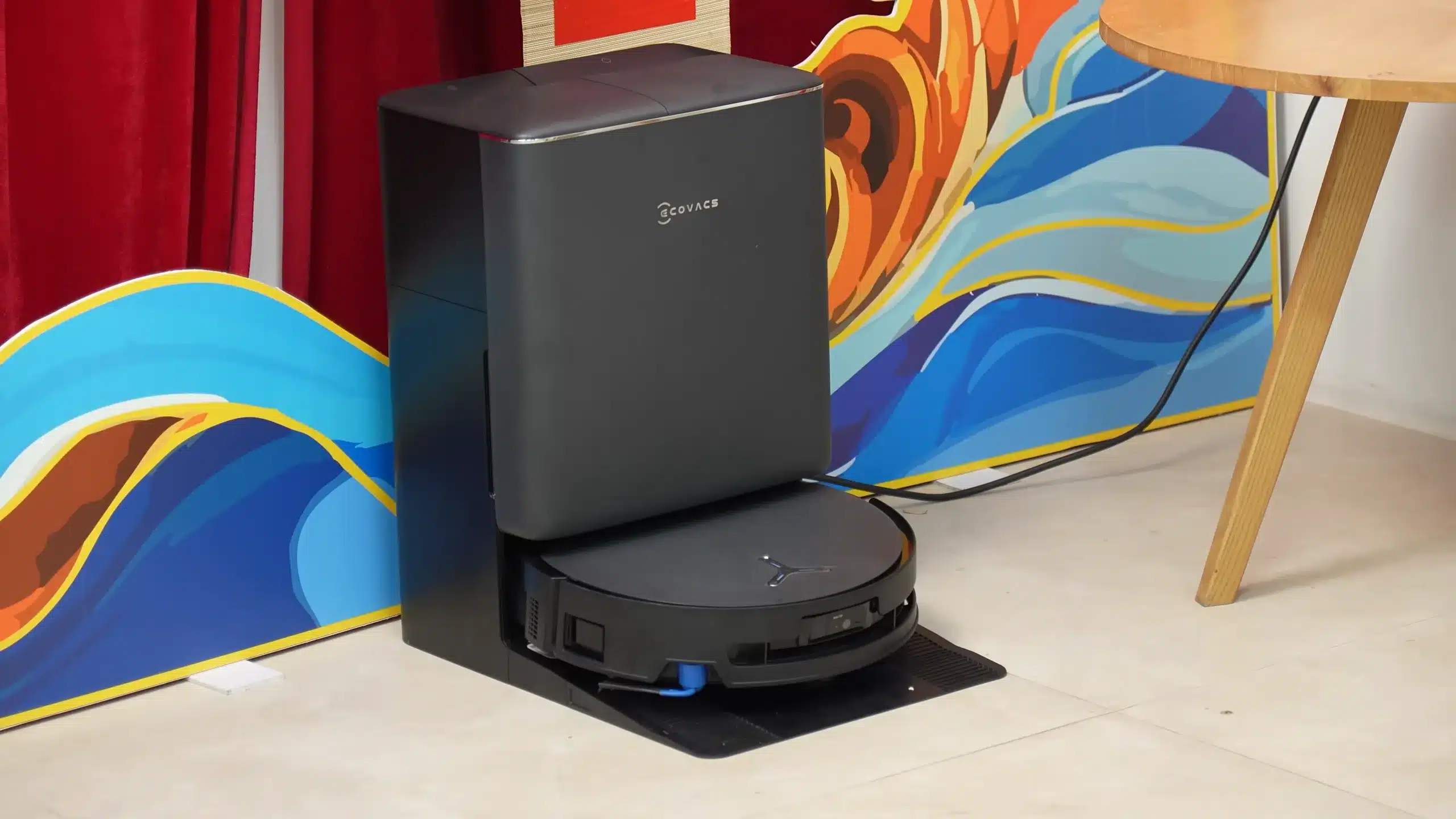
The T90 PRO OMNI brings 8,000 Pa suction and a ZeroTangle brushroll together with a fully automated OMNI dock that empties, washes, dries, and refills without input from you.

- 𝟯𝟬,𝟬𝟬𝟬𝗣𝗮 𝗕𝗟𝗔𝗦𝗧 𝗦𝗨𝗖𝗧𝗜𝗢𝗡 — 𝗖𝗟𝗘𝗔𝗡 𝗠𝗢𝗥𝗘 𝗜𝗡 𝗢𝗡𝗘 𝗣𝗔𝗦𝗦: Weak suction leaves dirt behind. BLAST 30,000Pa high-airflow suction lifts dust, pet hair, and crumbs from carpets and hard floors in one go—cleaning faster with fewer repeat passes.
- 𝗥𝗘𝗔𝗟 𝗦𝗖𝗥𝗨𝗕𝗕𝗜𝗡𝗚 𝗪𝗜𝗧𝗛 𝗢𝗭𝗠𝗢 𝗥𝗢𝗟𝗟𝗘𝗥 𝟯.𝟬 — 𝗡𝗢𝗧 𝗣𝗔𝗗 𝗦𝗠𝗘𝗔𝗥𝗜𝗡𝗚: Pads wipe, they don’t scrub. OZMO ROLLER 3.0 uses a 10.6-inch self-washing roller with continuous, pressurized scrubbing to lift sticky spills, dried stains, and kitchen grime—removing mess instead of spreading it.
Pros and Cons
| Pros | Cons |
|---|---|
| 8,000 Pa suction auto-adjusts by surface | OMNI dock is large |
| ZeroTangle dual brush handles pet hair without tangling | Limited on very thick high-pile carpet |
| OMNI station empties, washes mop, dries mop, and refills water | |
| Up to 200-min runtime | |
| AIVI obstacle detection avoids pet toys and cords | |
| Strong mopping performance on hard floors |
Testing Results
Suction and Carpet Performance: 8,000 Pa is strong for this price range. On low-to-medium pile carpet, pet hair and fine dust both came up cleanly. High-pile carpet is where performance drops, which is true for most robots in this class.
Pet Hair Pickup: The ZeroTangle dual brushroll is the standout feature for pet owners. It handles mixed fur without tangling and keeps running through high-hair passes without needing mid-cycle maintenance.
Allergen Handling: The OMNI dock auto-empties into a sealed bag after each run. Less frequent manual emptying means less allergen exposure for the person maintaining the robot. The mop wash cycle also reduces dust mite buildup on the pads.
Mapping and Navigation: AIVI object detection identifies and avoids pet bowls, cords, and small objects on the floor. Reliable across multi-room layouts.
Auto-Maintenance: The OMNI dock handles emptying, mop washing, mop drying, and water refilling. You interact with it for dock maintenance roughly every 2-4 weeks depending on home size and pet load.
Mopping Performance: Strong on hard floors. The mop extension reaches close to walls and covers edges well.
Noise Level: 65 dB in standard mode. Similar to most robots in this range.
Real-world Usage
For a mixed-floor home with one or two pets, the T90 PRO OMNI covers both the vacuuming and mopping side without asking much from you. The dock automation is the part that changes daily habits. You stop thinking about it after the first week.
For allergy households, the sealed auto-empty and the mop washing cycle together make this robot more hygenic to maintain than a standard auto-empty unit.
Best Use Case
Best for upper-mid budget buyers with pets who want a comprehensive OMNI dock and a zero-tangle brushroll that handles pet hair reliably. Skip this one if your home is mostly thick carpet or your priority is staying below mid-range pricing.
Verdict
The T90 PRO OMNI is the most complete allergen-management robot in its price tier. The ZeroTangle brush solves the pet hair tangle problem, and the OMNI dock reduces your direct contact with collected debris to nearly zero. That combination is specifically useful for allergy sufferers who react to handling vacuum contents. Those also dealing with cat-specific allergens may want to cross-reference the best robot vacuum for cat hair and litter guide.
Rating: 4.5 / 5
View on Amazon: ECOVACS DEEBOT T90 PRO OMNI
Best for Pet Owners with Allergies: DREAME L10s Ultra Gen 2
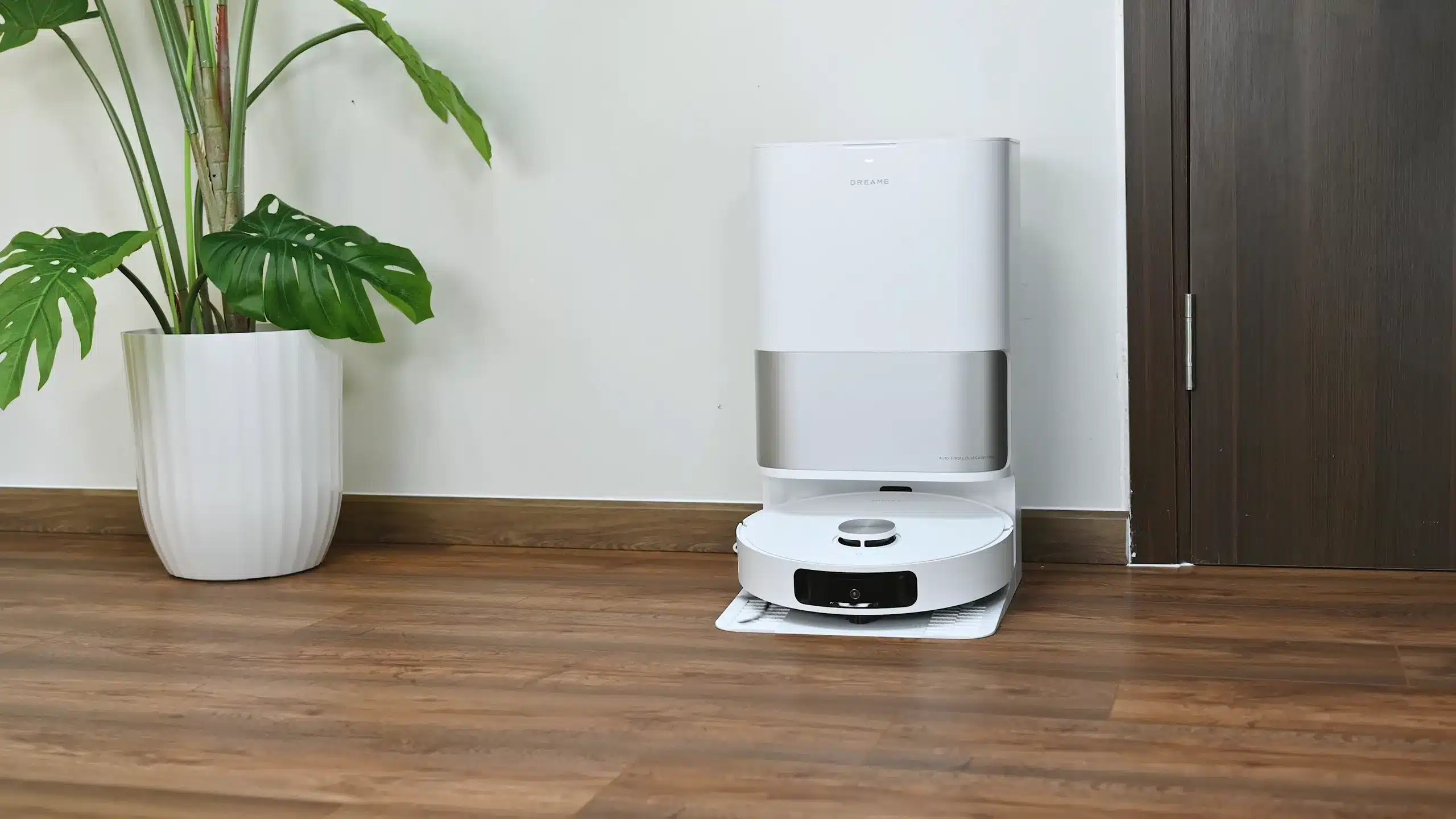
The DREAME L10s Ultra Gen 2 is the pick for pet owners who need strong allergen pickup at edges and walls. The MopExtend technology pushes the mop pad further into corners, which is where pet dander concentrates along baseboards.

- Hard-to-Reach Made Easy:L10s Ultra Gen 2 cleans hidden debris under low-profile furniture and tight spaces up to 4cm deep. Edge recognition and adjustable mop extension ensure 165% edge cleaning, navigating around tables, chairs, and skirting boards.
- 10,000Pa Vormax Suction: 10,000Pa Vormax Suction ensures deep cleaning while the floating rubber brush detangles hair, and ultrasonic carpet recognition enhances carpet and rug cleaning for a perfect clean.
Pros and Cons
| Pros | Cons |
|---|---|
| MopExtend mop reaches edges and baseboards | Premium price tier for the feature set |
| 7,000 Pa suction auto-adjusts per surface | Dock footprint is large |
| Pet-hair-optimized brushroll prevents mid-run jams | |
| Self-empty and self-clean dock | |
| Up to 210-min runtime | |
| Obstacle avoidance handles cluttered pet areas |
Testing Results
Suction and Carpet Performance: 7,000 Pa handles hard floors and low-to-medium carpet well. Fine allergen particles, pet dander, and hair all picked up reliably. Thick carpet is where the suction reaches its limits.
Pet Hair Pickup: The pet-hair-optimized brushroll is effective on short-to-medium fur. Minimal tangling in testing across both dog and cat hair.
MopExtend Edge Cleaning: This is the feature that separates the L10s Ultra Gen 2 for allergy households. Pet dander and dust accumulate at baseboards and along walls. The extended mop reach covers that zone in each pass. Most robots leave a 2-4cm gap at walls. This one closes it.
Allergen Containment: The self-clean dock washes the mop pad after each run. The auto-empty base reduces manual bin contact. Not as long a hold capacity as the L40 Ultra Gen 2, but sufficient for standard home sizes.
Mapping and Navigation: Reliable room mapping with obstacle detection. Handles pet toys and bowls without getting stuck.
Runtime: 210 minutes on a single charge covers large homes without needing a return-to-dock recharge mid-run.
Noise Level: 64 dB in standard mode. Quiet enough for daytime runs.
Real-world Usage
The practical difference here is the edges. In a pet household, allergen buildup is worst along walls and in corners where pets rest or walk repeatedly. The MopExtend feature addresses that zone specifically. If you’ve noticed dust lines along your baseboards even after regular vacuuming, this robot handles that.
For daily automated runs on mixed flooring, the L10s Ultra Gen 2 covers more surface area per pass than most competitors at this price point.
Best Use Case
The right pick for pet owners with allergies who have mostly hard floors and light carpet, and who specifically want edge-to-edge dander control. Not ideal for thick carpet homes or budget-sensitive buyers.
Verdict
The L10s Ultra Gen 2 earns its spot here because it solves a specific problem that other robots ignore: allergen buildup at edges. For pet households where dander collects along walls and in corners, the MopExtend feature makes a visible difference. Pair it with regular HEPA air filter changes and you have a solid daily allergen management setup. If you’re also comparing options for hardwood specifically, the best robot vacuum for engineered hardwood floors covers floor-safe picks in detail.
Rating: 4.3 / 5
View on Amazon: DREAME L10s Ultra Gen 2
Best Mid-Range: iRobot Roomba Max 705
The Roomba Max 705 is the pick for iRobot brand loyalists who want reliable daily cleaning, pet-mode scheduling, and a Clean Base self-empty system in a mid-range package.
- DUAL BRUSHES, DOUBLE DIRT DESTRUCTION. Patented rubber brushes flex and adjust, staying in constant contact with all floor types. Paired with extreme power-lifting suction to loosen and lift any kind of mess.
- ELIMINATES DIRT & DUST. Powers through pet hair and more with anti-tangle Dual Rubber Brushes, an Edge-Sweeping Brush, Carpet Boost, and 180x more* extreme power-lifting suction. *In Spot Clean mode with a full battery, compared to Roomba 600 series robots

Pros and Cons
| Pros | Cons |
|---|---|
| iRobot brand reliability and long track record | Mopping capability is basic compared to Dreame or ECOVACS |
| PrecisionVision obstacle avoidance handles pet zone obstacles | |
| Clean Base auto-empty reduces allergen contact | |
| Strong carpet performance with auto-boost | |
| Imprint Smart Mapping for room-specific scheduling | |
| Pet-focused cleaning modes |
Testing Results
Suction and Carpet Performance: Roomba’s suction auto-adjusts on carpet and performs consistently across medium-pile surfaces. Pet dander, fine dust, and tracked debris all collected well in standard daily runs.
Pet Hair Pickup: The brushroll handles short and medium pet fur reliably. Long hair and heavy shedders may still require occasional brushroll checks.
Clean Base Auto-Empty: The Clean Base holds debris for multiple weeks before requiring attention. Less frequent manual contact with dustbin contents is a meaningful allergy advantage. Emptying the sealed bag keeps allergen release minimal.
Mapping and Navigation: Imprint Smart Mapping lets you schedule specific rooms on specific days. PrecisionVision avoids common pet area obstacles like food bowls, water dishes, and chew toys.
Pet Cleaning Modes: The Roomba Max 705 includes specific scheduling modes for pet shedding seasons. You can increase cleaning frequency automatically when pet hair levels rise.
Mopping: Basic. If you need serious floor washing, look at the DREAME or ECOVACS options on this list.
Noise Level: 68 dB in standard mode. The loudest model tested. Still within acceptable range for daytime operation.
Real-world Usage
The Roomba Max 705 suits an allergy household that wants a reliable, low-maintenance daily cleaning system without experimenting with newer brands. iRobot’s long track record means the app is mature, the filters are widely available, and support is established.
For someone who had a Roomba years ago and is upgrading, this is a familiar ecosystem. Replacement filters and bags are easy to source, which matters for maintaining effective allergen capture long-term.
Best Use Case
Best for iRobot loyalists, mixed-floor homes with moderate pet traffic, and buyers who want a proven brand over a newer competitor. Not the right pick for households that need strong mopping, prefer LiDAR navigation, or are comparing by raw suction figures.
Verdict
The Roomba Max 705 is a dependable mid-range pick for allergy households that value brand reliability over spec-sheet leadership. The Clean Base reduces how often you handle allergens, and the pet-focused modes make daily scheduling practical. It doesn’t lead on suction or mopping, but it works consistently day after day. For a broader look at robot vacuum options at this level, the best robot vacuums for busy families roundup is worth a look.
Rating: 4.1 / 5
View on Amazon: iRobot Roomba Max 705
Best Budget: iRobot Roomba 105X
The Roomba 105X is the most affordable self-emptying Roomba on this list. It pairs above-average raw suction with a sealed bag that locks in 99% of allergens, making it a serious allergy pick despite the budget price.

- POWERFUL CLEANING YOU CAN SEE—AND FEEL. The Roomba 105X devours dirt with 70X more power‑lifting suction* to pull embedded dust, crumbs, and pet hair from carpets and hard floors. .*Compared to Roomba 600 series robots.
- 3‑STAGE CLEANING SYSTEM. Combines intense suction, a Multi‑Surface brush, and an Edge‑Sweeping brush to leave floors truly barefoot‑clean—not just surface tidy.

Pros and Cons
| Pros | Cons |
|---|---|
| Sealed AutoEmpty bag traps 99% of allergens | Brush roll can tangle on long human hair |
| 2.16 kPa sealed suction, well above the 0.83 kPa average | No mopping capability |
| ClearView LiDAR for room mapping at budget price | |
| 75-day bag capacity on the AutoEmpty dock | |
| 3-Stage Cleaning System for consistent multi-surface pickup |
Testing Results
Suction Performance: 2.16 kPa sealed suction in independent testing places this robot well above the 0.83 kPa category average for budget robots. That gap matters for allergy households. Higher sealed suction means more fine particles actually enter the filter rather than passing through.
Allergen Containment: The sealed AutoEmpty bag is the standout feature at this price. The 75-day capacity bag locks in allergens rather than releasing them when you empty. For allergy sufferers who react to emptying dustbins, this changes the equation.
Pet Hair Pickup: Hardwood and low-pile carpet handled well. The brush roll is not anti-tangle, so long pet hair or long human hair will wrap over time and need clearing.
Mapping and Navigation: ClearView LiDAR maps rooms accurately for the price point. Room recognition and multi-room scheduling work reliably. Obstacle avoidance is basic. Cords, socks, and small items on the floor get bumped rather than avoided.
Runtime: Covers small-to-medium homes per charge with Recharge and Resume handling larger spaces over multiple sessions.
Noise Level: Moderate. No specific dB rating available, but consistent with standard Roomba operating volume.
Real-world Usage
For a one or two-bedroom home, the Roomba 105X runs daily without much input. The LiDAR mapping is surprisingly capable at this price. You set the schedule once and the robot handles the rest.
The sealed bag matters most for the allergen case. Budget robots with open dustbins create a handling problem at emptying time. The 75-day bag on the 105X pushes that interaction to once every two months.
Best Use Case
Best for budget buyers in smaller homes who want sealed allergen containment without paying mid-range prices. Also a good first robot for someone new to the category. Skip this one if you have heavy long-hair pets, lots of cord obstacles, or a large home that needs single-charge full coverage.
Verdict
The Roomba 105X punches above its price on two counts: suction strength and the sealed bag system. For an allergy household on a budget, those two things are exactly what matter. The obstacle avoidance limitations are a real downside in cluttered or pet-toy-scattered homes. But in a relatively tidy space, this robot delivers daily allergen pickup at a price point most competitors can’t match. For households also considering whether a steam cleaner for allergies might complement daily robot vacuum runs, both tools together cover different parts of the allergen problem.
Rating: 4.0 / 5
View on Amazon: iRobot Roomba 105X
What Makes the Best Robot Vacuum for Allergies?
Filtration Quality
This is the most important factor that most buying guides skip past too quickly. A robot vacuum for allergies needs to capture fine particles at 0.3 microns or smaller. That covers the main triggers: pet dander, dust mite debris, pollen, and mold spores.
HEPA filtration meets that standard. Most mid-range and premium robots include HEPA or HEPA-equivalent filters. Budget models often use standard foam filters that let fine particles pass through and back into the air. Check the spec sheet. If it says “washable filter” without a HEPA rating, the filtration for allergy purposes is likely inadequate.
Filter replacement matters as much as filter quality. A clogged HEPA filter stops performing at spec. Most robot vacuums need filter replacement every 2-3 months with regular use. Factor that into your running cost.
Sealed Suction System
A HEPA filter alone is not enough if the vacuum body has gaps where air can bypass the filter. Look for robots that specifically advertise a sealed system or sealed airpath. This means all airflow is routed through the filter before exiting. Without it, fine particles can escape through motor vents or seams in the dustbin.
The Shark AV2501AE is the strongest example on this list for sealed filtration. The iRobot Roomba 105X’s sealed bag approach handles this differently but achieves a similar result.
Auto-Empty Design
This one is underappreciated for allergy buyers specifically. Every time you manually empty a standard dustbin, you release a small amount of what the vacuum collected. For someone with dust or dander allergies, that exposure is the problem.
A self-emptying robot with a sealed bag in the dock largely eliminates this. The Roomba 105X holds 75 days in a sealed bag. The L40 Ultra Gen 2 holds 100 days. You interact with the dust and allergens far less often.
If you’re buying a robot vacuum specifically for allergies, prioritize auto-empty with a sealed bag base over everything else except filtration quality.
Pet Hair Pickup
Pet dander is one of the most common indoor allergen sources. But pet hair and dander are not the same thing. Dander is microscopic and becomes airborne. Hair is visible and settles on surfaces. A robot vacuum needs to handle both.
Anti-tangle brushrolls, like the ZeroTangle on the ECOVACS models, keep the robot running through heavy pet-hair loads without jamming. Robots that tangle frequently get stuck and stop cleaning, which defeats the daily automation that makes them useful for allergen control.
Check the Floor Performance data for each model. Every robot on this list scores Yes on Pet Hair pickup.
Suction Power for Embedded Allergens
Surface-level allergens are easier to capture. Embedded allergens in carpet pile are harder. Dust mite debris, in particular, settles into carpet fibers over time and requires meaningful suction to pull out.
Robots below 3,000 Pa typically capture surface debris and lighter particles. Robots above 6,000 Pa start to pull from deeper in the pile. The DREAME L40 Ultra Gen 2 at 25,000 Pa is in a different category for carpet allergen extraction.
If your home has significant carpet coverage and you have dust mite or pet dander allergies, suction power is worth paying for.
Daily Scheduling Consistency
A robot vacuum that runs once a week helps. One that runs daily makes a measurable difference in ambient allergen levels. The whole point of automation is consistent cleaning frequency that a busy household wouldn’t maintain manually.
Set the robot to run during a predictable window, whether while you sleep or while you’re at work. Give it 2-4 weeks of daily runs and you’ll notice the difference in how often surfaces need wiping and how quickly allergen symptoms recur.
Frequently Asked Questions
Do robot vacuums actually help with allergies?
Yes, consistently. The key is daily use combined with proper filtration. A robot with HEPA filtration running every day removes more allergen buildup than a manual vacuum used once or twice a week. Pet dander, dust mite debris, and pollen all accumulate on floors between cleans. Daily automated pickup breaks that cycle. You’ll also want to look at other sources in the home. If carpet dust mites are the primary trigger, a steam cleaner for dust mites can address what vacuuming leaves behind.
What filter rating do I need for allergy relief?
HEPA or HEPA-equivalent. True HEPA captures particles down to 0.3 microns at 99.97% efficiency. That covers the main indoor allergen triggers. Standard foam filters do not filter to that level and are not adequate for allergy households. Always confirm the filter rating in the product specs, not just the marketing copy.
Is self-emptying important for allergy sufferers?
Very much so. Emptying a standard dustbin releases a small cloud of what the robot collected. For someone with dust or dander sensitivity, that exposure happens every time you maintain the robot. A self-emptying dock with a sealed bag pushes that interaction to once every 30-100 days depending on capacity. For the best robot vacuums for pet hair and allergies specifically, a sealed auto-empty is close to a must-have.
How often should a robot vacuum run in an allergy household?
Daily is the target. Every room that sees regular foot traffic or pet activity should get covered at minimum every 24-48 hours. Most robot vacuums support flexible scheduling by room, so you can prioritize the bedroom and living room over a rarely-used guest room. Consistent frequency matters more than cleaning duration per session.
Can a robot vacuum replace a regular vacuum for allergy control?
For floor-level allergen management, yes for most households. A robot with strong suction and HEPA filtration running daily does more cumulative work than a manual vacuum used occasionally. That said, robot vacuums don’t reach above-floor surfaces. Upholstery, mattresses, and curtains accumulate allergens and need separate attention. A handheld with HEPA filtration handles those spots. Vacuums with HEPA filters across different categories are covered in the best vacuum cleaners with HEPA filters roundup.
Does mopping help with allergen control?
On hard floors, yes. Dry vacuuming lifts most loose debris but leaves a fine dust film on smooth surfaces. A wet mop pass after vacuuming captures that residual layer. For households where pet dander settles on hardwood, tile, or LVP, a robot with mopping capability running daily handles both steps in one pass. The DREAME L10s Ultra Gen 2 and ECOVACS T90 PRO OMNI both cover this well.
What’s the best budget option for allergy sufferers?
The iRobot Roomba 105X is the strongest budget case here. Above-average sealed suction and a 75-day sealed allergen bag at a price point well below mid-range alternatives. The obstacle avoidance is basic, but the filtration and auto-empty performance match or exceed competitors at two to three times the price.