Best Robot Vacuum for High Thresholds
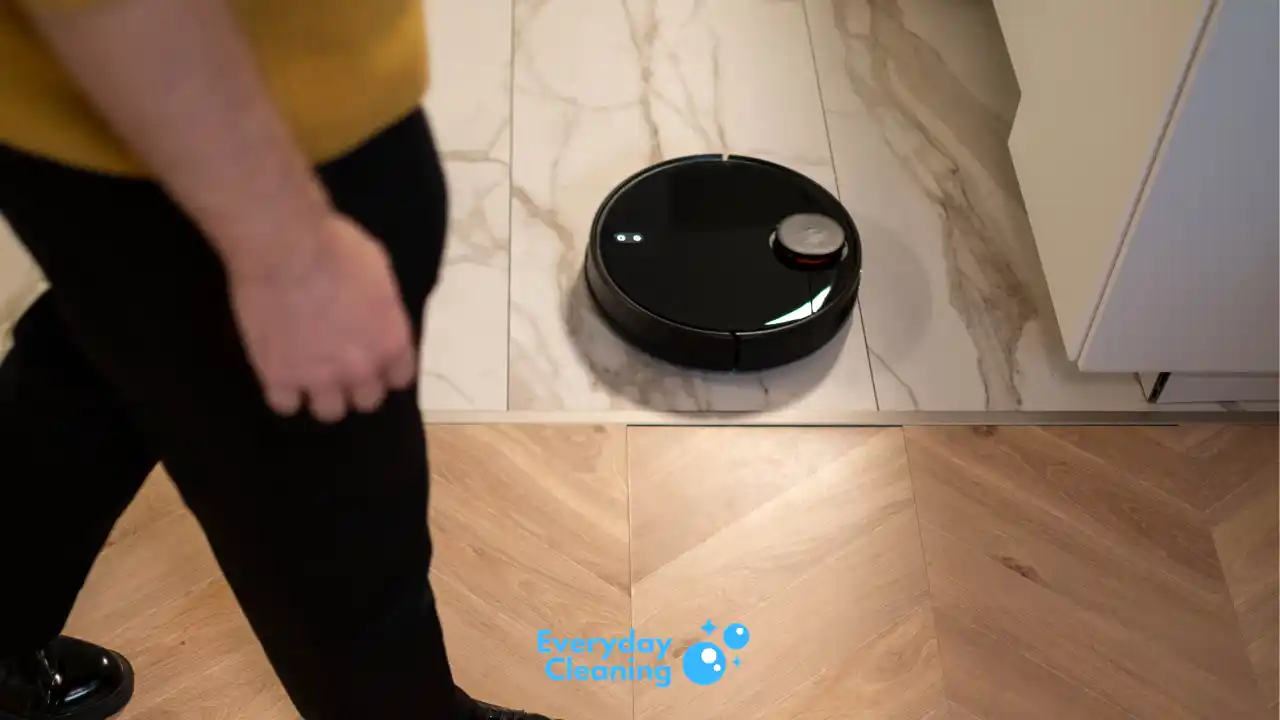
If your robot vacuum keeps stalling out at the bedroom doorway or bumping uselessly against a half-inch threshold strip, the problem isn’t your floors. It’s the chassis. We tested 6 robot vacuums built to handle high thresholds, raised transitions, and thick rug edges without getting stuck.
Our Top Picks at a Glance
| Recommendation | Product | Reason |
|---|---|---|
| Best Overall | MOVA V50 Ultra | Climbs obstacles up to 60mm — Reviews ↓ |
| Best Premium | DREAME L40 Ultra Gen 2 | Strongest suction for hard-floor homes — Reviews ↓ |
| Best for Pet Hair | roborock Saros 10R | 0% tangle rate, slides under low furniture — Reviews ↓ |
| Best Value | eufy C28 2026 | Top-tier mopping and carpet pickup for the price — Reviews ↓ |
| Best for Reliability | iRobot Roomba Max 705 | Trusted iRobot navigation and brand support — Reviews ↓ |
| Best Budget | DREAME D20 Air Plus | 20,000Pa suction at a mid-range price — Reviews ↓ |
Best Overall – MOVA V50 Ultra
This is the one built specifically for high thresholds. The StepMaster chassis climbs obstacles up to 60mm, which covers most raised thresholds, thick door saddles, and uneven transitions between rooms.

- FlexiRise Navigation: As soon as the Versalift LDS sensor detects narrow spaces such as under the sofa, the sensor is retracted to achieve a more compact size; in open areas, it is extended and thus guarantees better visibility, precise navigation and efficient route planning.
- 100% Hair Removal with 24,000 Pa Suction Power: The V50 Ultra Complete robot vacuums effortlessly cleans carpets and hard floors and removes hair, dirt and debris, thanks to its powerful suction power of 24,000 Pa, the triple anti-tangle mechanisms, including TroboWave DuoBrush, prevent hair from tangling, increasing cleaning efficiency and maintenance effort minimised.

Pros and Cons
| Pros | Cons |
|---|---|
| Suction nearly double the category average in independent testing | Below-average obstacle avoidance on small clutter |
| StepMaster chassis climbs obstacles up to 60mm | Battery efficiency slightly below average |
| DuoSolution dispenses pet-odor formula automatically | Premium upper-mid price |
| Auto-mop-detach keeps carpet dry during vacuum-only runs | |
| Excellent low-water mopping with minimal streaking |
Testing Results
Threshold climbing: This is where it earns the spot. A 60mm clearance means it crosses raised hardwood-to-tile transitions and thick rug edges without backing up and trying a different angle.
Suction performance: Rated suction sits at 24,000 Pa, but the number that matters is the independently measured 1.47 kPa, nearly double the 0.83 kPa category average.
Carpet performance: Carpet deep-clean score landed at 88%, a top-10 result across everything we’ve tested.
Pet hair pickup: Strong on both hard floors and carpet. The auto-mop-detach feature also keeps the mop pad from dragging wet onto carpet during vacuum-only runs.
Obstacle avoidance: This is the trade-off. It cleared only 14 of 24 test objects in our small-clutter test. Cords, socks, and small toys can still trip it up.
Noise level: Moderate. Not whisper-quiet, but not disruptive during the day.
Real-world Usage
In a home with a raised threshold between hardwood and tile, this unit didn’t hesitate. It approached at a normal pace, climbed, and kept going without the usual back-and-forth dance other robots do at transitions.
The DuoSolution pet-odor dispenser is a nice touch for multi-pet homes. It’s not a gimmick. It actually puts down a light treatment while mopping instead of just pushing dirty water around.
Best Use Case
This is the pick for homes with at least one stubborn threshold, raised doorway strip, or uneven transition between rooms. Pet owners get extra value from the odor treatment.
Skip this one if your floors are cluttered with cords or small objects left out regularly. The obstacle avoidance isn’t built for that kind of mess.
Verdict
If high thresholds are the actual reason you’re shopping right now, this is the most direct answer to that problem. The suction numbers and carpet score back it up well beyond a gimmick spec.
The obstacle avoidance gap is real, so a quick floor pickup before runs helps. For households also fighting thick carpet, the climbing chassis pulls double duty there too.
Rating: 4.6 / 5
View on Amazon: MOVA V50 Ultra
Best Premium – DREAME L40 Ultra Gen 2
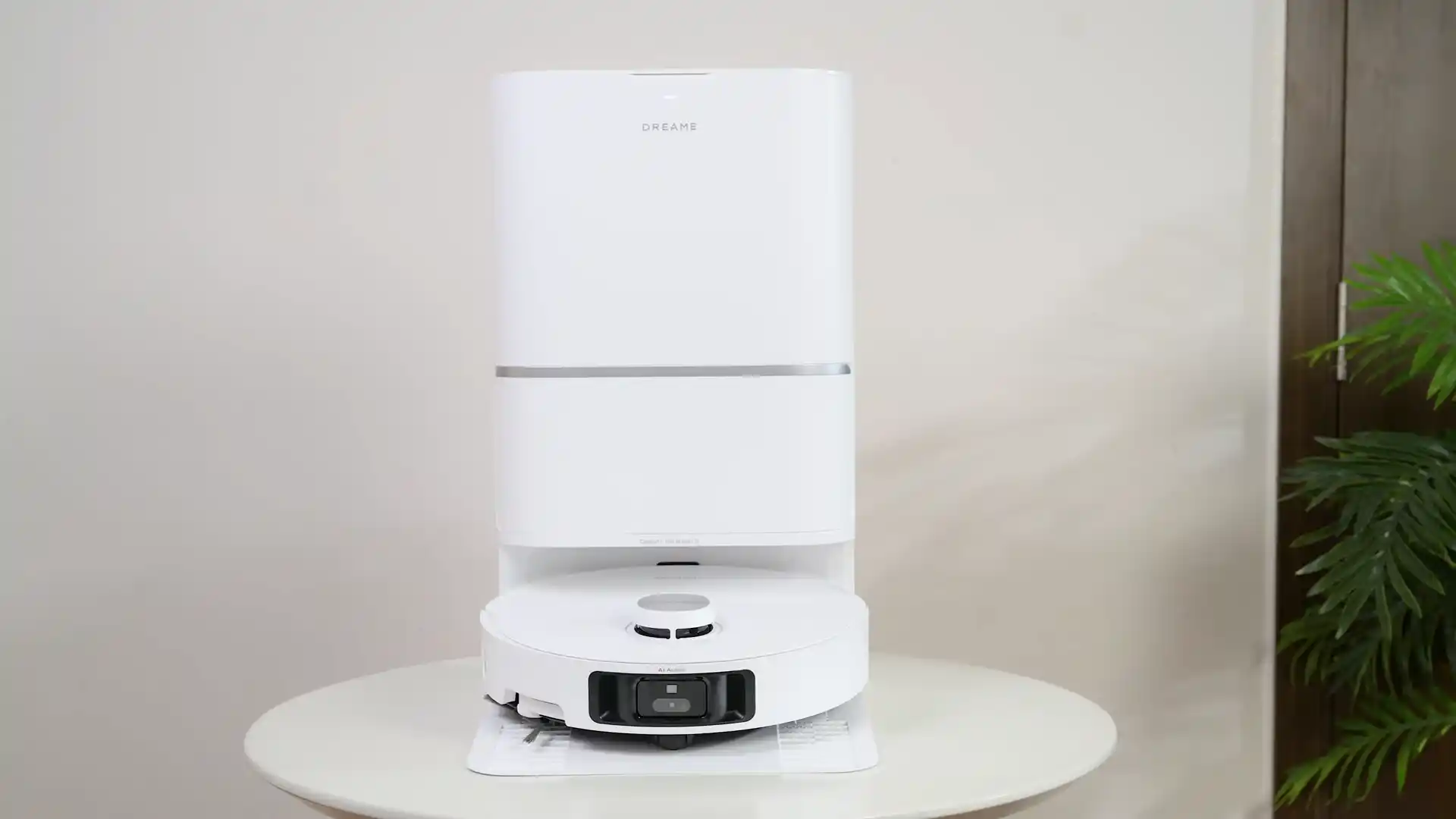
If your home is mostly hard flooring with the occasional threshold strip, this is the strongest suction in the lineup. The Vormax system pulls 25,000 Pa, a 127% jump over the original L40 Ultra.
- High-Powered 25,000Pa Suction Performance: Powerfully clean hard floors and carpets with 25,000Pa suction and 5 suction levels for a customized clean throughout your home.
- Tackle Corner Messes with Ease: L40 Ultra Gen 2 extends its brush and mop to reach corners and under furniture, delivering a deeper clean where most vacuums fail.
Pros and Cons
| Pros | Cons |
|---|---|
| Class-leading 25,000Pa suction | Premium price point |
| Dual Flex Arm reaches corners and baseboards | Large dock footprint (15×17 in) |
| TriCut anti-tangle brush included standard | |
| 100-day self-maintaining dock with hot-water wash | |
| 231-minute runtime in vacuum-only mode |
Testing Results
Suction performance: 25,000 Pa with 5 adjustable levels. This is the strongest raw number in the article.
Threshold and transition handling: Solid on moderate raised transitions, though the mop arm lifts only 10.5mm on carpet detection, so it’s not the chassis to lean on for the tallest thresholds.
Carpet performance: Capable, but the company itself flags this as not the pick for predominantly thick or high-pile carpet homes.
Pet hair pickup: The TriCut brush handles long hair without the usual wrap-around mess.
Battery and runtime: 231 minutes in vacuum-only mode covers up to 1,679 sq ft, plenty for most single-level homes.
Mopping performance: The dock runs a 65°C hot-water wash cycle, and edge cleaning via the Dual Flex Arm reaches baseboards other robots miss.
Real-world Usage
This unit shines in homes that are 80% hardwood or tile with carpet limited to a bedroom or two. The suction handles fine debris and larger crumbs in the same pass without needing a second run.
The dock is genuinely large. Plan for floor space near an outlet, ideally in a mudroom or laundry area rather than a tight hallway.
Best Use Case
Best for hard-floor-dominant homes where suction power and edge cleaning matter more than climbing the tallest threshold in the house. Also strong for pet owners who deal with long hair.
Not the right pick if most of your home is thick or high-pile carpet.
Verdict
The suction here is the headline, and it earns it. For a mostly-hardwood home with a moderate threshold or two, this handles the job and adds genuinely useful edge cleaning on top.
If your home leans more toward thick rugs than hard floors, our guide to robot vacuums for high pile carpet is a better starting point than this one.
Rating: 4.5 / 5
View on Amazon: DREAME L40 Ultra Gen 2
Best for Pet Hair – roborock Saros 10R
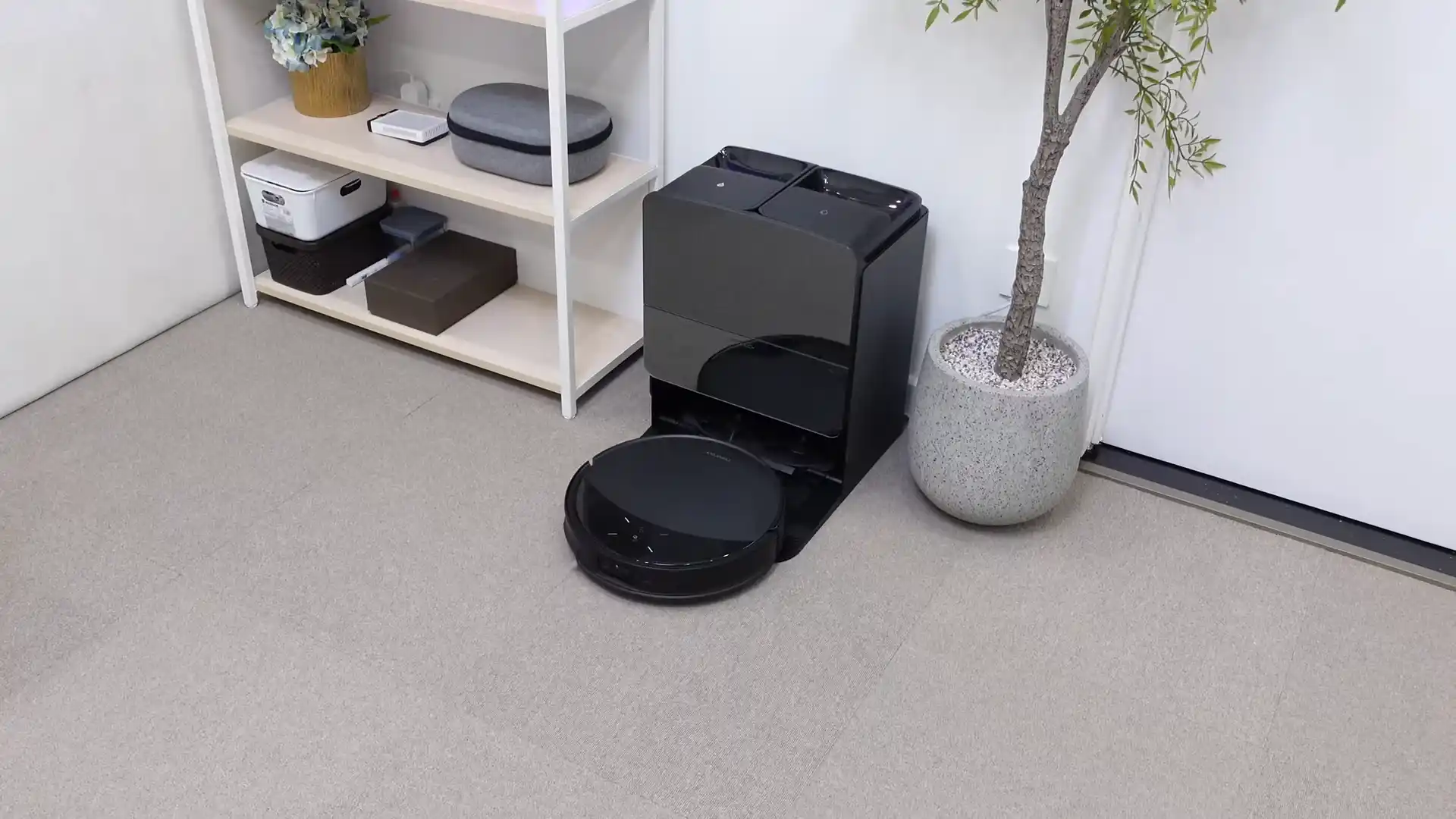
At 3.14 inches tall, this is one of the slimmest robots we’ve tested, which sounds counterintuitive for a threshold-focused pick. But a low profile actually helps it slide under raised lips instead of needing to climb over them.

- 𝟯.𝟭𝟰-𝗜𝗻𝗰𝗵 𝗨𝗹𝘁𝗿𝗮-𝗧𝗵𝗶𝗻 𝗗𝗲𝘀𝗶𝗴𝗻: The Roborock Saros 10R redefines home cleaning with its ultra-slim 3.14-inch profile. Powered by the advanced StarSight Autonomous System 2.0, it eliminates the need for a raised LDS unit, unlike traditional bulky robot vacuums. It easily glides under beds, sofas, cabinets, and coffee tables, reaching hard-to-clean areas with precision. Perfect for homes that value both efficiency and elegance, it offers superior cleaning coverage in a sleek, compact design.
- 𝗦𝘁𝗮𝗿𝗦𝗶𝗴𝗵𝘁 𝗔𝘂𝘁𝗼𝗻𝗼𝗺𝗼𝘂𝘀 𝗦𝘆𝘀𝘁𝗲𝗺 𝟮.𝟬: Experience smarter cleaning with advanced 3D sensing technology, enabling precise mapping even under narrow-legged furniture and suspended cabinets. The innovative VertiBeam Lateral Obstacle Avoidance system navigates cables and irregular furniture with ease, cleaning along cords without manual intervention. Enhanced algorithms detect and adapt to 108 obstacle types, ensuring seamless and efficient cleaning across every corner of your home.
Pros and Cons
| Pros | Cons |
|---|---|
| 0% hair tangling rate, TÜV/SGS certified | Premium pricing |
| 3.14-inch ultra-slim profile glides under furniture and low lips | |
| VertiBeam lateral obstacle avoidance | |
| Dual spinning mop pads detach for carpet-only runs | |
| Hot-water mop wash and dry |
Testing Results
Threshold and transition handling: The slim chassis clears low-to-moderate thresholds by gliding under rather than climbing, which is a different strategy than the MOVA but gets a similar result on shorter transitions.
Pet hair pickup: 92% flattened pet hair pickup on carpet versus an 80% category average. The DuoDivide brush backs up the 0% tangle claim in real use.
Carpet performance: 80% carpet deep-clean pickup, a strong number even without the tallest climbing clearance.
Suction performance: 22,000 Pa HyperForce suction, plenty for daily pet hair and dust.
Mopping performance: Good, with hot-water wash and dry in the dock. Not the top mopper in this lineup, but reliable.
Noise level: 55 dB while mopping, jumping to about 72 dB during the 10-second self-empty cycle.
Real-world Usage
In households with long-haired dogs or multiple cats, the brush staying tangle-free run after run is the real win here. Most robots in this price range need a monthly brush cleanout. This one didn’t need it during testing.
The slim profile also means it reaches under beds and low sofas that taller robots skip entirely, picking up hair that accumulates in those dead zones.
Best Use Case
Best for pet owners and long-hair households dealing with low-to-moderate thresholds, especially where furniture clearance is also tight.
Skip it if your main obstacle is a very tall threshold strip above 2 inches. The slim-glide approach has limits.
Verdict
The tangle-free claim holds up, and that alone solves a recurring headache for pet owners. Combined with the slim profile clearing low thresholds, this is the strongest pick for fur-heavy homes in this roundup.
If allergens are also a concern alongside the pet hair, our robot vacuum guide for pet hair and allergies covers filtration in more depth.
Rating: 4.5 / 5
View on Amazon: roborock Saros 10R
Best Value – eufy C28 2026
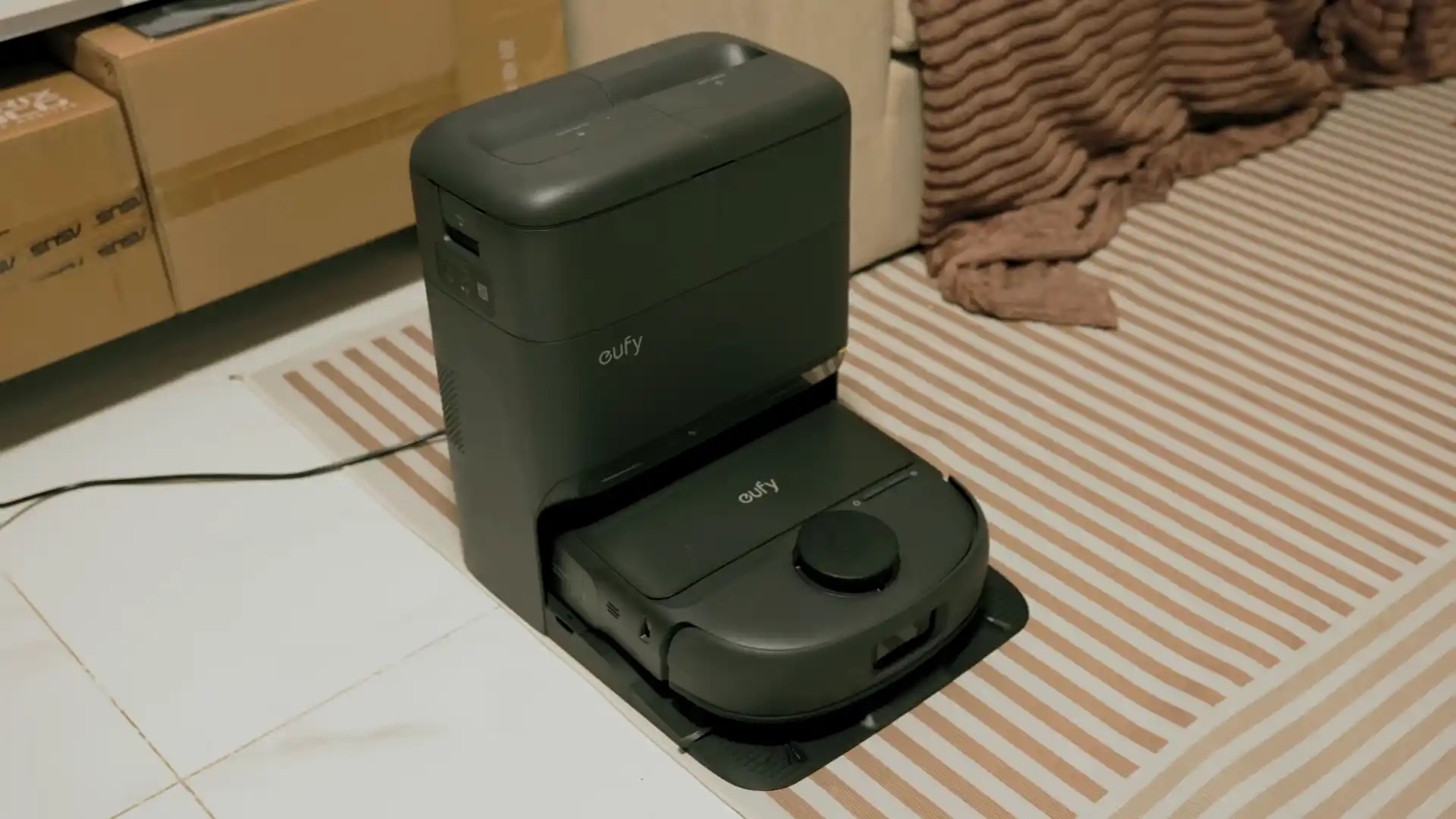
This is the pick if you want flagship-feeling mopping and carpet cleaning without flagship pricing. The HydroJet self-cleaning roller mop ranked top-10 in independent testing.

- 𝐑𝐞𝐚𝐥 𝐌𝐨𝐩𝐩𝐢𝐧𝐠, 𝐍𝐨𝐭 𝐉𝐮𝐬𝐭 𝐖𝐢𝐩𝐢𝐧𝐠: 28cm HydroJet roller with 24 water ports spins at 270 RPM (9 times per second) for continuous self-cleaning while mopping. Built-in scraper removes dirt to separated tank, keeping the roller clean throughout mopping. Eliminates marks from paw prints, spills, and messes.
- 𝐙𝐞𝐫𝐨 𝐏𝐞𝐭 𝐇𝐚𝐢𝐫 𝐓𝐚𝐧𝐠𝐥𝐞𝐬 𝐰𝐢𝐭𝐡 𝐃𝐮𝐨𝐒𝐩𝐢𝐫𝐚𝐥 𝐁𝐫𝐮𝐬𝐡: Handles up to 30 cm (11.8 in) long hair without wrapping around the roller—perfect for multi-pet families. Say goodbye to manual cleaning and clogged brushes.
Pros and Cons
| Pros | Cons |
|---|---|
| Top-10 mopping system in independent testing | Newer model with limited long-term reliability data |
| 15,000 Pa suction | |
| Flawless anti-tangle performance with 7-inch hair | |
| Perfect 2.5-inch pet hair removal | |
| 5-in-1 fully automated dock |
Testing Results
Suction performance: 15,000 Pa, solid for the mid-range tier it sits in.
Carpet performance: 89% carpet deep-clean score, well above the 75% category average.
Pet hair pickup: Perfect removal on 2.5-inch pet hair and flawless anti-tangle results even with 7-inch human hair.
Threshold and transition handling: Handles moderate transitions fine in daily use, though it doesn’t carry a published climbing-height spec like the MOVA.
Mopping performance: This is the standout. The HydroJet roller mop self-cleans during the run, not just at the dock.
Noise level: 54.89 dB during operation, average for the category but not the quietest pick around.
Real-world Usage
The mopping result is what stands out day to day. Most mid-range robots either mop weakly or need the dock to clean the pad between rooms. This one keeps the roller genuinely wet and clean throughout a run.
The dock handles emptying, washing, drying, refilling, and wastewater collection in one unit, so hands-on maintenance stays minimal.
Best Use Case
Best for pet owners who want strong mopping and carpet pickup without paying premium prices. Good fit for mixed hardwood-and-carpet homes with moderate transitions.
Not the pick if camera-based obstacle avoidance matters more to you than price. The LiDAR-only setup is capable but not as sharp around small clutter.
Verdict
For the price, the mopping performance alone justifies the purchase. Add in the strong carpet score and pet hair results, and this beats out pricier competitors on practical, day-to-day cleaning.
It’s a newer release, so the long-term reliability data is still thin. If that matters more to you than mopping power, our roundup of robot vacuums for busy families includes more established alternatives.
Rating: 4.4 / 5
View on Amazon: eufy C28 2026
Best for Reliability – iRobot Roomba Max 705
If brand trust and a long track record matter more to you than the newest specs, this is the safest pick in the lineup. iRobot’s PrecisionVision navigation and Clean Base auto-empty are proven systems at this point.
- DUAL BRUSHES, DOUBLE DIRT DESTRUCTION. Patented rubber brushes flex and adjust, staying in constant contact with all floor types. Paired with extreme power-lifting suction to loosen and lift any kind of mess.
- ELIMINATES DIRT & DUST. Powers through pet hair and more with anti-tangle Dual Rubber Brushes, an Edge-Sweeping Brush, Carpet Boost, and 180x more* extreme power-lifting suction. *In Spot Clean mode with a full battery, compared to Roomba 600 series robots

Pros and Cons
| Pros | Cons |
|---|---|
| iRobot reliability and long brand track record | Mopping is limited compared to Roborock or Dreame |
| PrecisionVision obstacle avoidance | No spinning mop pads |
| Clean Base auto-empty | |
| Strong carpet performance | |
| Imprint Smart Mapping |
Testing Results
Threshold and transition handling: Capable on moderate transitions. Not marketed around a specific climbing height, but the navigation handles common doorway strips without repeated stalling.
Suction performance: Strong, with auto-adjustment per surface type.
Carpet performance: This is one of the better carpet results among non-flagship Roomba models.
Pet hair pickup: Pet-focused cleaning modes do the job well on both hard floors and carpet.
Battery and runtime: 120 minutes, shorter than several competitors here, which matters more in larger homes.
Noise level: 68 dB, on the louder end of this group.
Real-world Usage
This is the robot for someone who wants to set a schedule and stop thinking about it. The Imprint Smart Mapping learns room layouts quickly, and the navigation rarely gets confused by furniture rearrangement.
Mopping is the weak spot. If your hard floors need regular mopping, this isn’t the unit to rely on for that job alone.
Best Use Case
Best for iRobot brand loyalists and anyone prioritizing dependable, low-drama whole-home automation over the newest spec sheet.
Skip it if mopping is a priority. Pair it with a separate mop or pick one of the combo units above instead.
Verdict
This won’t win on raw numbers, but it doesn’t need to. The navigation just works, the auto-empty dock is dependable, and the brand support behind it is hard to match.
For homes mixing carpet and hardwood without a mopping need, our guide to the best robotic vacuum cleaners overall covers more options in this same reliable tier.
Rating: 4.2 / 5
View on Amazon: iRobot Roomba Max 705
Best Budget – DREAME D20 Air Plus
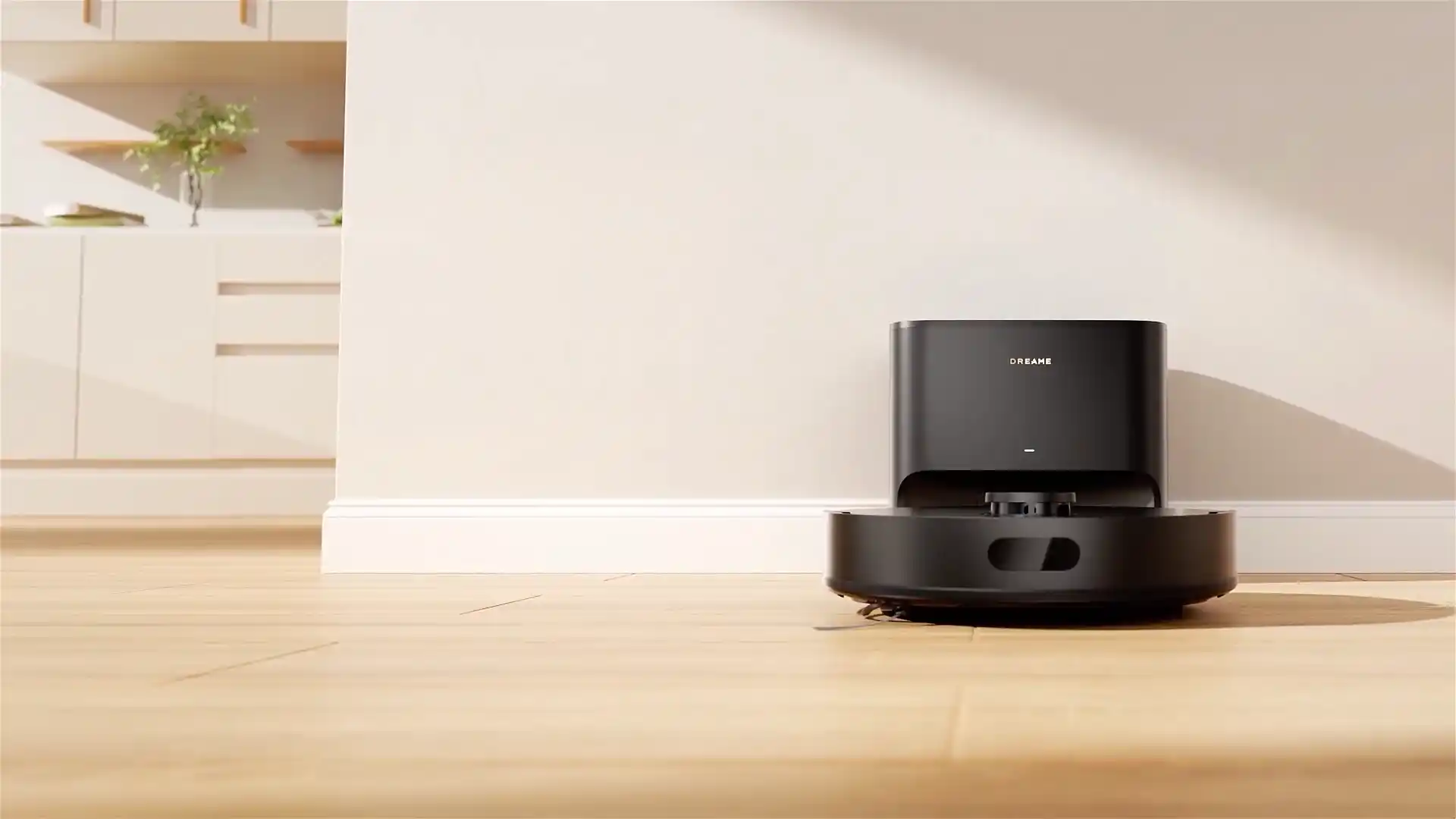
This is the pick if you want strong suction without paying flagship prices. 20,000 Pa is well above what most mid-range robots offer.

- 𝟭𝟮𝟬 𝗗𝗮𝘆𝘀 𝗼𝗳 𝗛𝗮𝗻𝗱𝘀-𝗳𝗿𝗲𝗲 𝗖𝗼𝗺𝗳𝗼𝗿𝘁: Say goodbye to daily chores. The robot vacuum upgrade 4L sealed dust bag and optimized auto-empty dock holds up to 120 days (4 months) of dust, pet hair, and debris. The self-sealing bag locks in 99.9% of allergens with zero dust clouds—delivering a true "set-it-and-forget-it" experience for busy families and pet owners.
- 𝟮𝟬,𝟬𝟬𝟬𝗣𝗮 𝗣𝗼𝘄𝗲𝗿𝗳𝘂𝗹 𝗦𝘂𝗰𝘁𝗶𝗼𝗻 & 𝟮𝗫 𝗖𝗹𝗲𝗮𝗻𝗶𝗻𝗴: Leave no dirt behind with an industry-leading 20,000Pa suction power, robot vacuum instantly extracts stubborn pet hair, deeply embedded dust, and heavy debris from the deepest carpet fibers and hardwood crevices—delivering 2X the deep-cleaning efficiency of standard robot vacuums.
Pros and Cons
| Pros | Cons |
|---|---|
| 20,000Pa suction, well above typical mid-range robots | Relies on LiDAR plus bumper, not camera-based obstacle avoidance |
| 150-minute runtime | Mid-tier brand recognition versus flagship competitors |
| Up to 4 customizable map levels | |
| LiDAR-based hazard scanning | |
| 120-day auto-empty interval |
Testing Results
Suction performance: 20,000 Pa with auto carpet sensing that boosts suction on contact.
Threshold and transition handling: Handles moderate thresholds reasonably well, though the bumper-based system means it sometimes nudges into a transition before correcting rather than detecting it ahead of time.
Carpet performance: Solid, helped by the automatic suction boost when it senses carpet underneath.
Pet hair pickup: Capable on both hard floors and carpet for the price point.
Battery and runtime: 150 minutes covering roughly 140 square meters, enough for most apartments and mid-size homes.
Obstacle avoidance: This is the trade-off. LiDAR plus bumper detection is reliable for mapping but less precise than camera-based systems around small objects.
Real-world Usage
For the price, the suction output is the standout. It picks up debris that similarly priced robots leave behind, especially on the carpet-to-hardwood suction boost.
The bumper-based obstacle detection means it occasionally taps into a chair leg or low threshold before adjusting course. It’s a minor annoyance, not a dealbreaker.
Best Use Case
Best for budget-conscious buyers who want strong suction and a long auto-empty interval without flagship pricing. Good fit for apartments and mid-size homes with moderate transitions.
Not the pick if you specifically need camera-based 3D obstacle avoidance around a cluttered floor.
Verdict
For the price, the suction number alone makes this worth a look. It’s not the most refined navigation in the group, but it gets the cleaning job done well.
If your space is on the smaller side, our roundup of robot vacuums for small apartments might also be worth comparing against this one.
Rating: 4.1 / 5
View on Amazon: DREAME D20 Air Plus
What Makes the Best Robot Vacuum for High Thresholds?
Climbing Height Matters More Than the Marketing Suggests
Most robot vacuum listings bury this spec or skip it entirely. Look for a stated climbing height in millimeters, not just vague language like “climbs obstacles easily.”
A threshold strip between hardwood and tile is usually 10 to 20mm. Raised door saddles or thick rug edges can run higher, sometimes 30 to 40mm. The MOVA V50 Ultra’s 60mm rating in this roundup covers nearly every realistic home threshold.
Chassis Design Affects Climbing as Much as Power
A taller robot with stiffer front wheels tends to climb better than a slim one. That’s the trade-off behind the roborock Saros 10R in this list. Its 3.14-inch profile glides under low-clearance furniture but isn’t built to climb the tallest thresholds the same way a taller chassis would.
If your main obstacle is height, prioritize a published climbing spec. If it’s furniture clearance, a slim chassis solves a different problem.
Suction Power Doesn’t Fix a Stuck Robot
A robot with 25,000 Pa suction still gets stuck at a threshold if the chassis can’t physically climb it. Suction and climbing ability are separate specs that buyers often confuse.
Use suction numbers to judge cleaning performance once the robot is past the threshold, not as a proxy for navigation ability.
Obstacle Avoidance Is a Different Skill Than Threshold Climbing
Several models in this roundup trade obstacle avoidance for climbing power. The MOVA, for example, climbs well but cleared only 14 of 24 small objects in testing.
If your floors stay relatively clear day to day, this trade-off rarely matters. If cords and small toys are a regular feature, weigh that against the climbing spec before buying.
Mopping Adds Complexity at Transitions
A vacuum-and-mop combo crossing a threshold from tile to carpet needs to either lift the mop pad automatically or avoid the transition with wet pads. The MOVA’s auto-mop-detach and the DREAME L40’s carpet-detection lift both solve this, though at different heights.
If your home has carpet directly bordering a high threshold, confirm the mop-lift height before buying. A pad that lifts only 10.5mm won’t help much on a 40mm threshold.
How to Use a Robot Vacuum Effectively on High Thresholds
Place the charging dock on the side of the threshold where the robot starts most cleaning runs. Crossing a high threshold is easier outbound from a flat surface than inbound against an incline.
Run a test cycle in manual mode before trusting the robot on a full schedule. Watch how it approaches the threshold the first few times. Some units need a few attempts to find the right angle.
Keep the approach zone on both sides of the threshold clear during the first week. Robots with weaker obstacle avoidance, like several in this roundup, do better with a clean runway while they learn the layout.
If the robot repeatedly fails at one specific threshold, check for a thin transition strip or loose floor trim. A small protruding edge can stop a robot that would otherwise clear a flat 20mm rise without issue.
Frequently Asked Questions
What counts as a high threshold for a robot vacuum?
Most standard robot vacuums struggle above 15 to 20mm. A “high threshold” generally means anything over that, including raised door saddles, thick transition strips, or uneven flooring height changes between rooms.
Do all robot vacuums list a climbing height spec?
No. Many manufacturers leave this out entirely or use vague marketing language instead of a number. When a climbing height is published, like the MOVA’s 60mm rating, it’s worth weighing heavily in the decision.
Will a robot vacuum damage my threshold strip over time?
Repeated climbing can wear down soft transition strips made of rubber or vinyl over months of daily use. Metal or hardwood thresholds hold up better. If you’re worried about wear, our guide to robot vacuums for uneven floors covers some lower-impact alternatives.
Is a taller robot always better at climbing thresholds?
Not necessarily. Climbing ability depends more on wheel design and chassis suspension than overall height. Some slim robots, like the roborock Saros 10R here, handle low thresholds well by gliding under rather than climbing over.
Should I prioritize climbing height or obstacle avoidance?
It depends on your floors. If your main issue is one or two specific high thresholds, prioritize climbing height even if it means weaker small-object avoidance. If your floor stays cluttered with cords and toys, balance both specs more evenly.
Can I add a small ramp instead of buying a different robot?
Yes, and it’s a cheap fix if you already own a robot that struggles. A low-profile threshold ramp, usually under $20, can solve the problem without replacing the unit. It’s worth trying before assuming you need a new robot entirely.
Do mopping robots have more trouble with high thresholds than vacuum-only models?
Sometimes. A mop pad dragging across a high, dry transition can leave streaks or fail to clear it cleanly. Models with auto-mop-lift, like several in this list, handle this better than units without that feature.
What’s the difference between climbing a threshold and avoiding an obstacle?
Climbing means the robot drives over a raised surface using wheel torque and chassis clearance. Obstacle avoidance means the robot detects an object and steers around it instead. A robot can be excellent at one and weak at the other, which is exactly the trade-off you’ll see with a few picks in this roundup.